
Chromosome-Level Moose Genome Preserves the Two Inherited Haplotype Sets Separately
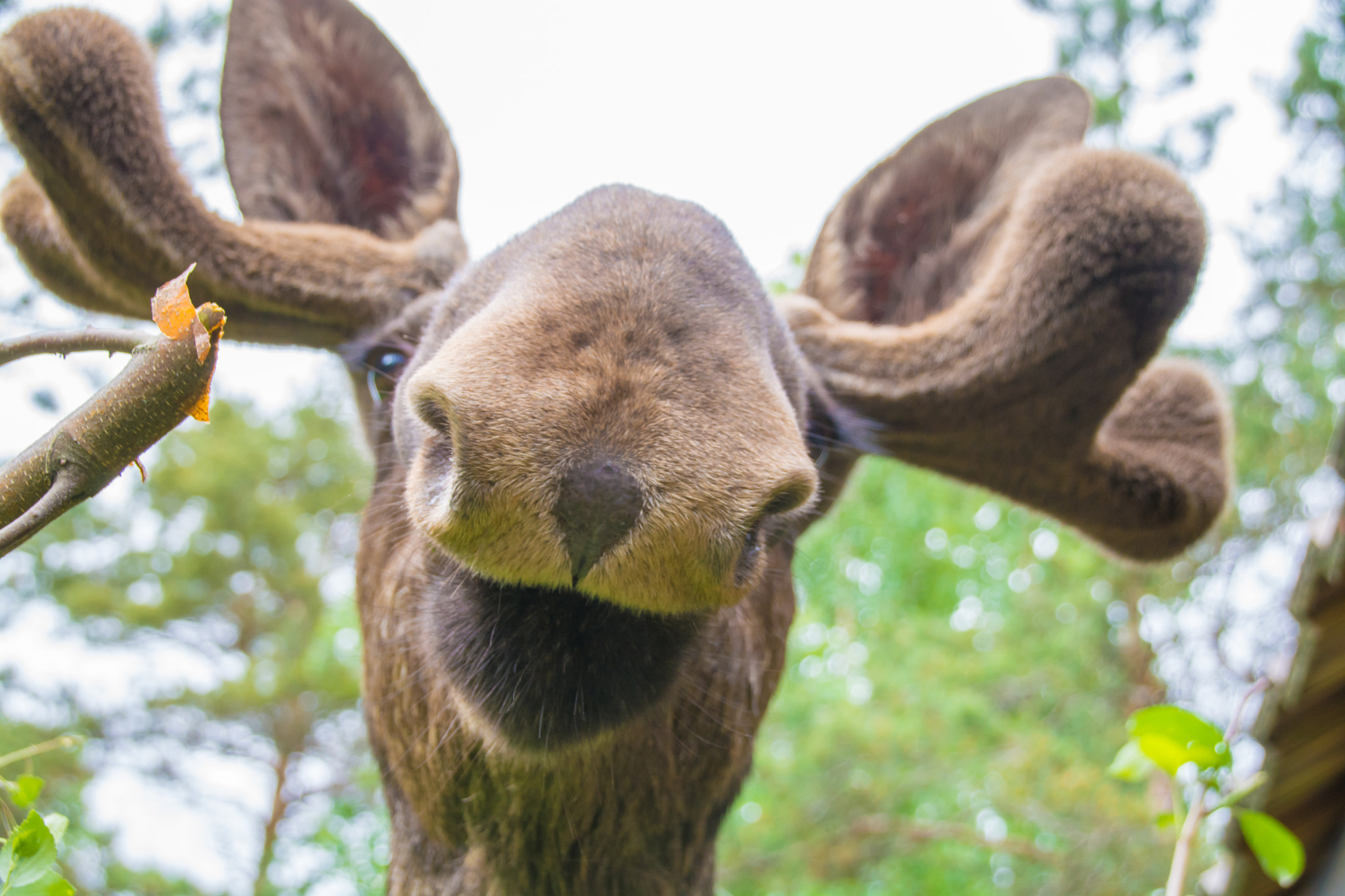
A new reference genome for European moose (Alces alces alces) keeps much of the DNA inherited from the animal’s two parents separate instead of collapsing both chromosome copies into one consensus sequence. The bioRxiv preprint, posted on 8 July 2026, describes the most complete European moose genome assembly reported so far.
The reference was built from a male from southeastern Norway using PacBio HiFi long reads and Hi-C data, which help place DNA sequences on chromosomes. The result is haplotype-resolved: the two inherited versions of the chromosome set are represented separately as pseudo-haplotypes. Because DNA from the parents was not used to assign parent of origin, pseudo-haplotype 1 and 2 should not be read as specifically maternal and paternal sets.
Two chromosome-scale sequence sets
The two pseudo-haplotypes span about 3,148 and 3,112 megabases — just over three billion DNA base pairs each. Both contain 33 autosomes, while the X and Y chromosomes are included in the first pseudo-haplotype. Across the two representations, the assembly therefore contains 68 chromosome sequences in total.
Scaffold N50 values were 66.8 and 60.8 megabases, meaning that half of each assembly is contained in scaffolds at least that long. BUSCO recovered 98.3% of the expected conserved genes in the first pseudo-haplotype and 95.7% in the second, indicating that both reconstructed chromosome sets contain most of the expected gene content.
Why separating the two haplotype copies matters
A chromosome-level, haplotype-resolved reference gives future studies a clearer map for locating genetic variants and comparing individuals or populations. Keeping the two parental copies separate also preserves variation that can disappear when both copies are blended into one reference sequence.
The assembly comes from one male and does not measure genetic diversity across Norwegian, Scandinavian or other moose populations. Population-level questions still require DNA from many animals aligned to the reference. The authors present the genome as a resource for that work, including studies of population structure, genetic variation and genomic regions associated with biological traits.
The manuscript is a preprint and has not yet undergone peer review, so methods or conclusions may change before journal publication.
Genetics & genomics
Related news
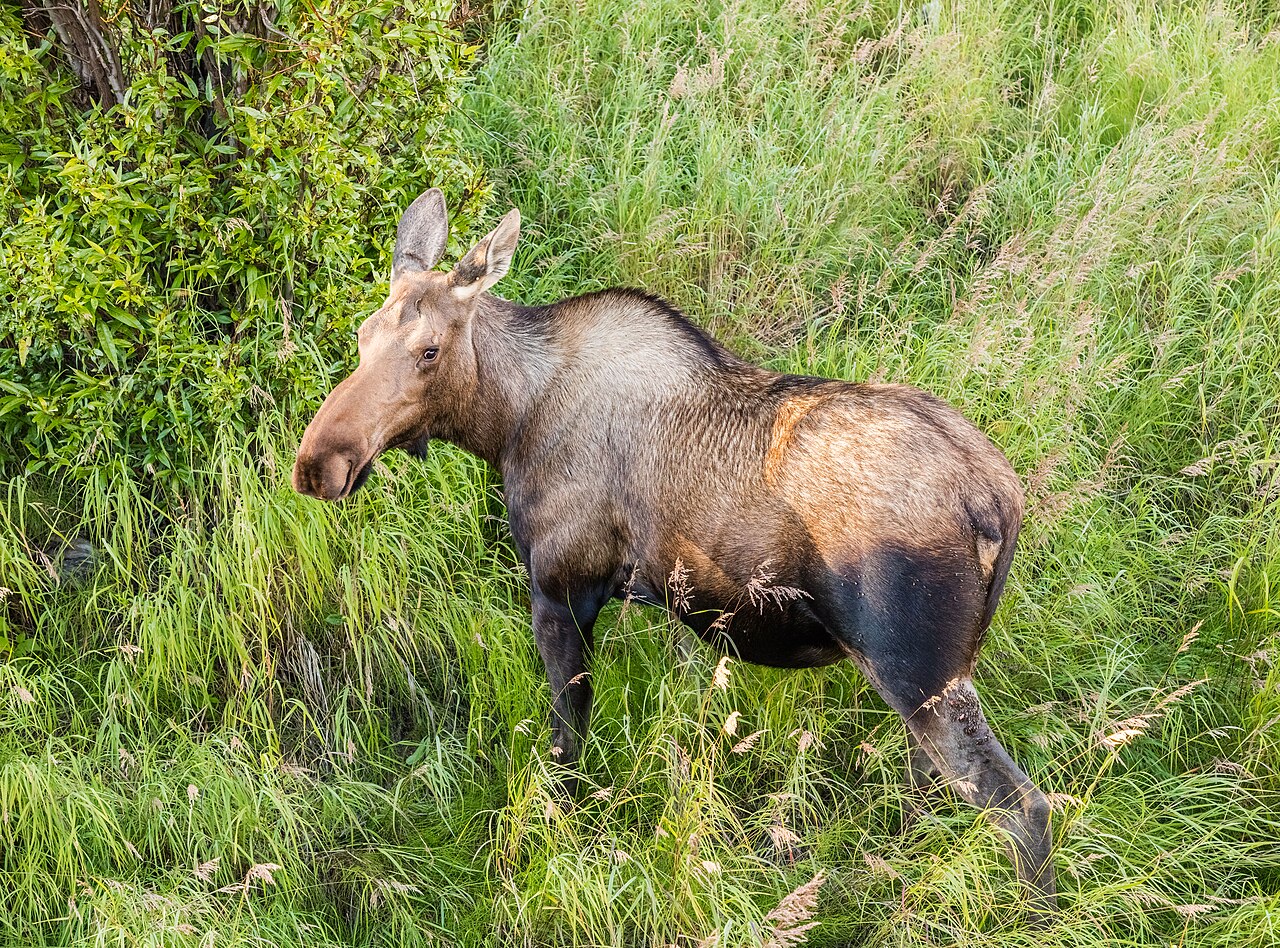
Arctic Moose Follow the River Valleys
GPS tracking in Alaska showed that half of 24 female moose migrated between summer and winter ranges. Migrants…
Read story →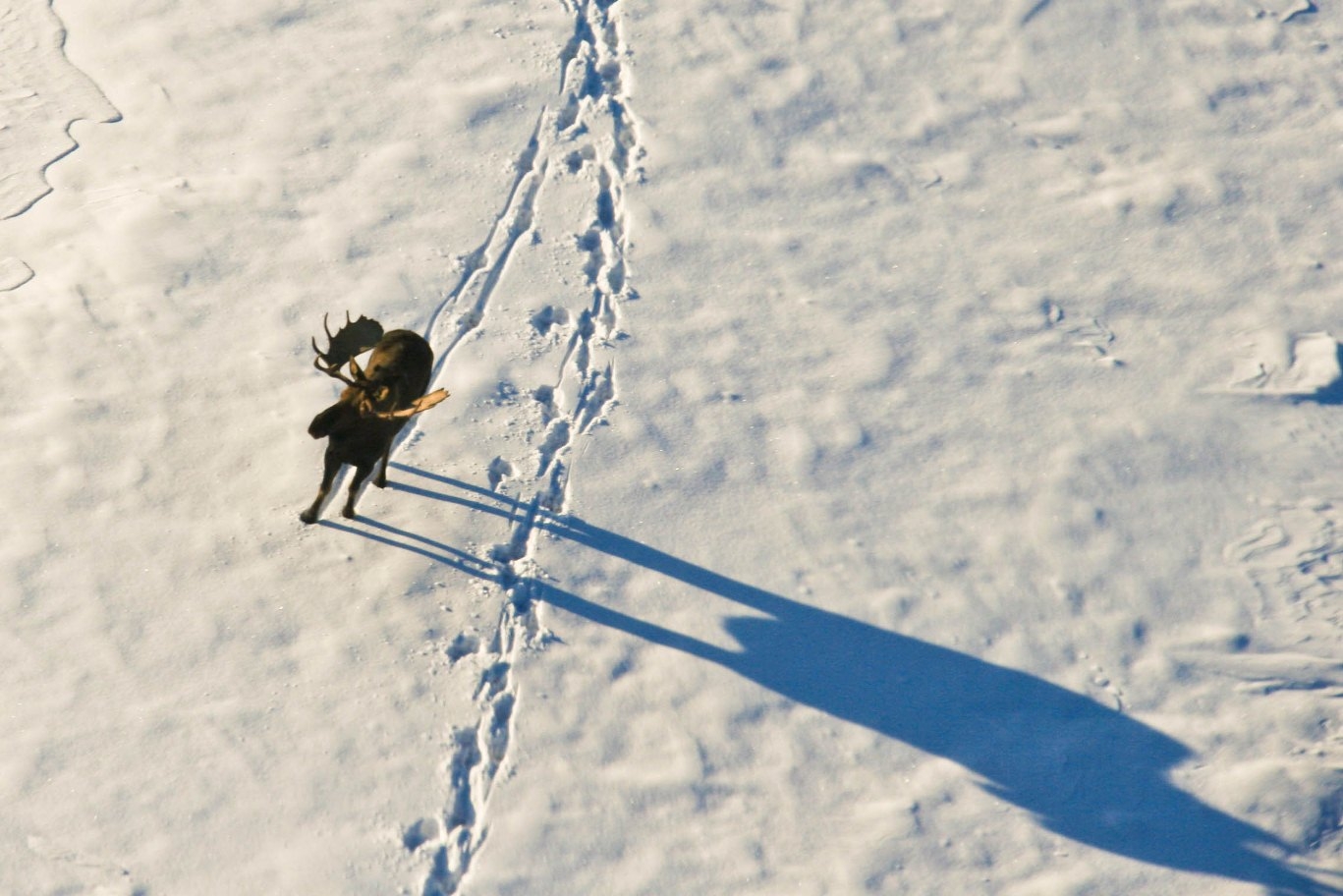
Thermal Drones Found Nearly All Moose in Favourable Winter Weather
Swedish trials found detection close to 100% in cold, overcast winter conditions, but the survey effort needed for…
Read story →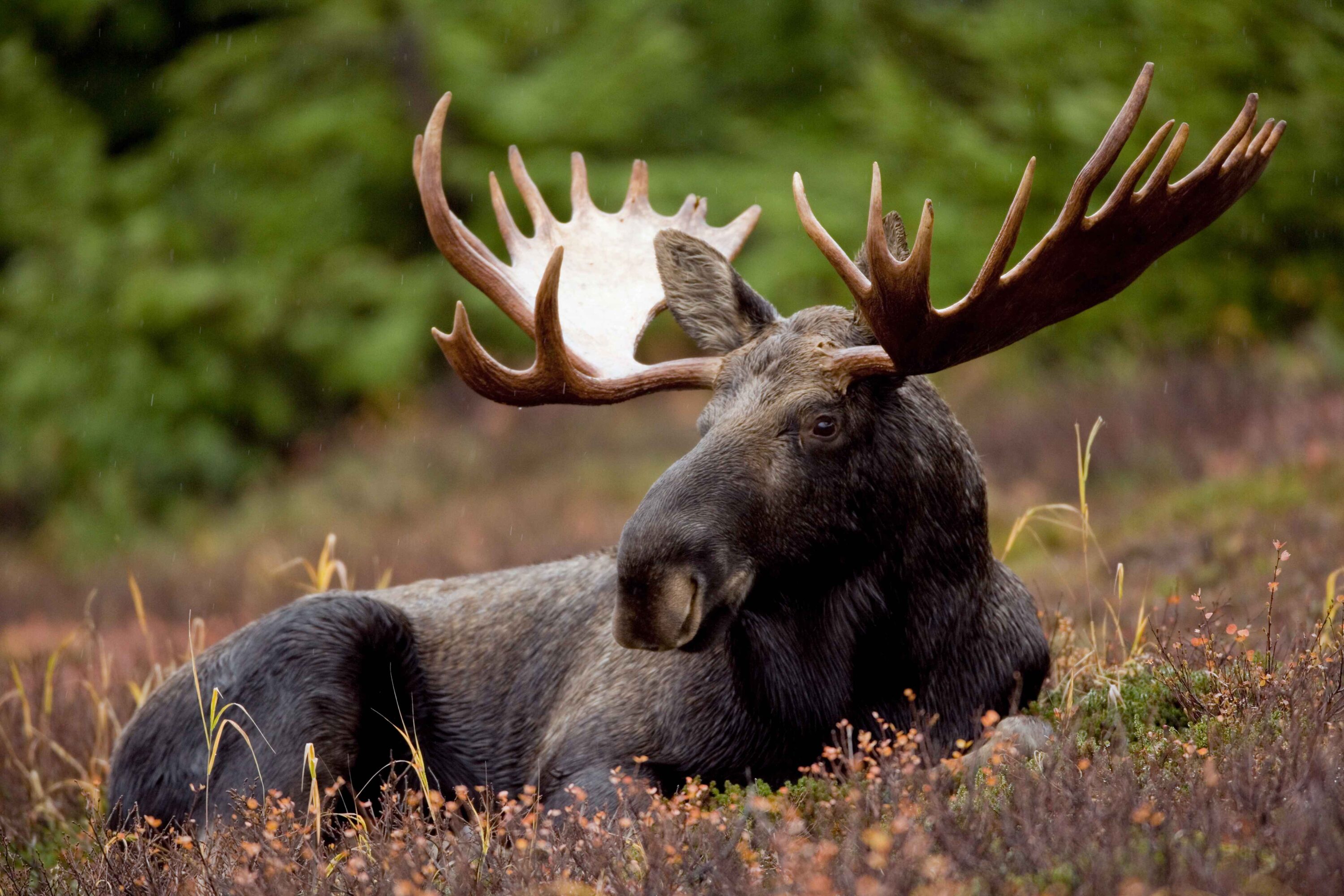
Even Adirondack Park’s Densest Moose Area Was Too Sparse for Precise Aerial Estimates
Helicopter surveys estimated about 92 moose in the Adirondack core in 2024 and 112 in 2025, but broad…
Read story →SPECIES IN THIS STORY
Species in this story
Independent research and conservation news archive
Did you find this information useful?
Wildlife Vagabond is independently built and maintained. Voluntary support helps cover source verification, hosting and continued work on research and conservation news.
Support Wildlife VagabondThe news archive will remain freely available.