
Common Moorhen Feathers Had the Highest PFAS Concentrations Among Three Waterbird Species
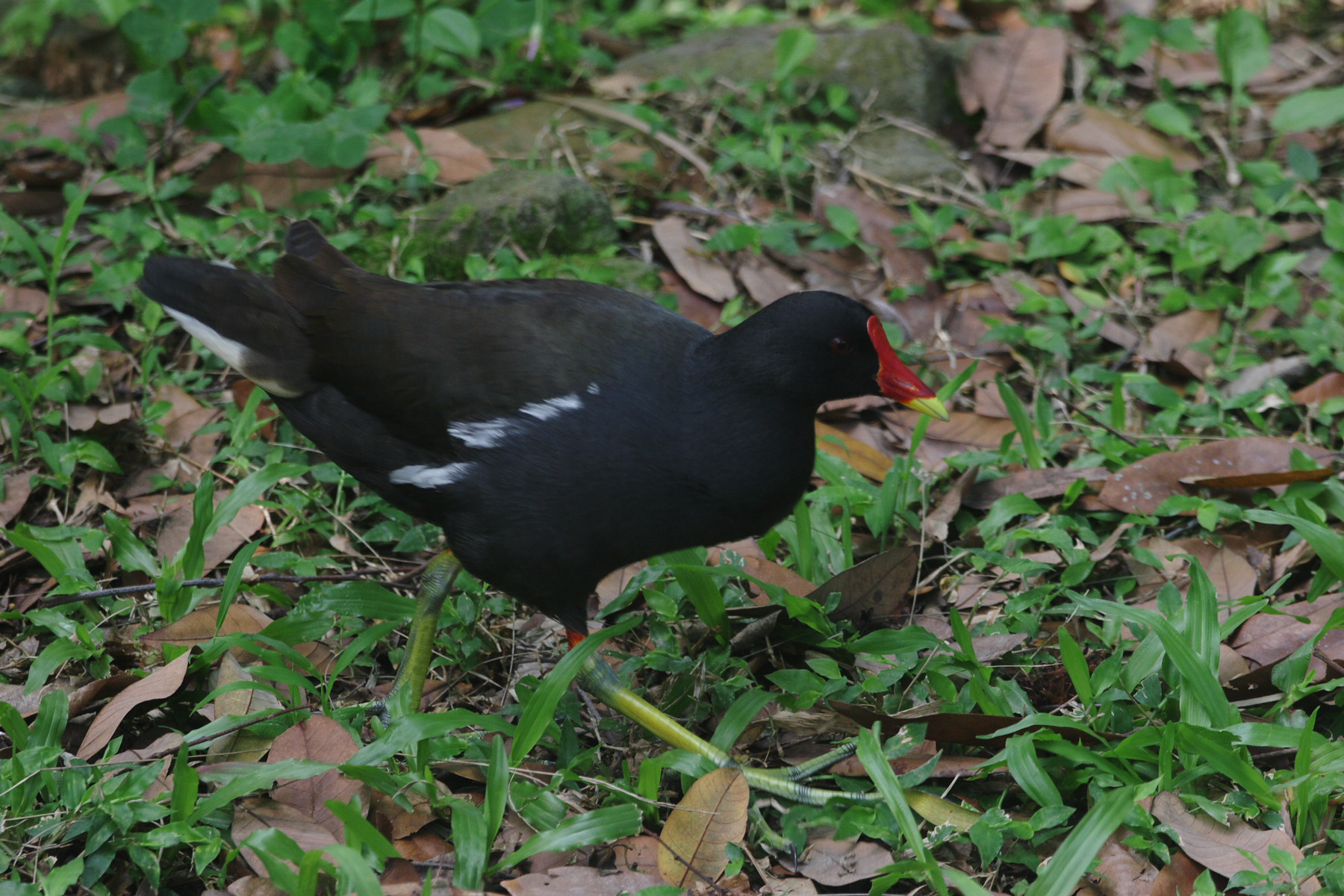
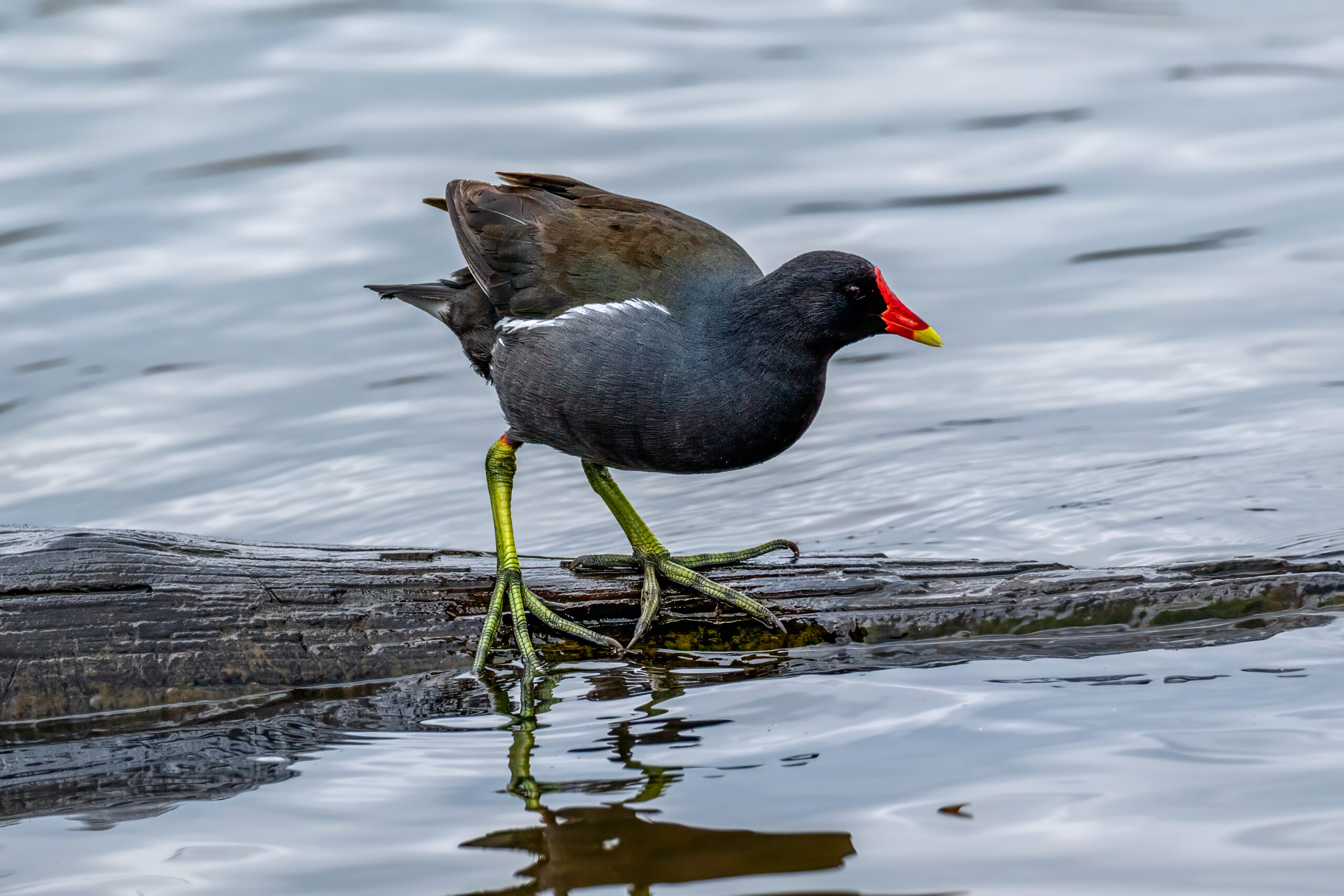
A study of waterbirds in the Huize Black-necked Crane National Nature Reserve in southwestern China found the highest average PFAS concentrations in feathers from common moorhens (Gallinula chloropus). The study, published online on 26 February 2026 in Ecotoxicology and Environmental Safety, examined simultaneous exposure to per- and polyfluoroalkyl substances (PFAS) and mercury in three waterbird species.
The researchers analysed 141 feather samples from common moorhens, black-necked cranes (Grus nigricollis) and ruddy shelducks (Tadorna ferruginea). Feathers can accumulate contaminants during growth and were used to compare pollution exposure among species living in the same protected wetland system.
Common moorhens had the highest average PFAS concentration
The three species showed different contamination patterns. Black-necked cranes had the highest average mercury concentration, at about 2.9 μg/g. Common moorhens, by contrast, had the highest average PFAS concentration, at about 192 ng/g.
Only common moorhens showed a positive mercury–PFAS correlation
Common moorhens were also the only species in which mercury and PFAS concentrations showed a statistically supported positive correlation. The authors interpret this as evidence that the two contaminant groups may partly share exposure pathways in this species.
Differences among the birds were linked to ecological traits. Trophic guild and body size were important predictors of PFAS concentrations: omnivorous species and larger individuals tended to have lower PFAS levels. Mercury concentrations were more strongly associated with foraging ecology and aquatic dietary pathways than with body size.
Substantial exposure to both contaminant groups was therefore documented within a protected wetland, with feather concentrations and contaminant patterns differing markedly among the three waterbird species.
Threats
Related news
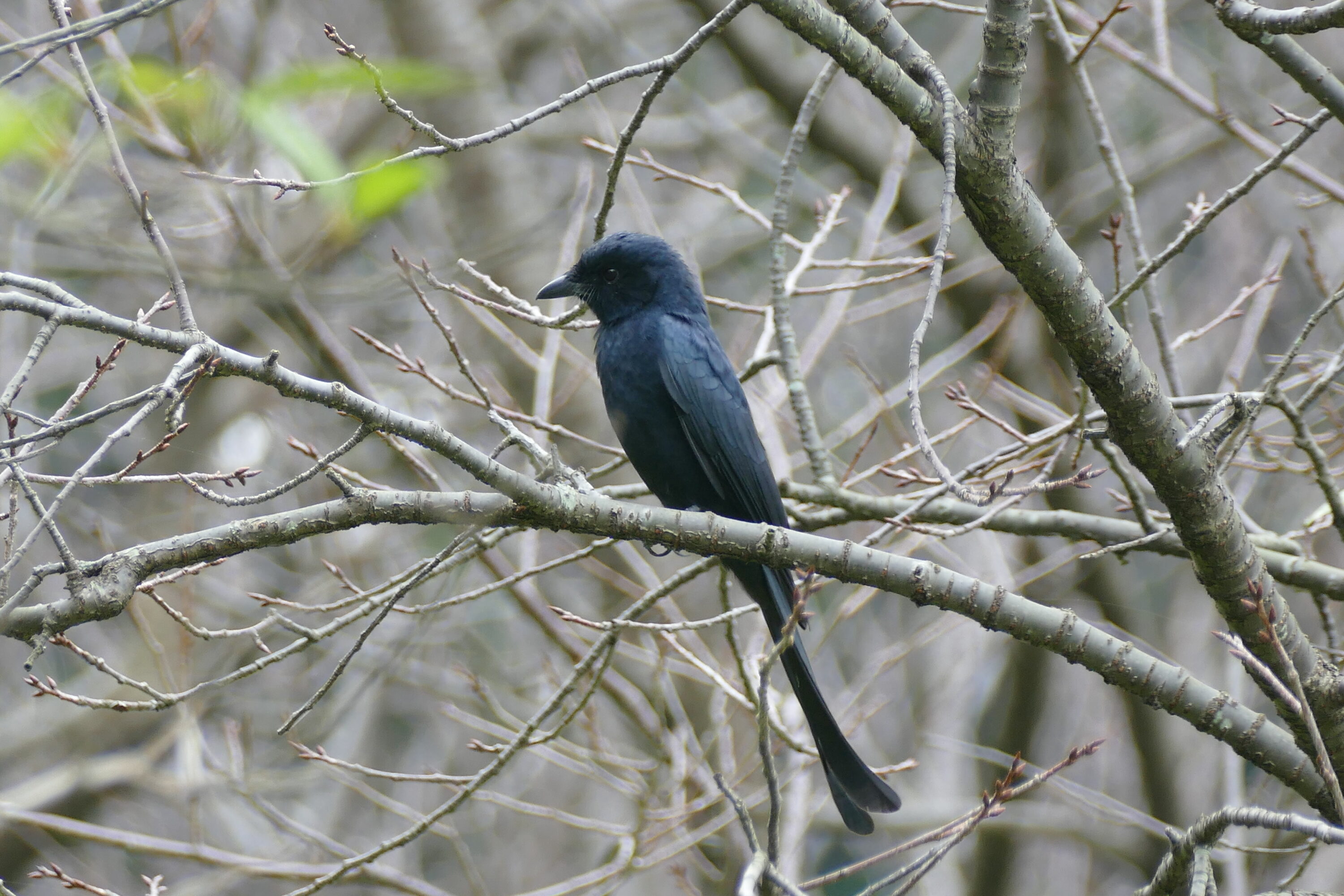
114,357 ha of Taiwan Farmland Was Modelled as Suitable for Four Bird Species
Suitable habitat for black drongo, common moorhen, zitting cisticola and scaly-breasted munia overlapped across 114,357 hectares of Taiwan…
Read story →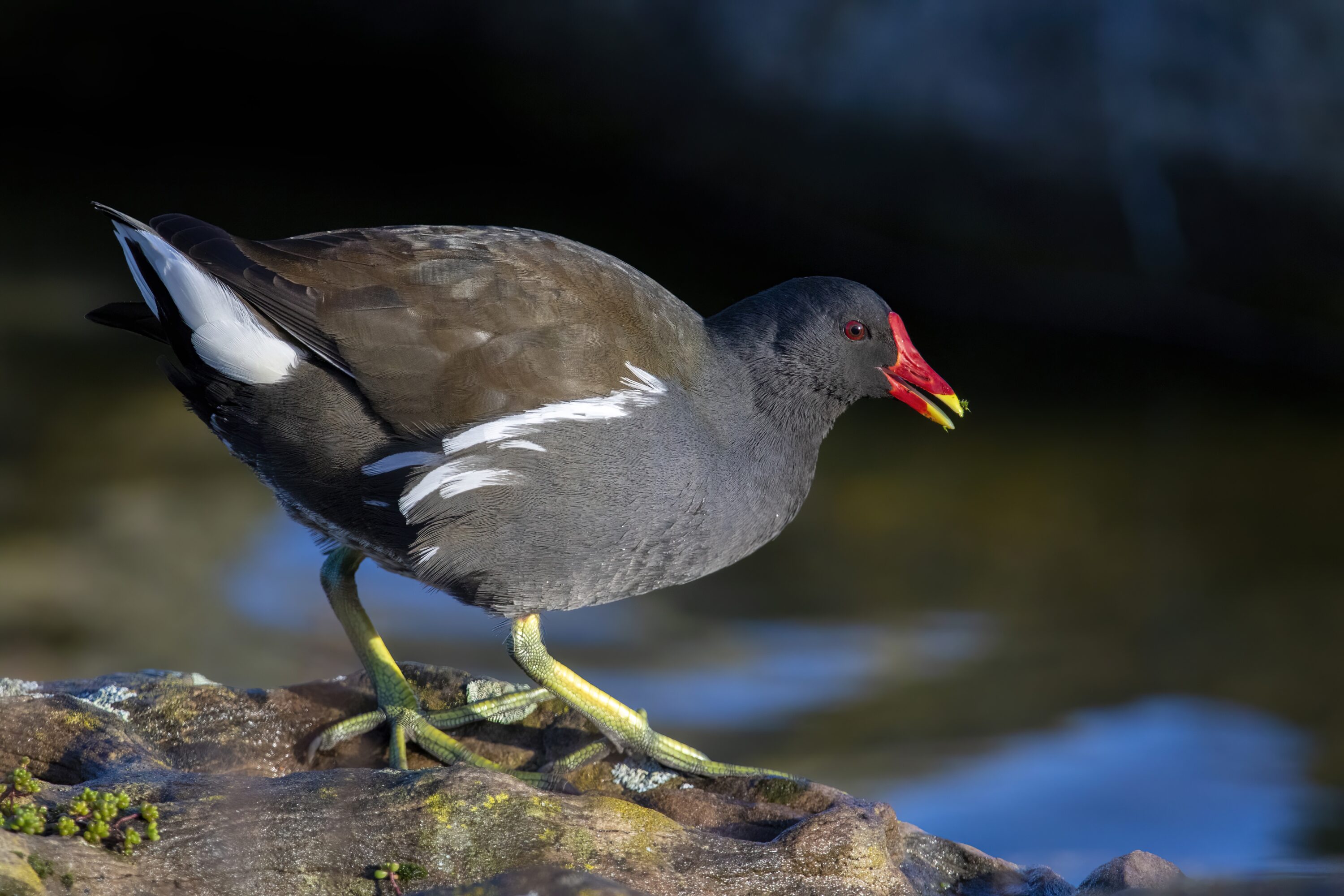
Common Moorhens See Nearly 300 Degrees Around Them Despite a Narrow Binocular Field
Common moorhens have a binocular field only about 34° wide at its maximum, but nearly 300° of combined…
Read story →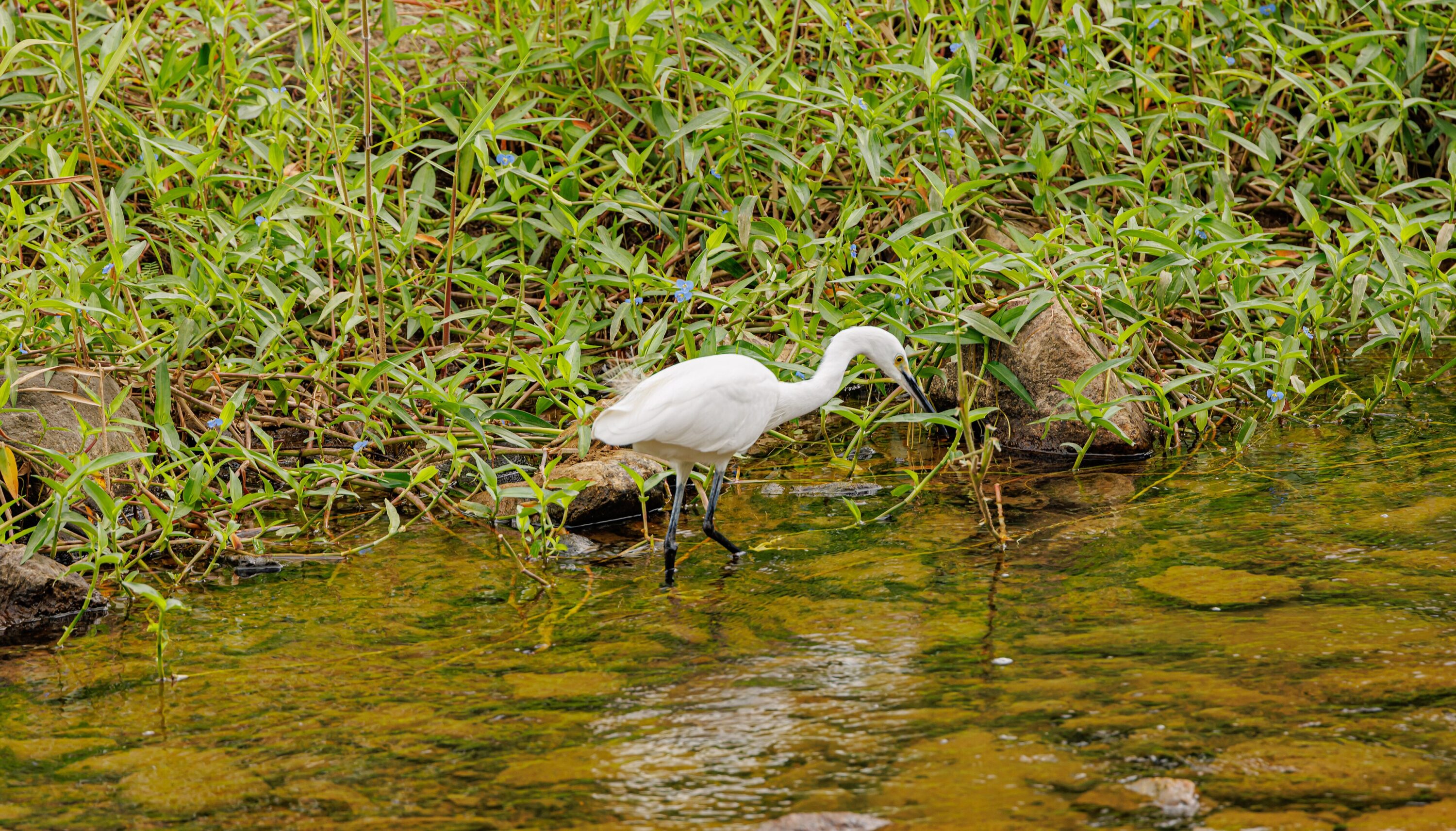
Arsenic showed the strongest bioaccumulation in little egret feathers at a Chinese plateau wetland
A 2026 study of naturally moulted feathers from 22 little egrets and two other waterbird species in China's…
Read story →SPECIES IN THIS STORY
Species in this story
Independent research and conservation news archive
Did you find this information useful?
Wildlife Vagabond is independently built and maintained. Voluntary support helps cover source verification, hosting and continued work on research and conservation news.
Support Wildlife VagabondThe news archive will remain freely available.