
Three Warblers in Catalonia Differed in Prey Choice, Prey Size and Use of Aquatic Prey
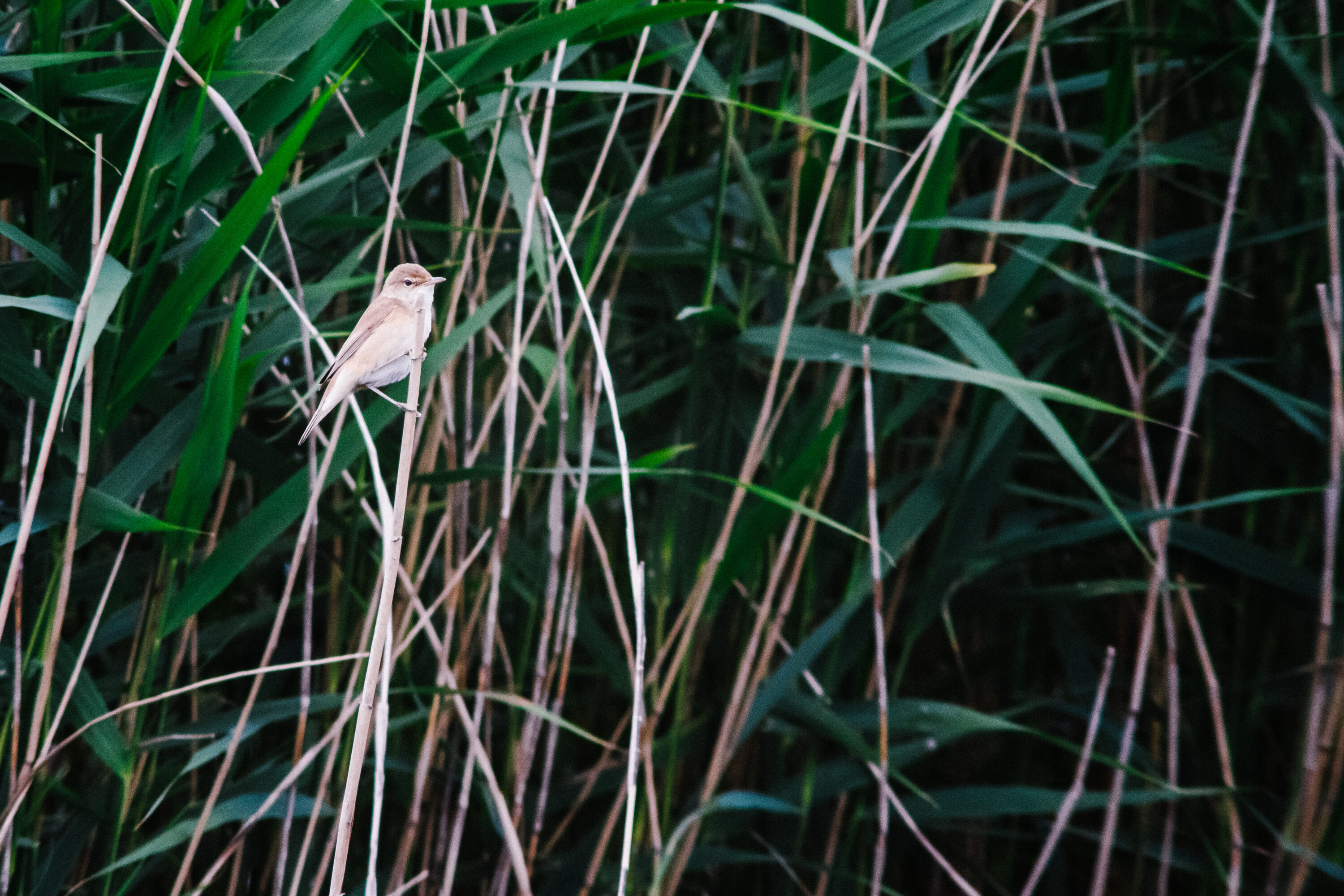
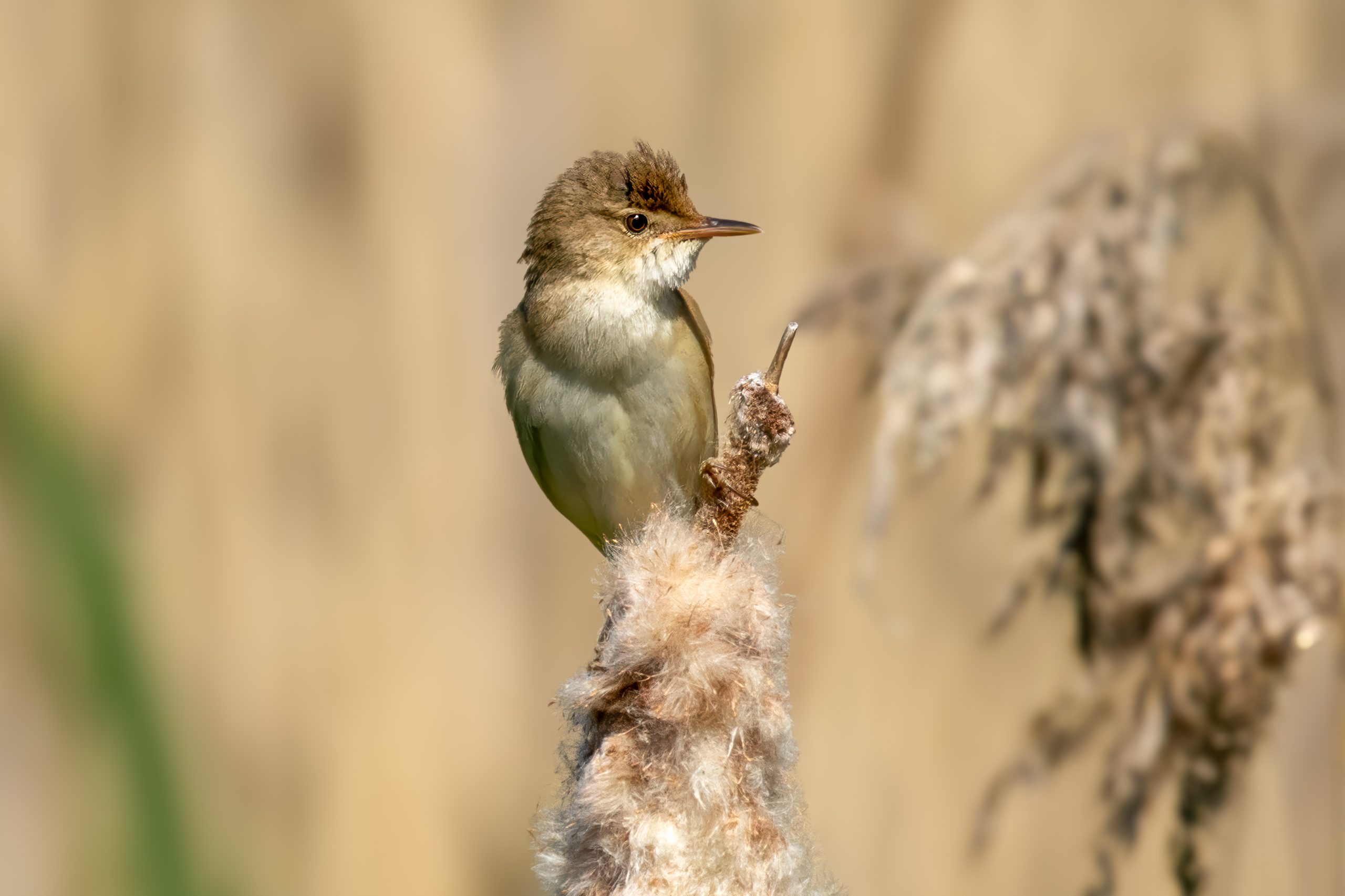
Three warblers breeding in reedbeds in Catalonia, Spain differed in the prey they ate, the size of those prey and how strongly their diets were linked to aquatic habitats. Researchers used DNA metabarcoding, which identifies prey from genetic traces in faeces, to compare Common Reed Warblers (Acrocephalus scirpaceus), Great Reed Warblers (Acrocephalus arundinaceus) and Cetti’s Warblers (Cettia cetti). The final diet dataset contained 189 samples: 137 from Common Reed Warblers and 26 from each of the other two species.
Common Reed Warblers had the highest share of aquatic prey
Aquatic prey taxa made up 37% of the prey taxa detected in Common Reed Warbler samples, compared with 17% in Cetti’s Warbler samples. Great Reed Warblers were intermediate at 29% and did not differ significantly from either species in this comparison. Chironomid midges were especially prominent in Common Reed Warbler diets, including several of their most frequently detected prey taxa.
Great Reed Warblers took larger prey
Prey taxa detected in Great Reed Warbler samples had an estimated mean body length of 16.1 mm, more than twice the 7.7 mm for Common Reed Warblers and 7.9 mm for Cetti’s Warblers. These lengths came from published body-size estimates for the identified prey taxa rather than direct measurements of prey in the faecal samples.
The three species also differed in dietary breadth. When the analysis focused on dominant prey taxa, Cetti’s Warblers had the broadest core diet, Common Reed Warblers were intermediate and Great Reed Warblers had the narrowest. Dietary overlap was greatest between Common and Great Reed Warblers and was higher than expected by chance, but the two species still differed in prey composition and prey size.
Several differences may help the species coexist
The authors conclude that the three warblers partition prey resources along several dimensions at once: prey taxonomy, prey size and the proportion of aquatic prey. Cetti’s Warblers, which use more terrestrial vegetation, had the most terrestrial diet, while the two Acrocephalus warblers overlapped more strongly in reedbed habitat and diet.
Study site also affected prey size and the proportion of aquatic prey, so the authors note that local prey communities and microhabitat use may contribute to the observed differences. Sample coverage was limited, particularly for Cetti’s Warblers, and fully describing dietary niche breadth would require more sampling. Even with those limits, the study found several complementary ways in which the three species separated their diets in Catalan reedbeds.
Ecology
Related news
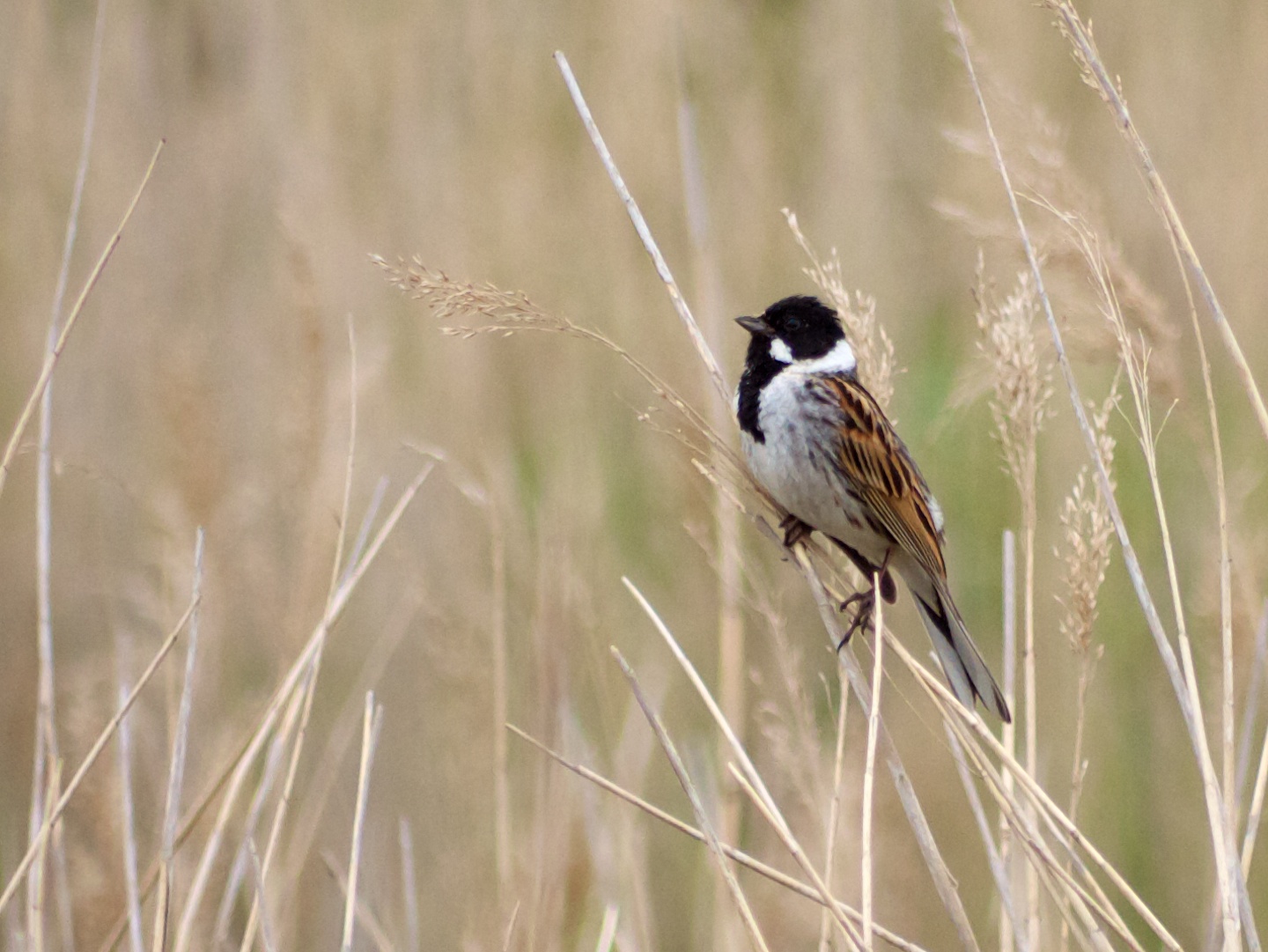
Birds Breeding in Tall Vegetation Increased as Cattail Paludiculture Developed Over Six Years
At a 10-hectare rewetted peat site in north-eastern Germany, breeding pairs that favour tall vegetation increased as cattails…
Read story →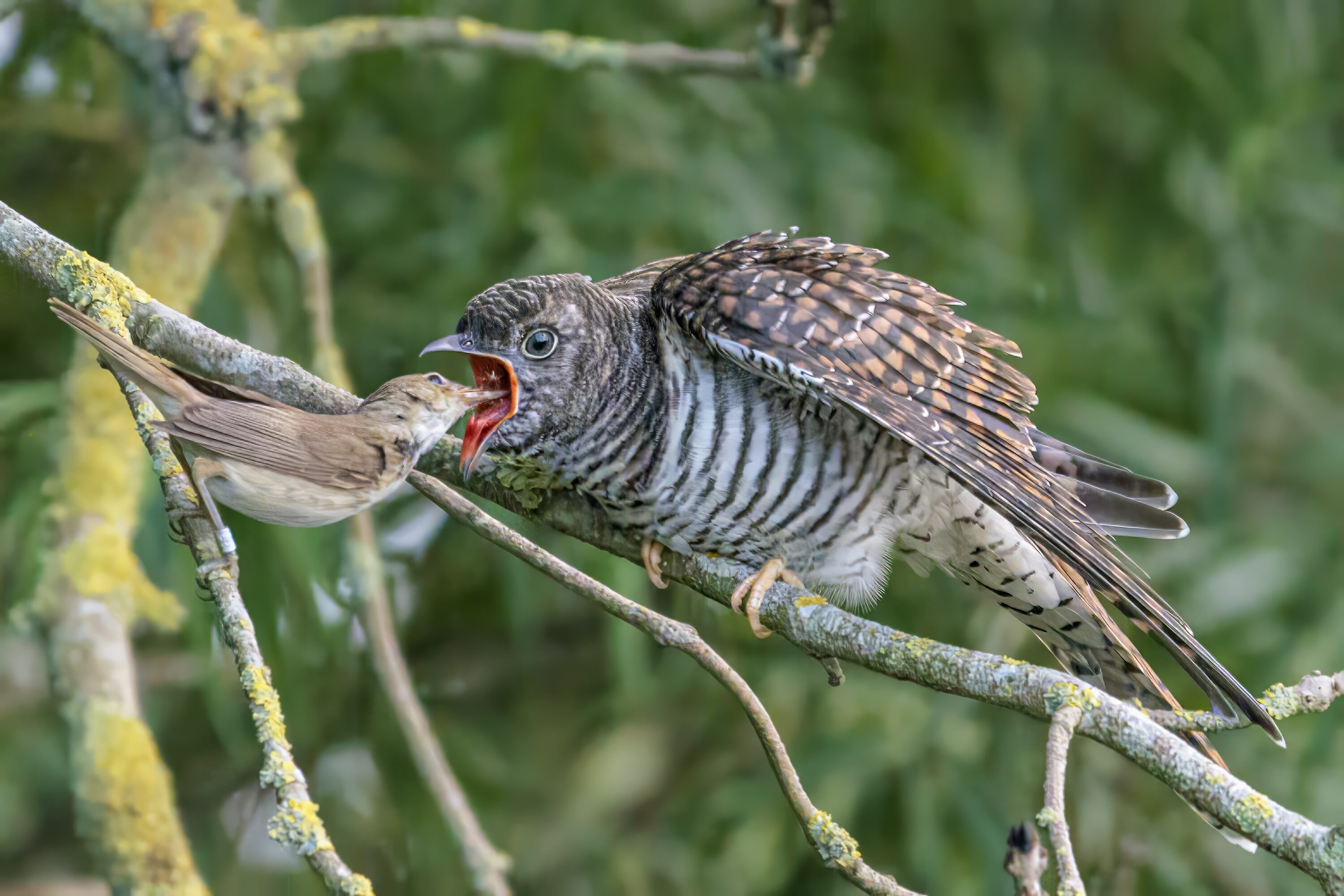
Reed Warblers Long Separated From Cuckoos Showed Weaker Host Defences
Field experiments in Finland and Sicily found weak anti-cuckoo defences in common reed warblers living outside regular cuckoo…
Read story →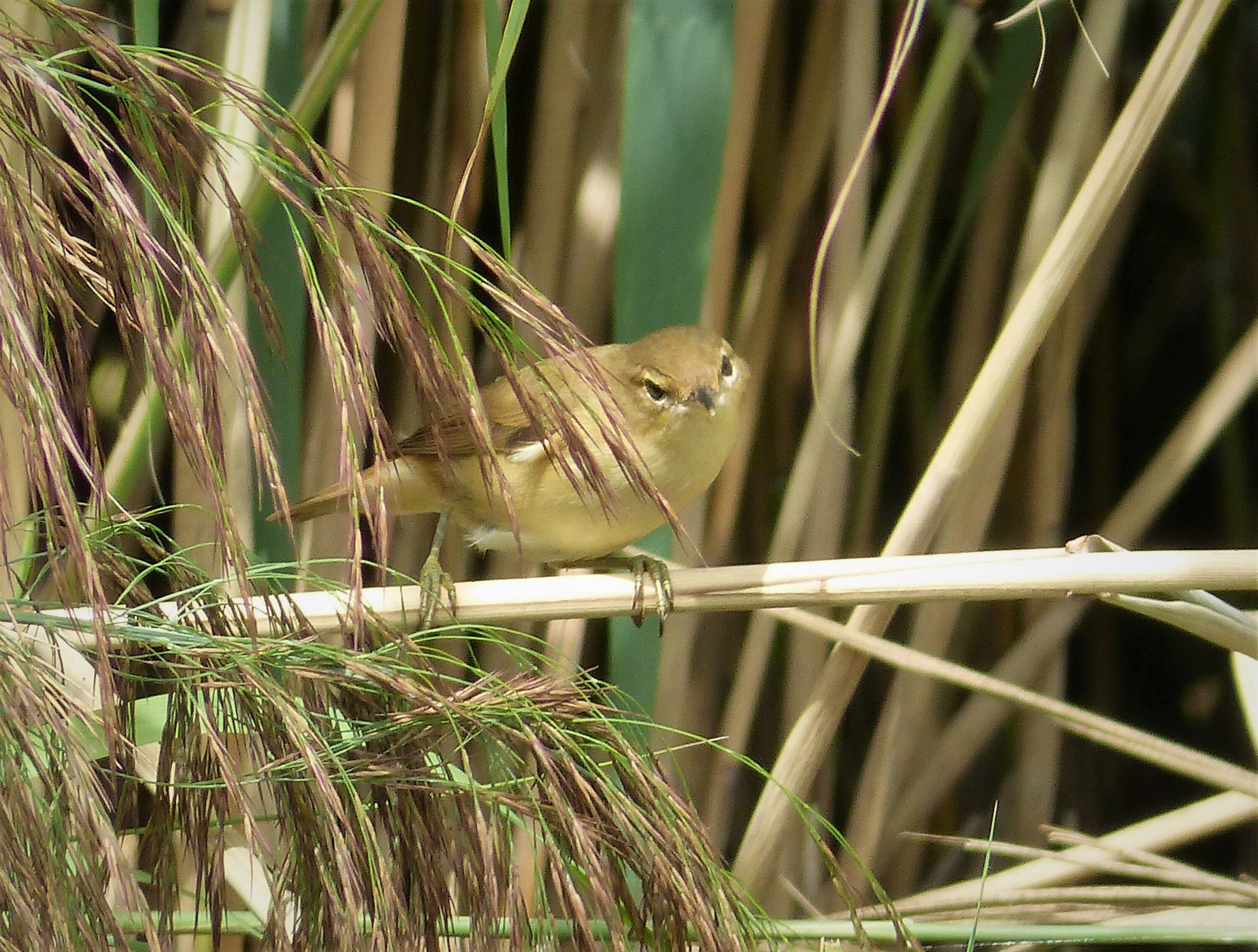
Young and Adult Common Reed Warblers Had Similar Non-Breeding Isotopic Niches
Stable-isotope measurements from feathers found broadly similar and largely overlapping non-breeding resource niches in young and adult common…
Read story →SPECIES IN THIS STORY
Species in this story
Independent research and conservation news archive
Did you find this information useful?
Wildlife Vagabond is independently built and maintained. Voluntary support helps cover source verification, hosting and continued work on research and conservation news.
Support Wildlife VagabondThe news archive will remain freely available.