
Cormorant Colony Was Estimated to Consume 4.2–32.4 Tonnes of Fish Annually at Raszyńskie Ponds
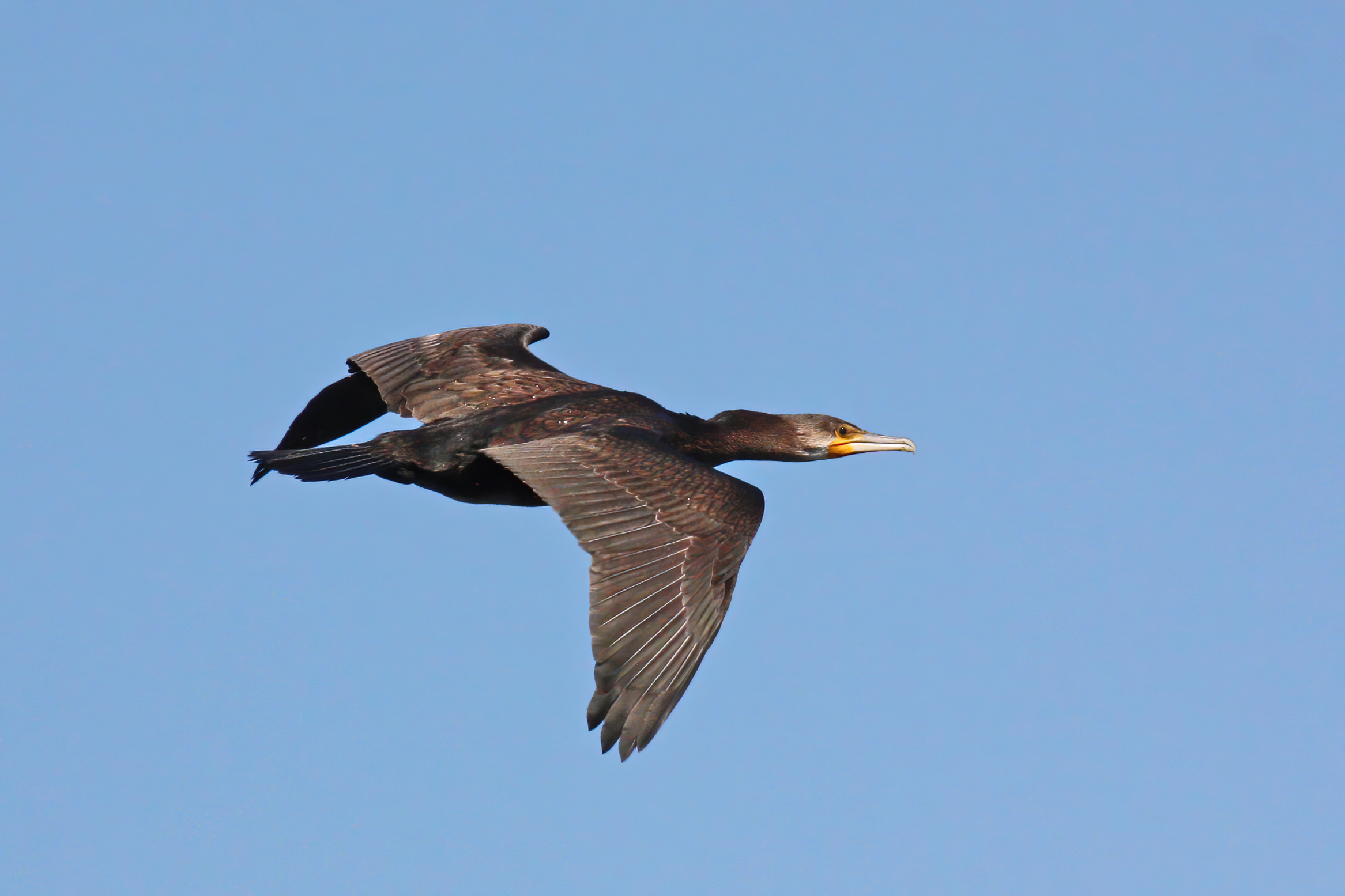
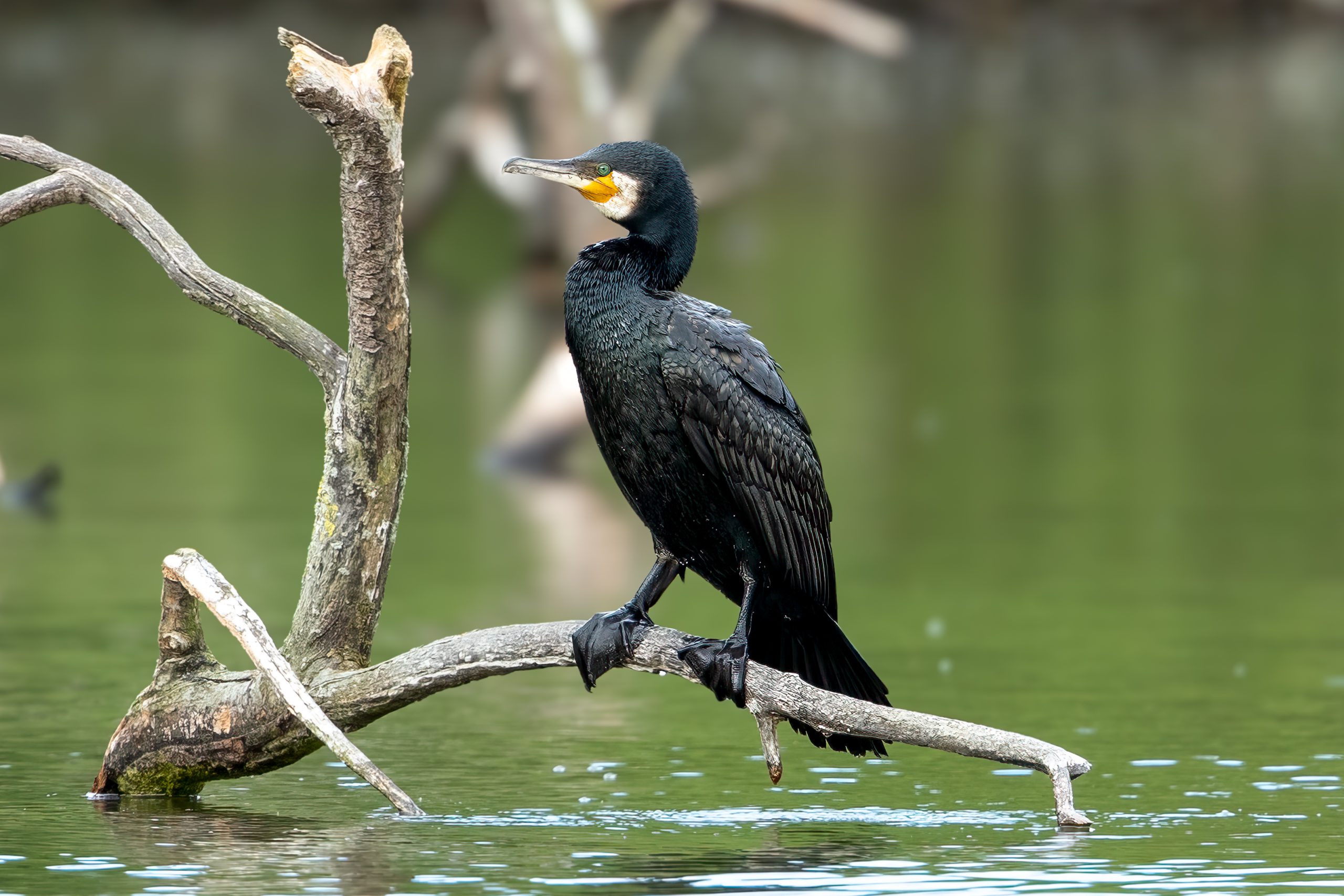
A study in the Raszyńskie Ponds Nature Reserve in central Poland estimated that the breeding great cormorant (Phalacrocorax carbo) colony consumed between 4.2 and 32.4 tonnes of fish per year during 2015–2024, depending on colony size. The reserve protects important waterbird habitat while also supporting fishponds where carp and other cyprinids account for more than 90% of annual fish production.
Researchers counted 92 occupied cormorant nests in 2024 and combined that count with colony records extending back to 1984. They also analysed 100 regurgitated pellets collected during spring and summer 2024 to identify prey and estimate fish consumption.
Eight fish species were identified
The pellets contained remains of 218 fish representing eight species. Common carp dominated the diet, accounting for 57.8% of identified prey fish and 72.5% of estimated prey biomass, reflecting the fish-production system in the ponds. Estimated prey length ranged from 10.2 to 33.6 centimetres; the largest reconstructed prey were a northern pike (Esox lucius) of 33.6 centimetres and a grass carp (Ctenopharyngodon idella) of 31.1 centimetres.
Pellets collected in spring contained significantly more fish than those collected in summer, averaging 2.5 and 2.3 fish respectively. Estimated daily biomass consumption did not differ significantly between the periods and was about 300 grams per bird in both.
Colony size drove the annual consumption estimate
Using the 2024 daily consumption estimate together with colony size in each year, the researchers calculated that total fish intake ranged from 4.2 to 32.4 tonnes per year between 2015 and 2024. For the 92 occupied nests recorded in 2024, the estimate was 20.1 tonnes. Because common carp accounted for 72.5% of estimated prey biomass, the authors estimated annual carp consumption at 3.04–23.49 tonnes, depending on colony size. These figures are modelled annual consumption estimates rather than direct measurements of all fish eaten. The study therefore describes a management tension within the reserve: the same protection that provides suitable conditions for the cormorant colony can also increase predation pressure on the fish community.
The authors argue that continued monitoring is needed to balance protection of the bird colony with conservation and management of the reserve’s fish populations. Their results provide a quantitative estimate of the scale of cormorant predation rather than treating the conflict only through observations of bird numbers.
Human–wildlife conflict
Related news
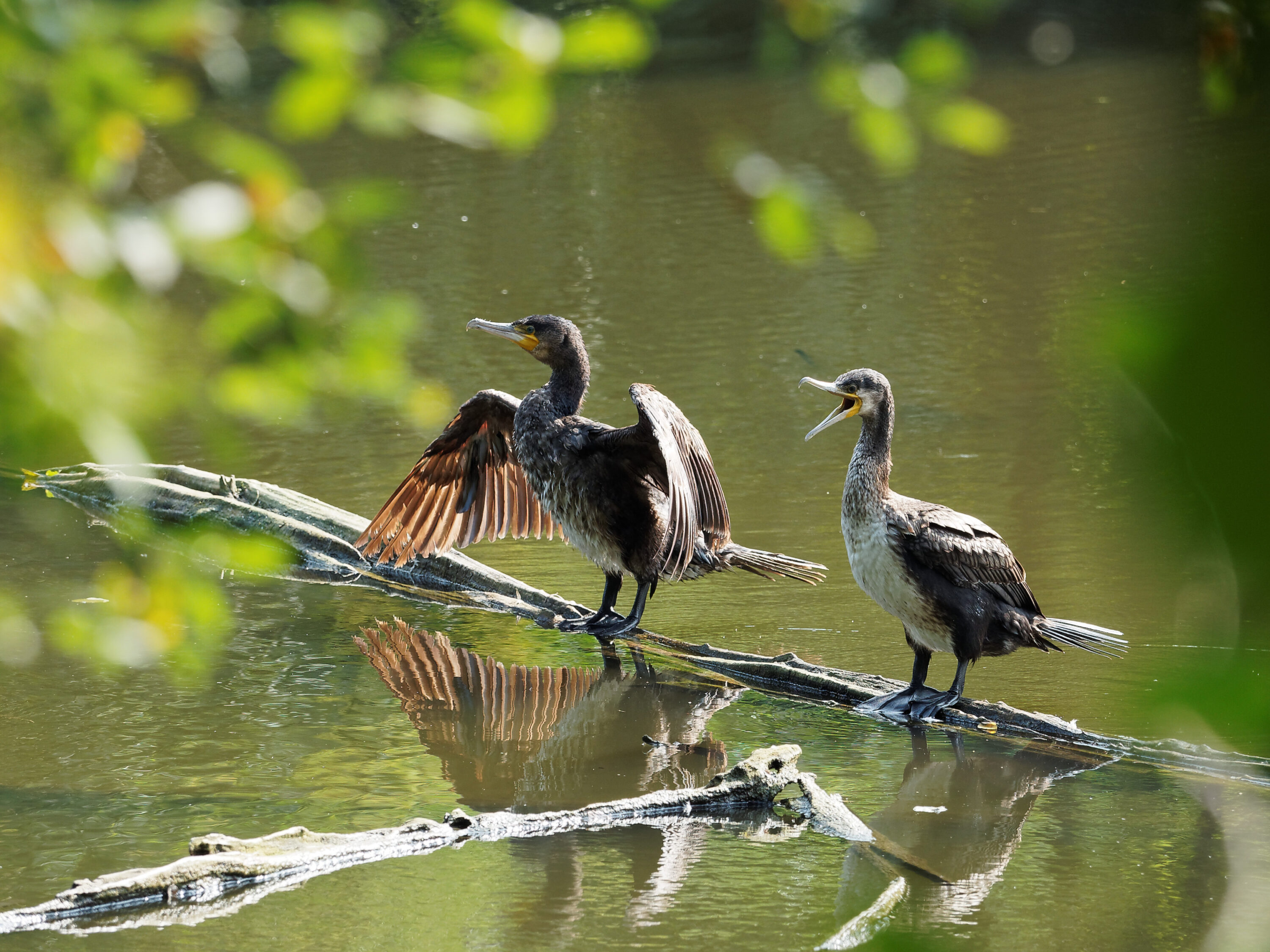
Great Cormorants Increased as Southern Baltic Diving Seabirds Stayed 40% Below Early-1990s Levels
A 35-year analysis of Polish Baltic winter surveys found strong growth in great cormorants, while the wider diving-seabird…
Read story →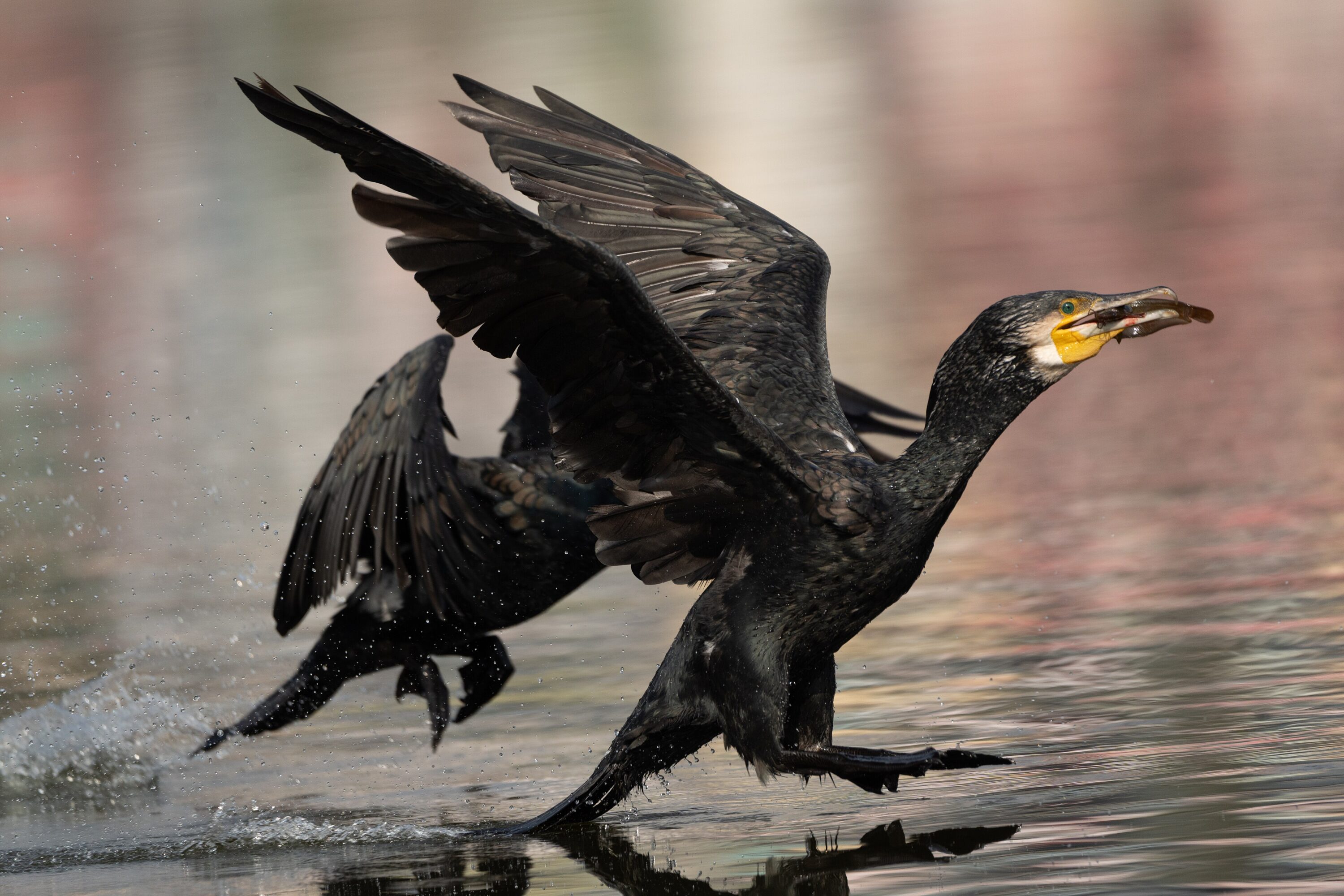
European Inventory Estimated More Than €670 Million in Annual Fish Damage From Great Cormorant Predation
A 2026 European inventory using information from more than 300 organizations estimates annual cormorant-related damage to fish stocks…
Read story →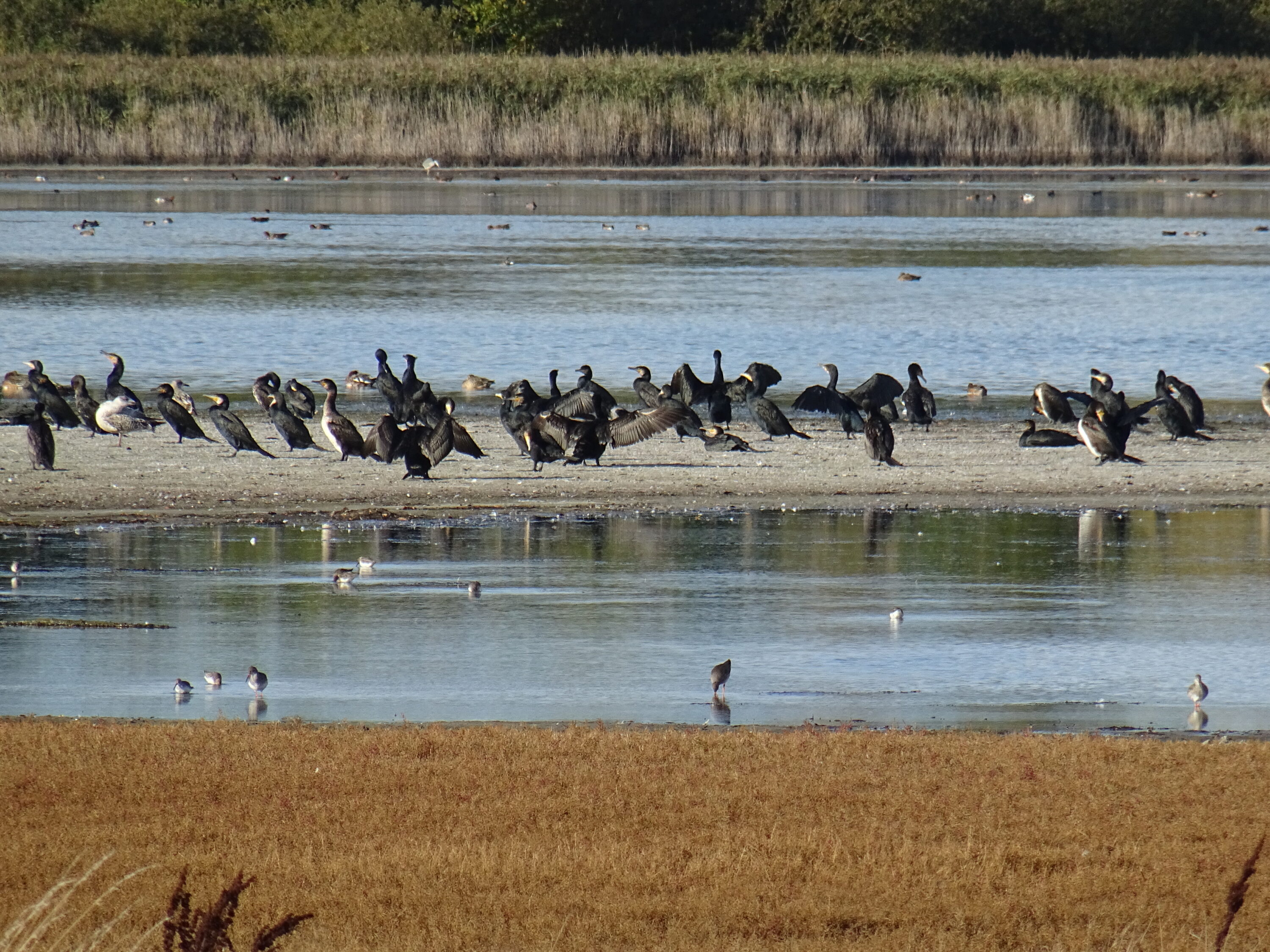
Estimated Great Cormorant Predation Reached 52–88% in Tagged Cod and 14–84% in Tagged Flounder
In Genner Bay, Denmark, a PIT-tag study estimated that great cormorants consumed 52–88% of tagged cod and 14–84%…
Read story →SPECIES IN THIS STORY
Species in this story
Independent research and conservation news archive
Did you find this information useful?
Wildlife Vagabond is independently built and maintained. Voluntary support helps cover source verification, hosting and continued work on research and conservation news.
Support Wildlife VagabondThe news archive will remain freely available.