
Crop Composition and Climate Were Linked to 51 Years of European Hare Population Change in Vojvodina
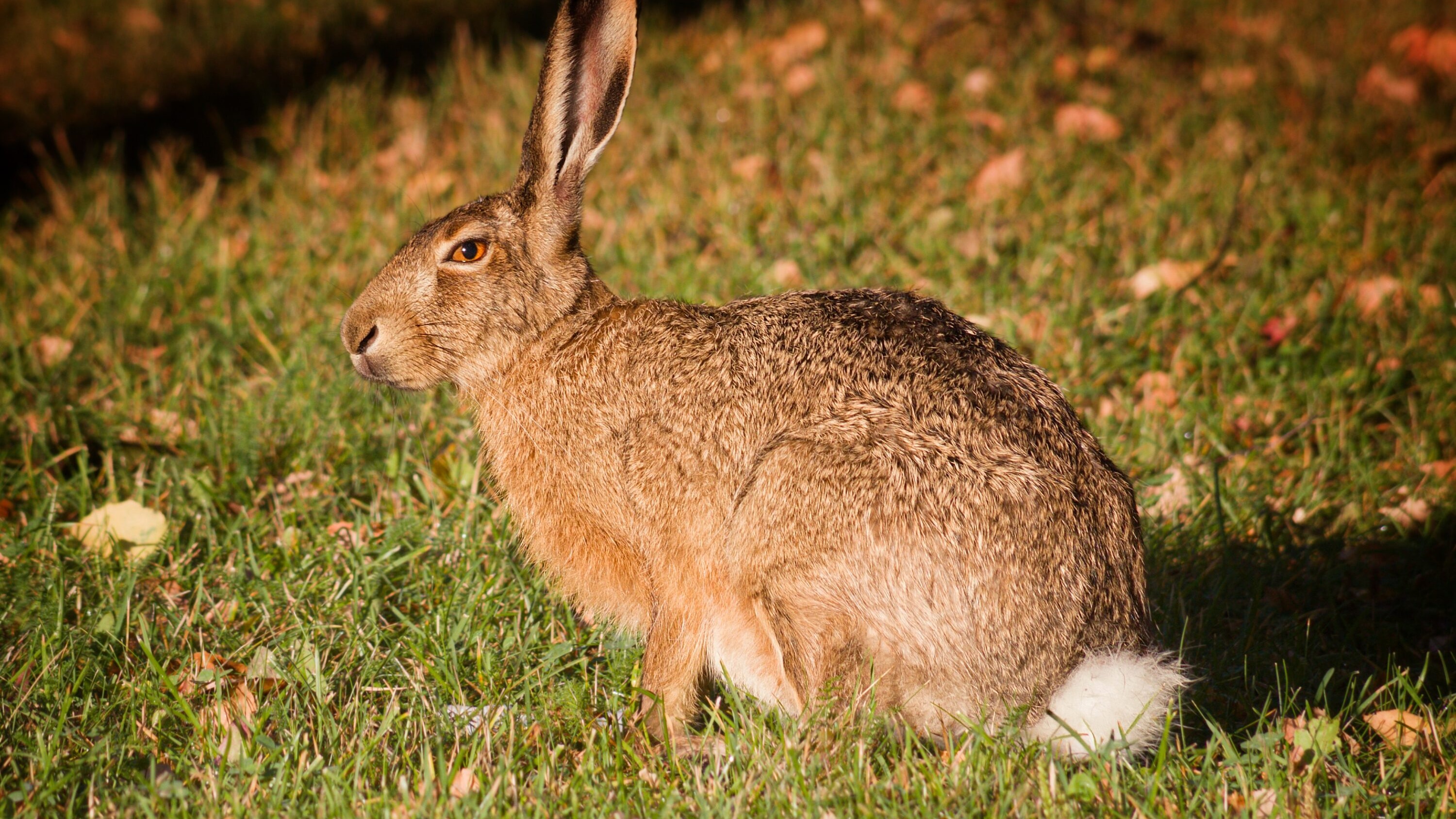
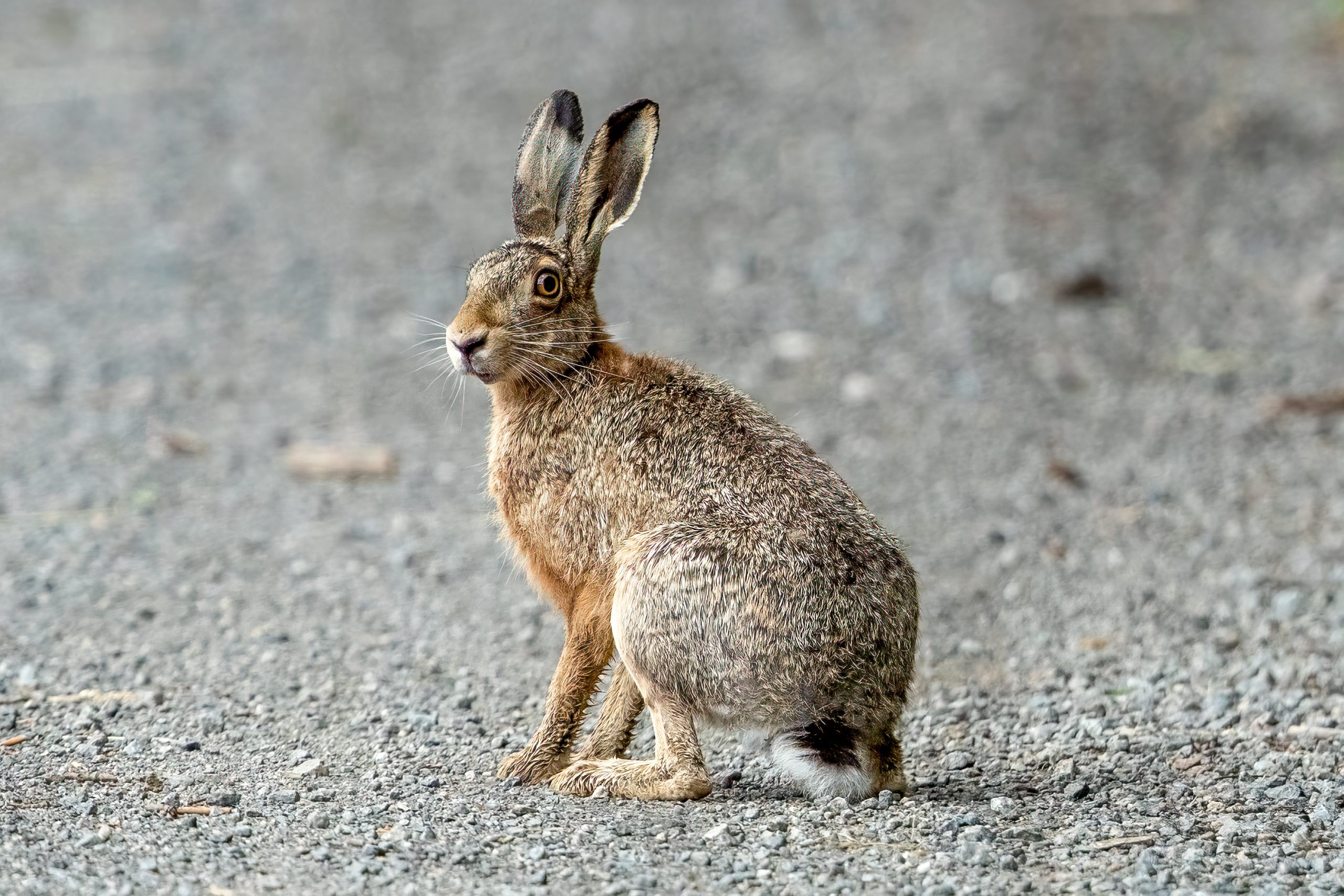
A study published in 2026 analysed 51 years of population data for European hare (Lepus europaeus) in Vojvodina, Serbia, to examine how agricultural land use, climate and red fox (Vulpes vulpes) abundance were associated with long-term population dynamics. The dataset covered 1970–2020 across 120 hunting grounds in a predominantly agricultural landscape.
After the major decline recorded in the 1960s, the spring population showed peaks at roughly ten-year intervals in 1975, 1985, 1995 and 2006. That pattern broke down after 2010, when another marked decline began; numbers recovered only slowly during the final five years of the series. The proportion of juveniles also fell sharply in recent years, dropping below 40% in both 2010 and 2014.
The agricultural landscape became more concentrated
The agricultural landscape changed substantially over the same period. Industrial crops increased from 7.5% of agricultural area to 28.6% by 2018, while several other crop categories, including meadows and root crops, declined. By 2020, cereals and industrial crops together covered about 89% of agricultural land in Vojvodina, leaving 11% for all other crop groups combined, compared with 25% in 1970. The study therefore examined hare dynamics against a background of increasingly concentrated crop composition rather than a static farmland habitat.
Crop composition and climate tracked hare numbers
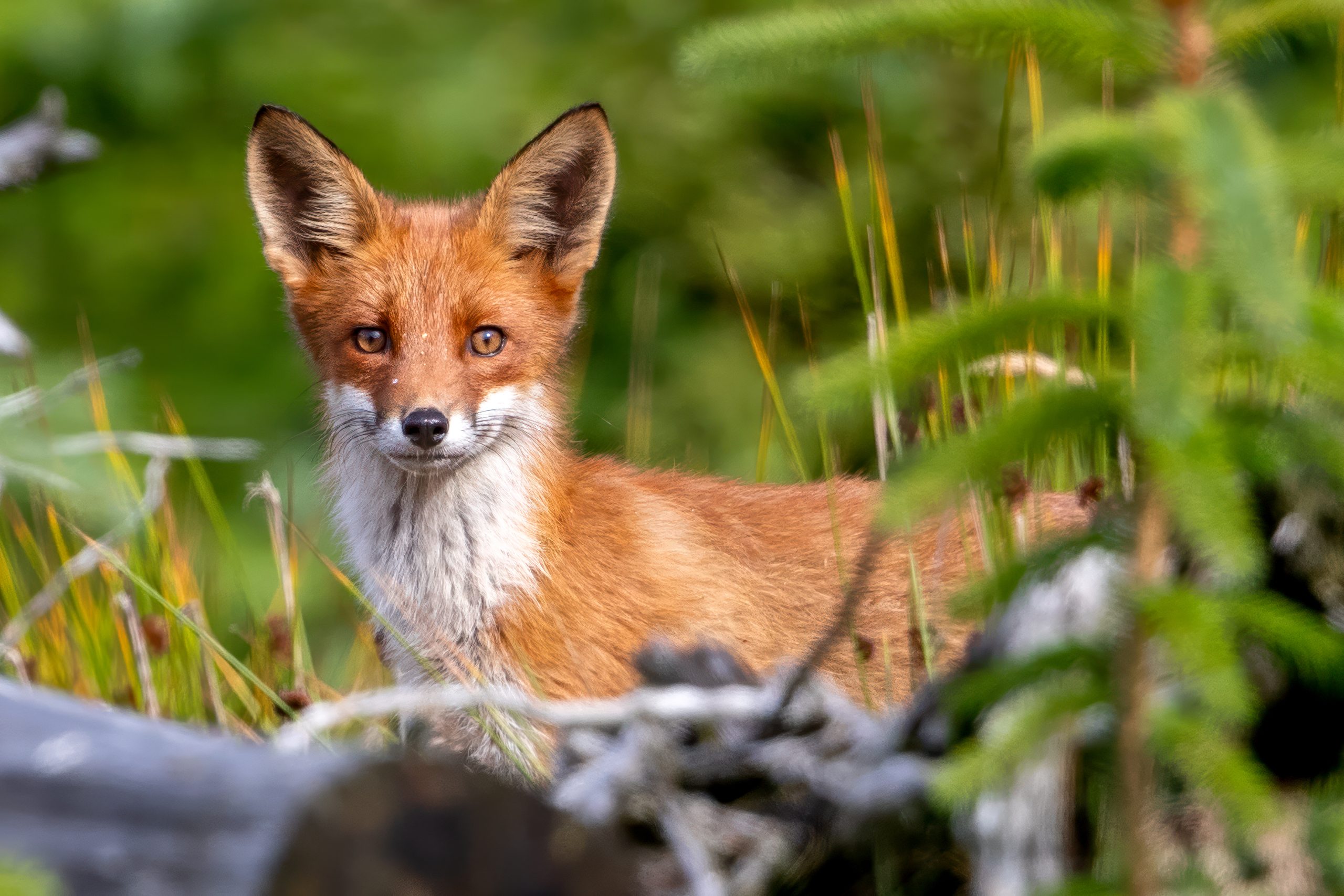
Spring hare numbers in the following year were positively associated with the proportions of cereals, industrial crops, root crops and meadows in the agricultural landscape. Winter phases of the North Atlantic Oscillation (NAO) and the East Atlantic (EA) pattern were negatively associated with hare numbers, suggesting that the effect of large-scale climate patterns in Vojvodina differed from results reported in some other parts of Europe. For the proportion of juveniles, the clearest climatic relationships were local: higher mean annual temperature and more precipitation from March to September were both associated with fewer juveniles. Extreme wet years during the main reproductive period coincided with especially low juvenile proportions — 38% in 2010 and 35.9% in 2014. At the regional scale, the study did not detect a clear negative relationship between the red fox cull index and hare population size.
The authors conclude that crop composition, climatic patterns and extreme weather events all contributed to population variation in Vojvodina. They identify habitat heterogeneity as an important factor that can provide hares with a broader range of food and shelter across the year.
Ecology
Related news
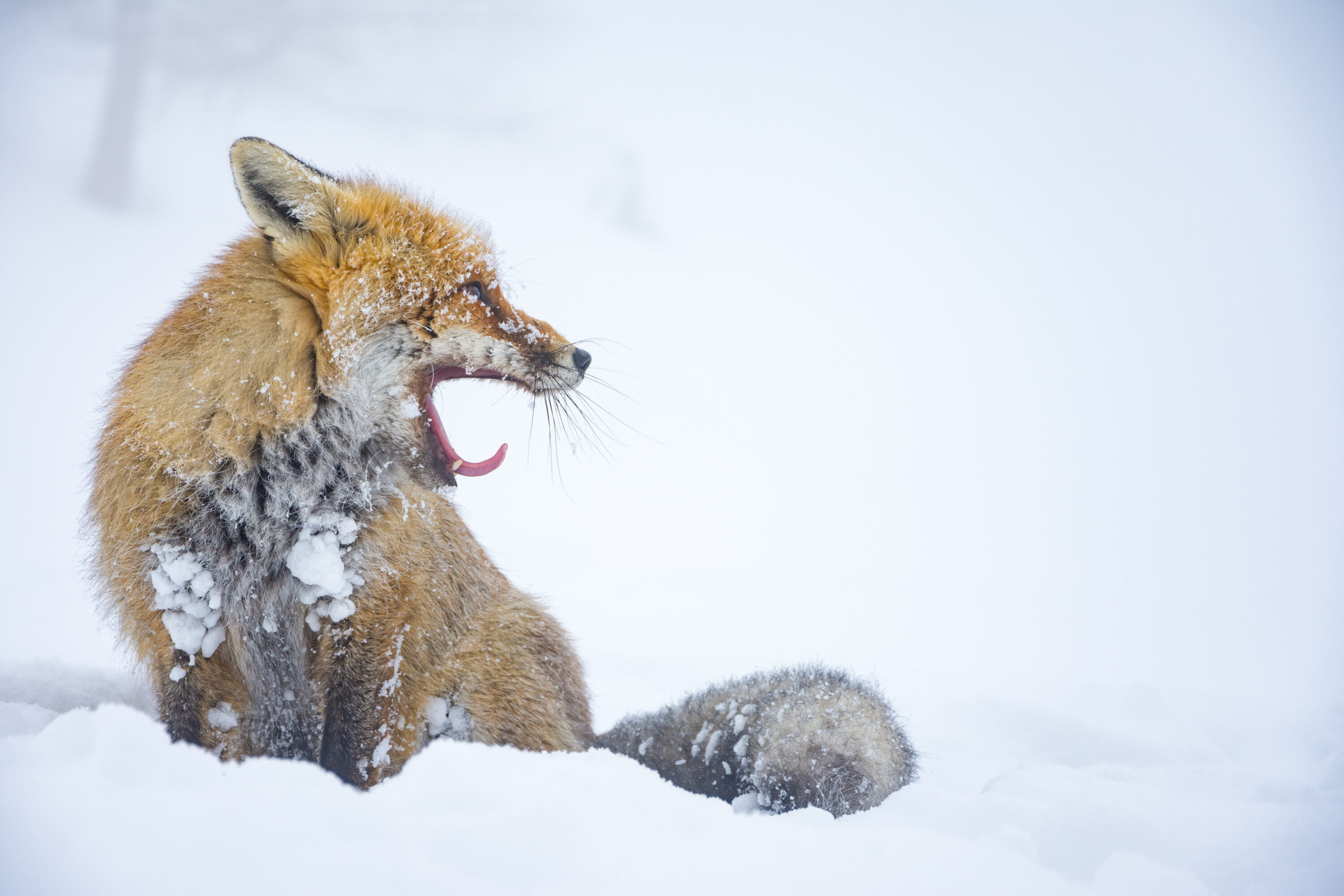
Red Fox Activity Peaks Shifted as Eastern Cottontails Became Established at Le Bine
Camera-trap data from 2013–2023 showed subtle shifts in red fox activity timing as eastern cottontails became established at…
Read story →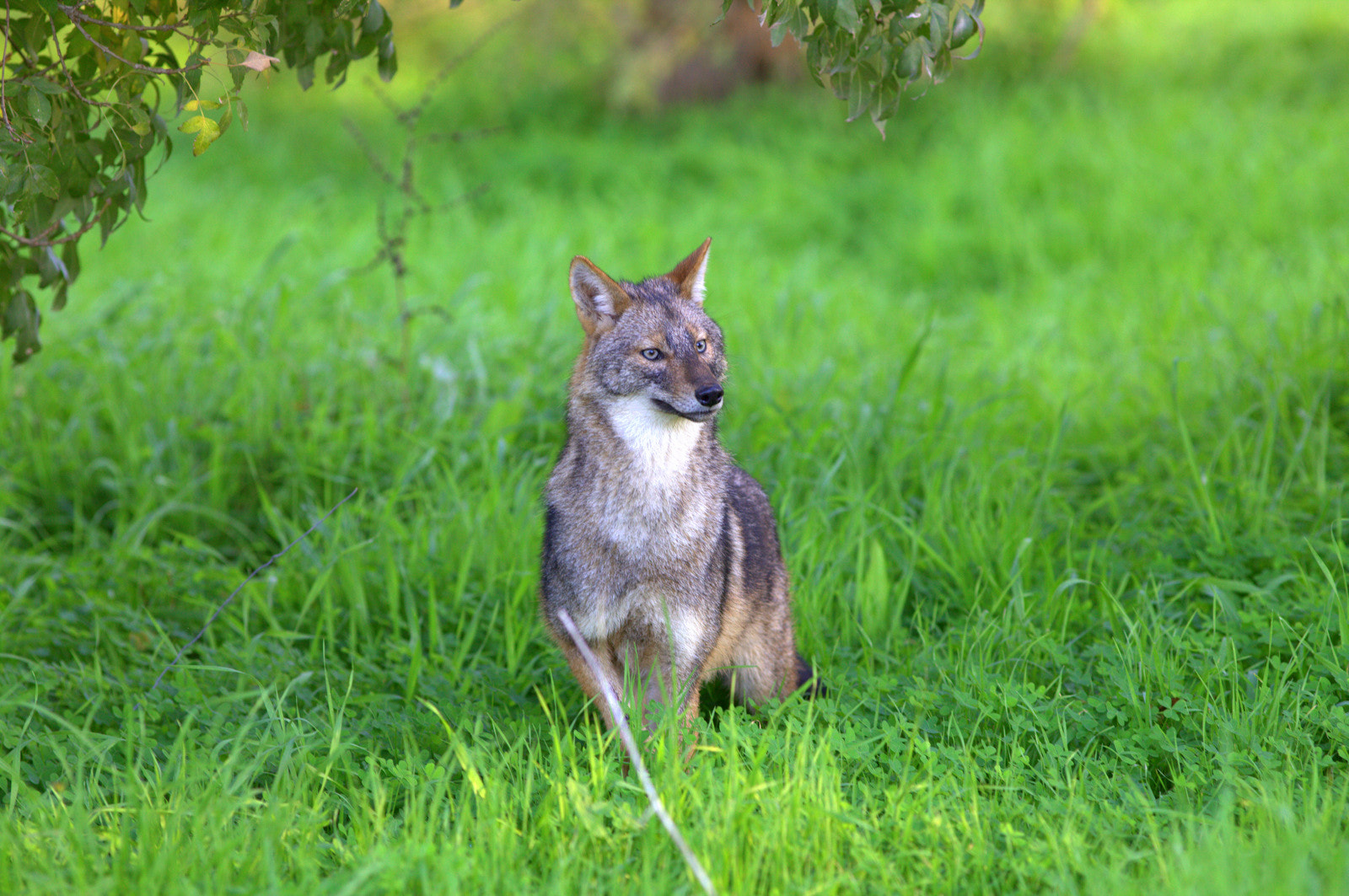
Similar Mammal Diversity, Different Activity Patterns in Grazed and Ungrazed Areas
Camera traps in four northern Israeli reserves found similar numbers of mammal species with and without livestock grazing.…
Read story →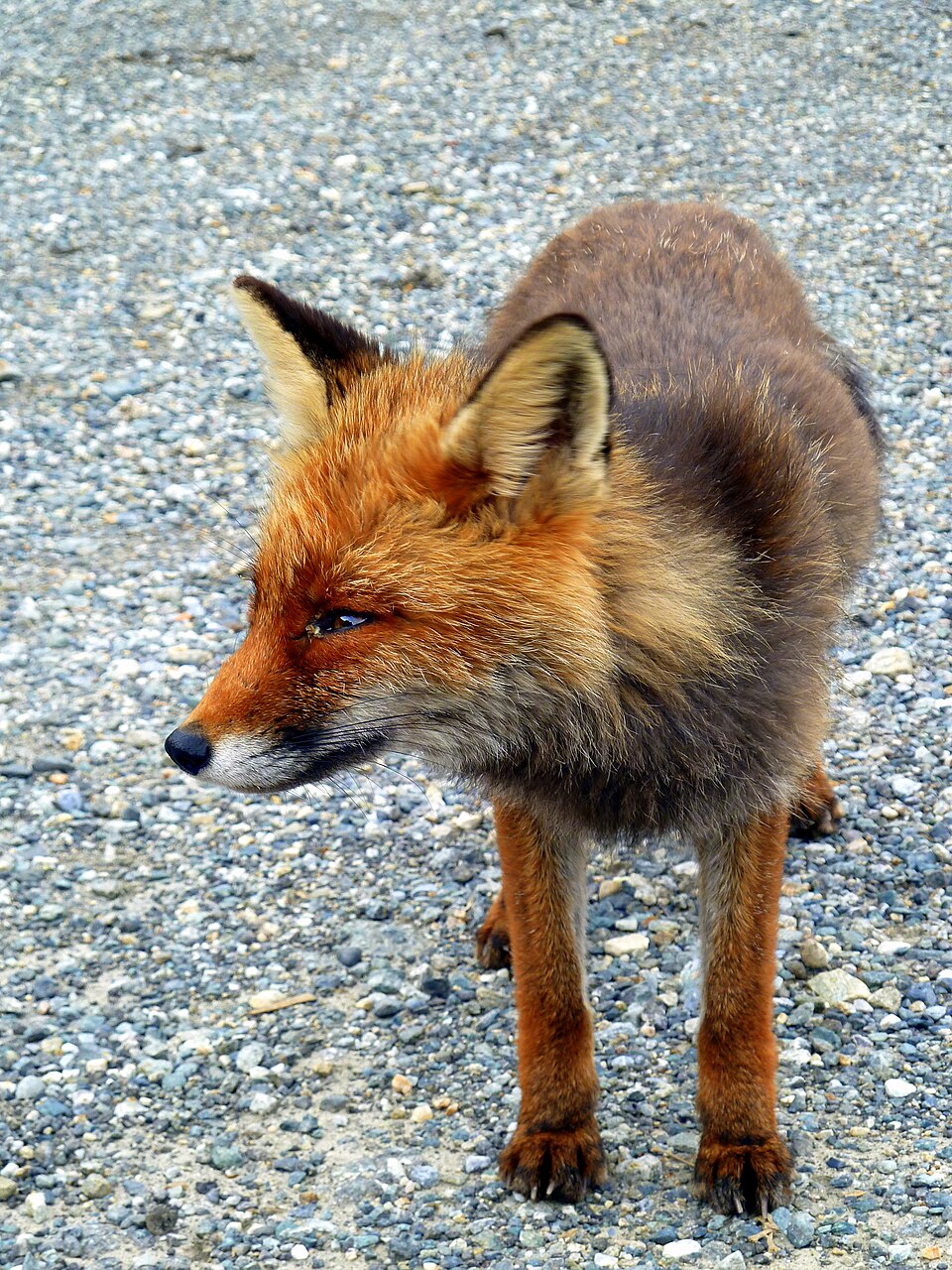
Wolf Kills Provided Plenty of Food for Red Foxes
Red foxes visited all 26 wolf-killed red deer monitored in Stelvio National Park. The amount of meat left…
Read story →SPECIES IN THIS STORY
Species in this story
Independent research and conservation news archive
Did you find this information useful?
Wildlife Vagabond is independently built and maintained. Voluntary support helps cover source verification, hosting and continued work on research and conservation news.
Support Wildlife VagabondThe news archive will remain freely available.