
Cultivated Crops Accounted for 49% of Rhesus Macaque Feeding Records in Central Nepal
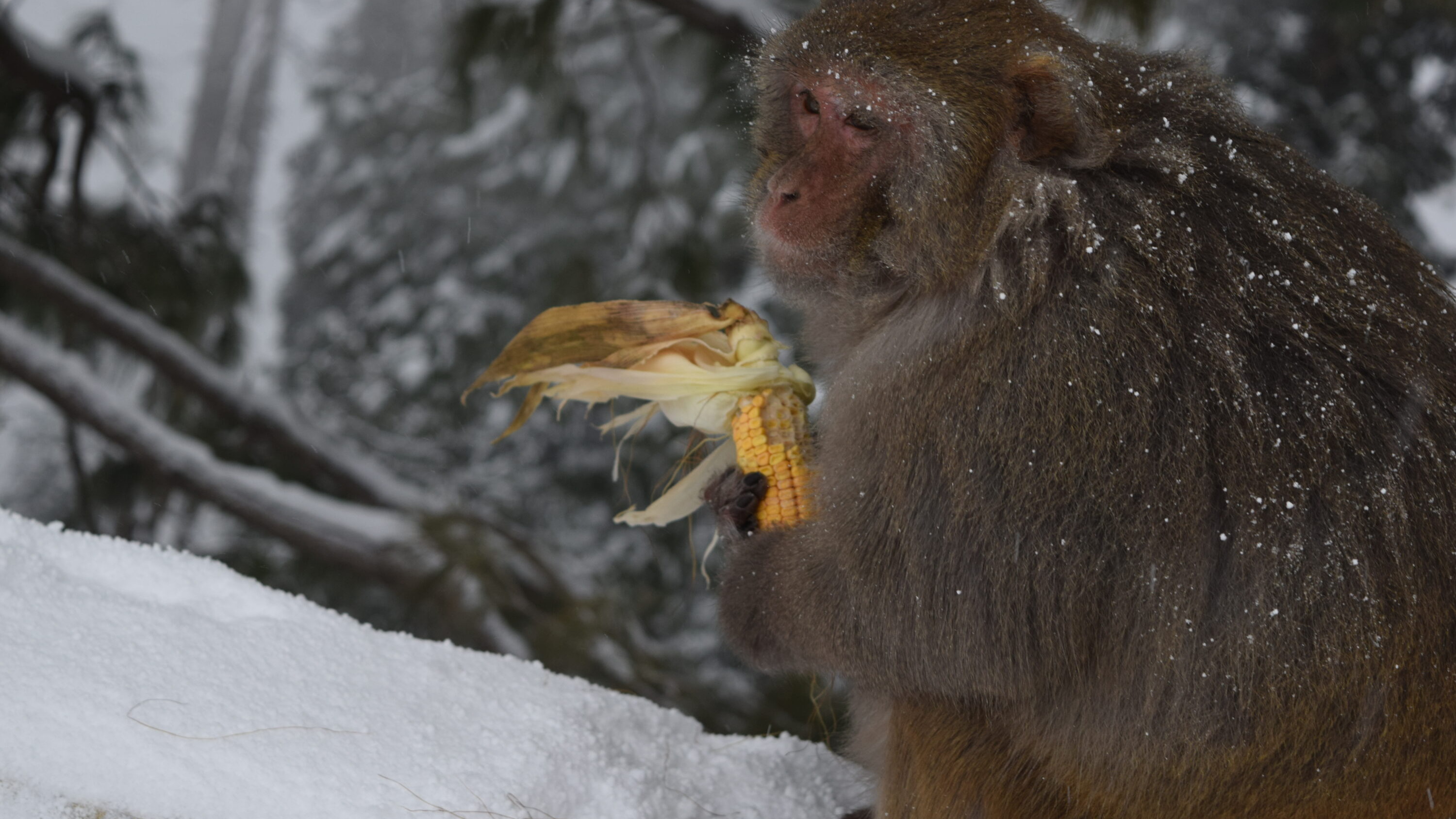
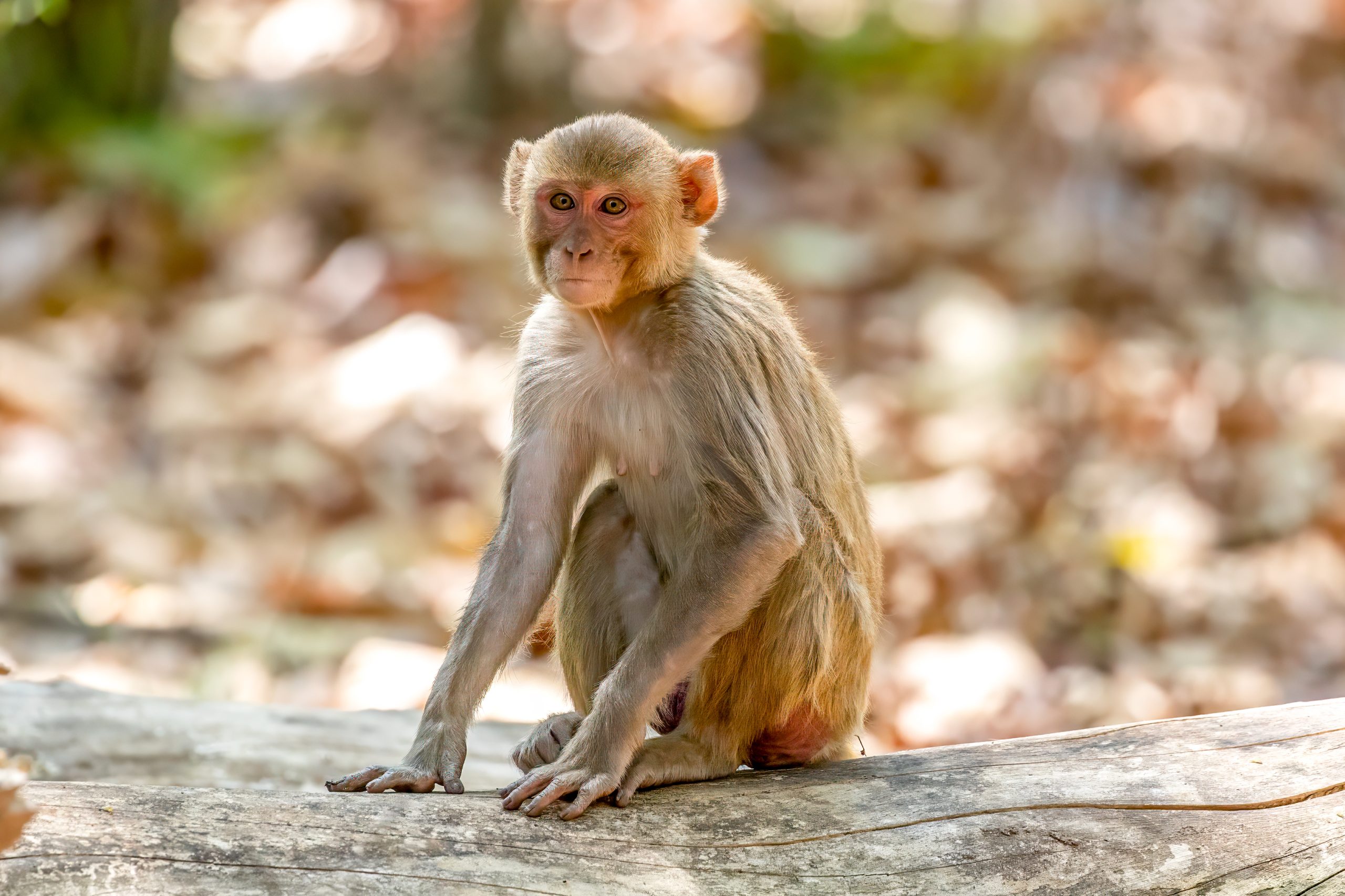
A year-long field study of a wild group of rhesus macaques (Macaca mulatta) in a forest–farm mosaic in central Nepal found that cultivated crops accounted for about 49% of the group’s annual feeding and foraging records. When stored crops and human garbage were included, human-associated foods made up just over half of the yearly feeding records, while wild foods remained an important part of the diet.
The macaques consumed 41 of the 58 crop species available in the study area. Maize was the most important cultivated food, followed by oranges and potatoes; together, those three crops accounted for about half of crop-feeding time. Feeding on these crops increased when their monthly productivity was higher, showing that the macaques adjusted their use of farmland to changing food availability.
Chasing did not reduce crop feeding
Farmers attempted to drive the macaques away in more than four out of five recorded crop-feeding events, often with people and dogs, but these interventions did not reduce either the duration of crop feeding or the amount of crop damage. Larger macaque feeding parties were associated with longer feeding events and greater damage.
Maize damage averaged about 1.5% of yield
During the maize season, the estimated damage averaged roughly 50 kg of dry maize kernels per hectare, about 1.5% of maize yield. The authors therefore concluded that although crop feeding formed a major part of the macaques’ diet and frequently brought people and macaques into conflict, the measured effect on local farmer food security was limited overall. They caution, however, that losses can still matter greatly to individual smallholders, especially near forest edges.
The authors recommend locally coordinated, non-lethal measures rather than relying on repeated individual chasing. Suggestions include community guard groups at common access routes, concentrating protection during peak crop periods, securing stored food and garbage, and testing crops or fodder plants that macaques rarely eat.
Human–wildlife conflict
Related news
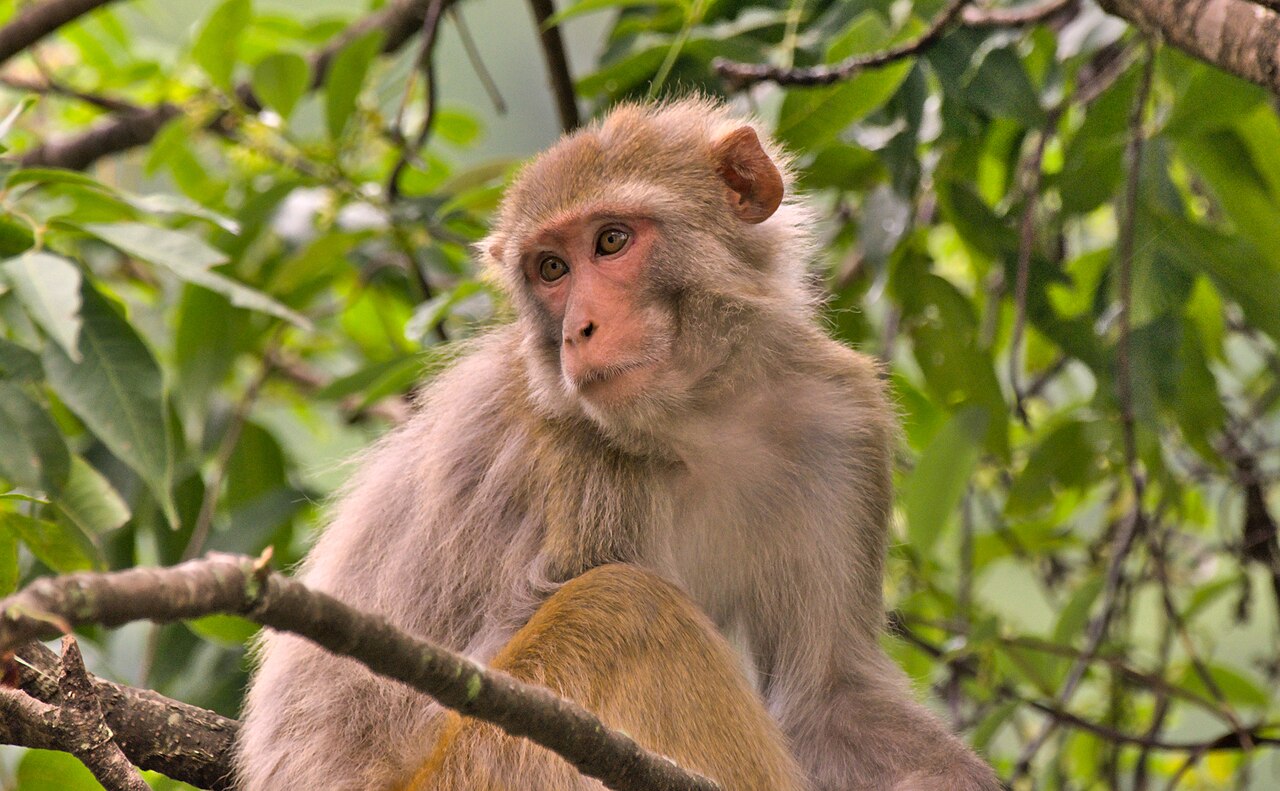
Female Rhesus Macaques That Watched Unfamiliar Female Faces Longer Were More Likely to Have Offspring the Following Year
At a semi-free-ranging population in Puerto Rico, females that spent longer looking at an unfamiliar female’s neutral face…
Read story →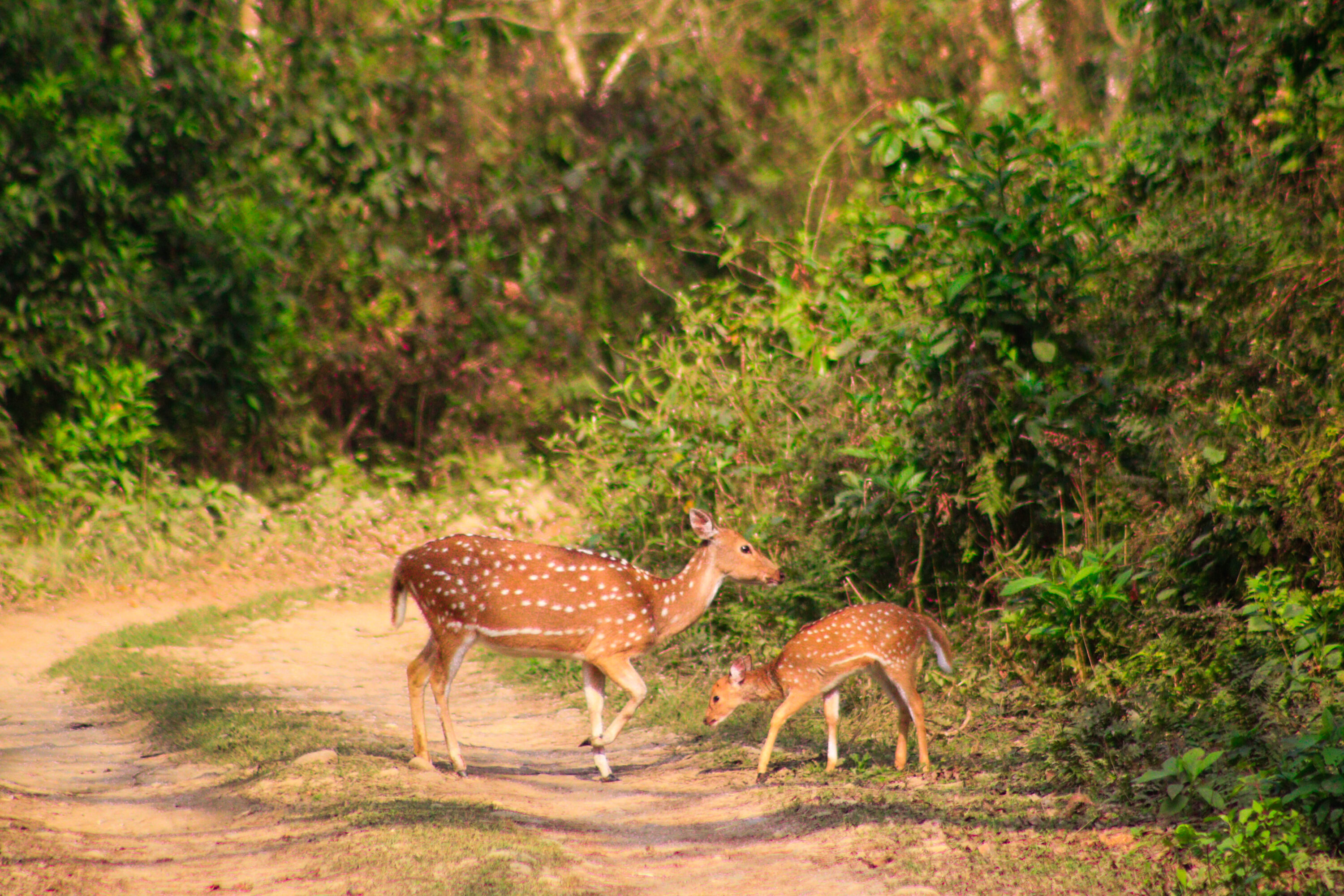
Human Activity and Large Wildlife Overlapped Most in Chitwan’s Buffer Zone
Camera traps across Chitwan National Park and surrounding forests showed the greatest overlap of human activity with large…
Read story →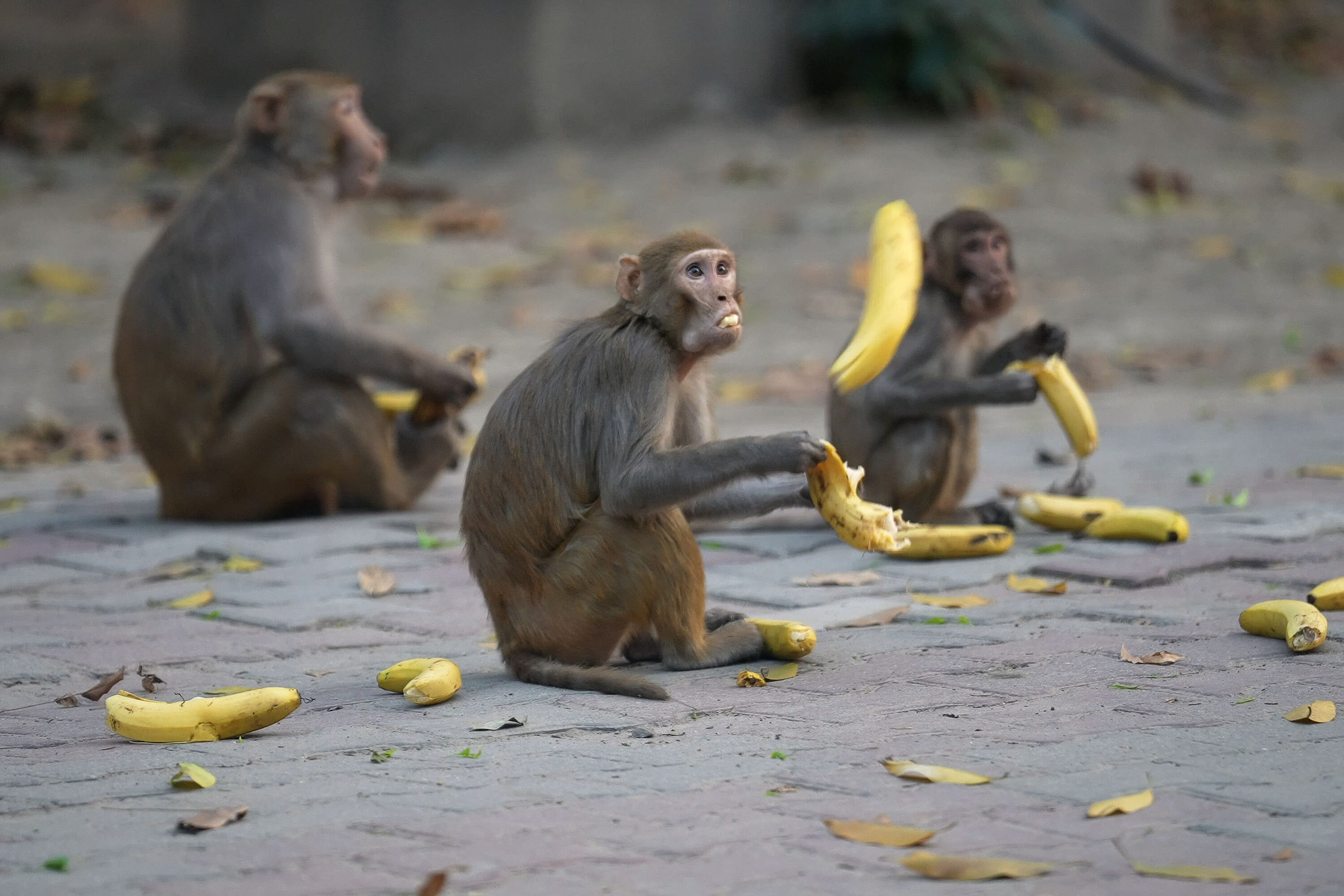
Aging rhesus macaques show broader protein changes in blood than in brain fluid
A study of 66 rhesus macaques found age-related differences in many more measured proteins in plasma than in…
Read story →SPECIES IN THIS STORY
Species in this story
Independent research and conservation news archive
Did you find this information useful?
Wildlife Vagabond is independently built and maintained. Voluntary support helps cover source verification, hosting and continued work on research and conservation news.
Support Wildlife VagabondThe news archive will remain freely available.