
Diversionary Feeding Did Not Alter Red Fox or Stone Marten Space Use in Central Spain
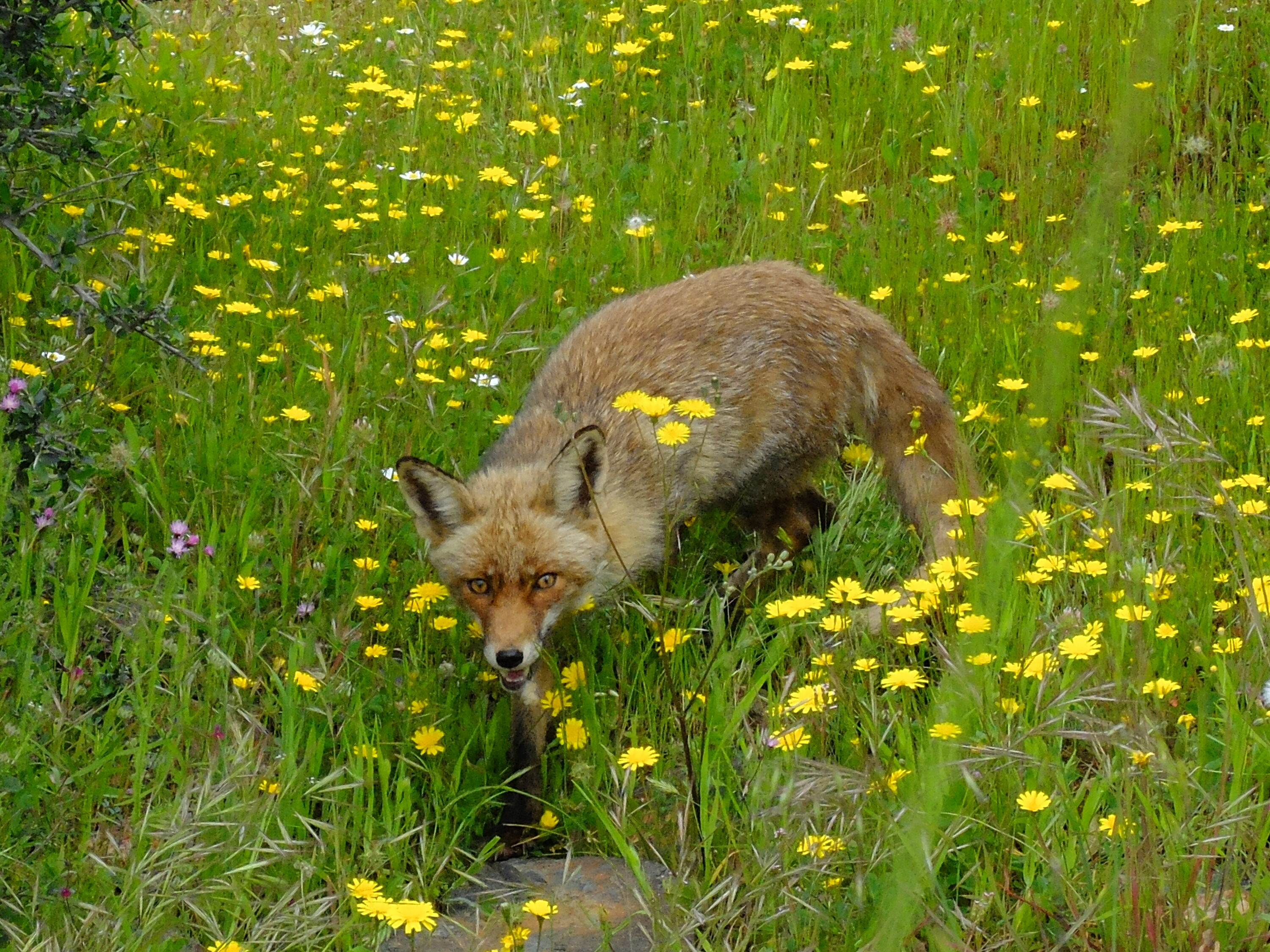
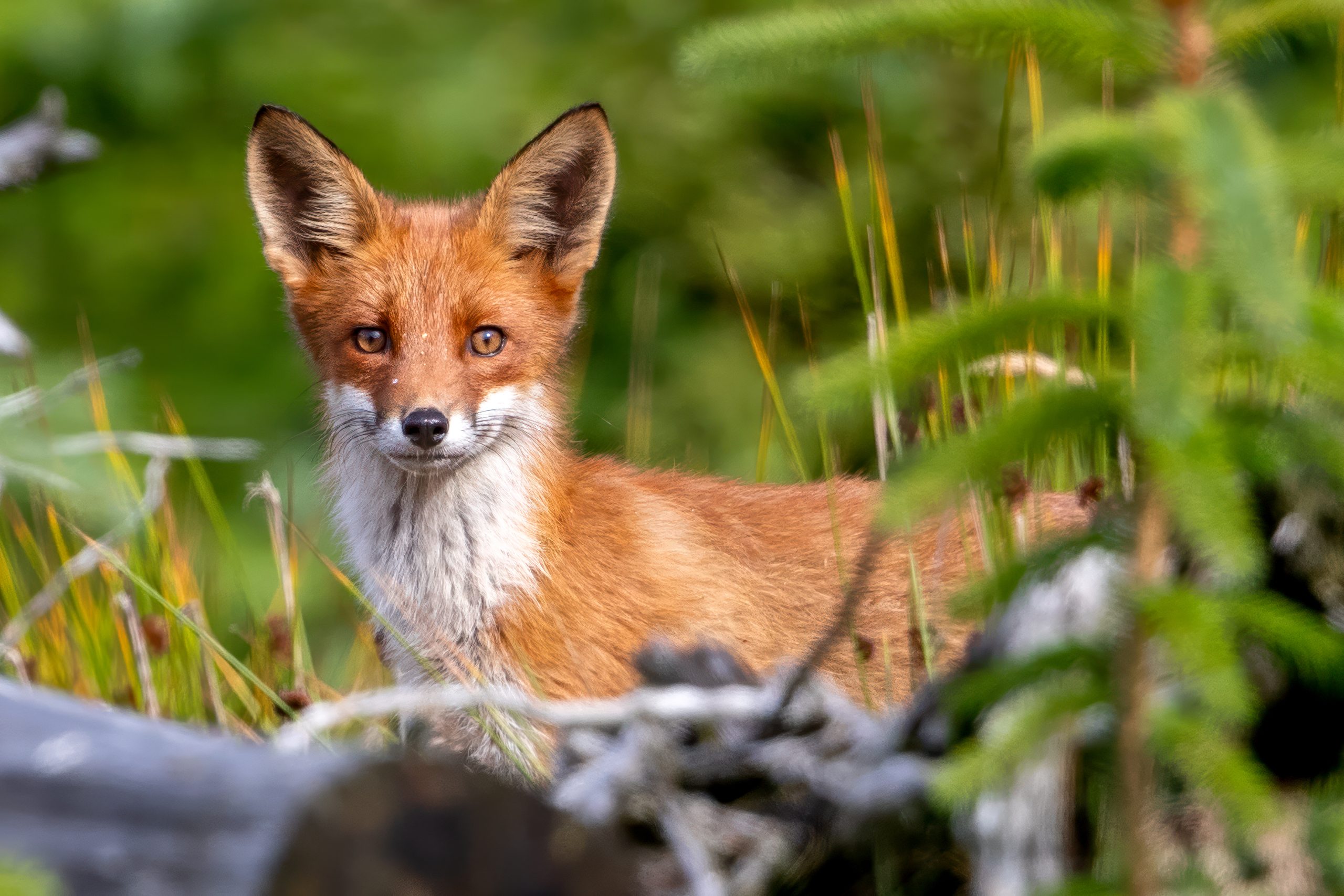
A controlled field experiment in central Spain found no significant changes in the spatial or temporal behaviour of red foxes (Vulpes vulpes) or stone martens (Martes foina) after diversionary food was provided. Diversionary feeding is used to draw predators away from vulnerable prey or conflict situations, but the study focused on whether the intervention itself produced unintended changes in mesopredator behaviour.
The experiment was carried out in Serranía de Cuenca Natural Park. Eight 16-km² zones were monitored, with four randomly assigned to receive diversionary food and four serving as controls. Sixteen feeding stations were established in the treatment zones, each receiving 12 kg of meat over 32 days. After excluding cameras affected by malfunction, vandalism or access problems, the analysis included 191 camera traps.
Both predators used the feeding stations
Stone martens used 10 of the 16 feeding stations and red foxes used 11, corresponding to 63% and 69% of the stations. Use was substantial: an average of 9.6 of the 12 kg supplied at each station was consumed during the 32-day period. Despite this uptake, the researchers found no significant effect of diversionary feeding on space use and no significant aggregation response around feeding stations and no detectable overall change in activity patterns for either species. Red foxes remained strongly nocturnal, with estimated activity levels similar in control areas and in treatment areas where food was or was not used. In stone martens, visual inspection suggested that a pronounced activity peak shortly after sunset was absent where diversionary food was actually used, which the authors note could indicate reduced active foraging, although the overall activity pattern did not clearly change.
The authors interpret the results as evidence that the particular diversionary-feeding regime tested did not produce measurable spatiotemporal side effects in these mesopredators. They note, however, that the outcome could depend on how much food is supplied and for how long; larger amounts or longer feeding periods could produce effects not detected in this experiment. The camera-trap design also did not allow individual foxes or martens to be identified, so the authors recommend combining population-level camera data with telemetry in future studies to test individual responses more directly.
Management
Related news
Similar Mammal Diversity, Different Activity Patterns in Grazed and Ungrazed Areas
Camera traps in four northern Israeli reserves found similar numbers of mammal species with and without livestock grazing.…
Read story →
Wolf Kills Provided Plenty of Food for Red Foxes
Red foxes visited all 26 wolf-killed red deer monitored in Stelvio National Park. The amount of meat left…
Read story →
Red Foxes and Stone Martens Share Places at Different Times
Red foxes and stone martens often used the same sites in central Spain. Their daily activity differed more…
Read story →SPECIES IN THIS STORY
Species in this story
Independent research and conservation news archive
Did you find this information useful?
Wildlife Vagabond is independently built and maintained. Voluntary support helps cover source verification, hosting and continued work on research and conservation news.
Support Wildlife VagabondThe news archive will remain freely available.