
DNA From a Taterapox-like Virus Found in a Common Duiker Sold as Bushmeat
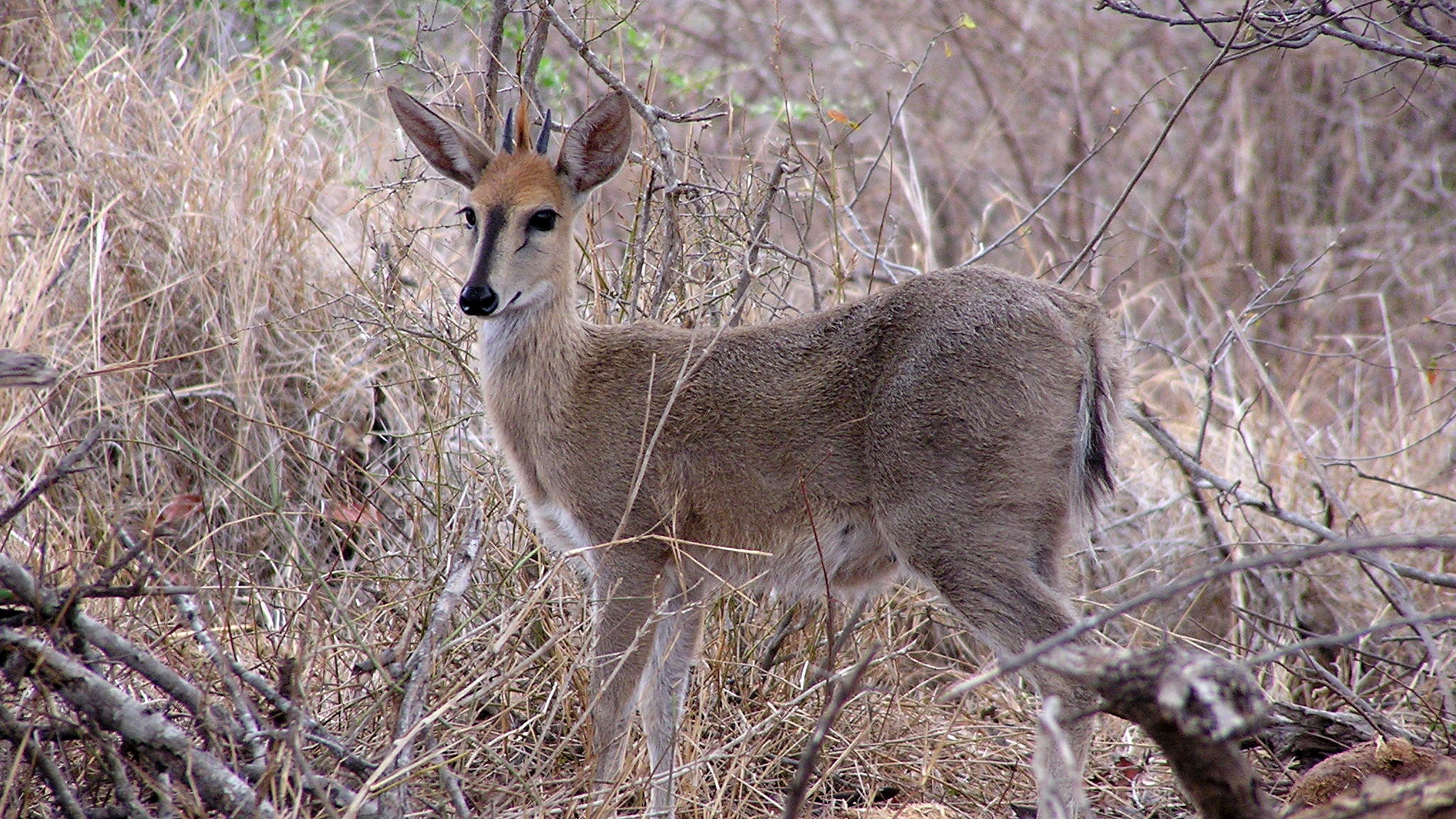
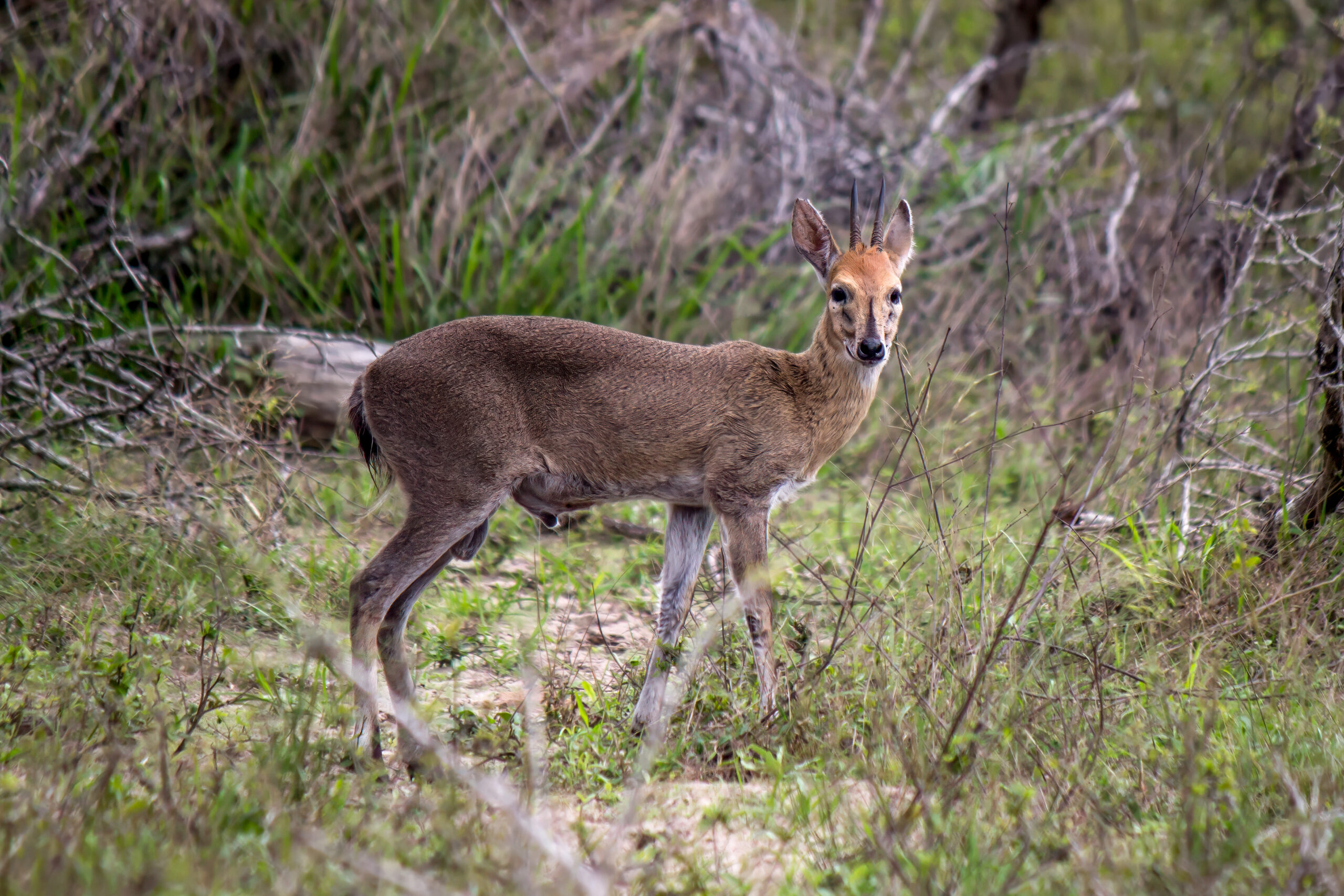
A preprint posted on 20 March 2026 reports orthopoxvirus DNA in a common duiker (Sylvicapra grimmia) sampled from a bushmeat market in Kikwit, Democratic Republic of the Congo. The virus was not the mpox virus. Sequencing instead recovered part of a virus closely related to taterapox virus.
The manuscript has not been peer reviewed, so its results should be regarded as preliminary. It examines whether duikers could be overlooked hosts at the wildlife–human interface in regions where mpox repeatedly emerges.
Between May and August 2022, the research team collected hundreds of samples of wildlife meat and organs at markets in the Democratic Republic of the Congo. Duikers made up roughly one-third of the animals recorded for sale, making them one of the most frequently encountered groups in the bushmeat trade.
The common duiker yielded a partial taterapox-like genome
A broad PCR test for orthopoxviruses detected viral DNA in two duikers. The amount of viral DNA in the common duiker was low, but high-throughput sequencing recovered roughly a quarter of a reference genome. High-throughput sequencing reads many DNA fragments in parallel, allowing researchers to reconstruct and compare parts of a virus genome even when little viral material is present. The recovered fragments most closely matched a relative of taterapox virus, whose accepted virus-species name is Orthopoxvirus taterapox.
The second market animal, a weyns’s duiker (Cephalophus weynsi), yielded a small number of sequences assigned to the mpox virus. The team also examined material collected in Taï National Park in Côte d’Ivoire. There, tissue from a dead Maxwell’s duiker (Philantomba maxwellii) tested positive for mpox-virus DNA and provided roughly half of a reference genome. These findings give the common-duiker result a broader context, but they do not mean that the same virus was found in every animal or species.
The researchers tried to grow virus from the common-duiker samples in cell culture, but saw no cytopathic effect — no visible virus-caused damage or other characteristic changes in the cultured cells. They note that the amount of viral DNA was low and that the market samples may have remained at ambient temperature for weeks, which could have reduced virus survival.
Authors propose duikers as intermediate hosts
The authors interpret the detections across the duiker samples as evidence that duikers may be previously overlooked intermediate hosts for mpox virus and other orthopoxviruses — hosts that can become infected and potentially help connect the virus’s natural reservoir with other susceptible animals. They also identify bushmeat trade as a possible route of human exposure to poxviruses. For the common duiker itself, the study recovered a partial taterapox-like genome from one market animal; it did not document transmission from that animal to a person.
Genetics & genomics
Related news
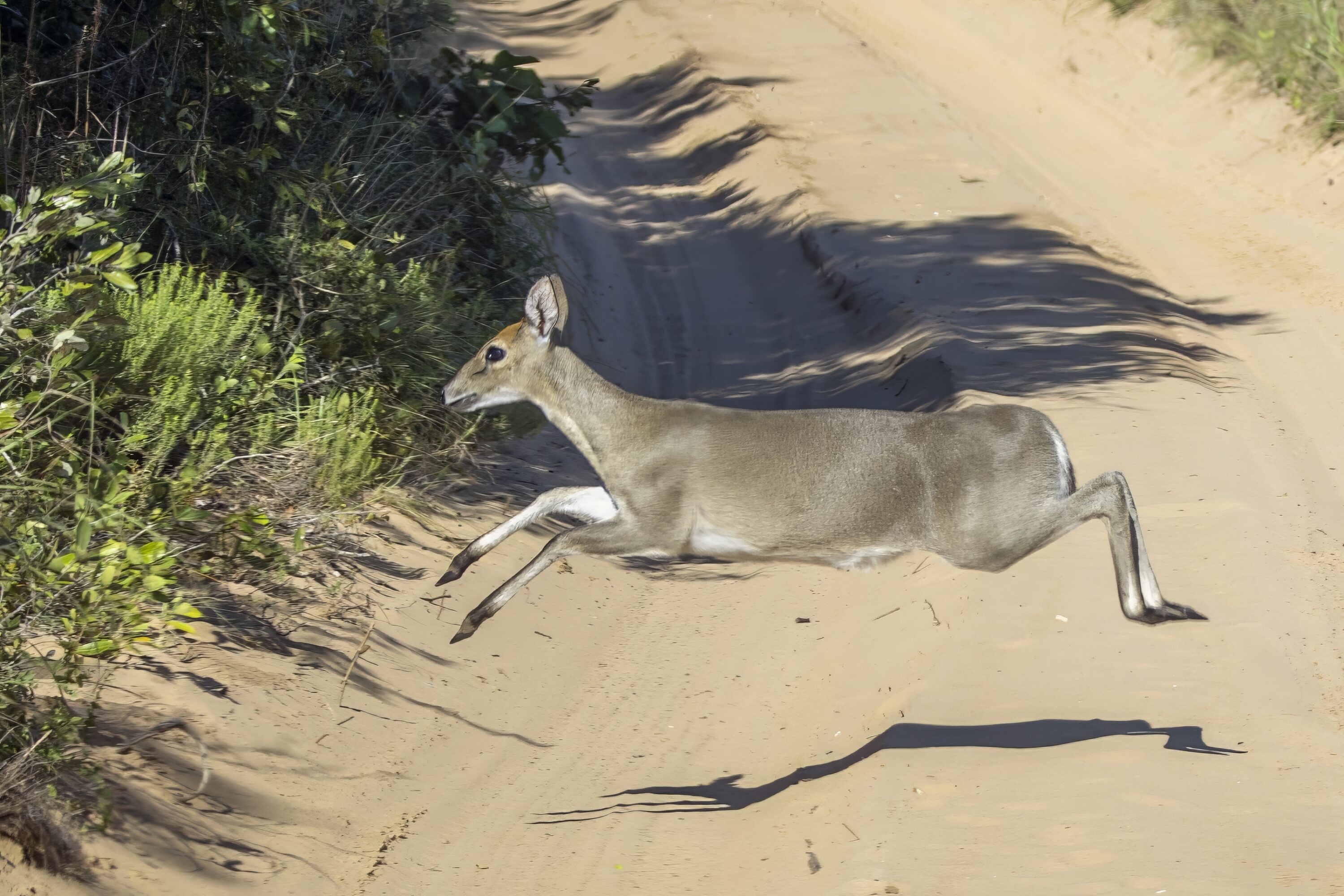
Aerial surveys point to a long decline in common duikers in Gonarezhou
Long-term aerial surveys in Zimbabwe suggest that common duiker estimates in Gonarezhou fell by about 10.7 percent per…
Read story →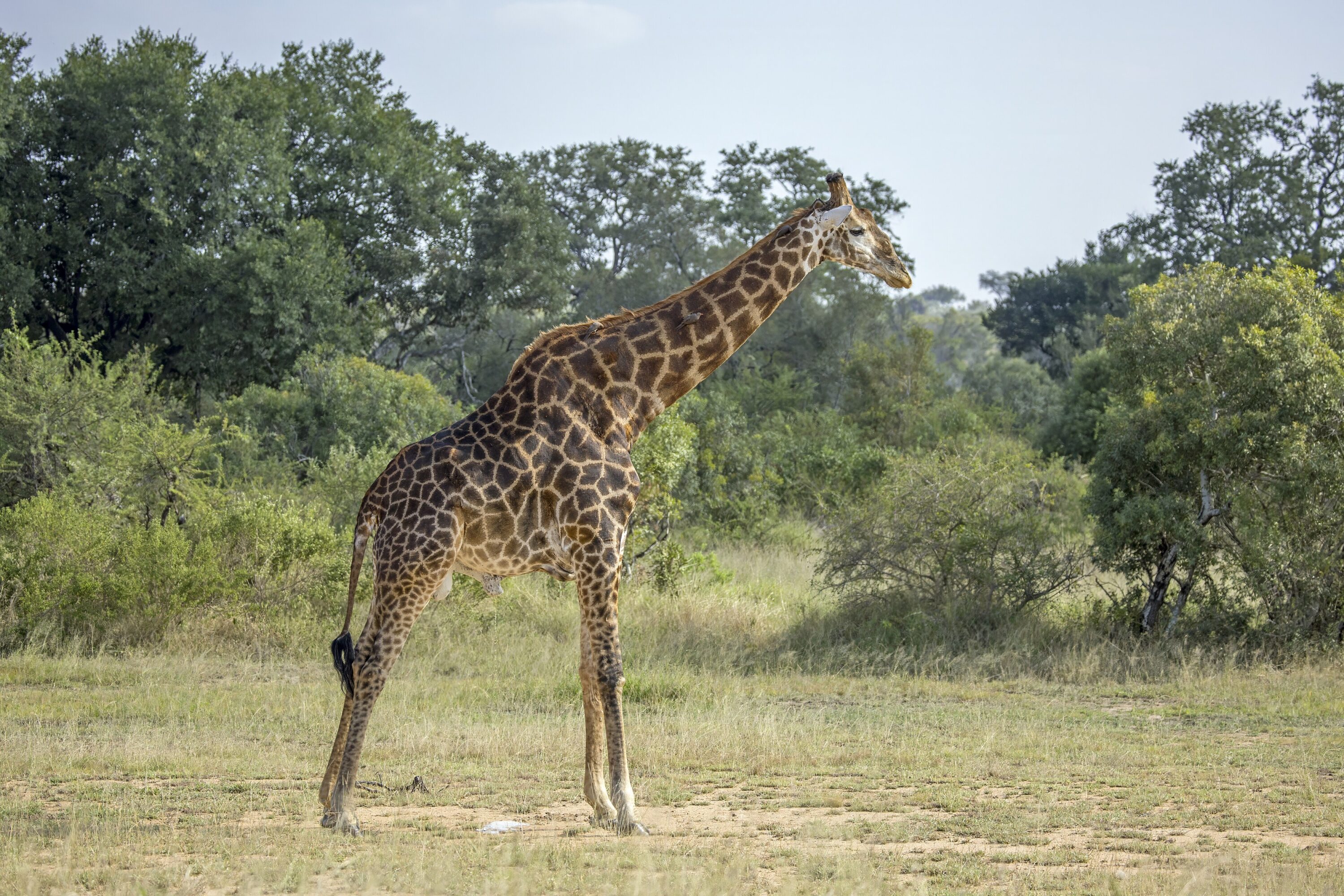
Kruger Herbivores Concentrated Around Reservoirs, but Three Species Favoured Undammed Drainages
Camera traps around 11 reservoirs and 11 undammed drainages in Kruger found higher modelled metabolic biomass around reservoirs…
Read story →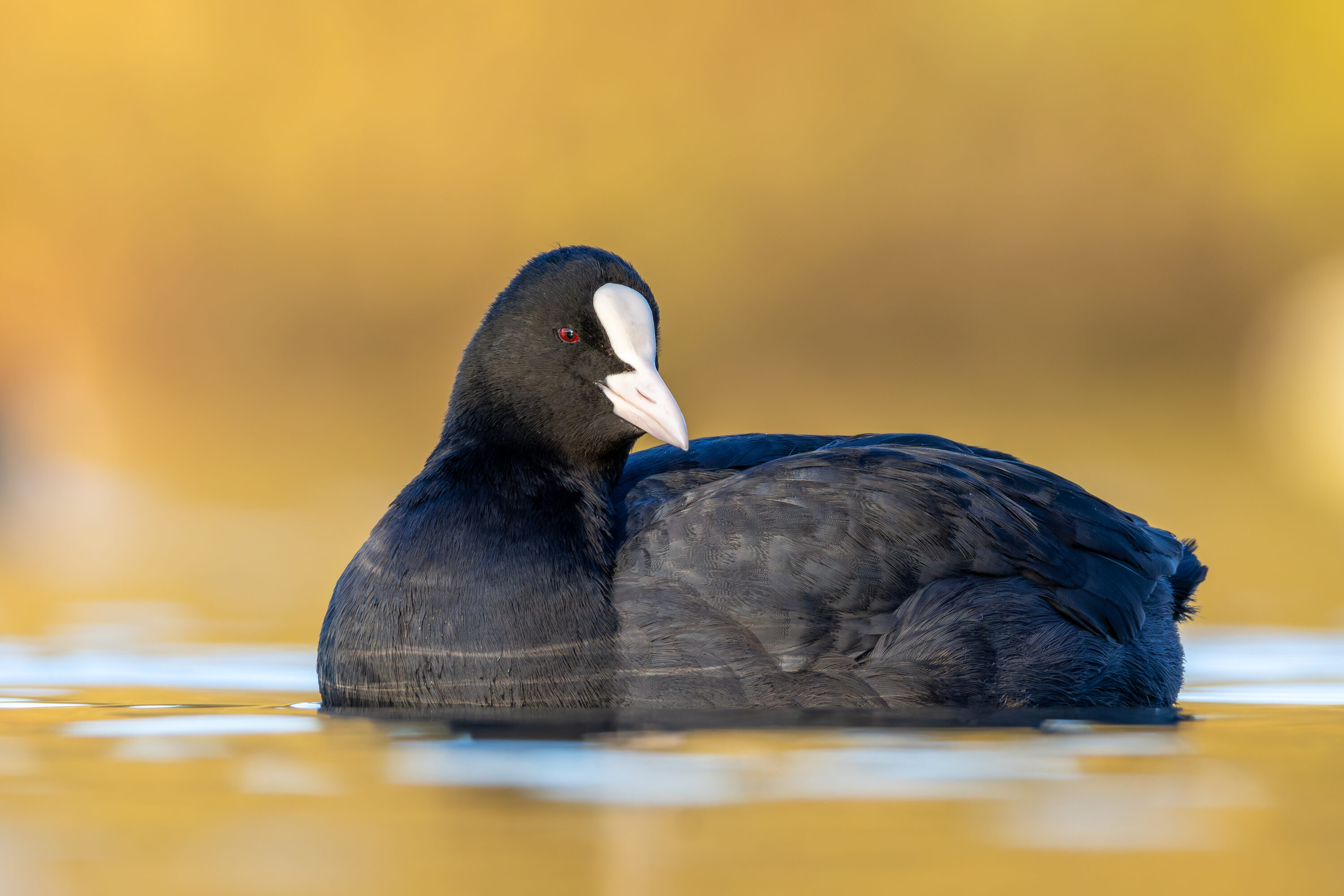
Bird Droppings Contained Both Plant Nutrients and Resistance Genes
Droppings from wintering waterbirds at Caohai in China contained phosphorus that can readily become available to algae. Researchers…
Read story →SPECIES IN THIS STORY
Species in this story
Independent research and conservation news archive
Did you find this information useful?
Wildlife Vagabond is independently built and maintained. Voluntary support helps cover source verification, hosting and continued work on research and conservation news.
Support Wildlife VagabondThe news archive will remain freely available.