
Opposite Spring Migration Strategies Were Linked to Breeding Success in Male and Female Dunlins
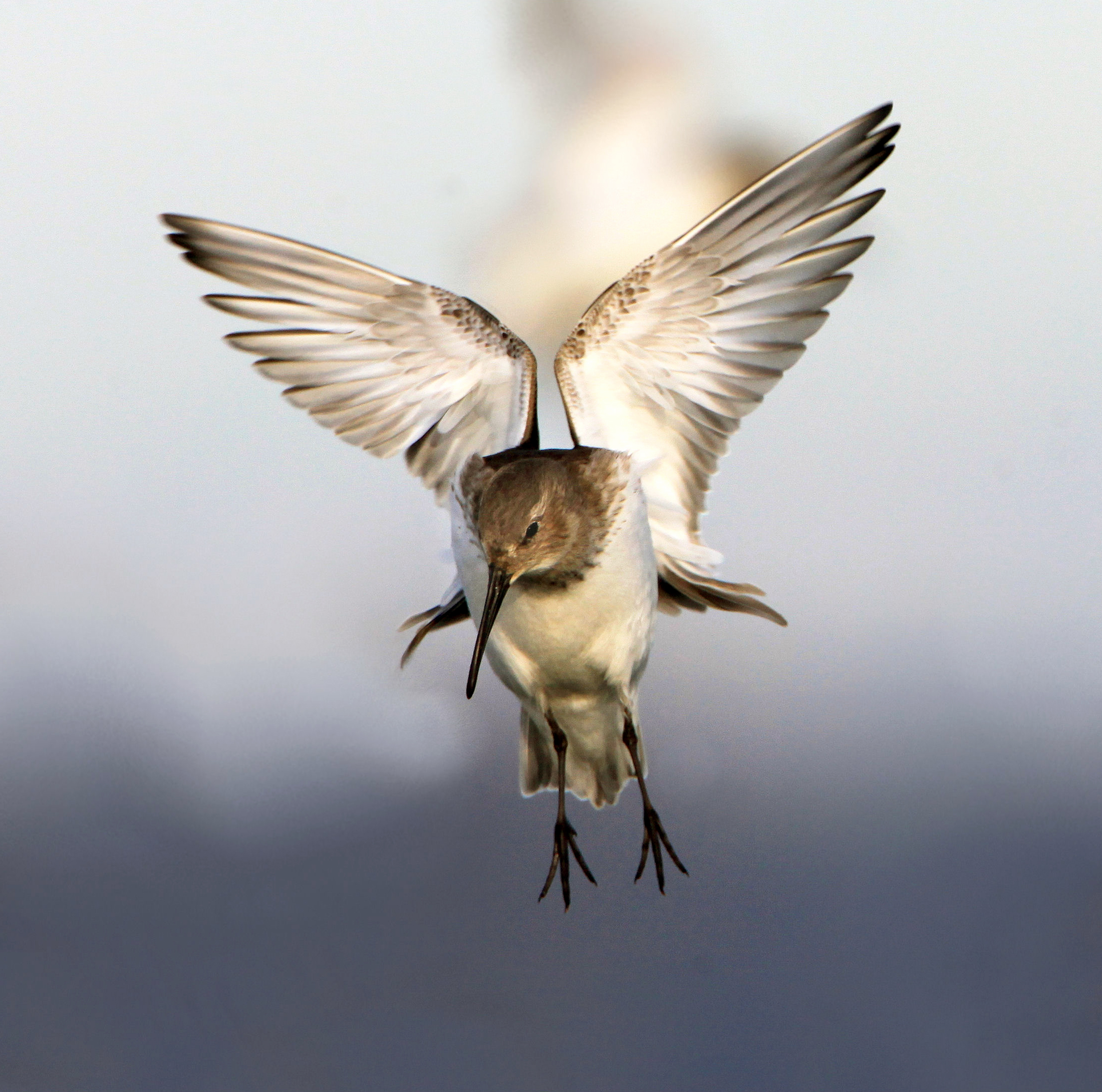
A tracking study of dunlins (Calidris alpina hudsonia) breeding near Churchill in Manitoba, Canada, found that spring migration strategy was associated with later reproductive performance in different ways for males and females. The researchers used light-level geolocators to reconstruct individual migration routes and compared these with lay dates, egg volume and daily nest survival. These small tags estimate broad geographic position from changing light levels and the timing of sunrise and sunset, so they reconstruct migration routes less precisely than GPS tracking.
Males benefited from shorter, more direct routes
For males, shorter and more direct spring migrations were associated with higher daily nest survival. This pattern was not explained by earlier arrival or earlier nesting: the researchers found no evidence that earlier male arrival was linked to earlier egg-laying at the nest or that arrival timing itself improved reproductive success.
Females showed the opposite pattern
Females showed the opposite pattern. Longer migrations along less direct routes and at lower speeds were associated with larger eggs, and females travelling longer distances along less direct routes also had higher daily nest survival. The authors interpret this as support for a more relaxed migration strategy in females, in which slower or less direct travel may allow birds to reach the breeding grounds in better condition for egg production. Body condition before breeding was not measured, so this mechanism remains a proposed explanation rather than a demonstrated cause.
Neither the number nor length of stopovers, nor the timing of arrival at the breeding grounds, showed a detectable effect on reproductive success. The results therefore suggest that how spring migration was completed mattered differently for males and females, rather than reproductive success simply depending on how early a bird reached the breeding area.
Ecology
Related news
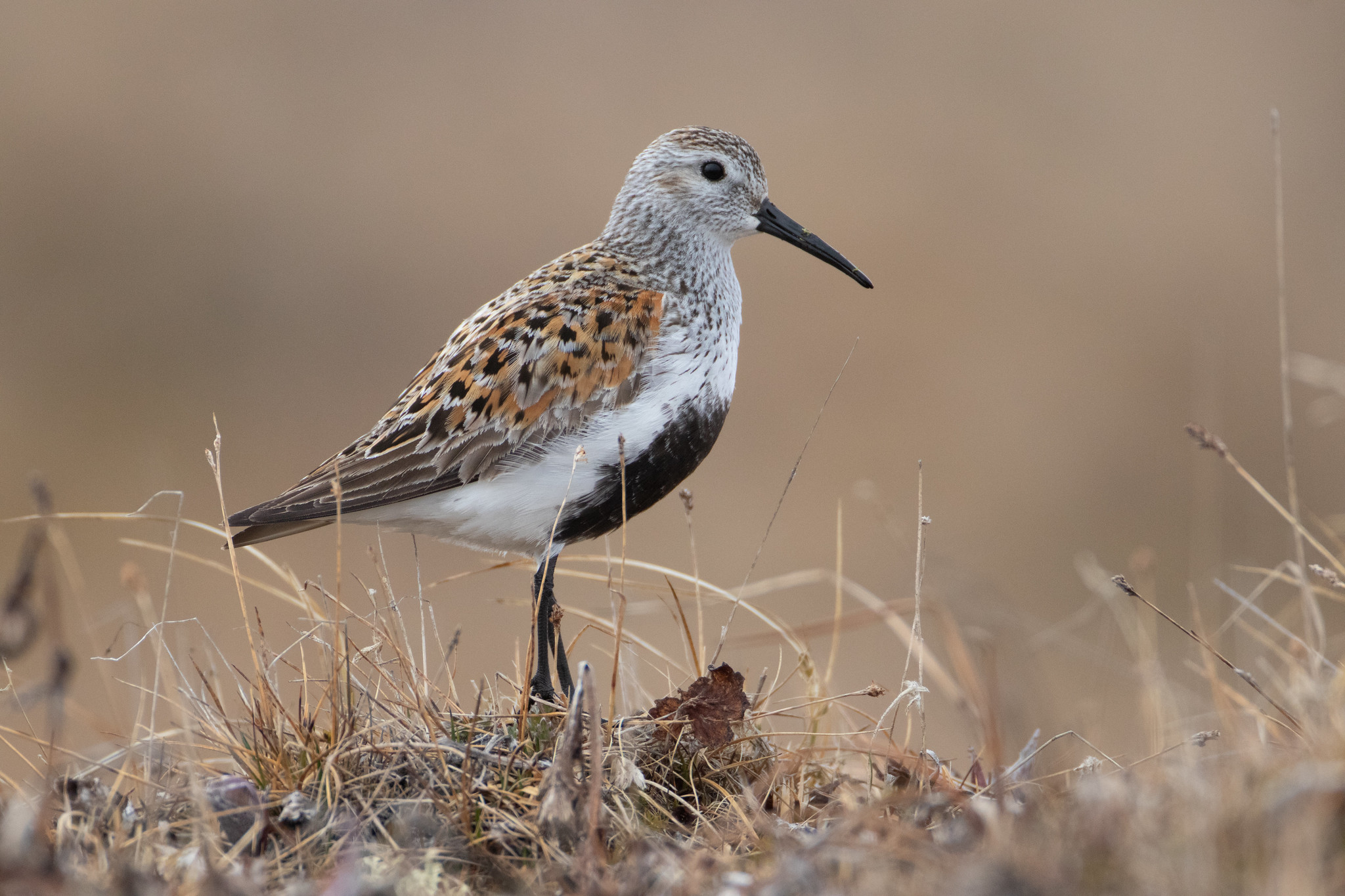
Survey Estimate for Arctic Alaska Dunlins Fell 89% Over 17.5 Years
Repeated surveys across 6,249 km² of Arctic National Wildlife Refuge estimated an 89% decline in breeding Calidris alpina…
Read story →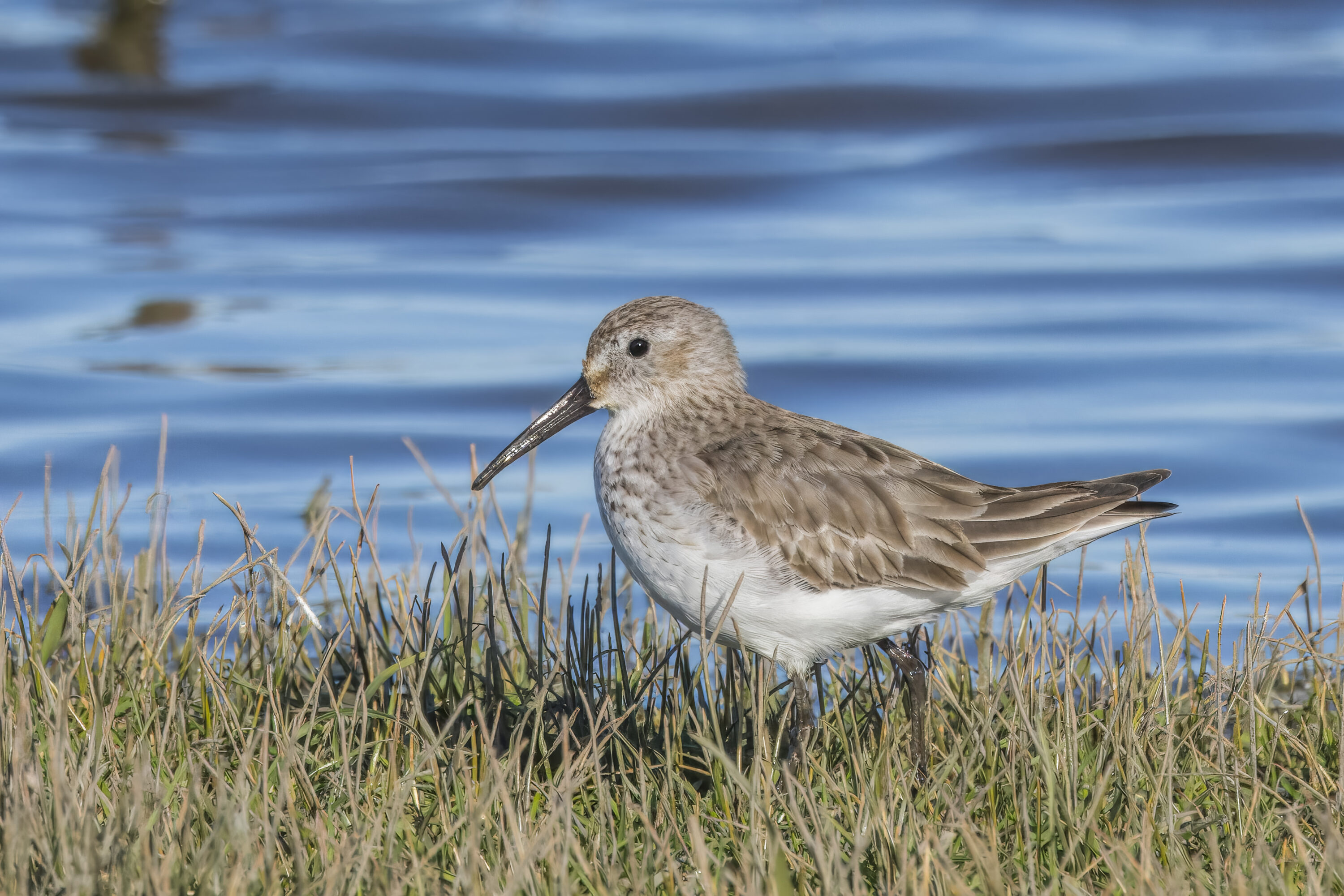
Only 14% of Dunlins That Had Started Primary Moult Suspended It During Migration
Across 39 years at the Gulf of Gdańsk, 1,895 of 13,695 Dunlins that had begun primary moult suspended…
Read story →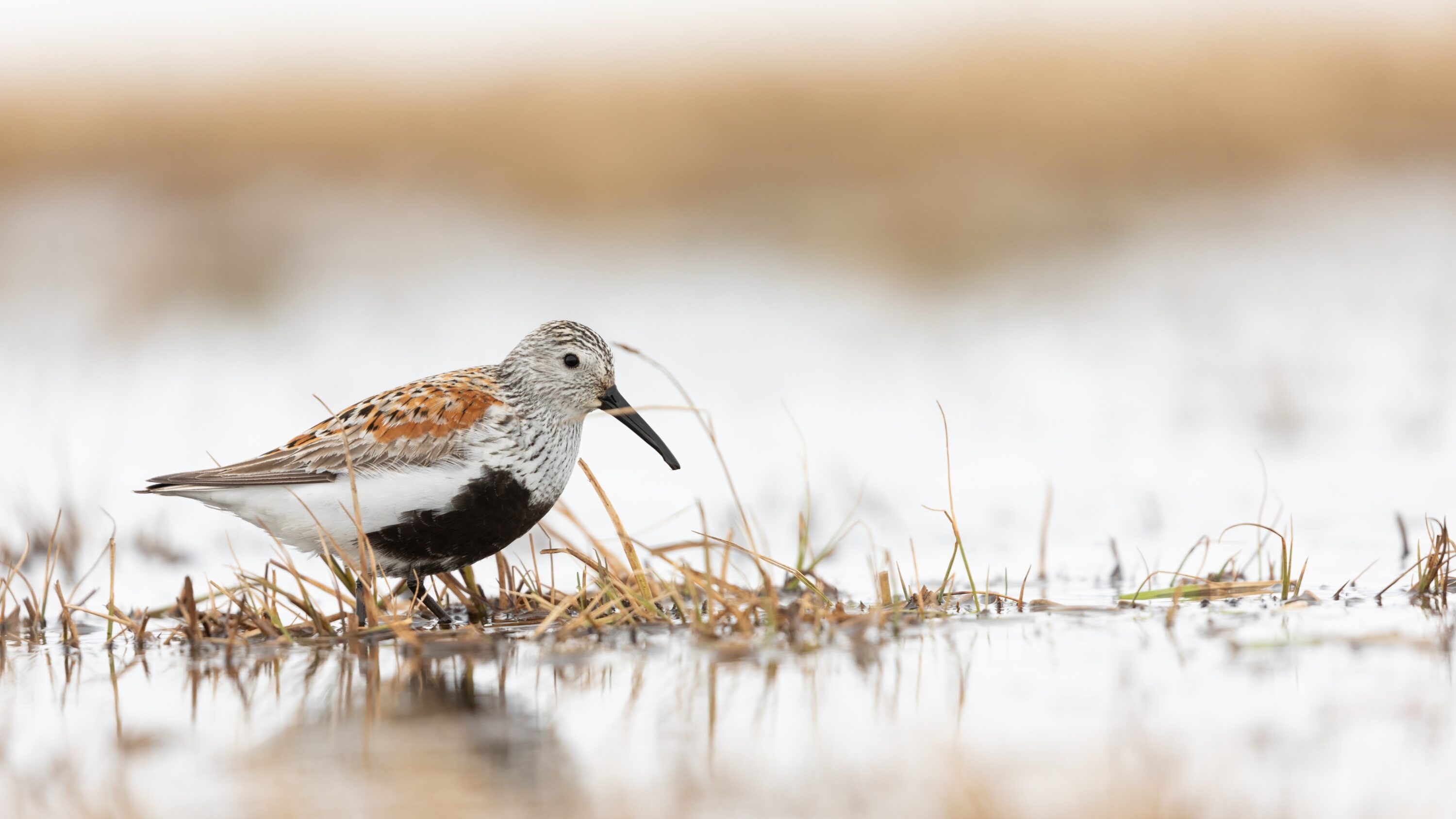
Dunlins Wintering in Japan Had 0.53 Estimated Apparent Annual Survival, Versus 0.78 in the Yellow Sea
An integrated study of arcticola dunlins linked strong differences in survival and 2010–2014 population trends to wintering region,…
Read story →SPECIES IN THIS STORY
Species in this story
Independent research and conservation news archive
Did you find this information useful?
Wildlife Vagabond is independently built and maintained. Voluntary support helps cover source verification, hosting and continued work on research and conservation news.
Support Wildlife VagabondThe news archive will remain freely available.