
Dunnock pox cases were most often recorded in August
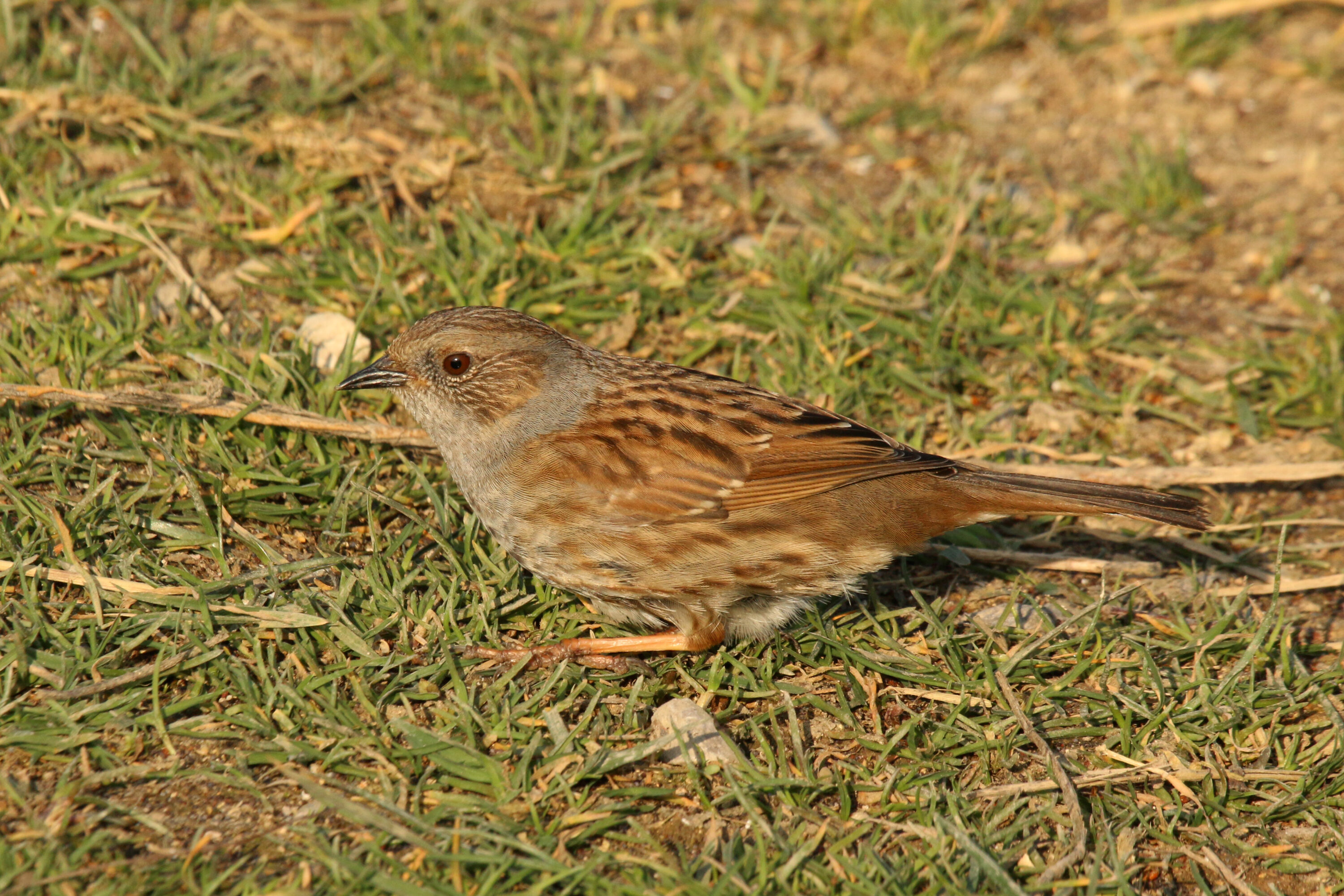
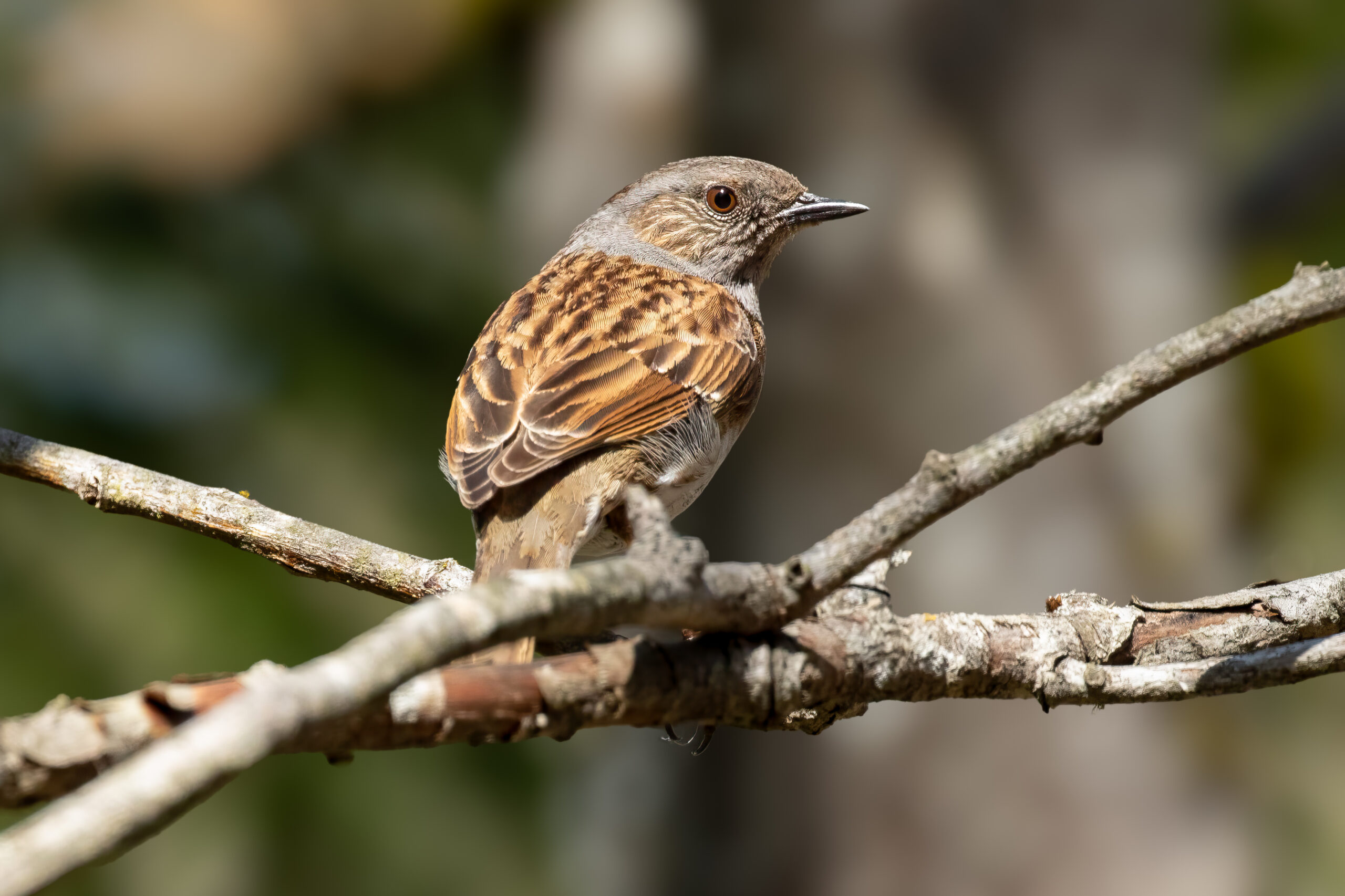
Young dunnocks (Prunella modularis) were the birds most often seen with avian pox in a long-running study in Somerset, England. Almost half of newly detected cases appeared in August. Yet researchers found no clear reduction in survival among birds showing signs of the disease.
Avian pox is caused by viruses in the genus Avipoxvirus and can produce nodular skin growths, especially on the legs, feet and around the bill. Researchers followed a wild population from 2008 to 2023, examining birds at repeated captures. Cases were identified from characteristic skin lesions, with the virus confirmed by a PCR test detecting viral DNA in tissue shed by one bird.
Most cases affected that year’s young
Of the 554 birds included in the calculation, 46 developed these lesions at some point during the study, equivalent to 8.3%. In 38 of those cases, the signs were first detected in birds that had hatched that year. That year’s young also had the highest proportion of captures with disease signs: 5.6%, compared with 2.2% for second-year birds and 3.6% for older birds.
August stood out, accounting for 21 of the 46 newly detected cases. Signs of pox were present in 12.4% of captures that month. No cases were recorded in May or June. Older birds showed smaller peaks early in the year and during the late-summer moult.
The researchers point out that late summer brings many young birds that have not previously encountered the virus. Birds are also replacing their feathers, while blood-feeding insects capable of spreading infection are active. These factors may help explain the seasonal pattern.
Affected birds continued feeding
The growths most often occurred on the feet, with some reaching 13 millimetres across. Even so, the birds continued to feed. Lesions on the head did not appear large enough to obstruct vision.
Follow-up of young birds revealed no clear survival difference between those with and without observed pox. However, few birds were affected, and birds leaving the area could not be distinguished from those that died. The result supports the authors’ interpretation of relatively limited health effects in this population, without establishing that the disease is harmless.
Viral DNA was also found in four of eight blood-feeding louse flies collected from apparently healthy dunnocks, including in years with no recorded disease cases. This suggests that the virus may be present even when no birds have visible lesions. The DNA finding alone does not show that the flies transmitted infection.
No bird was seen with a new episode after recovering. The researchers therefore suggest that an infection may provide long-lasting immunity.
Disease, parasites & microbiology
Related news
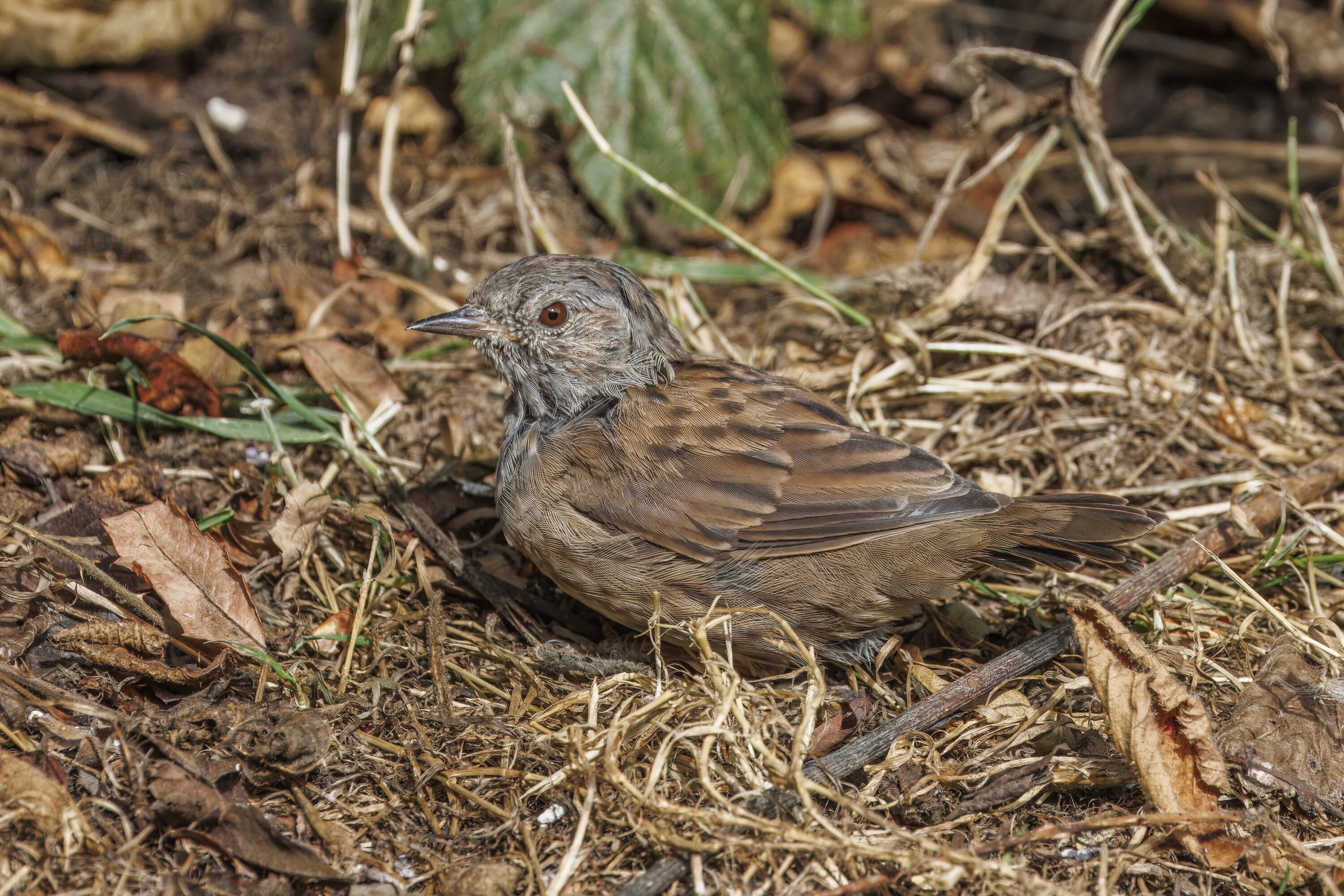
Dunnocks Are Passing Through Earlier in Spring
Over six decades, dunnocks passed Hel in northern Poland progressively earlier in spring. The midpoint shifted forward by…
Read story →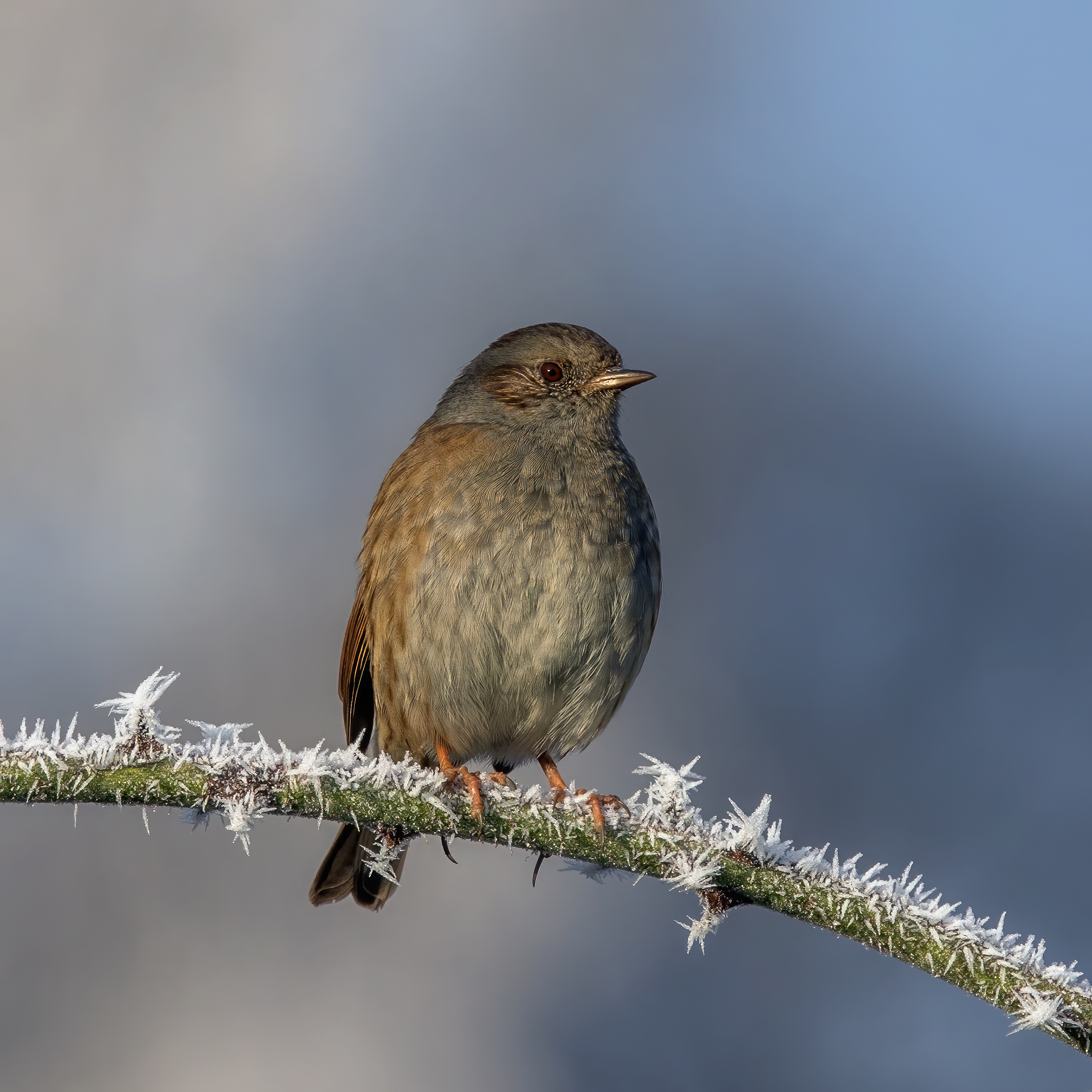
No Evidence of Lower Apparent Survival in Dunnocks With Avian Pox in 15.5-Year Study
A 15.5-year study of 588 wild dunnocks estimated an 8.3% lifetime prevalence of visible avian pox but found…
Read story →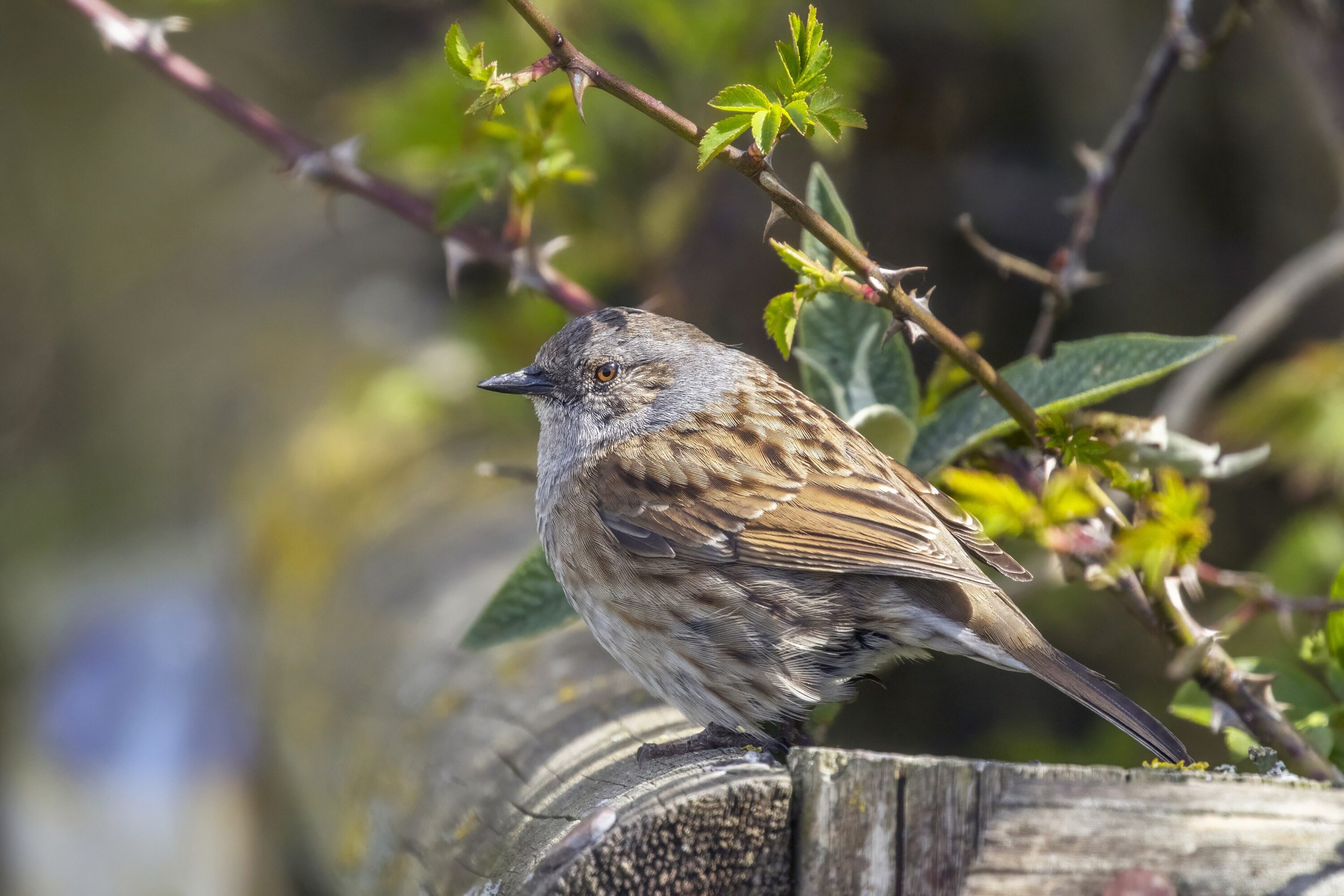
Dunnocks Showed No Tendency to Breed With Similar-sized or Similar-condition Birds
A 2026 preprint found no evidence that dunnocks paired with partners of similar body size or condition. Sexual…
Read story →SPECIES IN THIS STORY
Species in this story
Independent research and conservation news archive
Did you find this information useful?
Wildlife Vagabond is independently built and maintained. Voluntary support helps cover source verification, hosting and continued work on research and conservation news.
Support Wildlife VagabondThe news archive will remain freely available.