
House Mice Made Up 88–99% of Eastern Barn Owl Prey in Two Arid Australian Samples
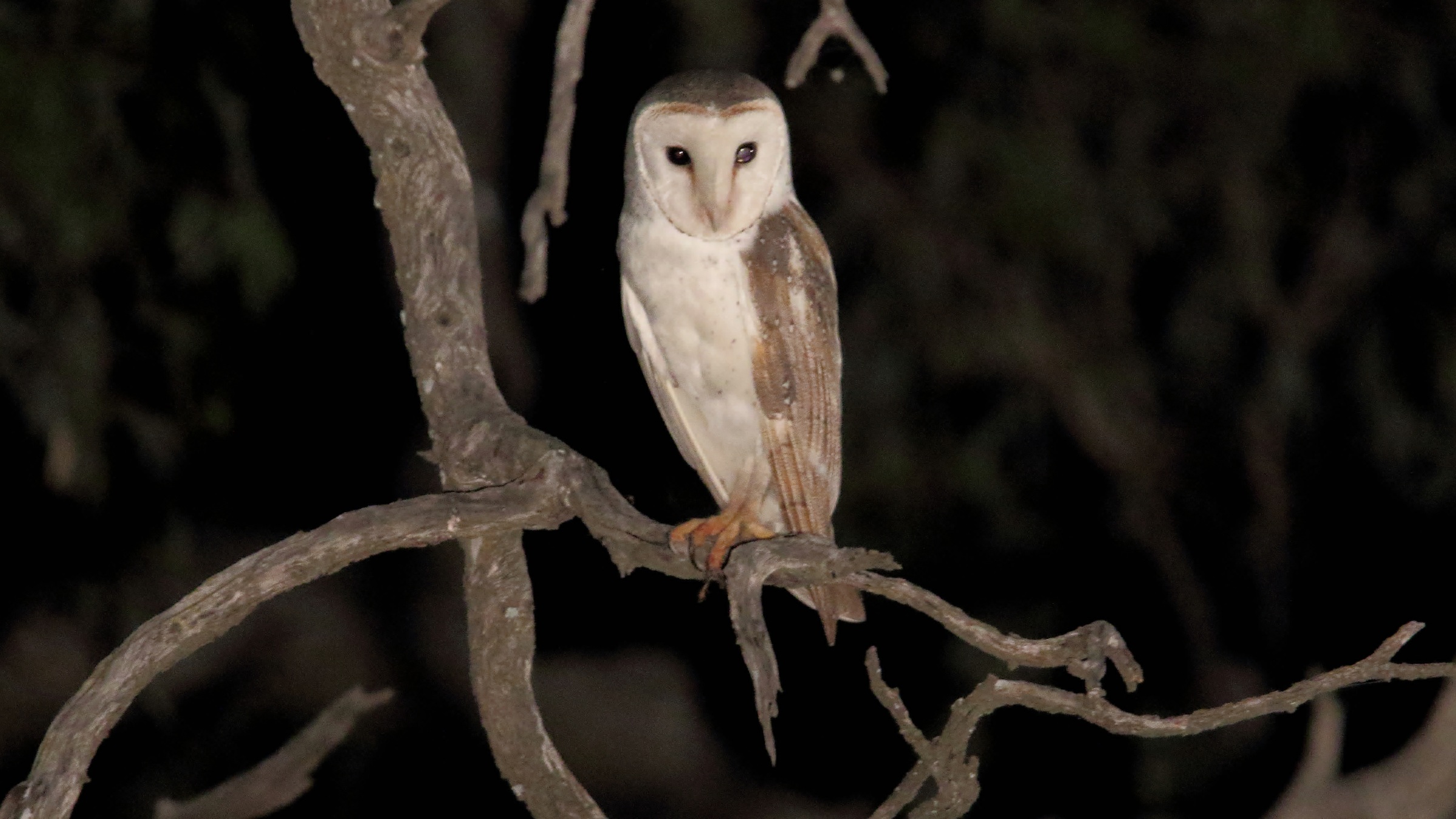
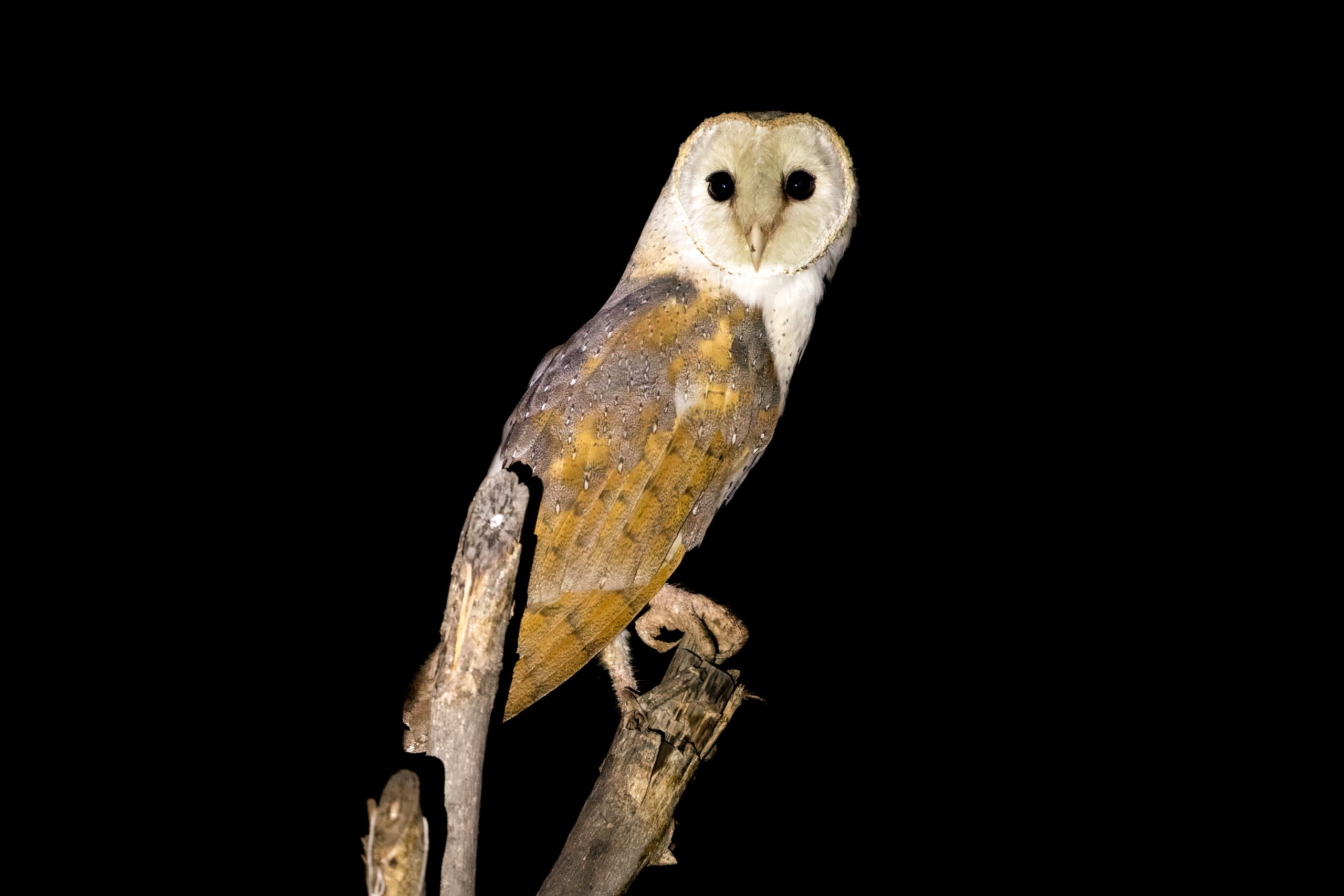
A 2026 study of eastern barn owl (Tyto javanica delicatula) pellets from two sites in the eastern Australian arid zone found diets overwhelmingly dominated by introduced house mice. Owl pellets are compact masses of indigestible prey remains such as bones, teeth and fur that are regurgitated after feeding. By identifying skulls, jaws and other diagnostic remains, researchers can estimate the minimum number of prey individuals represented in a pellet sample. The samples came from Mulyungarie Station in north-eastern South Australia and Naree Reserve in north-western New South Wales.
At Mulyungarie, 47 pellets and some fragmented material collected in 2011 contained a minimum of 278 identified prey individuals. Mammals made up 98% of prey by number, with house mouse (Mus musculus) alone accounting for 88%. Native mammals contributed 10% by number and included several dunnarts and native rodents. By estimated biomass—the combined body mass represented by the prey rather than simply how many individuals were counted—house mice contributed 85% and native mammals 14%.
The Naree material, collected in 2022, consisted of 15 whole pellets plus fragmented material. Researchers identified 105 house mice and a single insect. House mice therefore made up 99% of prey by number and essentially 100% of estimated prey biomass in this sample. The authors note that the dominance of mice may partly reflect the severe mouse plague in inland northern New South Wales in 2021 and continued wet conditions in 2022. Pellet contents show what the owl ate, but without independent data on prey abundance they cannot by themselves demonstrate that the owl actively preferred house mice over other available prey.
The Mulyungarie sample also contained several native small mammals of interest, including dusky hopping mouse (Notomys fuscus), plains mouse (Pseudomys australis) and little long-tailed dunnart (Sminthopsis dolichura). The authors note that some of these records represent minor to substantial range extensions if the prey was taken locally.
Ecology
Related news
Frequent Researcher Visits Were Linked to Lower Eastern Barn Owl Nest Survival During Incubation
Across 57 nest boxes and 108 breeding attempts in Malaysian oil-palm plantations, more frequent researcher visits were linked…
Read story →
Mean Eastern Barn Owl Nest-box Damage Ranged From 1.2% to 11.2% Across Five Thai Oil-palm Plantations
Monitoring of 452 eastern barn owl nest boxes in southern Thailand found mean damage rates ranging from 1.2%…
Read story →
Measurements of 1,463 Barn Owls Supported a Three-Species Split
A 2026 study of 192 live and 1,271 museum barn owls found consistent differences in body size and…
Read story →SPECIES IN THIS STORY
Species in this story
Independent research and conservation news archive
Did you find this information useful?
Wildlife Vagabond is independently built and maintained. Voluntary support helps cover source verification, hosting and continued work on research and conservation news.
Support Wildlife VagabondThe news archive will remain freely available.