
A 1,200-Year Record Shows an Unprecedented Modern Decline at One Arctic Eider Colony
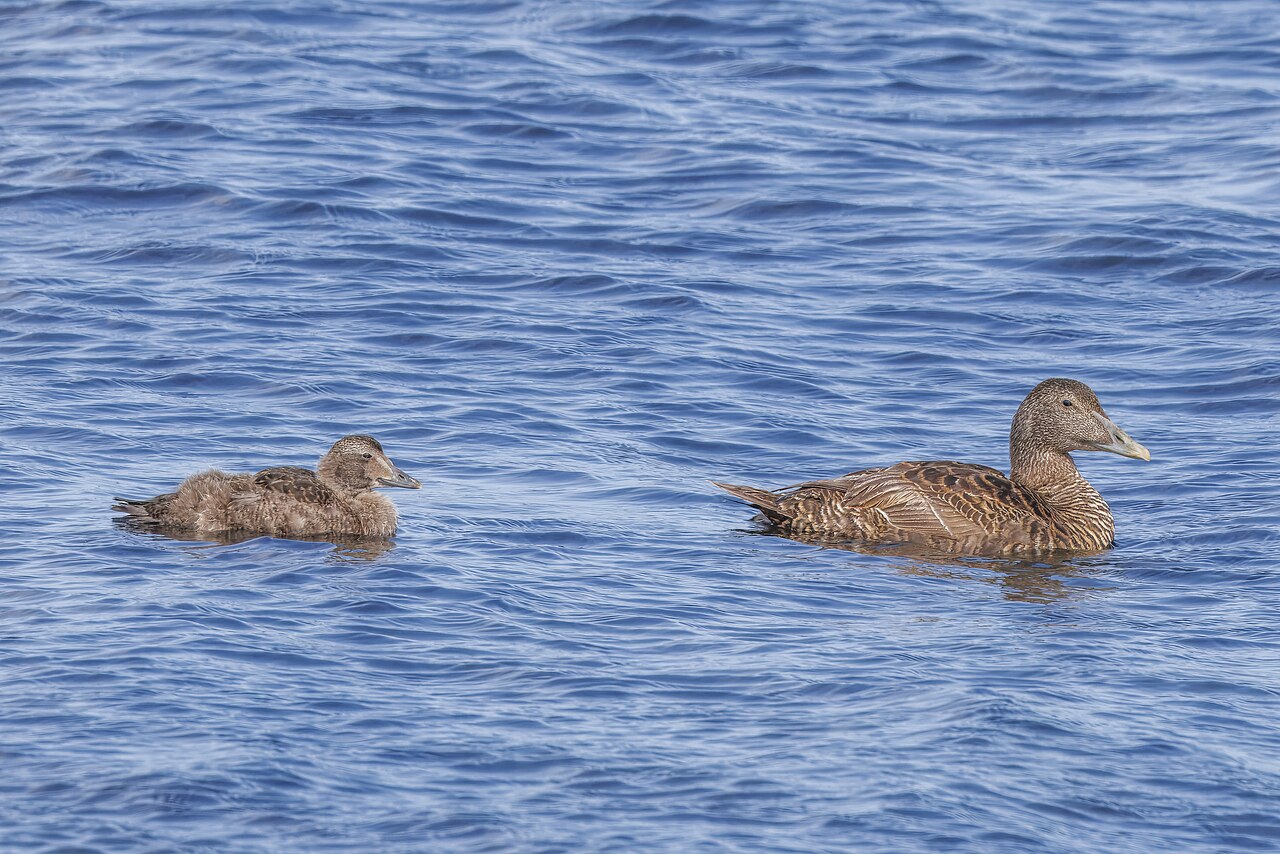
A study of northern common eiders (Somateria mollissima borealis) has reconstructed roughly 1,200 years of local population change at a breeding colony in Digges Sound, northeastern Hudson Bay, Canada. The long record provides a baseline far beyond modern nest counts for judging how unusual the colony’s recent decline has been.
The researchers combined two natural archives: a peat deposit beside the nesting area and sediments from the island’s pond. Eider guano leaves elevated stable nitrogen isotope values and characteristic metal and metalloid signals, allowing the researchers to estimate how strongly nesting birds influenced the island through time. Peat accumulation began around 950 CE, accompanied by chemical evidence consistent with an established eider colony.
The colony was largest during colder periods
The reconstructed population was particularly large during colder periods, reaching especially high levels during the Little Ice Age. This was not entirely what the researchers had expected: extensive sea ice can restrict access to feeding habitat and may create ice connections that help mammalian predators reach nesting islands. The authors instead suggest that this island’s unusually high elevation — about 18 metres above sea level — may have made it especially favourable in cold springs. Windswept high ground could become free of snow before lower islands, while the site may also have offered less predator access.
The modern decline began after the mid-1800s
Both the peat and lake records show a decline after the mid-nineteenth century. In the peat archive, recent guano input fell to the lowest level in the roughly 1,200-year record. The authors therefore conclude that the twentieth-century decline at this colony was unprecedented within its reconstructed nesting history. In their conclusion, they describe the sharp decline after about the 1870s as likely linked to warming and increased human harvest.
The study also shows that peat can preserve a strong long-term signal of seabird occupation and may provide a useful archive where conventional monitoring extends back only decades. At the same time, the authors stress that this reconstruction comes from one relatively high island. They can conclude that this local eider population increased during colder periods, but cannot yet extend that pattern to the whole Digges Sound region without comparable peat records from additional islands, including lower-lying sites.
Population & status
Related news
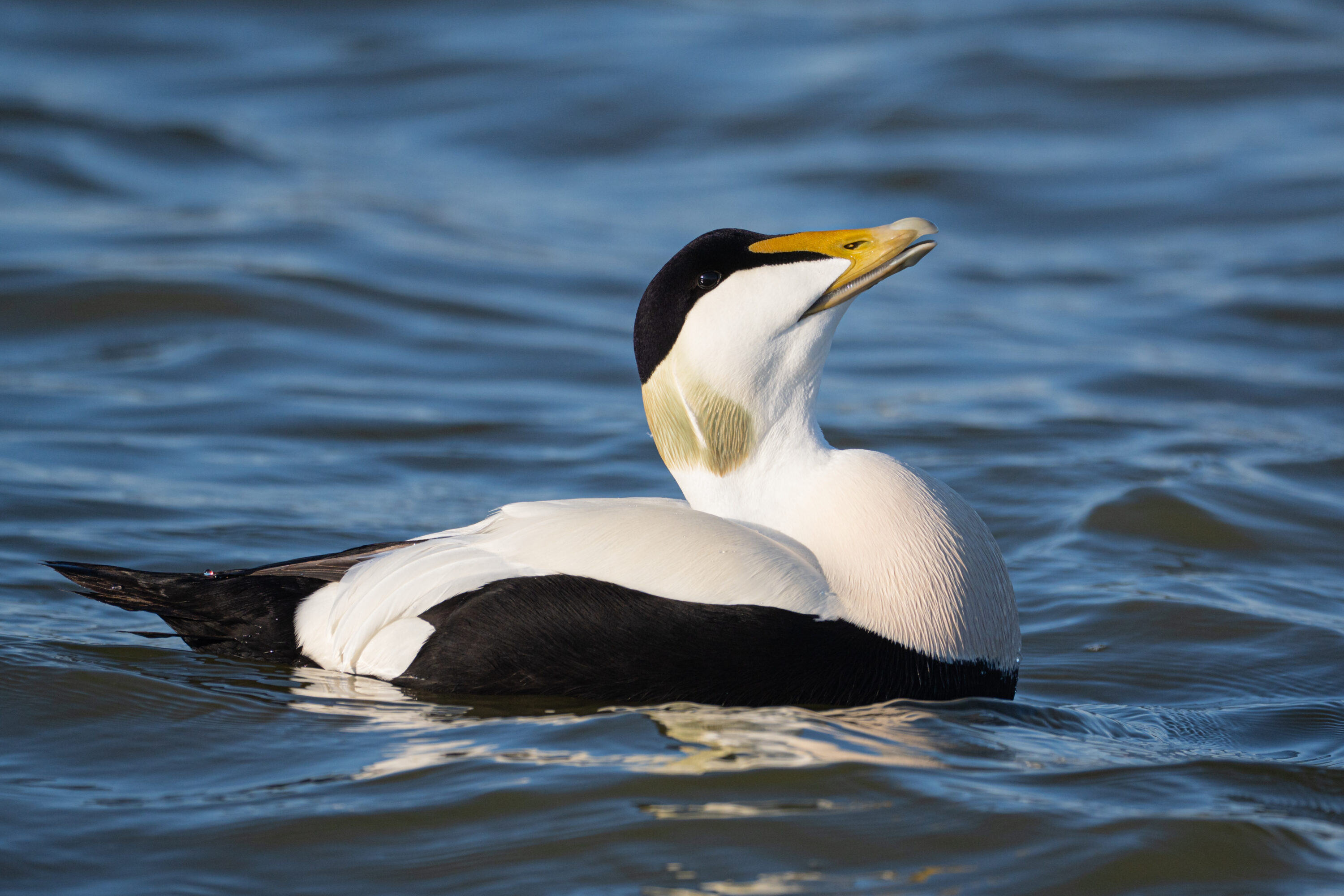
Colour-Banded Eider Linked Nunavut and Iceland More Than 2,800 Kilometres Apart
A male northern common eider banded on East Bay Island, Nunavut, in 2023 was filmed in western Iceland…
Read story →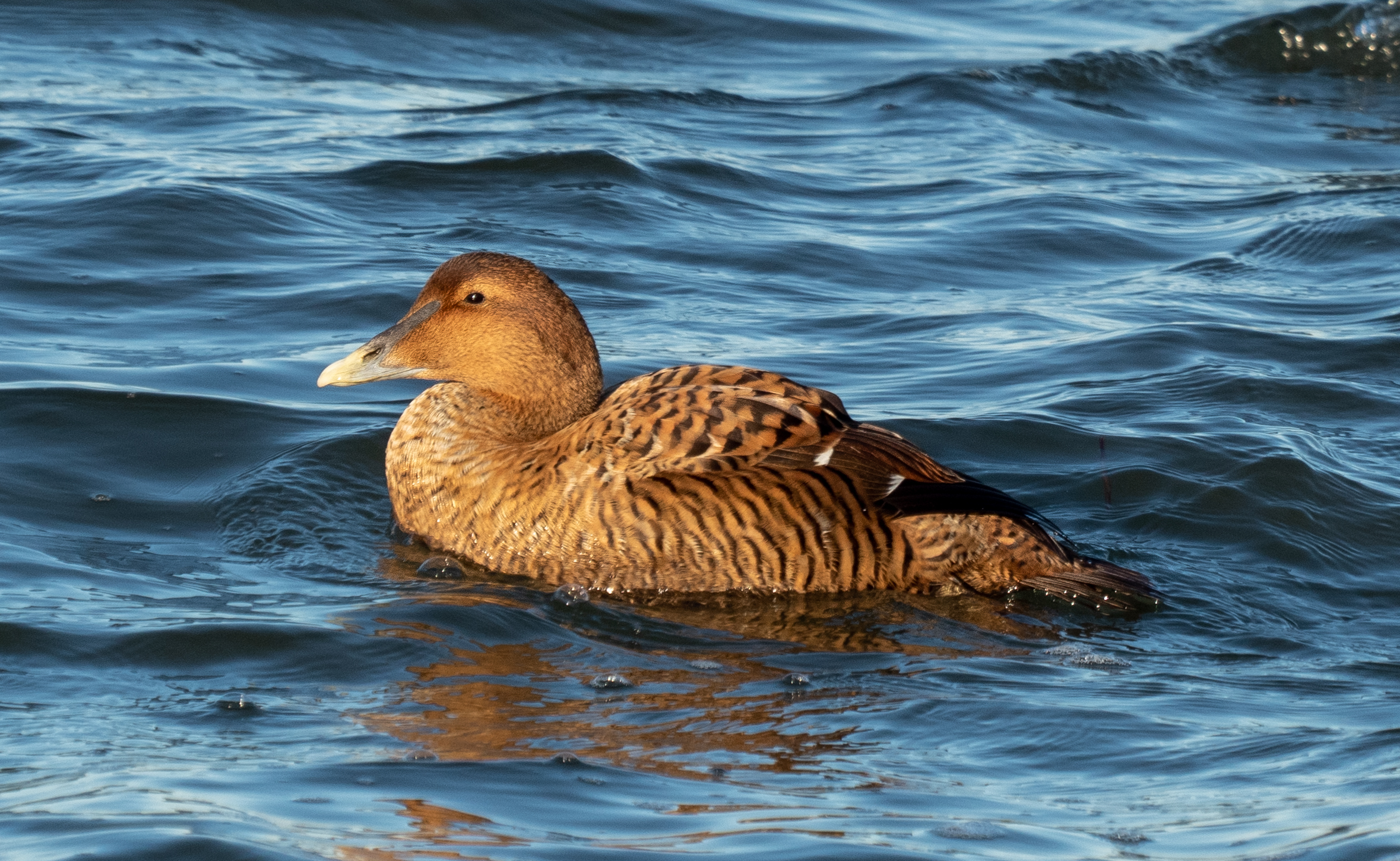
Only About Half of American Common Eider Females Were Estimated to Breed in a Given Year
Satellite tracking of 123 females across Maine and eastern Canada estimated overall breeding propensity at 53%, while regional…
Read story →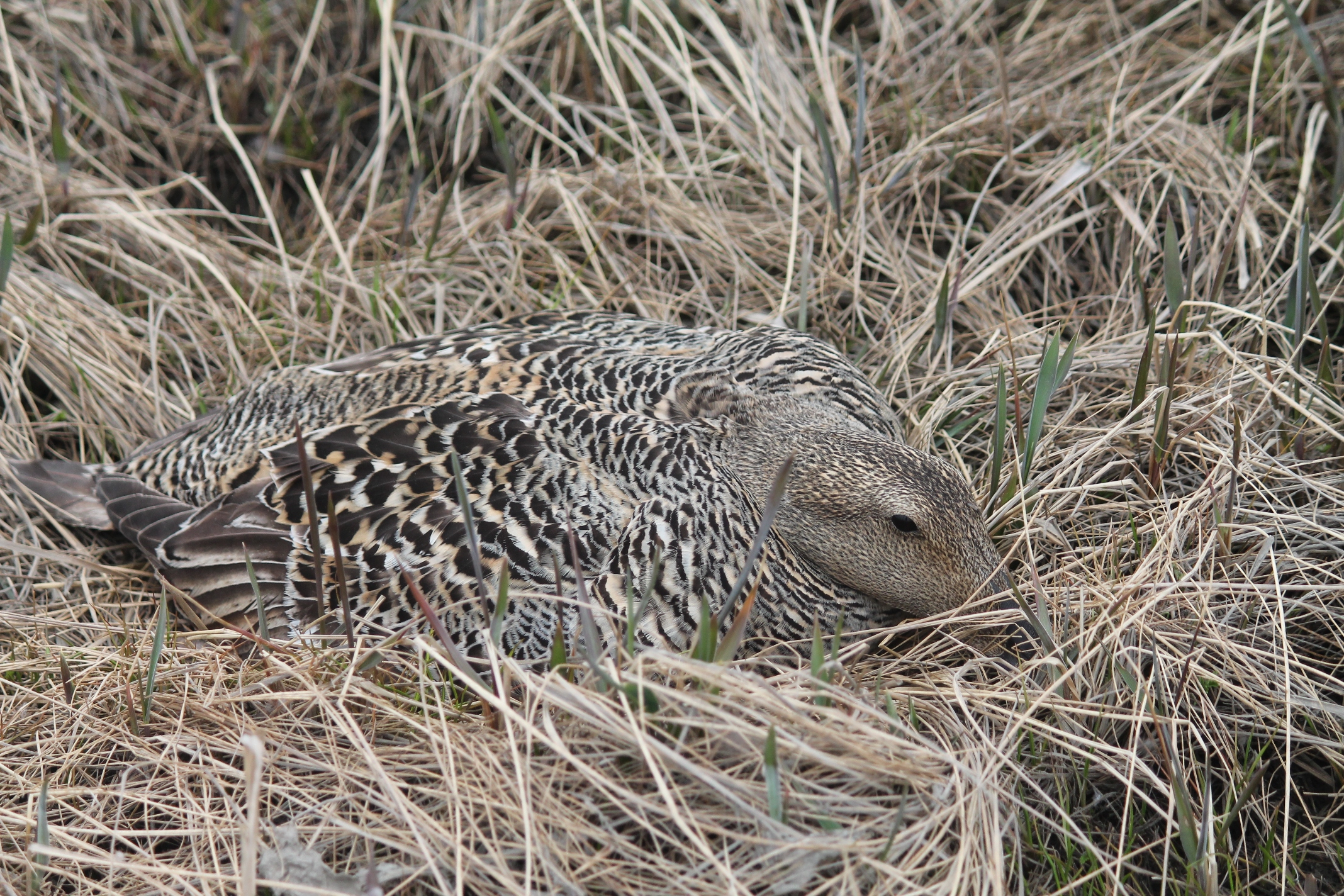
Higher PFOS Was Linked to Lower Egg Temperatures in Finnish Common Eiders
Researchers studied 18 female common goldeneyes and 37 female common eiders in Finland. Higher PFOS was linked to…
Read story →SPECIES IN THIS STORY
Species in this story

Independent research and conservation news archive
Did you find this information useful?
Wildlife Vagabond is independently built and maintained. Voluntary support helps cover source verification, hosting and continued work on research and conservation news.
Support Wildlife VagabondThe news archive will remain freely available.