
Common Eider Females Moved Farther and Switched Islands More Often After Nest Failure and High Local Nest Predation
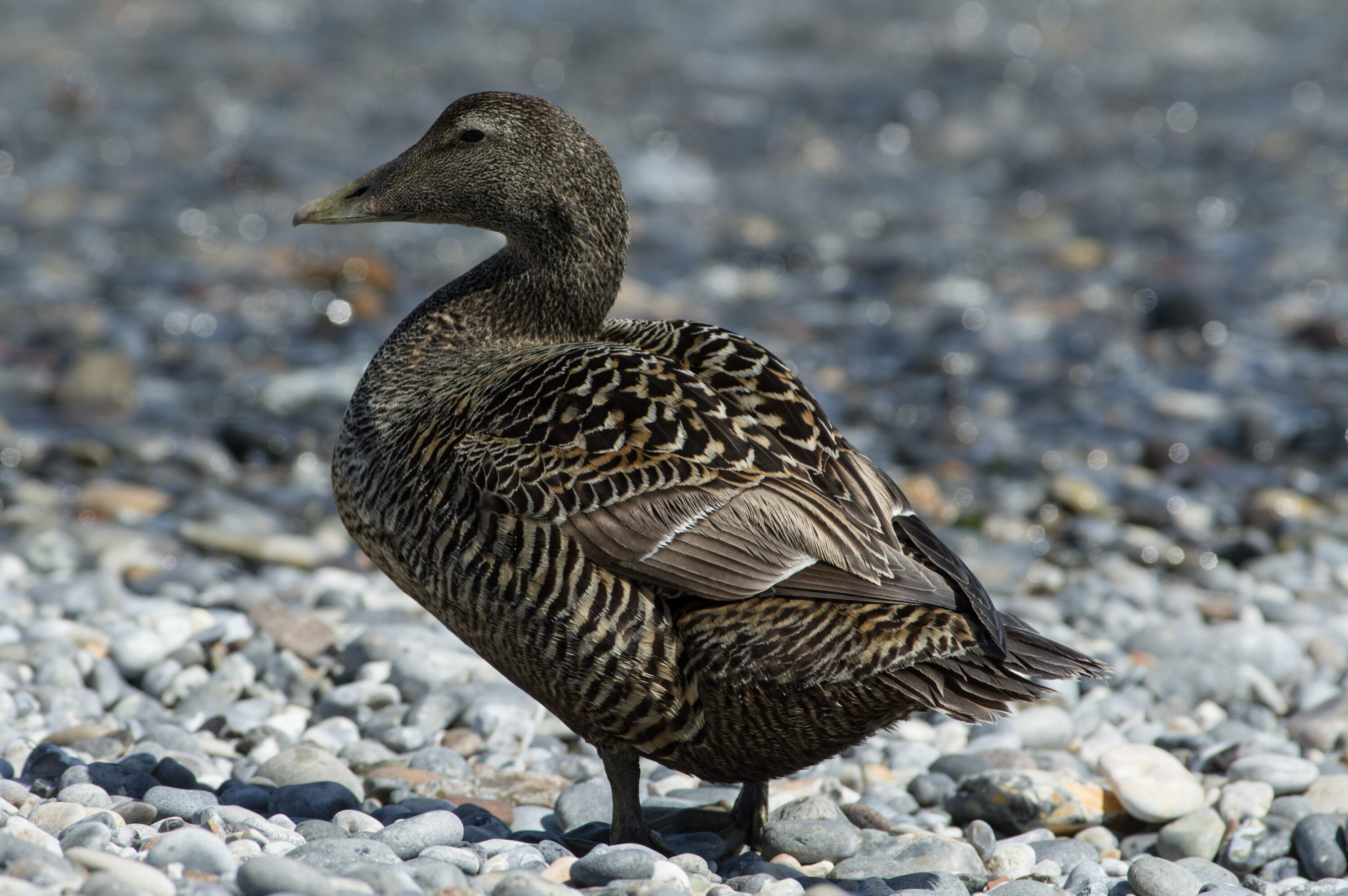
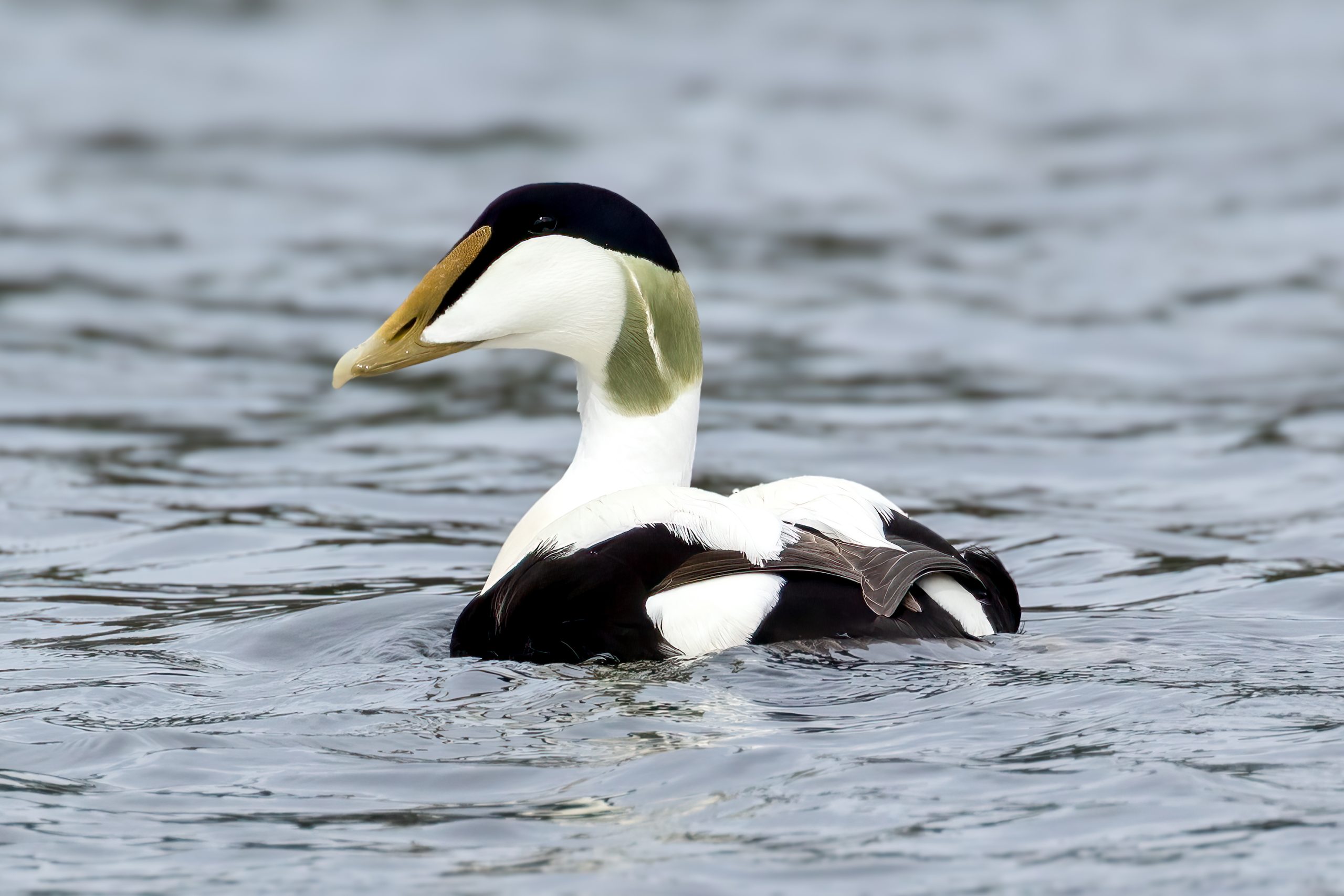
Female common eiders (Somateria mollissima) moved farther between breeding attempts after losing a nest to predators and when nest predation was high on their breeding island. Researchers followed breeding movements in the Tvärminne archipelago in southwestern Finland for 21 years. They analysed 1,190 movements between successive breeding attempts from 505 females between 2003 and 2023. Females changed breeding islands in 12.9% of these dispersal events.
Failed Nests Prompted Longer Moves
Females whose nests had been lost to predators moved farther within the same island the following year. They also moved farther after seasons when a larger proportion of nests on their breeding island had been taken by predators. The same pattern appeared at the larger spatial scale: females were more likely to switch islands after their own breeding failure and after high island-level nest predation.
The authors interpret this as a “win-stay, lose-switch” strategy operating at more than one scale. Females did not respond only to the outcome of their own nest; they also appeared to use public information from the fate of neighbouring nests when deciding whether and how far to move.
Island Switching Varied With Age and Eagle Abundance
Age mattered particularly for movements between islands. Older females were less likely to change islands than younger females, and this age difference was not explained by previous breeding success. The researchers suggest that greater experience and familiarity with local nesting habitat may allow older birds to adjust where they nest without abandoning an entire island.
Island switching was also more likely in years with high abundance of white-tailed eagles (Haliaeetus albicilla), the main predator of adult eiders in the study system. Females tended to move toward larger islands, which generally provide more forest cover and a greater variety of sheltered nesting sites. The authors therefore suggest that females assess predation risk beyond the immediate nesting area when deciding whether to leave an island.
These results show that breeding dispersal in female eiders is flexible rather than fixed. The birds appeared to use information from their own breeding outcome and from neighbouring nests, while age and white-tailed eagle abundance were especially important for whether they switched islands. The study did not test whether moving after failure actually improves later reproductive success, so the results document how females respond to risk rather than proving that every move is advantageous. The authors nevertheless suggest that such flexibility may help this endangered Baltic population persist under intense predation pressure.
Behaviour
Related news
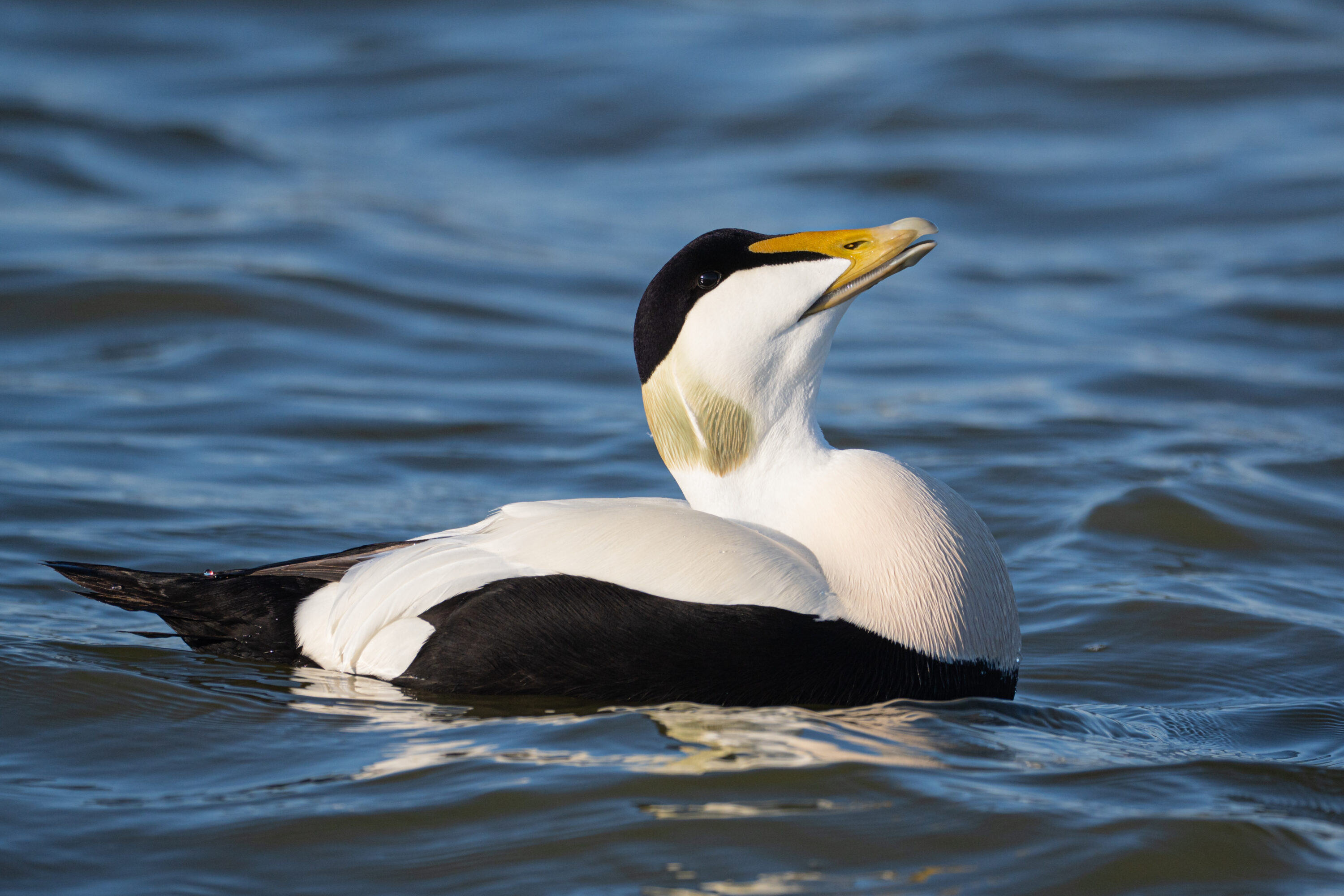
Colour-Banded Eider Linked Nunavut and Iceland More Than 2,800 Kilometres Apart
A male northern common eider banded on East Bay Island, Nunavut, in 2023 was filmed in western Iceland…
Read story →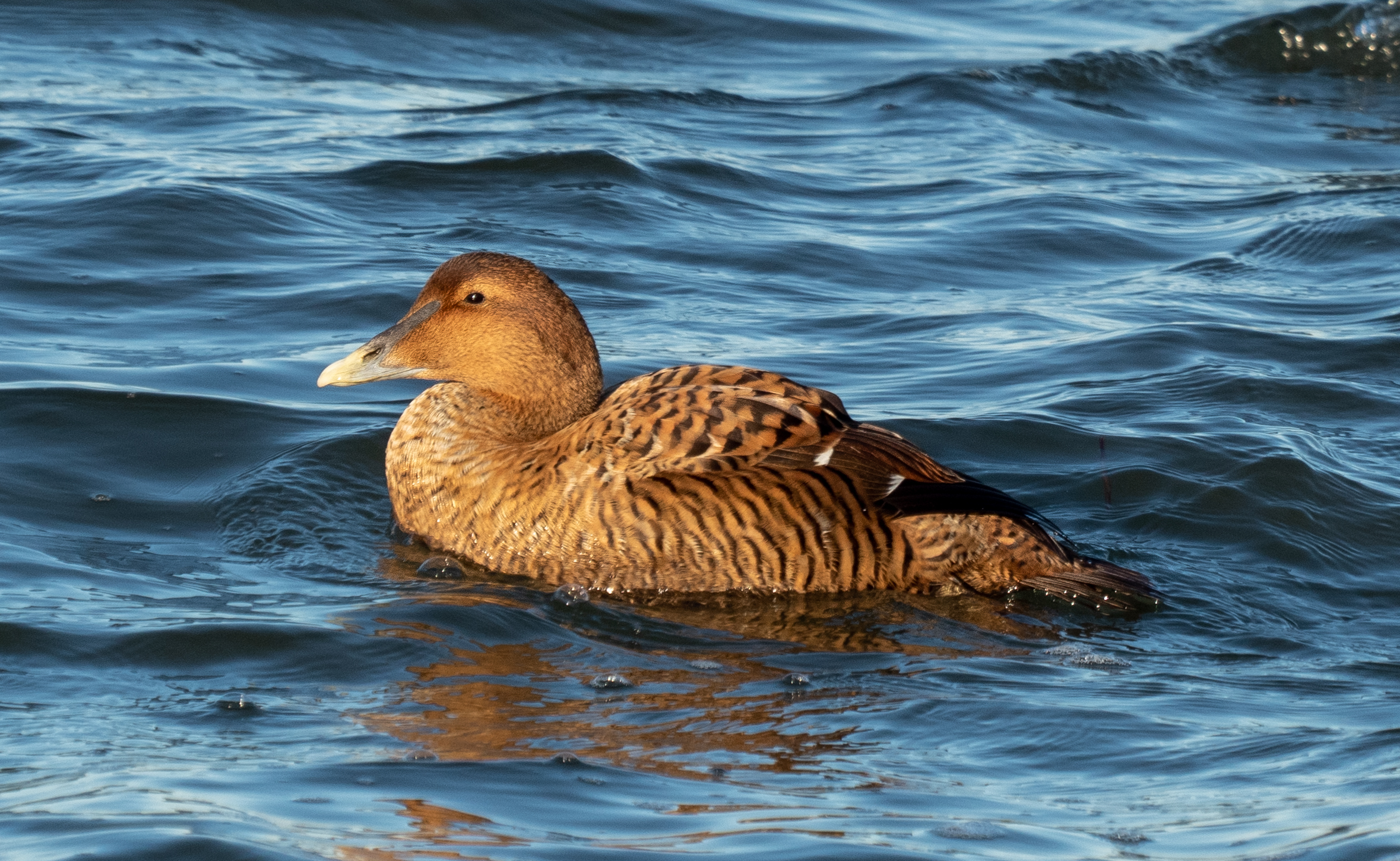
Only About Half of American Common Eider Females Were Estimated to Breed in a Given Year
Satellite tracking of 123 females across Maine and eastern Canada estimated overall breeding propensity at 53%, while regional…
Read story →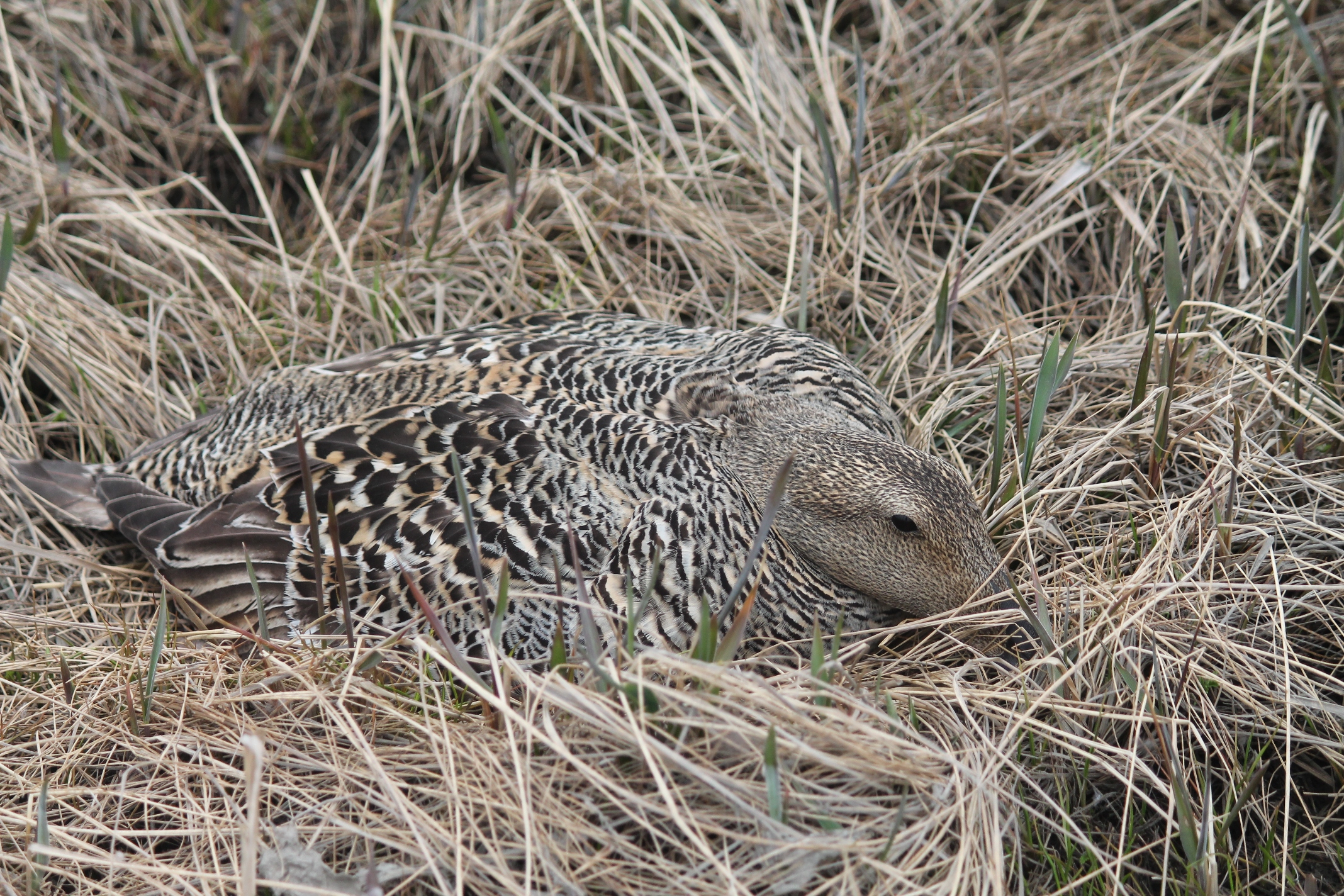
Higher PFOS Was Linked to Lower Egg Temperatures in Finnish Common Eiders
Researchers studied 18 female common goldeneyes and 37 female common eiders in Finland. Higher PFOS was linked to…
Read story →SPECIES IN THIS STORY
Species in this story
Independent research and conservation news archive
Did you find this information useful?
Wildlife Vagabond is independently built and maintained. Voluntary support helps cover source verification, hosting and continued work on research and conservation news.
Support Wildlife VagabondThe news archive will remain freely available.