
Elephant-linked Vegetation Disturbance Was Mostly Low to Moderate, With Higher Levels Near Water in Matetsi
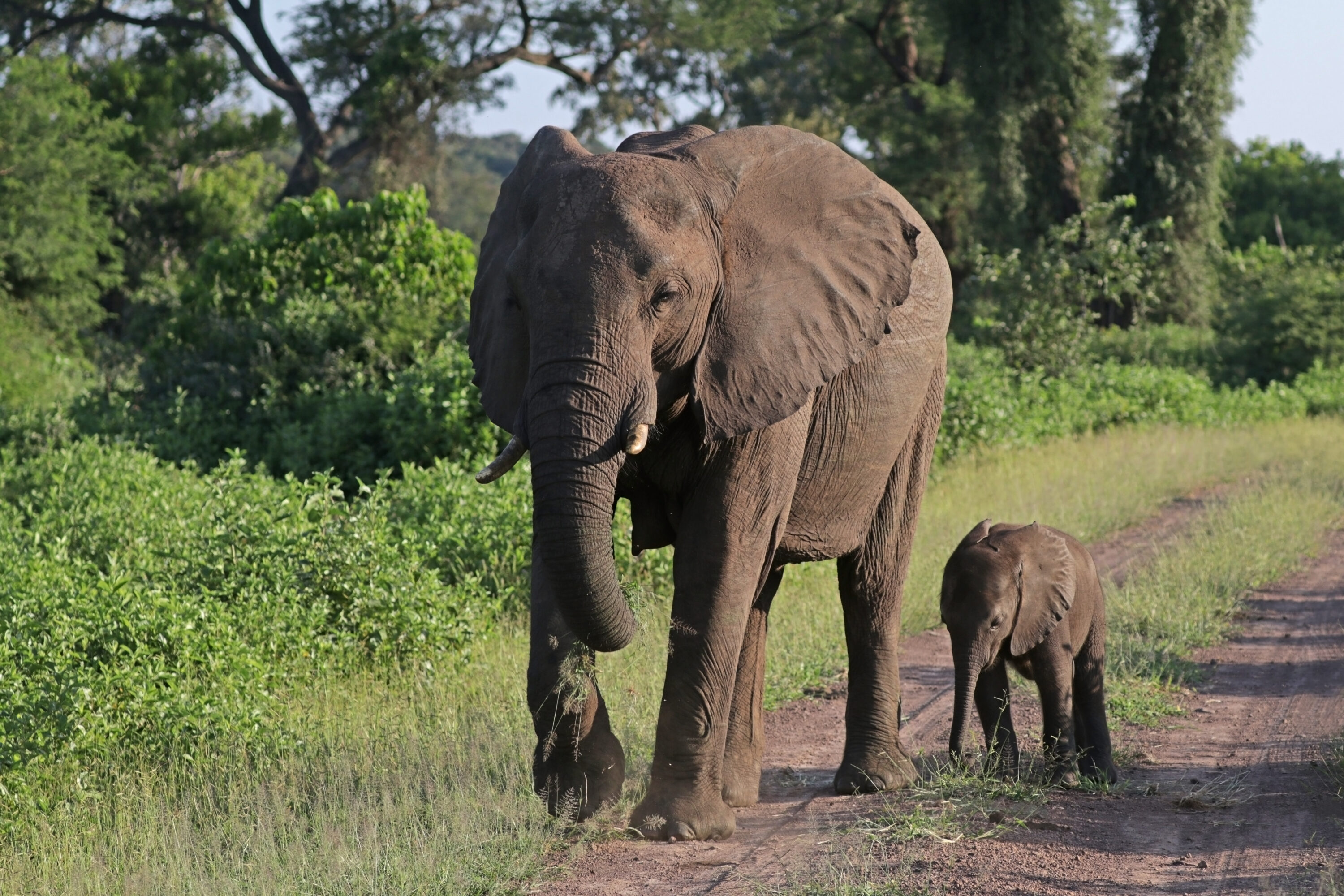
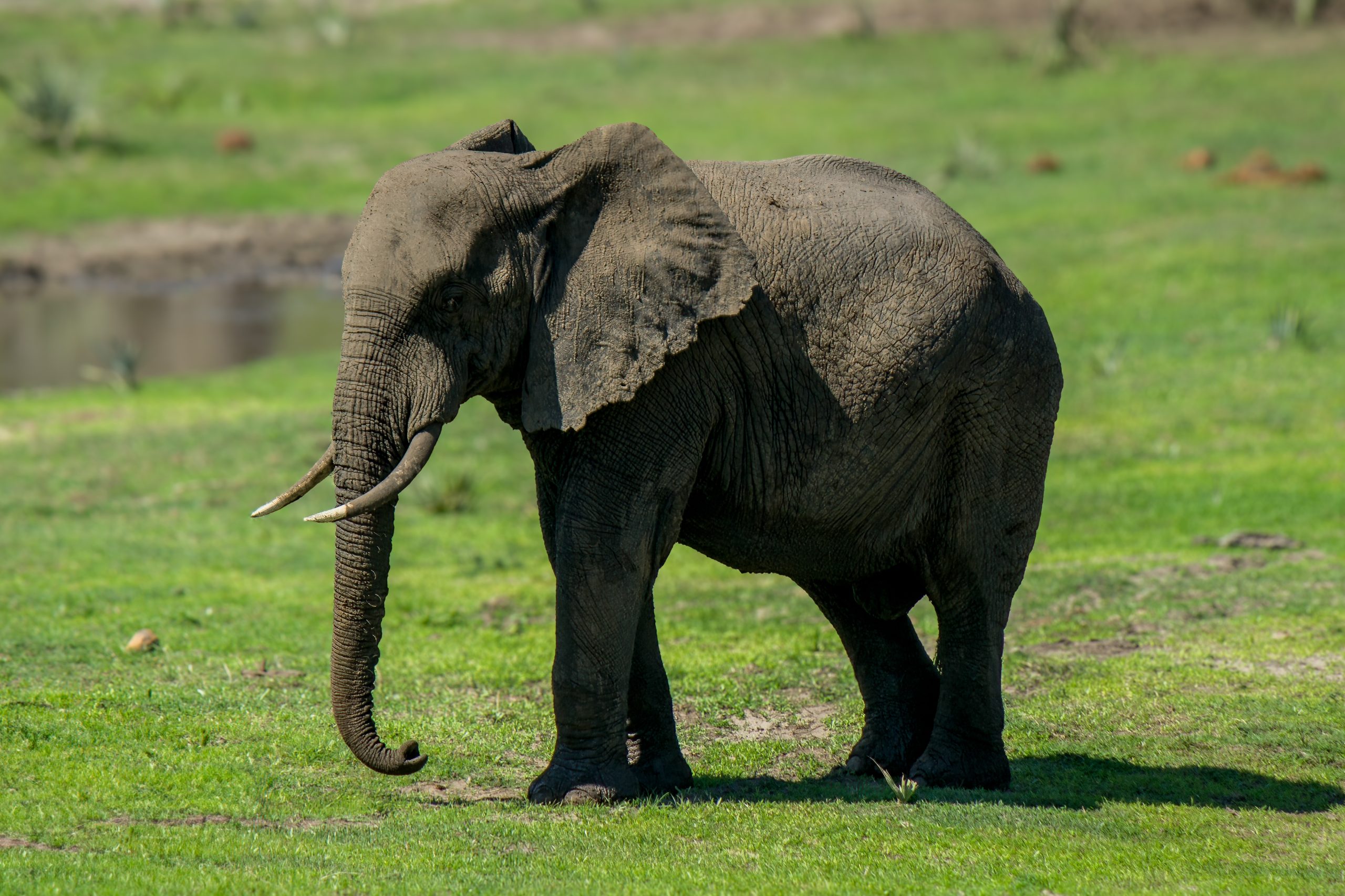
African bush elephant (Loxodonta africana) effects on vegetation were strongly uneven across Zimbabwe’s Matetsi Safari Area rather than spread uniformly across the landscape. In a study published online on 6 July 2026, about 65% of the sampled plots were classified as having low to moderate disturbance, while higher disturbance was concentrated around water-dependent habitats.
The researchers combined repeated field measurements with satellite data so that damage observed on individual trees could be placed in a wider landscape context. Thirty-eight vegetation plots, each 50 × 50 metres, were surveyed in June 2024, November 2024 and June 2025. Landsat imagery from 2015, 2020 and 2025 was used to map land cover and vegetation condition.
Fresh browsing was common within the field plots
Across the 38 plots, the team recorded 2,152 trees. Of these, 63.5% showed evidence of fresh elephant browsing. Field measurements included tree density, height, trunk diameter and signs of elephant damage, giving the model direct information on woody vegetation structure as well as browsing pressure.
The field data were combined with two satellite vegetation indices. NDVI measures vegetation greenness, while SAVI is a related index that reduces the influence of exposed soil — particularly useful in a semi-arid savanna. Land-use and land-cover classes were also included.
Most disturbance was low to moderate, not landscape-wide degradation
The resulting disturbance pattern was highly spatial. Low and low–medium disturbance dominated rugged and elevated areas where the vegetation remained relatively intact. Overall, about 65% of sampled plots fell in the low-to-moderate range, and the authors describe vegetation structure as largely stable despite changes in land cover.
By contrast, about one-third of the surveyed landscape fell within elevated disturbance classes. Higher disturbance was therefore concentrated in particular parts of Matetsi rather than representing uniform degradation of the wider savanna.
Perennial rivers, floodplains and artificial waterpoints were hotspots
High and very high disturbance was concentrated along perennial rivers, floodplains and artificial waterpoints. The authors link these hotspots to repeated elephant use of reliable water sources, especially during dry-season aggregation. Browsing, trampling and tree damage can accumulate where elephants repeatedly return to the same areas.
Vegetation type also mattered. Mopane and mixed woodlands were among the more affected communities, while elevated Miombo areas acted as lower-disturbance refugia. The authors relate this contrast to differences in accessibility, forage preference and resource distribution.
Tree quantity and satellite greenness were the strongest predictors
A Random Forest model was used to classify the vegetation plots along a five-level disturbance gradient. This method combines many decision trees and lets their classifications collectively determine the final disturbance class. Tree quantity, NDVI and SAVI were the strongest predictors, while mean tree diameter and mean tree height contributed less.
Vegetation greenness and structural attributes declined progressively as disturbance increased. The model achieved 87.5% overall classification accuracy, indicating strong agreement between predicted disturbance classes and the field observations used for validation.
The model identifies local pressure points
The authors emphasise the spatial pattern: Matetsi contained both relatively intact areas and localised zones of much stronger pressure, with water-dependent habitats standing out as the main hotspots.
They present the combined field-and-satellite approach as a way for managers to identify high-risk areas for targeted intervention and to follow vegetation change over time. The study concludes that elephant effects in this dry savanna are non-random and mediated by water availability, terrain and vegetation type.
Ecology
Related news
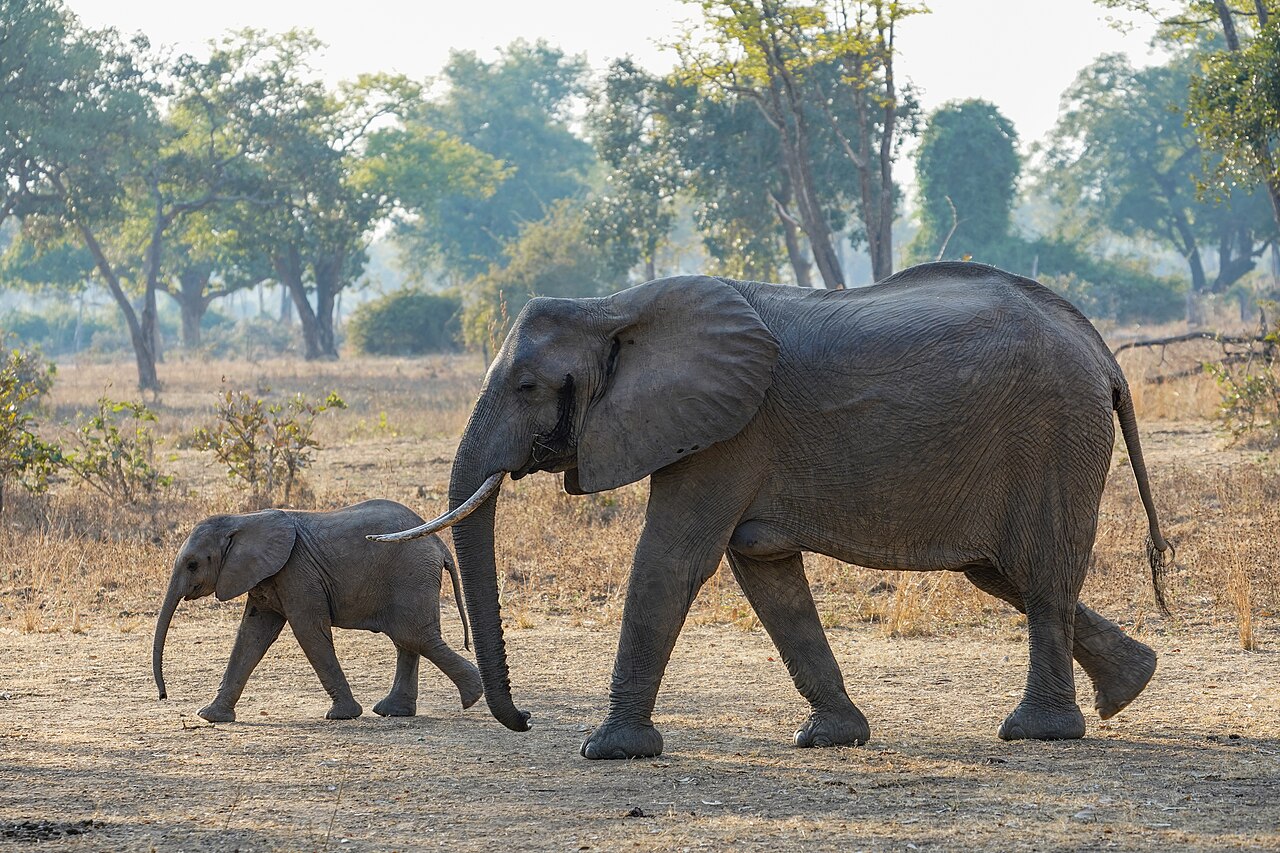
An ancient viral gene may have been repurposed in elephant placenta
An ancient viral gene that appears to have been inherited for at least 79 million years is strongly…
Read story →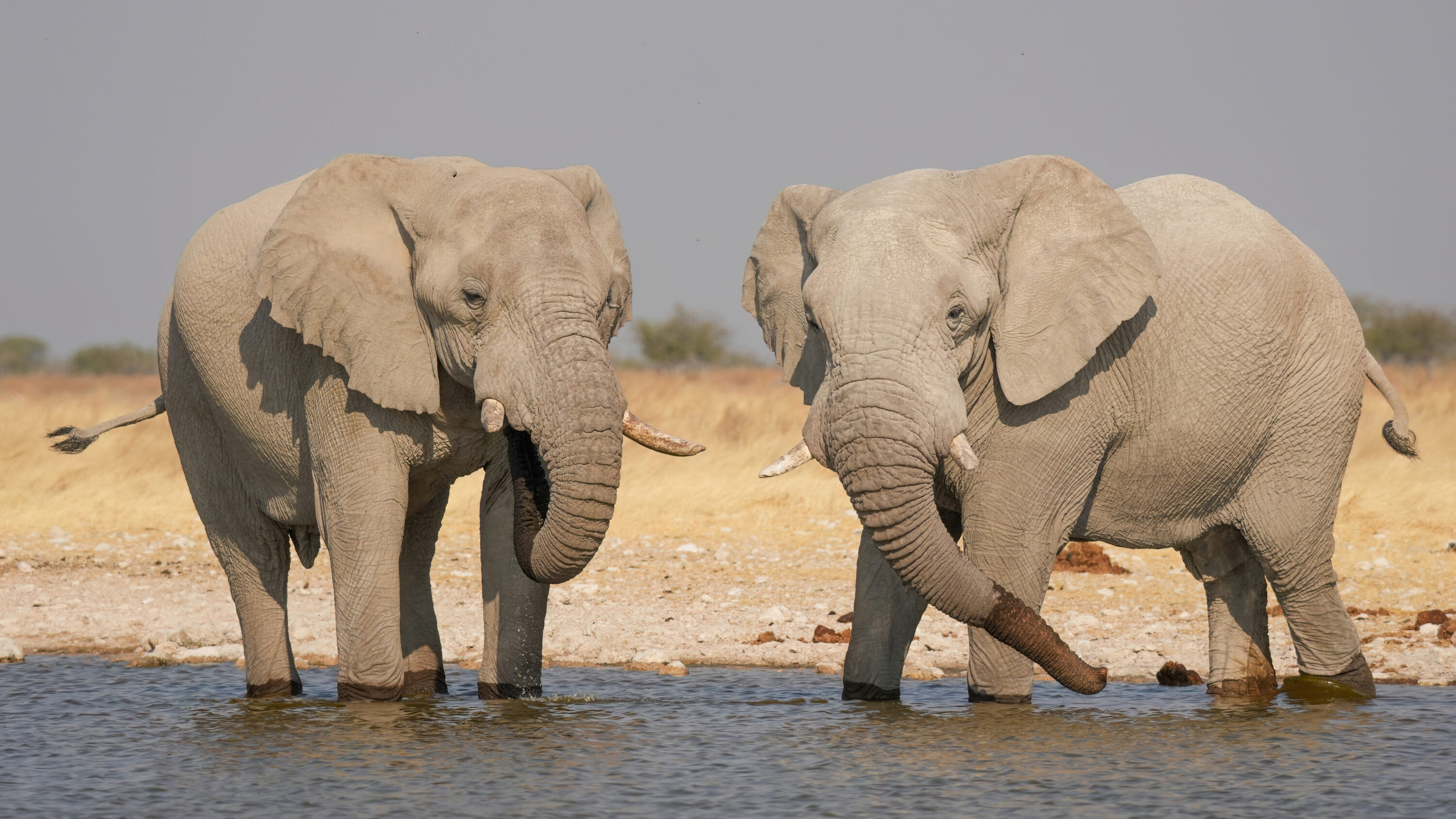
Three Ways of Analysing Elephant Calls Gave Different Results
Recordings from a semi-free herd in South Africa show how the method used to classify call timing can…
Read story →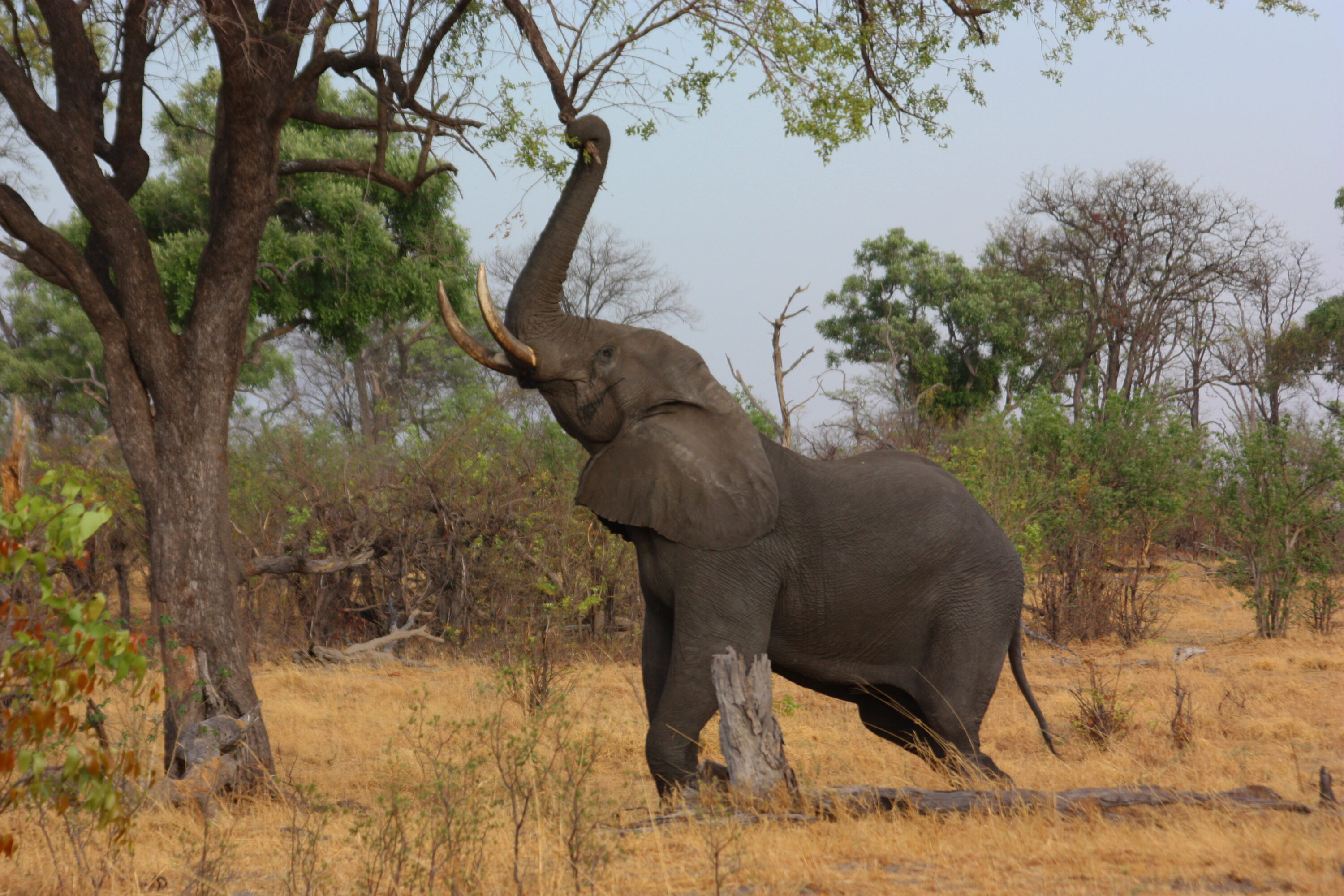
African Bush Elephants Distinguished Artificial Food-Quantity Patterns at Close Range
In experiments in South Africa, four semi-tame elephants chose between visual patterns representing canopy size and leaf density.…
Read story →SPECIES IN THIS STORY
Species in this story
Independent research and conservation news archive
Did you find this information useful?
Wildlife Vagabond is independently built and maintained. Voluntary support helps cover source verification, hosting and continued work on research and conservation news.
Support Wildlife VagabondThe news archive will remain freely available.