
Enterocytozoon bieneusi Was Detected for the First Time in Italian Wild Boar
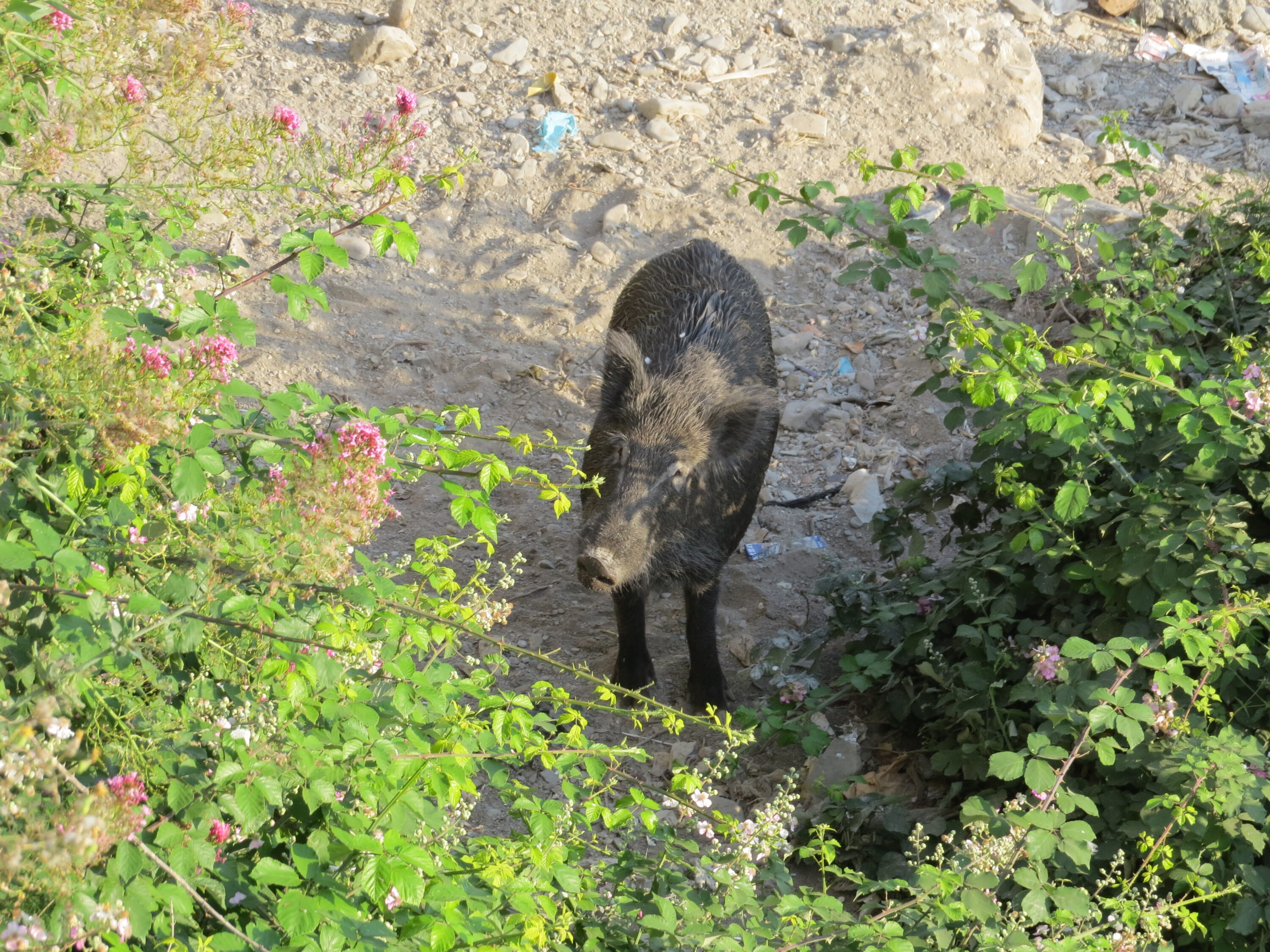
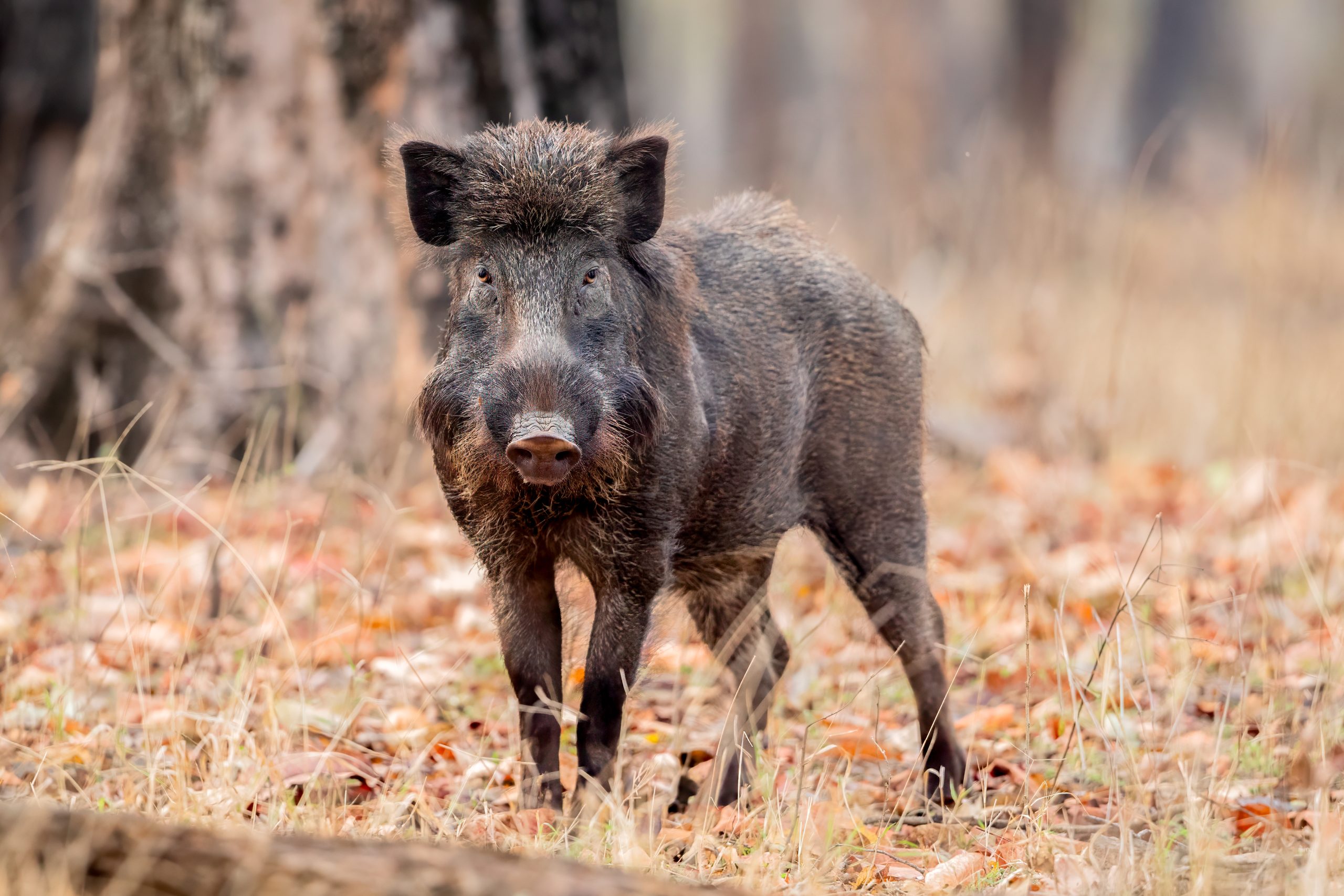
A 2026 parasite survey of wild boar (Sus scrofa) in central Italy detected Enterocytozoon bieneusi in eight of 46 animals, providing the first molecular evidence of this microsporidian in Italian wild boar. Microsporidians are microscopic parasites that can colonise intestinal tissue; some E. bieneusi genotypes are also known from humans and other animals. The animals were sampled during the 2023 hunting season in the Marche region, including hunting grounds in Ancona, Macerata and Fermo provinces and around Monti Sibillini National Park.
The study combined microscopy of faecal samples with molecular analyses of selected parasites of zoonotic interest. The broader aim was not limited to E. bieneusi: the researchers examined the gastrointestinal parasite community and then characterised Balantioides coli, Blastocystis and E. bieneusi in greater molecular detail.
Nearly half of the wild boar carried at least one parasite taxon
Microscopy detected at least one gastrointestinal parasite taxon in 22 of the 46 animals, or 47.8%. Nine positive animals carried one taxon, while 13 had coinfections with more than one. Thirteen parasite taxa were identified overall, including several groups of single-celled parasites and helminths, or parasitic worms.
Among the taxa examined further by molecular methods, Balantioides coli was confirmed in three of seven microscopy-positive animals. Blastocystis was characterised as subtype ST5 in two sequenced samples. These results placed the new E. bieneusi finding within a wider picture of gastrointestinal parasite diversity in wild boar from the study area.
Eight animals carried Enterocytozoon bieneusi DNA
Molecular testing detected E. bieneusi DNA in eight wild boar. Six sequences belonged to genotype D, while one each belonged to genotypes J and I. Phylogenetic analysis placed genotype D in Group 1, the group that includes genotypes with established zoonotic potential. Genotypes J and I clustered in Group 2.
The authors report that genotypes D, J and I had not previously been described from wild boar in any European country. They also note that genotype J had not previously been identified in either domestic pigs or wild boar worldwide. The Italian records therefore expand both the known geographic distribution of E. bieneusi in European wild boar and the known host range of genotype J.
The genotype pattern may connect wildlife and livestock epidemiology
The repeated detection of genotype D and the additional finding of genotype I are relevant because related genotypes have also been reported from domestic livestock. The authors discuss a possible epidemiological connection between wild boar and domestic swine populations in the study area, where semi-wild pig farming and cattle holdings can create opportunities for environmental overlap.
They present cross-species transmission or a shared environmental source as possible explanations, not as processes demonstrated by this survey. The study did not track transmission between individual hosts. Instead, the genotype pattern identifies a reason to examine the wildlife–livestock interface more closely.
The wider parasite community strengthens the One Health context
The study also detected parasites such as Giardia duodenalis, Ascaris spp., Trichuris sp. and gastrointestinal strongyles, alongside the molecularly characterised taxa. Some of these organisms or genotypes are relevant to animal or human health, although detection in wild boar does not by itself establish transmission to people or livestock.
The authors describe wild boar as having a dual epidemiological role: they can act as reservoirs for some parasites and as sentinels that reveal which potentially zoonotic organisms are circulating in shared environments. They therefore argue for integrated surveillance across wildlife, livestock and human health within a One Health framework, an approach that treats human, animal and environmental health as interconnected.
They also caution that the survey involved a limited number of animals and a restricted part of central Italy. The findings establish what was present in this sample and add new molecular records, but broader surveillance would be needed to determine how widespread the genotypes are across Italian wild boar populations.
Disease, parasites & microbiology
Related news
Maps Show Where Wild Boar Could Thrive and Spread on Jeju Island
Researchers mapped potentially suitable wild-boar habitat across roughly 36% of Jeju Island and identified eight possible corridors linking…
Read story →
Roe Deer and Wild Boar Remained Key Wolf Prey as Diet Shifted Across North-western Italy
From 2021 to 2025, wolves in north-western Italy continued to feed mainly on wild prey. In the Po…
Read story →
Copper levels in wild boar differed across Slovak districts
An analysis of kidney, liver and muscle from 147 wild boar in four districts found that iron and…
Read story →SPECIES IN THIS STORY
Species in this story
Independent research and conservation news archive
Did you find this information useful?
Wildlife Vagabond is independently built and maintained. Voluntary support helps cover source verification, hosting and continued work on research and conservation news.
Support Wildlife VagabondThe news archive will remain freely available.