
European Commission Replaced Its 2013 Guidance on Great Cormorant Derogations
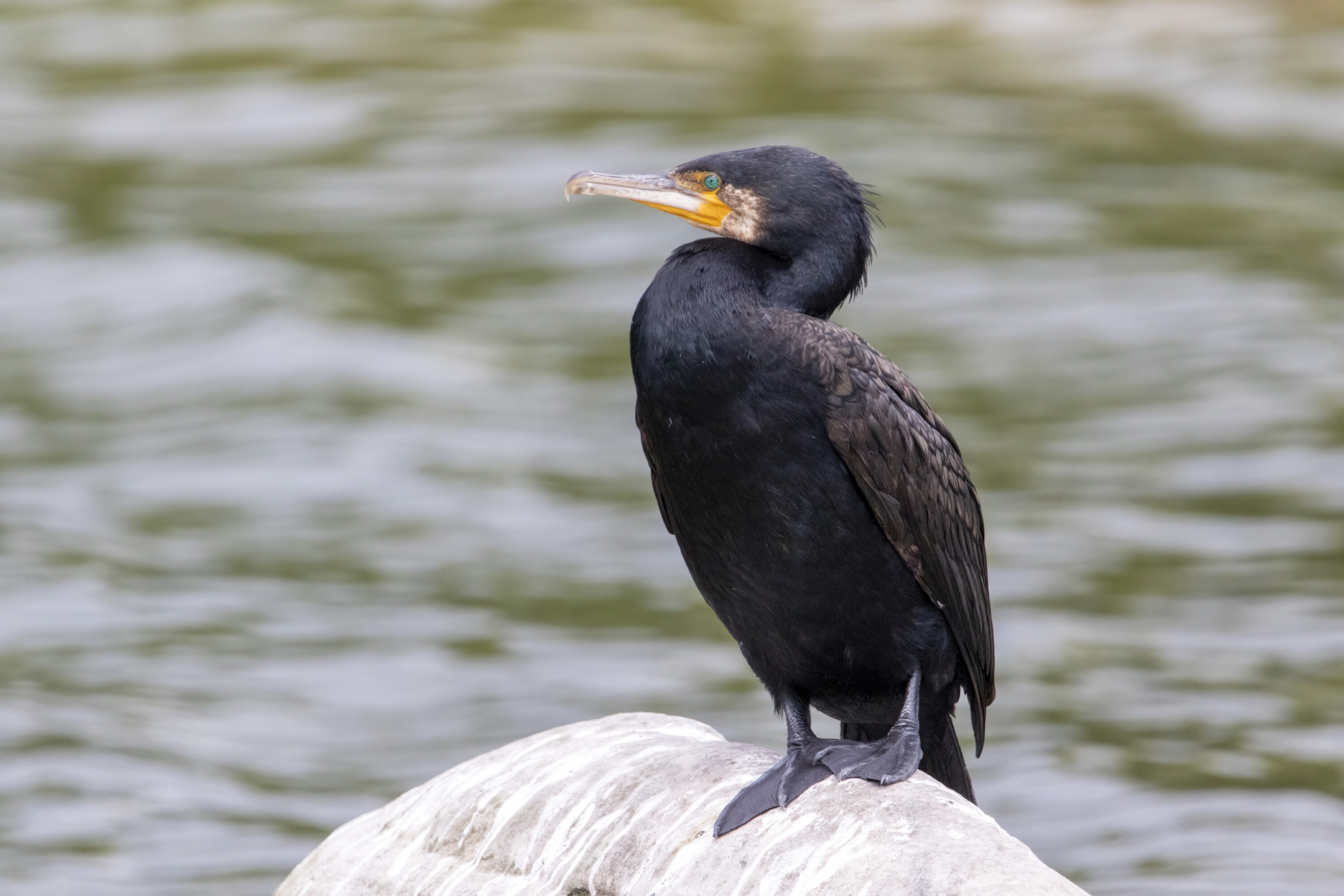
The European Commission published new guidance on 31 July 2026 on how Article 9 of the Birds Directive can be applied in conflicts involving Great Cormorants (Phalacrocorax carbo). Annex II of the Commission Notice explicitly replaces and updates the separate cormorant guidance published in 2013.
Derogations still require three Article 9 conditions
The document does not remove Great Cormorants from the Birds Directive’s general protection system. Member States may derogate from the normal prohibitions only when three conditions are met: there is no other satisfactory solution, one of the permitted reasons in Article 9 applies, and the technical requirements in Article 9(2) are fulfilled.
The guidance covers both non-lethal and lethal measures
The cormorant annex describes non-lethal options such as scaring birds and excluding them from fisheries and says alternatives must be assessed before derogations are justified. Where the Article 9 conditions are satisfied, it also discusses measures including shooting, limited lethal control, egg oiling and removal of nests or eggs. General authorisations can be possible when the formal conditions are met and the justification is clearly specified.
Member States do not need to consult the Commission before granting derogations, but they must report them annually. The guidance also says management must not reduce the Great Cormorant population and range to a level where it is no longer viable or maintained satisfactorily.
The Commission Notice is guidance, not new law
The 2026 document is interpretative guidance, not new binding legislation. The Commission states that it does not create new legal obligations and that only the Court of Justice of the European Union can give authoritative interpretations of EU law. Its role is to update the Commission’s guidance for authorities applying the existing Birds Directive.
Management
Related news

Great Cormorants Increased as Southern Baltic Diving Seabirds Stayed 40% Below Early-1990s Levels
A 35-year analysis of Polish Baltic winter surveys found strong growth in great cormorants, while the wider diving-seabird…
Read story →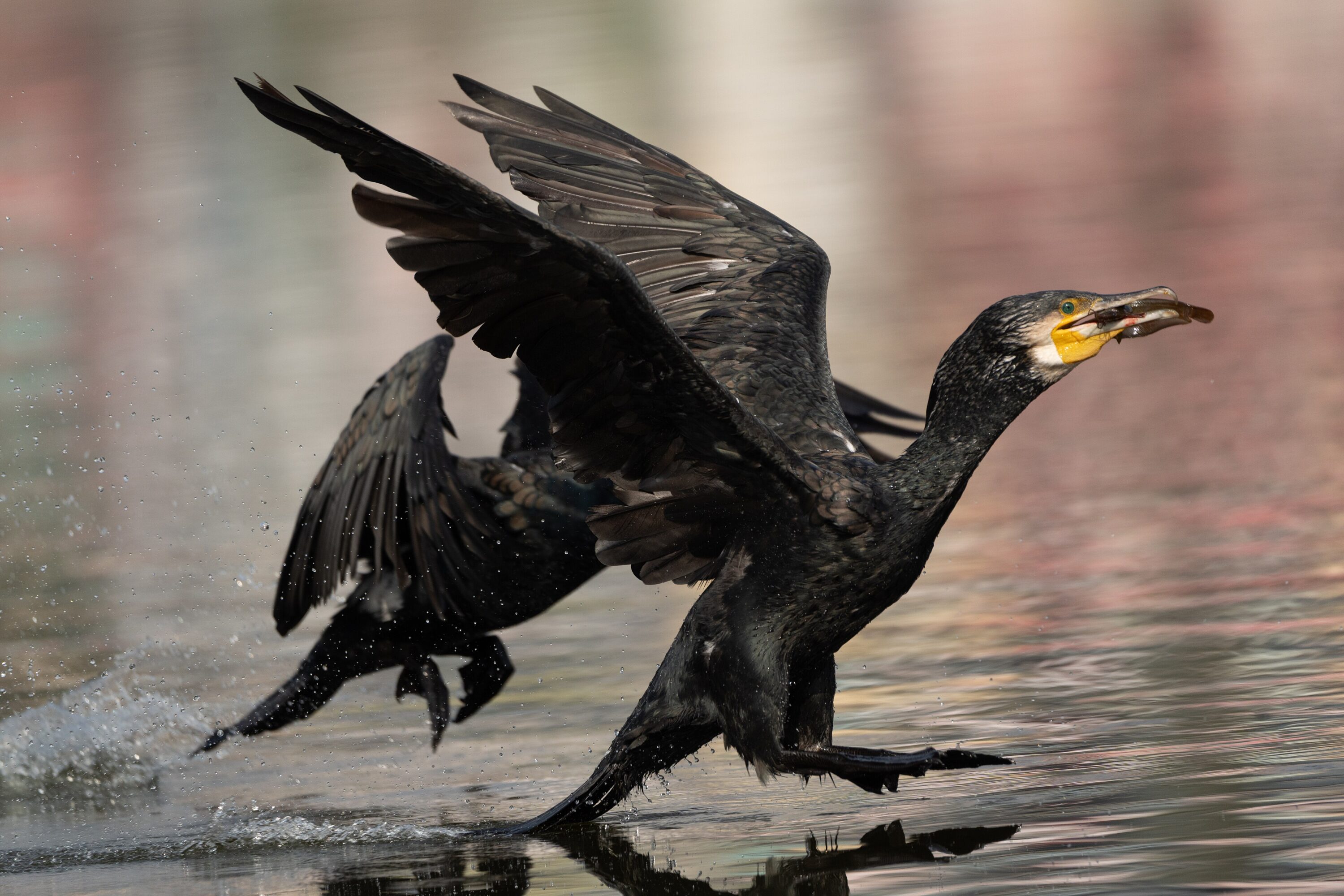
European Inventory Estimated More Than €670 Million in Annual Fish Damage From Great Cormorant Predation
A 2026 European inventory using information from more than 300 organizations estimates annual cormorant-related damage to fish stocks…
Read story →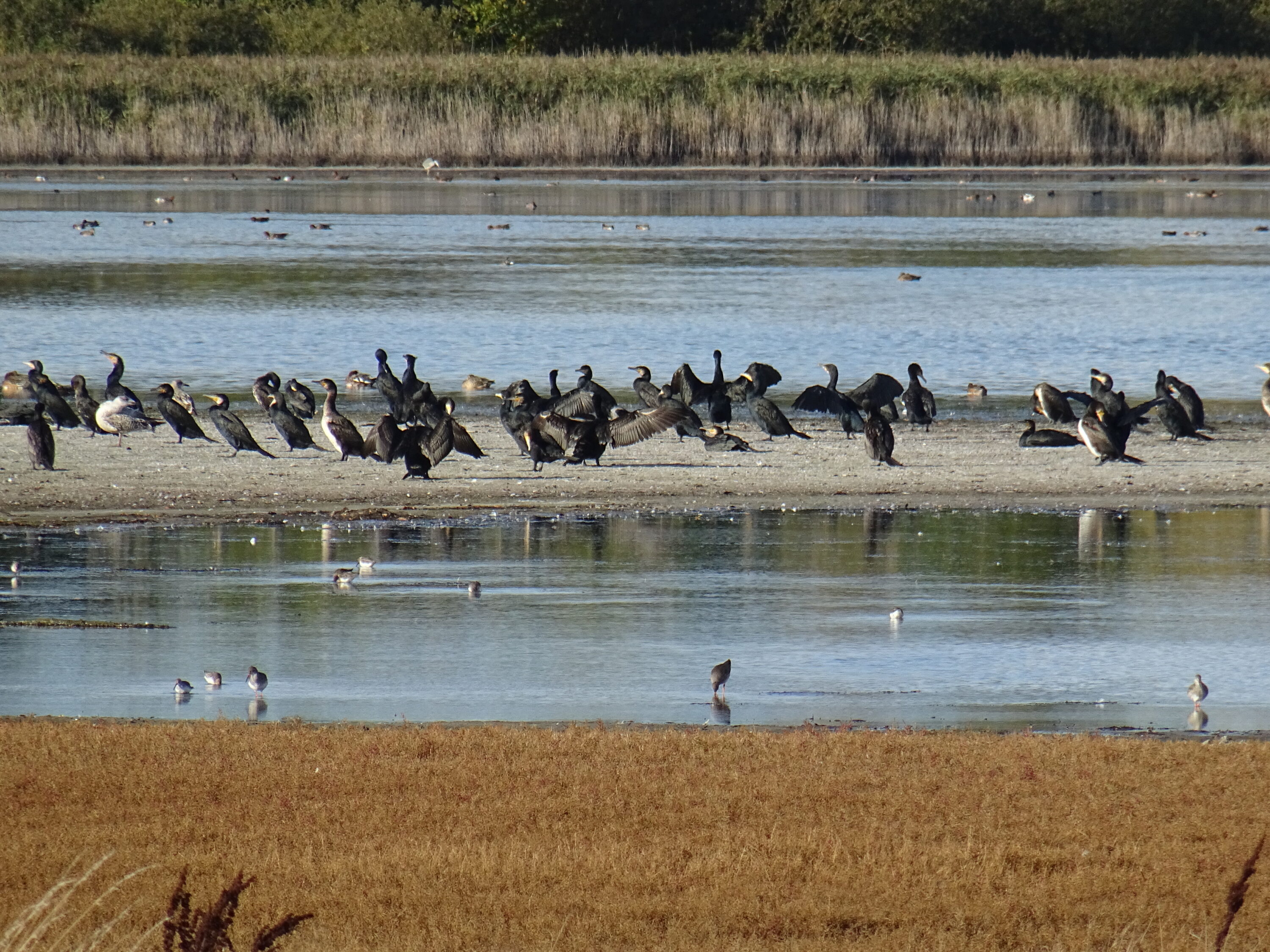
Estimated Great Cormorant Predation Reached 52–88% in Tagged Cod and 14–84% in Tagged Flounder
In Genner Bay, Denmark, a PIT-tag study estimated that great cormorants consumed 52–88% of tagged cod and 14–84%…
Read story →SPECIES IN THIS STORY
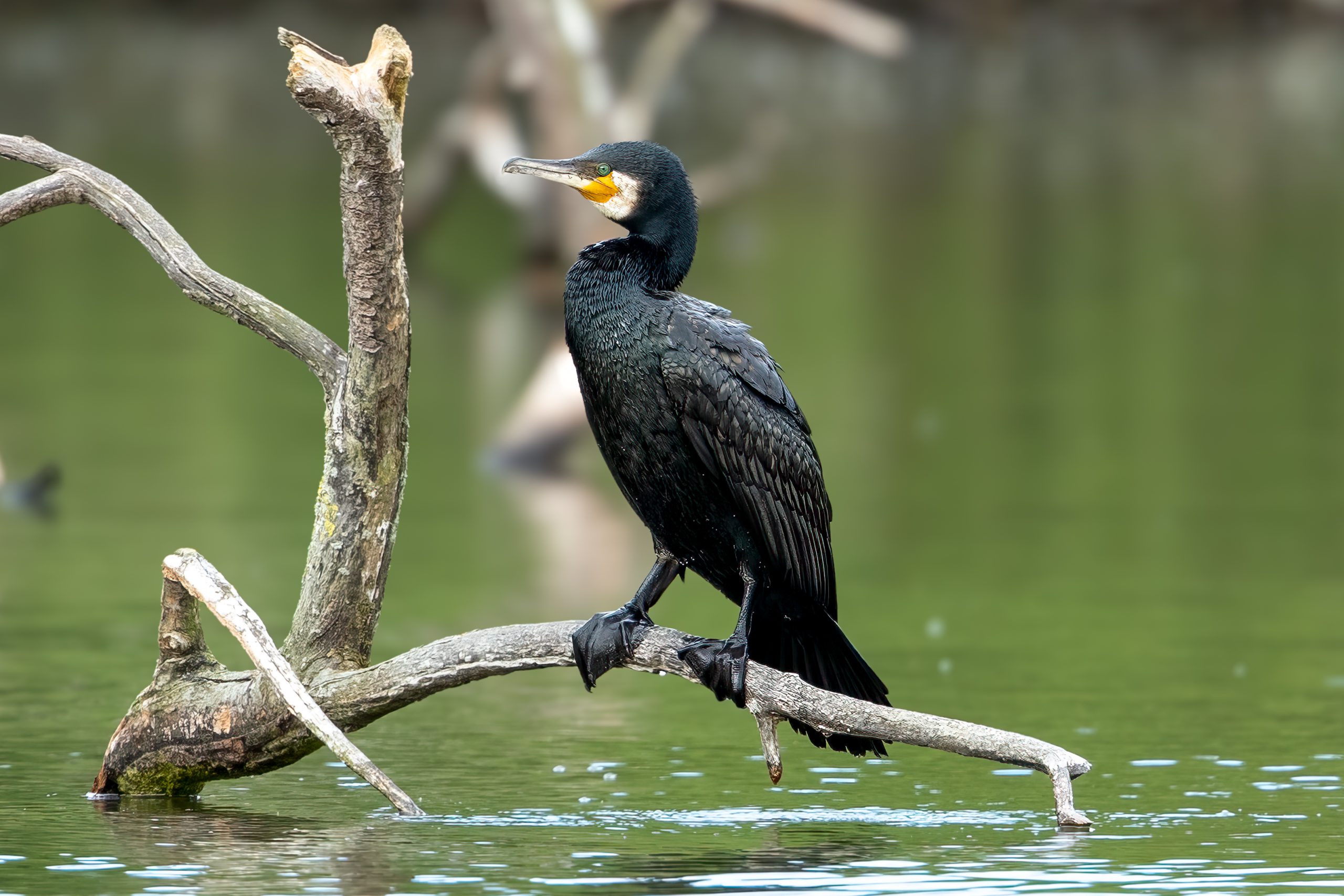
Species in this story
Independent research and conservation news archive
Did you find this information useful?
Wildlife Vagabond is independently built and maintained. Voluntary support helps cover source verification, hosting and continued work on research and conservation news.
Support Wildlife VagabondThe news archive will remain freely available.