
Eurasian Jays in Stavropol Concentrated in Food-Rich Habitats in Winter
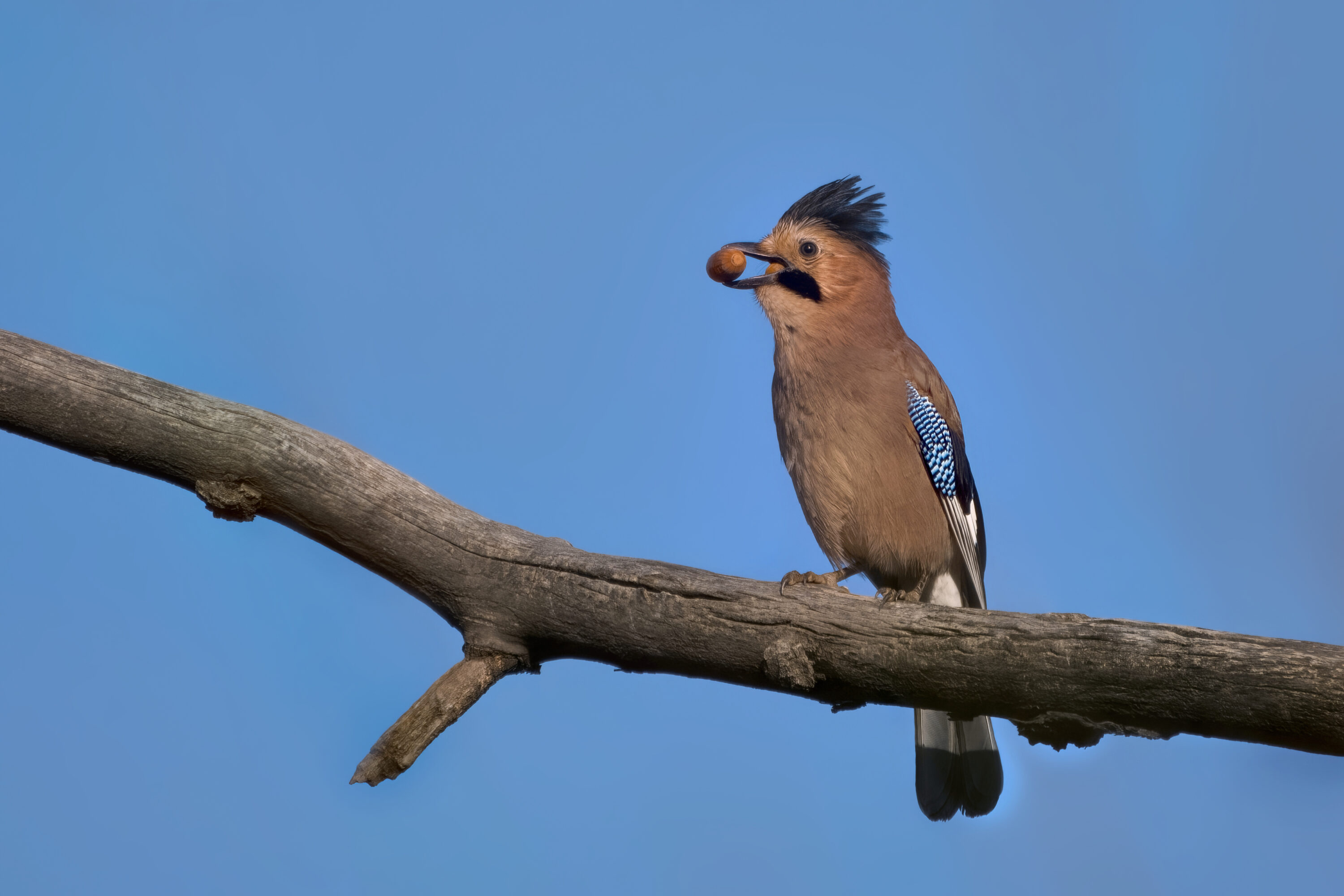
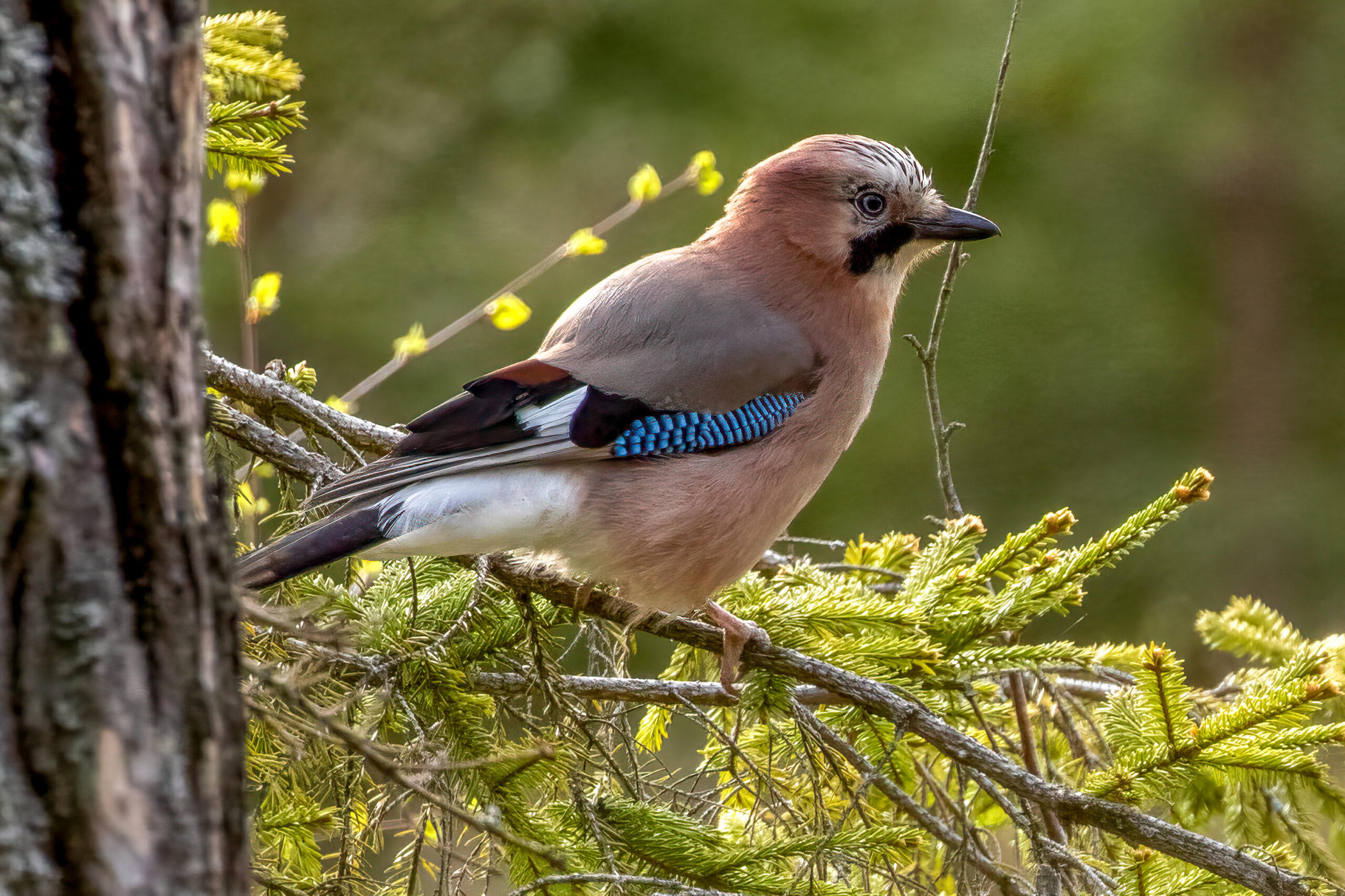
A new 2026 analysis of Eurasian jay records from the Stavropol region found that habitat use by the Caucasian subspecies (Garrulus glandarius krynicki) was more evenly spread in summer and autumn but became more concentrated in winter. The analysis used records of 2,153 jays collected from 2002 to 2024 across eight habitat types.
The underlying field records and their basic habitat distribution had already been published in 2025 by the same author. The 2026 paper analysed that material further, using statistical measures of habitat dominance, diversity and year-round consistency, and also compared the Caucasian subspecies with three other Eurasian jay subspecies in Russia.
The new analysis confirmed that winter records were concentrated more strongly in a smaller part of the available habitat spectrum than records from summer and autumn. Windbreaks were especially prominent in winter, while household plots also contributed substantially to the seasonal concentration.
Across the full annual cycle, windbreaks, active orchards and household plots formed the most consistently used habitat core. The author interprets this as evidence of high ecological flexibility in the Caucasian subspecies, particularly in human-modified landscapes where planted tree belts and food-rich sites can provide both cover and feeding opportunities.
Ecology
Related news
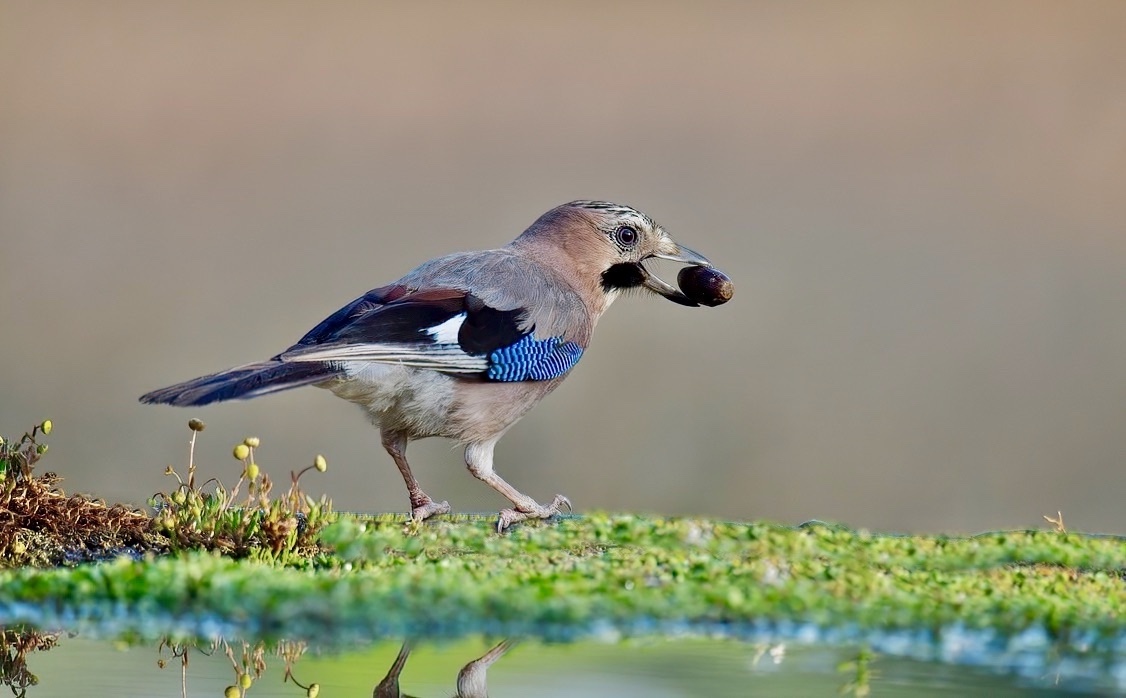
Eurasian Jays Removed More Acorns From Open Parts of Portuguese Cork Oak Woodland
Camera traps in Portuguese cork oak woodland found Eurasian jays almost exclusively removed acorns from more open sites,…
Read story →
French Wildlife Culling Was Not Linked to Lower Reported Damage
A 2026 national evaluation of ten native species found no relationship between lethal-control effort and lower reported damage…
Read story →
African Bush Elephants Distinguished Artificial Food-Quantity Patterns at Close Range
In experiments in South Africa, four semi-tame elephants chose between visual patterns representing canopy size and leaf density.…
Read story →SPECIES IN THIS STORY
Species in this story
Independent research and conservation news archive
Did you find this information useful?
Wildlife Vagabond is independently built and maintained. Voluntary support helps cover source verification, hosting and continued work on research and conservation news.
Support Wildlife VagabondThe news archive will remain freely available.