
Feather Element Profiles Differed Between Farmland- and Forest-associated Songbirds
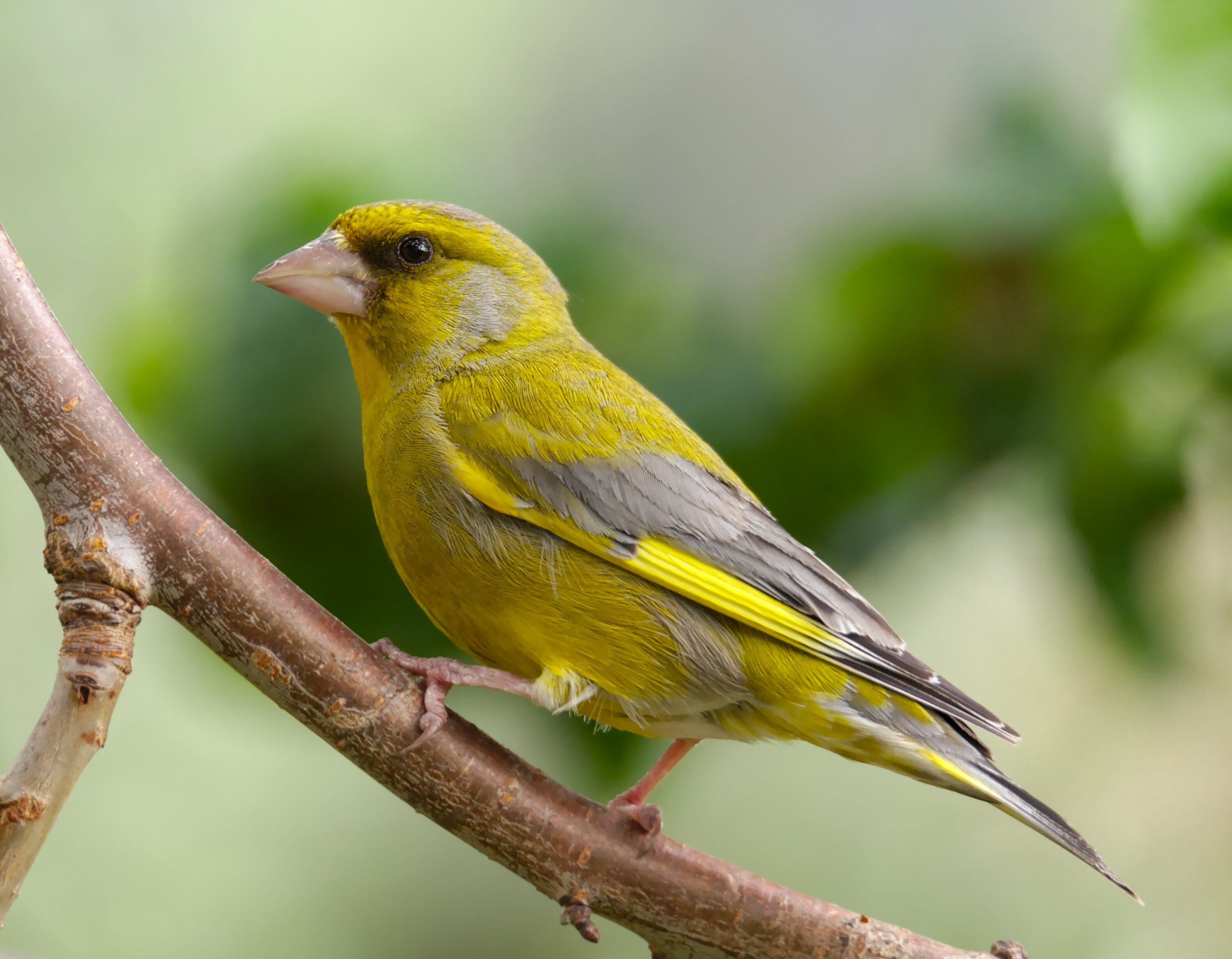
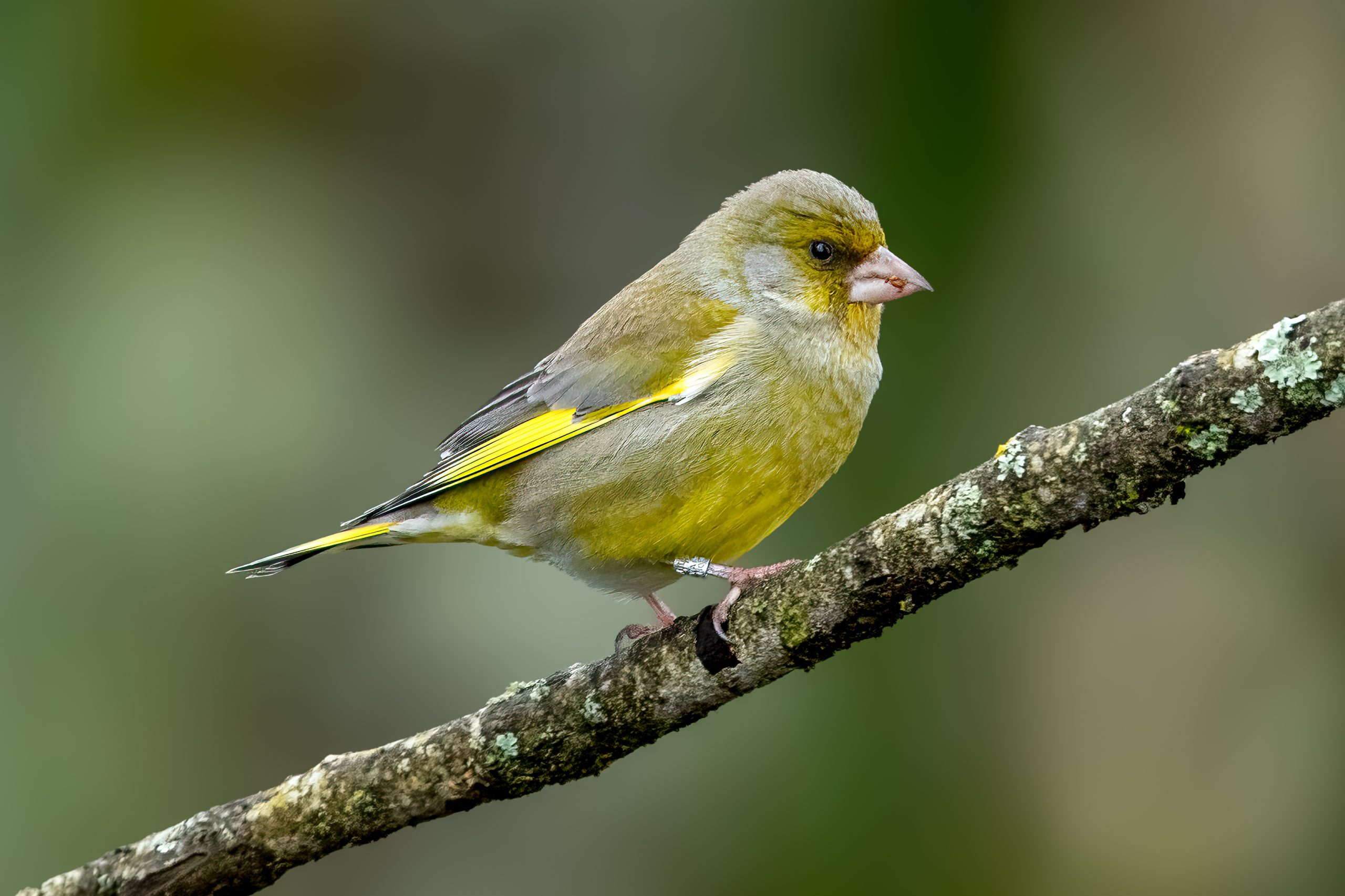
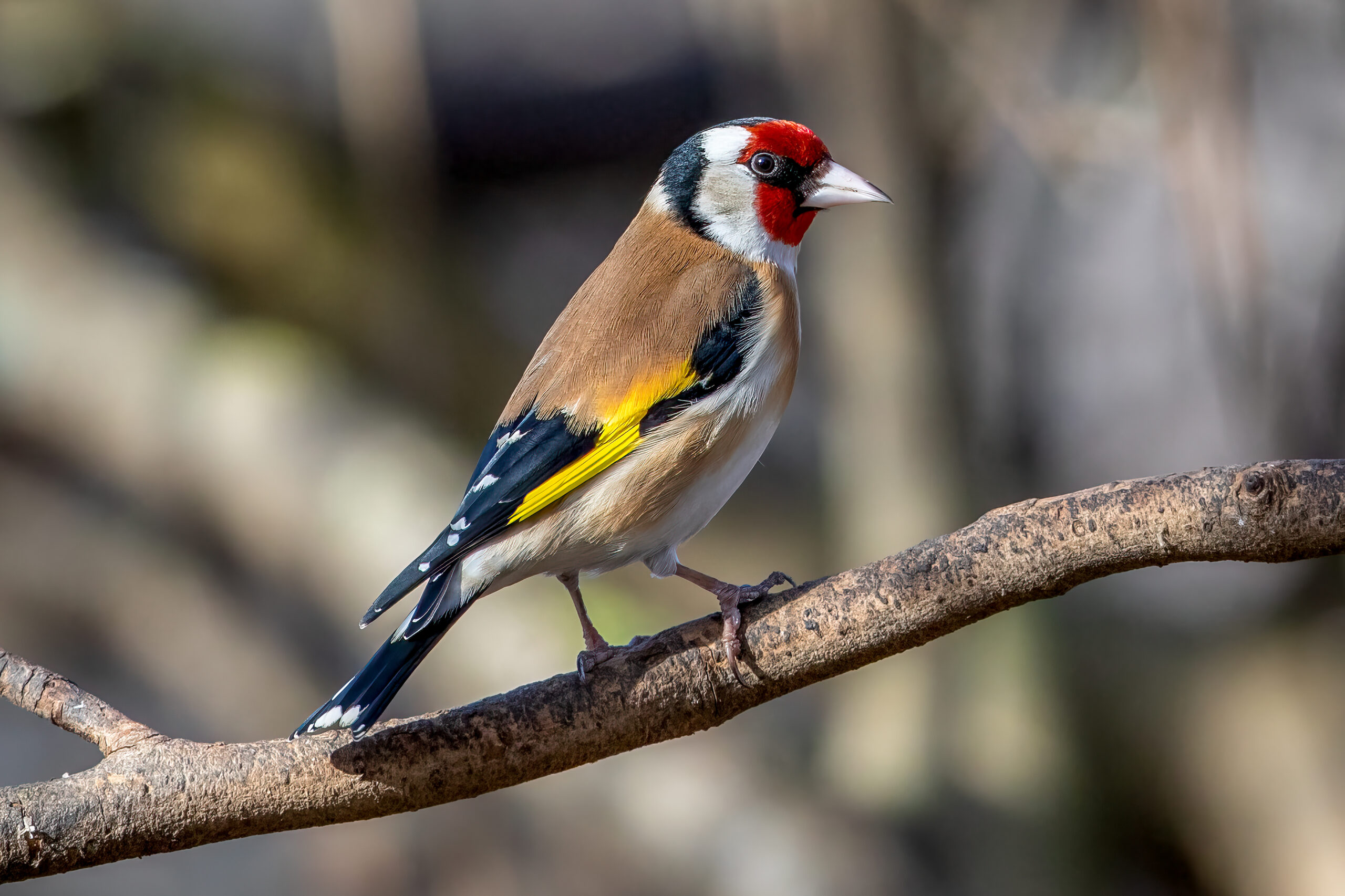
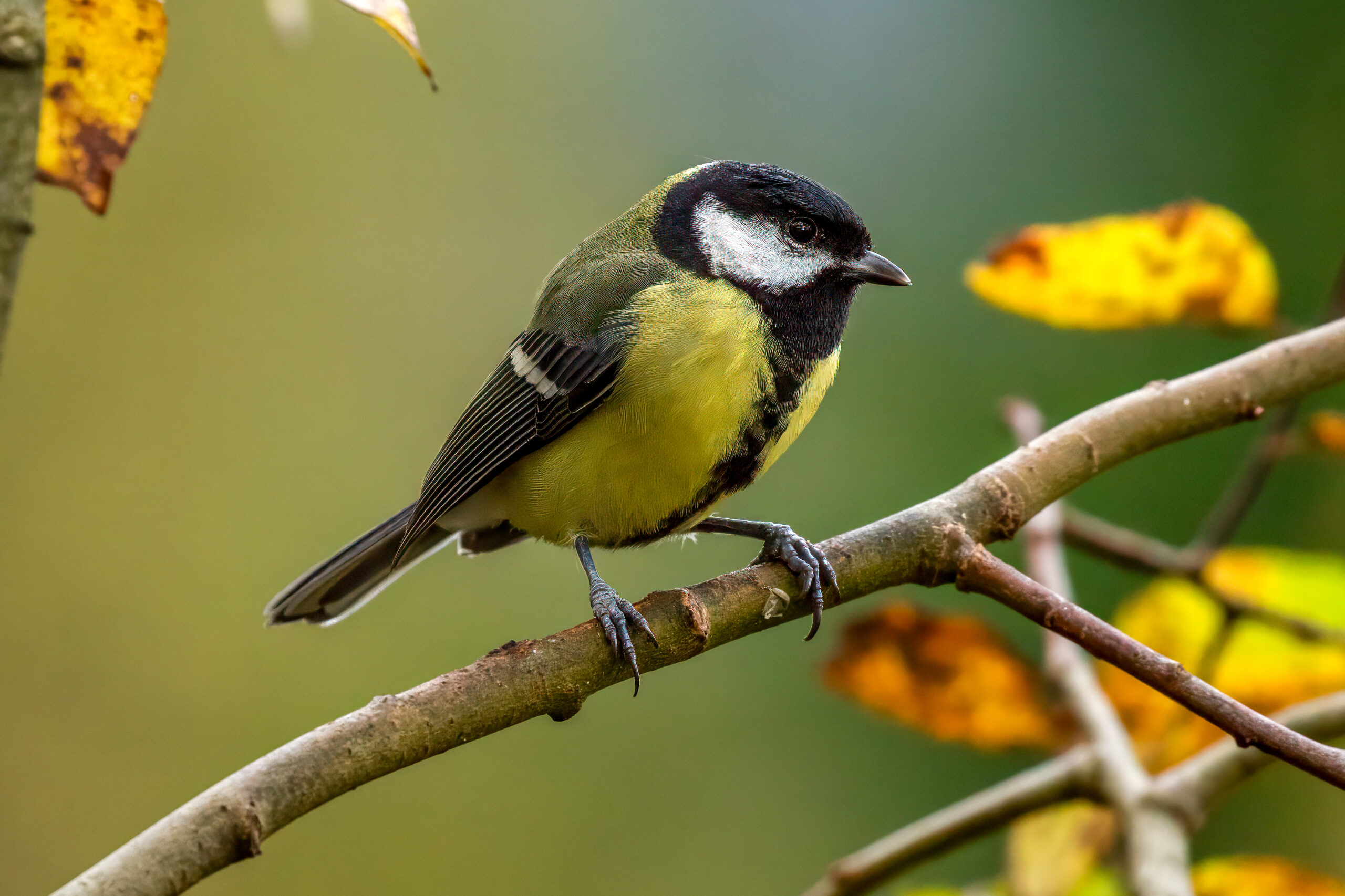
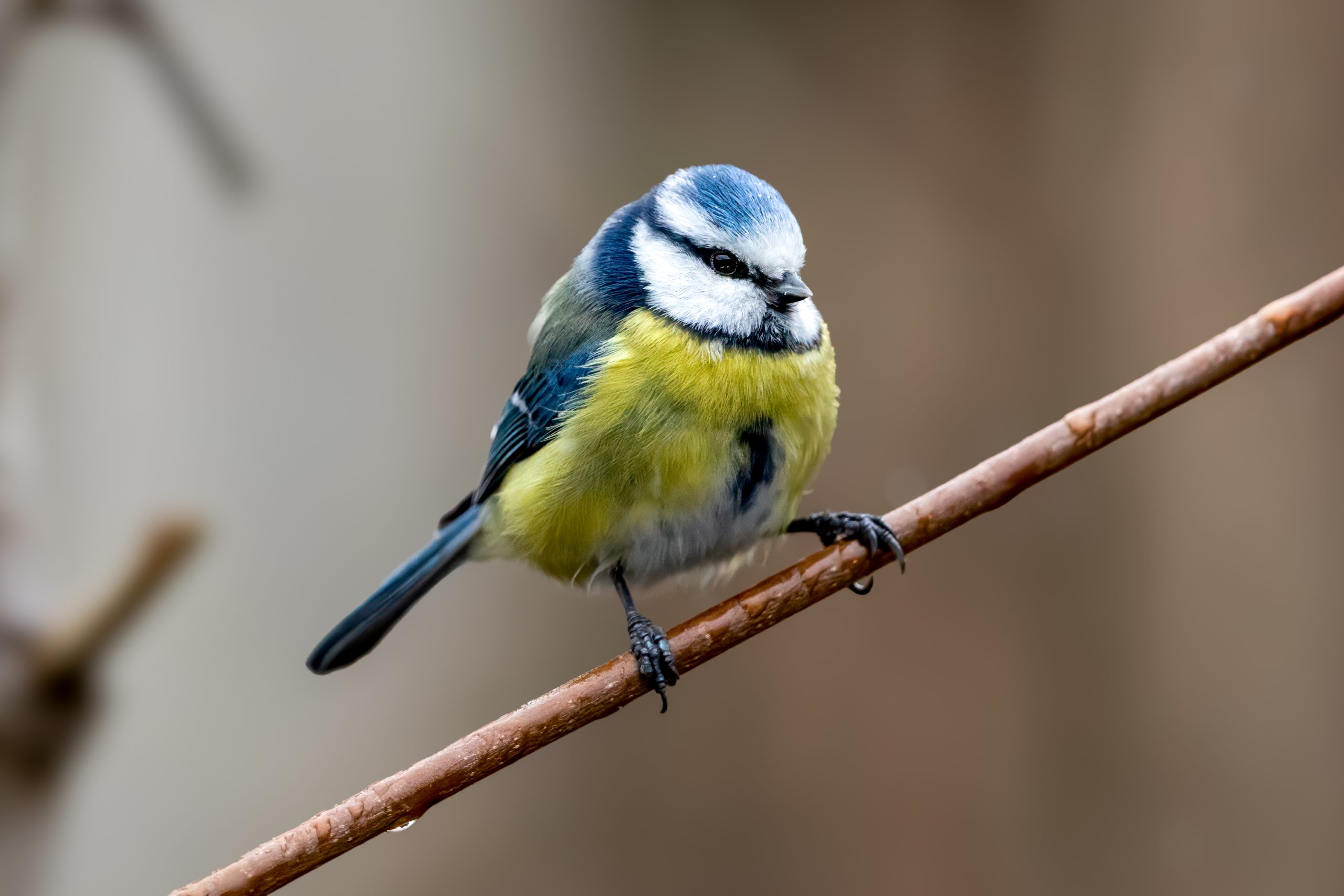
Feathers collected from four common songbirds at a winter feeding site in south-western Poland carried distinct mixtures of elements. Feather chemistry can reflect elements incorporated from the bloodstream while a feather grows as well as particles deposited on its surface later, making feathers a non-invasive but mixed record of environmental exposure. The widest variation occurred in the two species associated with farmland. The study, published online in Environmental Research on 6 May 2026, compared European greenfinches (Chloris chloris) and European goldfinches (Carduelis carduelis) with two forest-associated species, great tits (Parus major) and Eurasian blue tits (Cyanistes caeruleus).
Researchers Grzegorz Hebda and colleagues analysed feathers for 12 elements. Every element was detected in at least some birds, while nine were present in every individual and could therefore be used in the study’s main comparisons. The analysed set included both non-metals, such as sulphur and phosphorus, and metals including aluminium, manganese, iron, copper, zinc, strontium, barium, vanadium, chromium and lead.
Different profiles, but extensive overlap
The researchers combined the measured metal concentrations into a descriptive “sum of metals” index. This index differed between the farmland-associated and forest-associated groups, but the distributions overlapped extensively. The clearest feature of the farmland group was not a consistently higher value in every bird. Instead, European greenfinches and European goldfinches showed greater variation and occasional high values. The summed concentration reached roughly 2,800 milligrams per kilogram in the most elevated samples, while values among the forest-associated tits were distributed within a narrower range.
Feathers can combine several routes of exposure
Because feather chemistry combines material incorporated during growth with material that may settle on the surface later, the measured concentrations cannot identify a single exposure route on their own. This makes moulted or sampled feathers useful for environmental monitoring without killing birds, but the values must be interpreted in ecological context.
A local comparison, not a measure of toxic risk
The authors emphasise two important limits. First, all samples came from a single winter feeding site. Second, each landscape group was represented by different species: the greenfinches and goldfinches formed the farmland group, while the two tits formed the forest group. Because no species was sampled in both habitat categories, the study cannot separate an effect of habitat from differences caused by species biology.
The sum-of-metals index is also an unweighted total. It does not account for differences in toxicity, biological availability, ecological importance or physiological regulation among elements. The authors therefore use it as a descriptive comparison, not as a proxy for poisoning or health risk. A high combined value cannot by itself show that a bird was harmed.
The results provide a local baseline and show why multi-element monitoring needs both ecological context and species-level replication. For European greenfinches, the study documents broad individual variation at one shared winter feeding site, but further sampling across habitats would be needed to determine whether farmland exposure itself explains that pattern.
Ecology
Related news
Urban Bird Diversity Was More Strongly Linked to Forest Structure Than the Surrounding City
Across 12 urban forests in three Italian cities, researchers recorded 2,035 birds from 52 species. Local forest structure…
Read story →
Record May Heatwave Reduced Breeding Success and Nestling Mass in Great Tits and Eurasian Blue Tits
Compared with equivalent parts of the breeding season in 1978–2025, fledgling number declined by 4.5 nestlings in 2026…
Read story →
Autumn Movement Timing Stayed Stable as Wings Became Rounder in Great and Eurasian Blue Tits
Hungarian ringing data from 2004–2024 found stable autumn movement timing in great and Eurasian blue tits, while body…
Read story →SPECIES IN THIS STORY
Species in this story
Independent research and conservation news archive
Did you find this information useful?
Wildlife Vagabond is independently built and maintained. Voluntary support helps cover source verification, hosting and continued work on research and conservation news.
Support Wildlife VagabondThe news archive will remain freely available.