
Female Moose Were More Likely to Migrate When Winter Ranges Had More Wildfire Disturbance
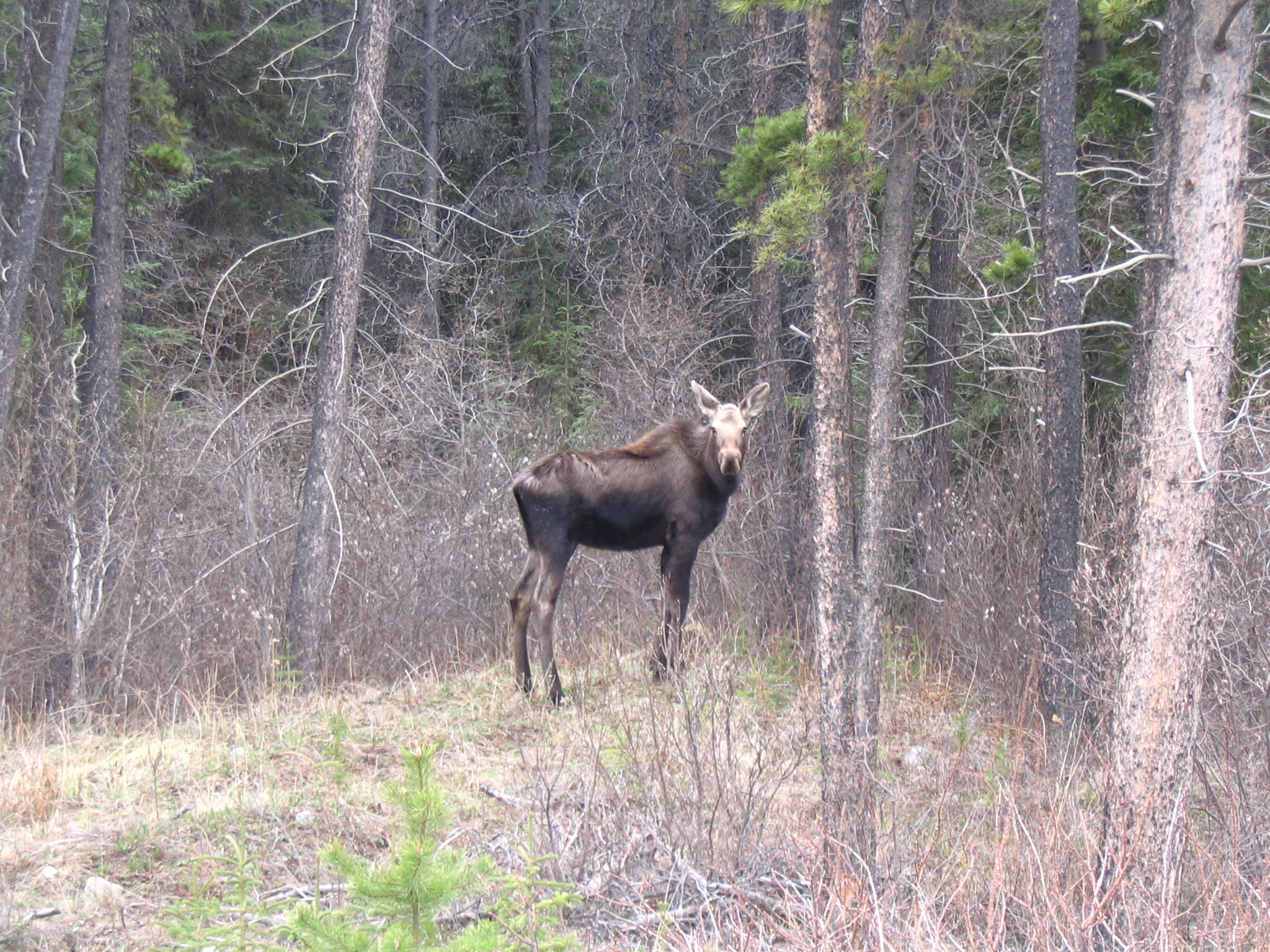
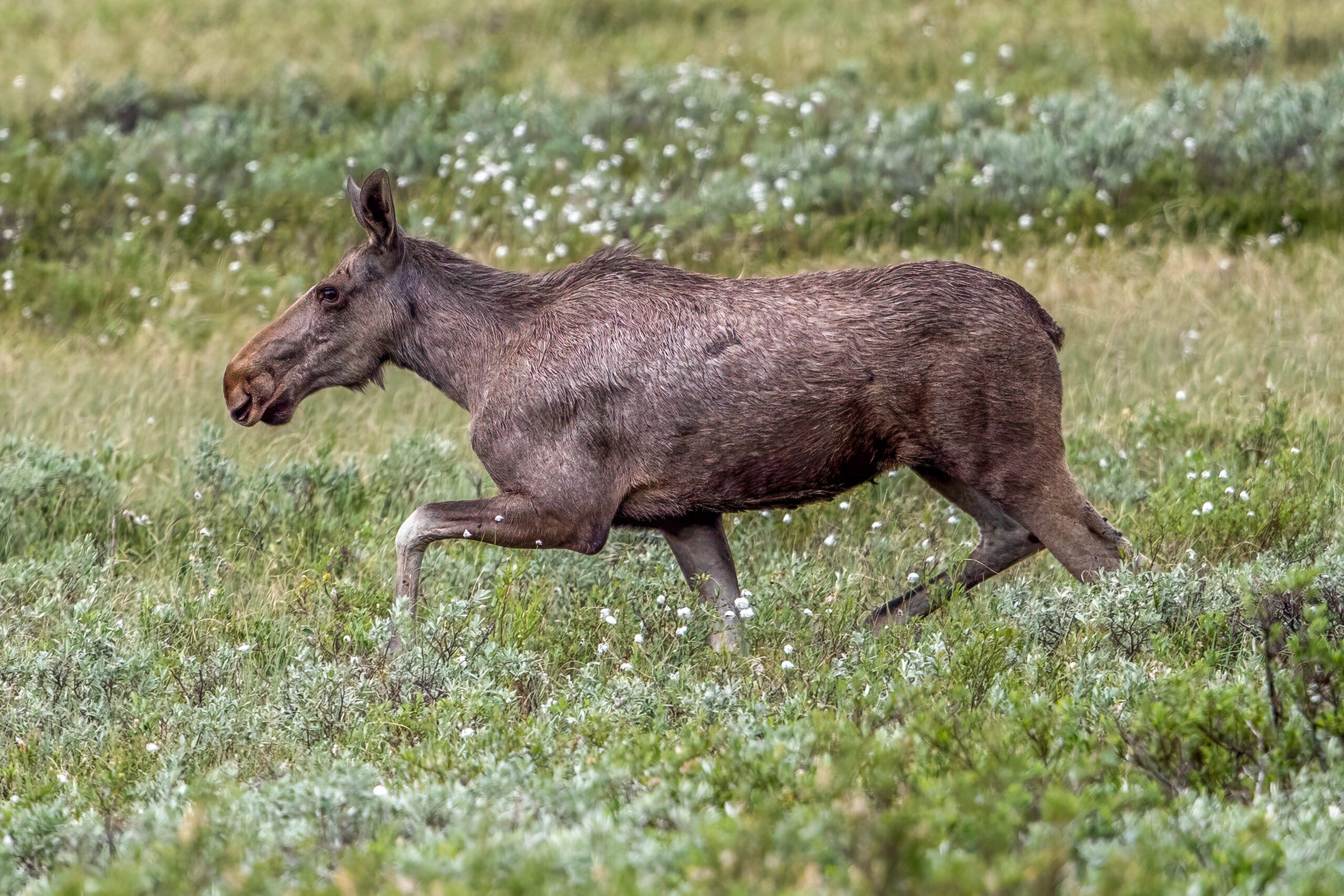
Female moose (Alces alces) in central British Columbia, Canada were more likely to migrate in spring when a larger share of their winter range had been affected by wildfire, according to an 11-year GPS study of 461 animals across five study areas. Wildfire in the winter range was the strongest measured factor associated with whether a female migrated or remained resident.
The researchers studied partial migration, in which some animals move between distinct winter and summer ranges while others remain in the same general area year-round. They classified 836 moose-years of movement and compared migration with wildfire, logging, roads, vegetation, snow and other environmental conditions. Both recent fire during the previous five years and fire over the previous 40 years were positively associated with spring migration.
Wildfire influenced migration, but did not explain all migrants
Among migratory moose-years in which the winter range had been affected by wildfire, 76.1% ended in a summer range with less fire disturbance. Yet wildfire was not a universal explanation for migration: 79.9% of migratory moose-years had no recorded fire disturbance in the winter range. The authors therefore conclude that fire is an important part of the migration story, but other factors also influence whether individual females migrate.
Longer migration was linked to parturition, not higher adult survival
Movement strategy was also linked to reproduction. Females that had made relatively long spring migrations in the previous year were more likely to give birth than residents, whereas short-distance migrants did not show the same difference. Overall adult survival did not differ clearly between migrants and residents, although the causes of death did: migrants were more often killed by predators, while health-related deaths were more common among residents.
The authors suggest that increasing wildfire activity could alter the balance between migration and residency, but the effect may depend on where fires occur. Disturbance of winter ranges may make migration more advantageous, while extensive fire in summer ranges could reduce access to less disturbed seasonal habitat. They therefore recommend tracking changes in movement strategies alongside future changes in wildfire.
Ecology
Related news
Arctic Moose Follow the River Valleys
GPS tracking in Alaska showed that half of 24 female moose migrated between summer and winter ranges. Migrants…
Read story →
Thermal Drones Found Nearly All Moose in Favourable Winter Weather
Swedish trials found detection close to 100% in cold, overcast winter conditions, but the survey effort needed for…
Read story →
Even Adirondack Park’s Densest Moose Area Was Too Sparse for Precise Aerial Estimates
Helicopter surveys estimated about 92 moose in the Adirondack core in 2024 and 112 in 2025, but broad…
Read story →SPECIES IN THIS STORY
Species in this story
Independent research and conservation news archive
Did you find this information useful?
Wildlife Vagabond is independently built and maintained. Voluntary support helps cover source verification, hosting and continued work on research and conservation news.
Support Wildlife VagabondThe news archive will remain freely available.