
Female European Pied Flycatchers Preferred Songs of Unmated Males in Playback Tests
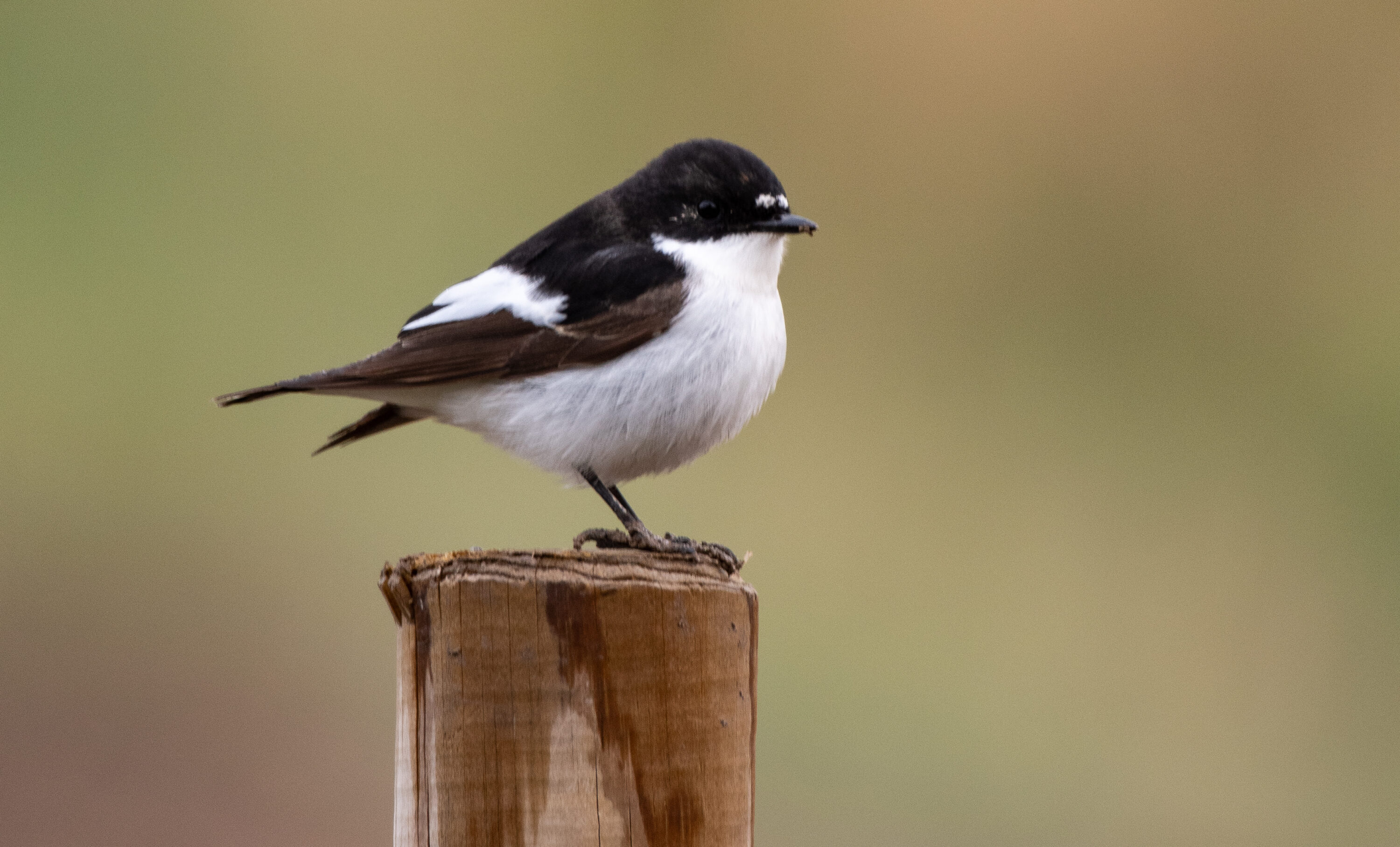
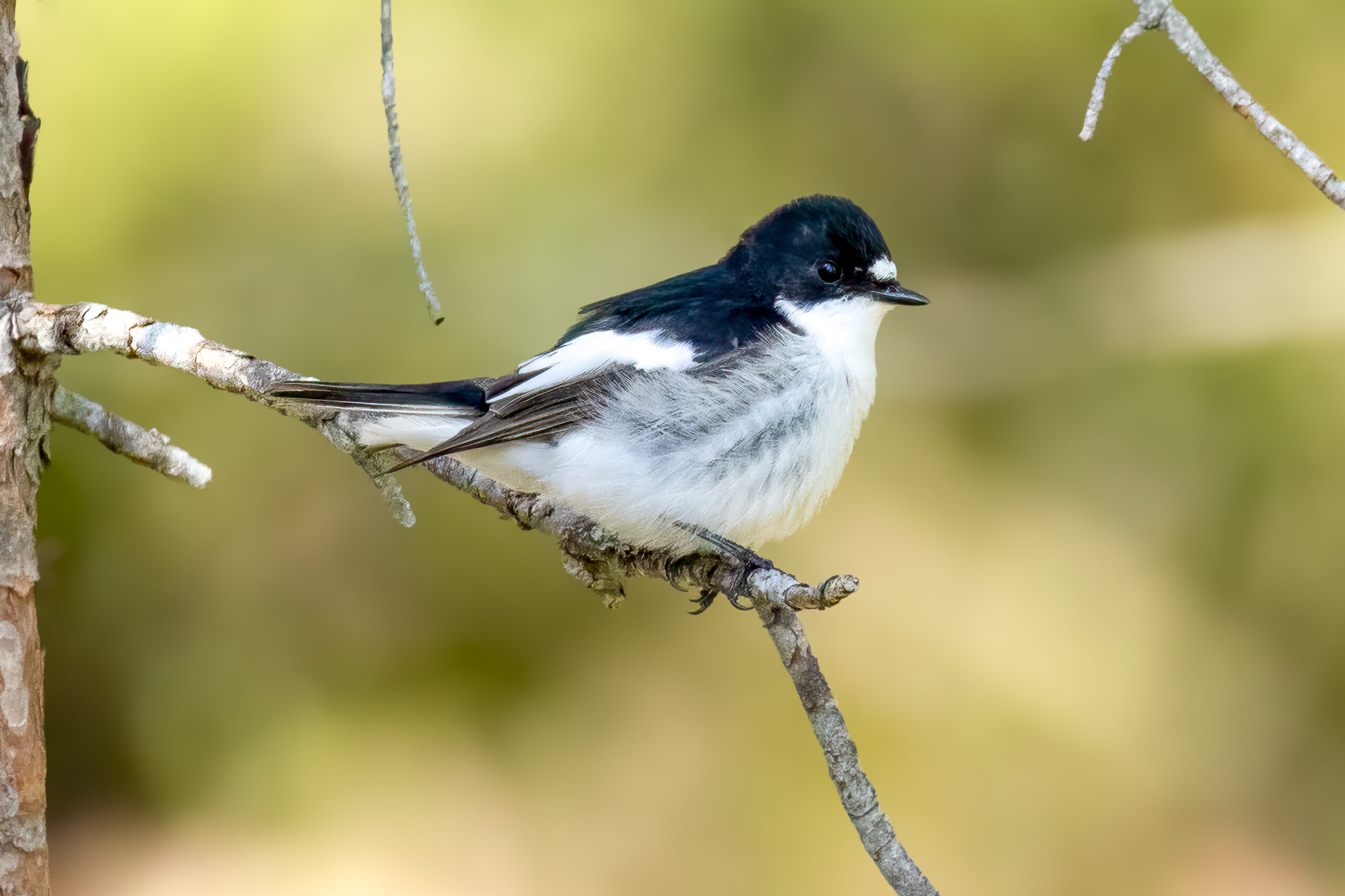
Female european pied flycatchers (Ficedula hypoleuca) responded differently to the songs of unmated and already-mated males in a study first published on 1 July 2026. The study was conducted in Norway. The result links changes in male song after pairing with information that prospecting females can use when assessing a potential partner.
Some males become polyterritorial after pairing: they establish a second territory away from the first nest and resume courtship there. A prospecting female may therefore encounter an actively displaying male without seeing his first mate. Females that become secondary partners of polygynous males can receive less paternal assistance at their nest.
The same males changed their songs after pairing
The researchers recorded 17 wild males while they were unmated and again after the same males had paired and were displaying at a secondary territory. After pairing, the males produced shorter song strophes and switched more frequently between syllable types.
Because the researchers followed the same males before and after pairing, the result was not simply a contrast between one group of bachelor males and a different group of mated males. The same individuals altered how they organised their songs as their social situation changed.
Twenty-one of 29 females responded more to bachelor song
The researchers then tested female responses in large outdoor aviaries. Females heard recordings from unmated males and already-mated males singing at secondary territories. Twenty-one of 29 females made more visits to the nest box beside the speaker playing an unmated male’s song.
The critical manipulation concerned syllable switching. When the researchers altered songs from unmated males so that their switching pattern resembled that of mated males, the difference in the females’ response disappeared. This supports the interpretation that females were responding to information in song structure rather than merely recognising particular individual singers.
The aviary experiment measured responses to playback and nest-box visits, not whether the females subsequently paired with those males in the wild. Together with the song recordings, however, it showed that a change associated with male mating status was detectable to females and influenced their behaviour in the choice test.
Territory defence may help explain the song change
The authors suggest that the increased syllable switching of mated, polyterritorial males may reflect the demands of defending separate territories against male neighbours and prospecting males. Competition for nest sites can be intense, while a polyterritorial male must also return frequently to his first territory to retain both the nest site and the first female there.
The study therefore connects two sides of the same signal: males altered song structure after pairing, and females responded to the resulting difference. Song could consequently provide prospecting females with information about mating status that is otherwise difficult to obtain when a male’s first territory and partner are out of sight.
Behaviour
Related news
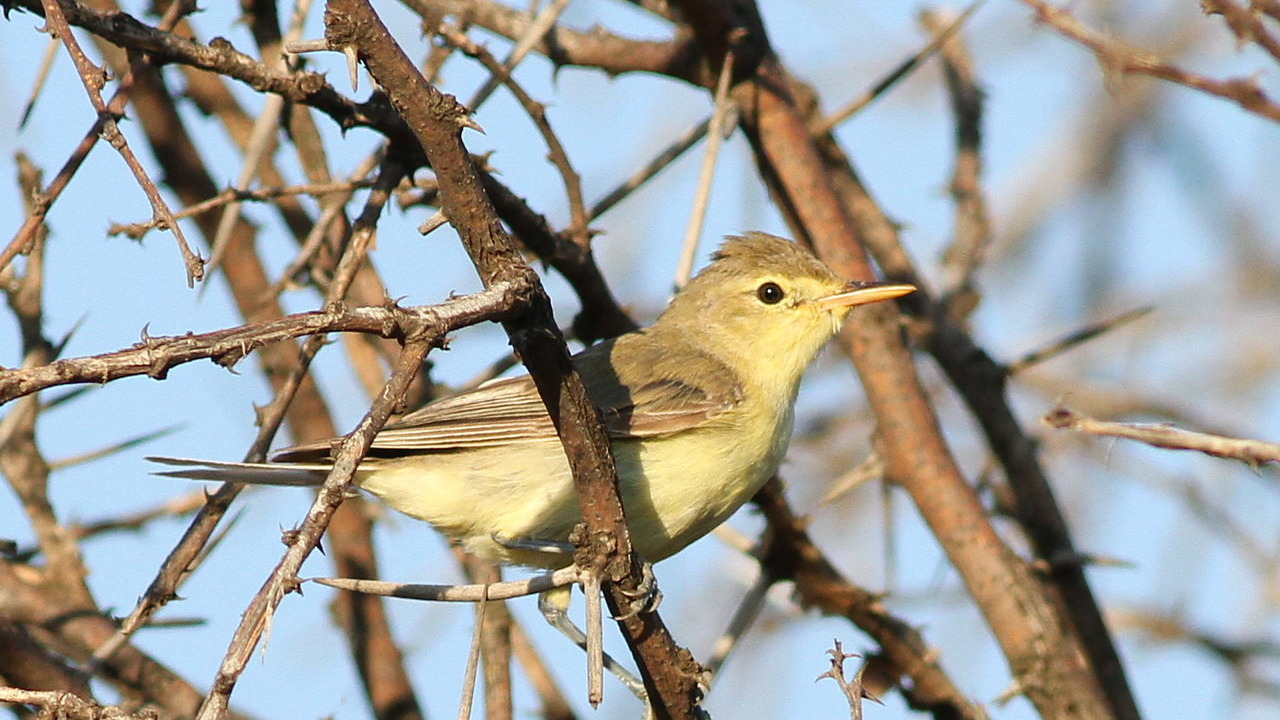
Ten Migrants Followed Early-slow and Late-fast Passage Strategies Through Nigeria
Twenty-four years of ringing data from Jos showed striking species differences in migration timing: Icterine Warblers were among…
Read story →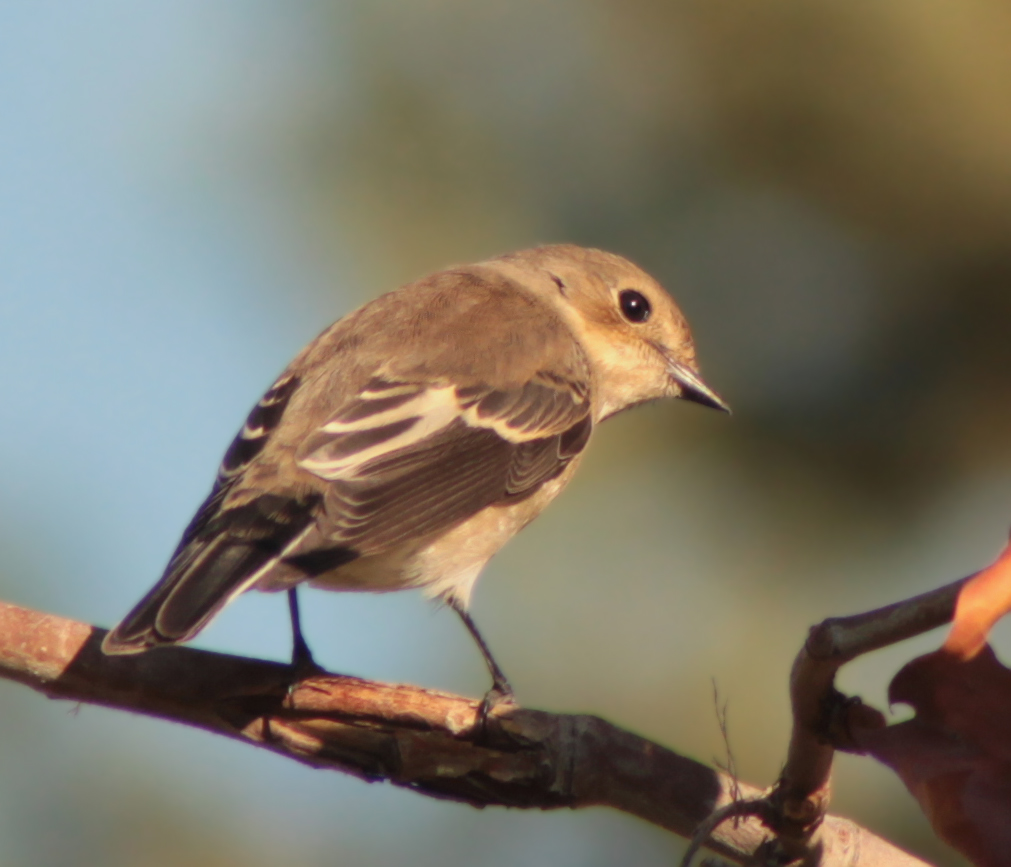
Late Spring Frost Was Linked to About 4% Smaller Pied Flycatcher Eggs
After a severe April frost damaged emerging oak foliage at Valsaín in central Spain, Pied Flycatchers laid eggs…
Read story →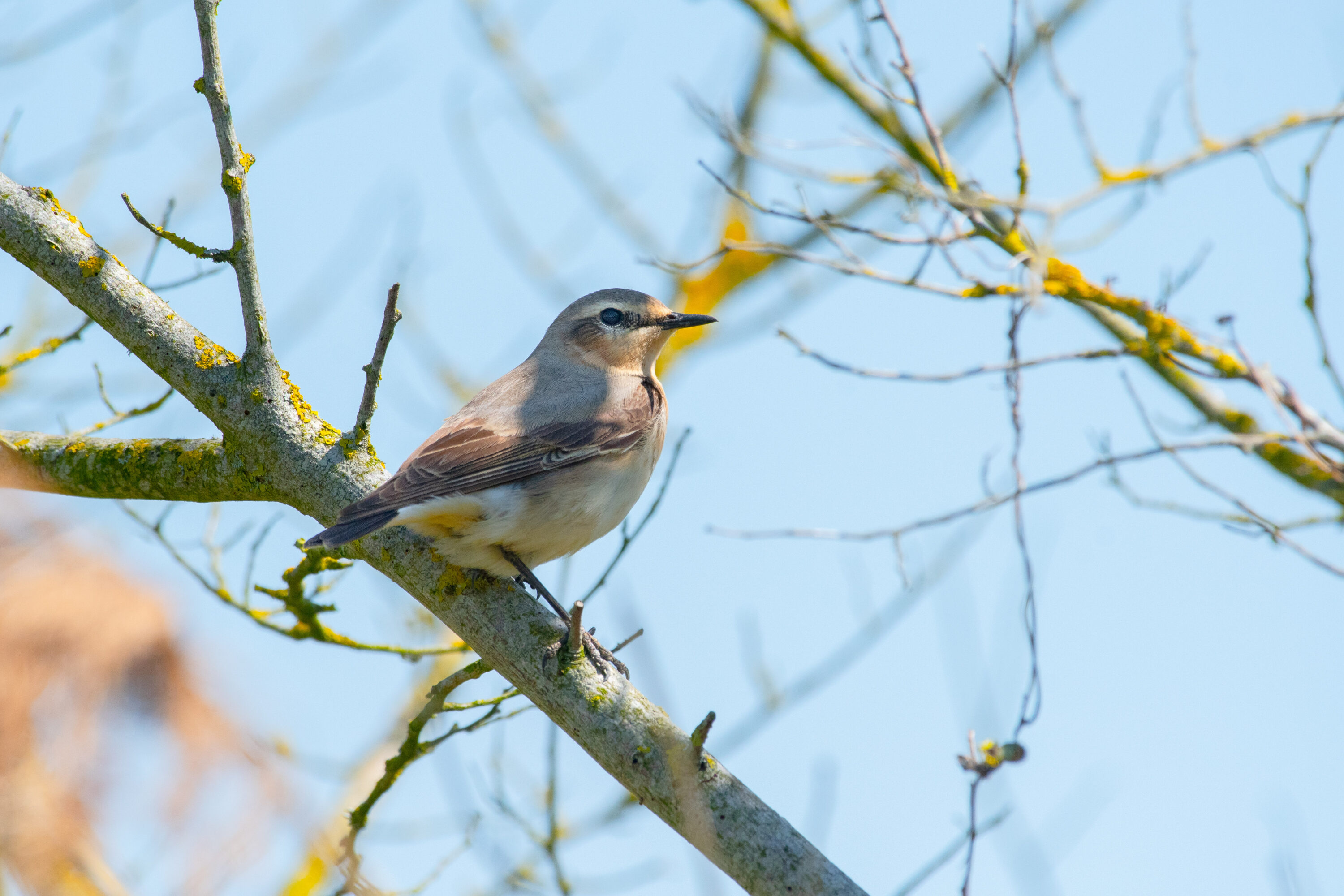
Five of Six Indicator Birds Could Lose Large Areas of Suitable Habitat in Luxembourg
Under the warmer SSP5–8.5 scenario, Red-backed Shrike, Northern Wheatear and Northern Lapwing were projected to lose especially large…
Read story →SPECIES IN THIS STORY
Species in this story
Independent research and conservation news archive
Did you find this information useful?
Wildlife Vagabond is independently built and maintained. Voluntary support helps cover source verification, hosting and continued work on research and conservation news.
Support Wildlife VagabondThe news archive will remain freely available.