
Taxonomic Paper Returned roperi and martensi to Subspecies of the Flap-Necked Chameleon
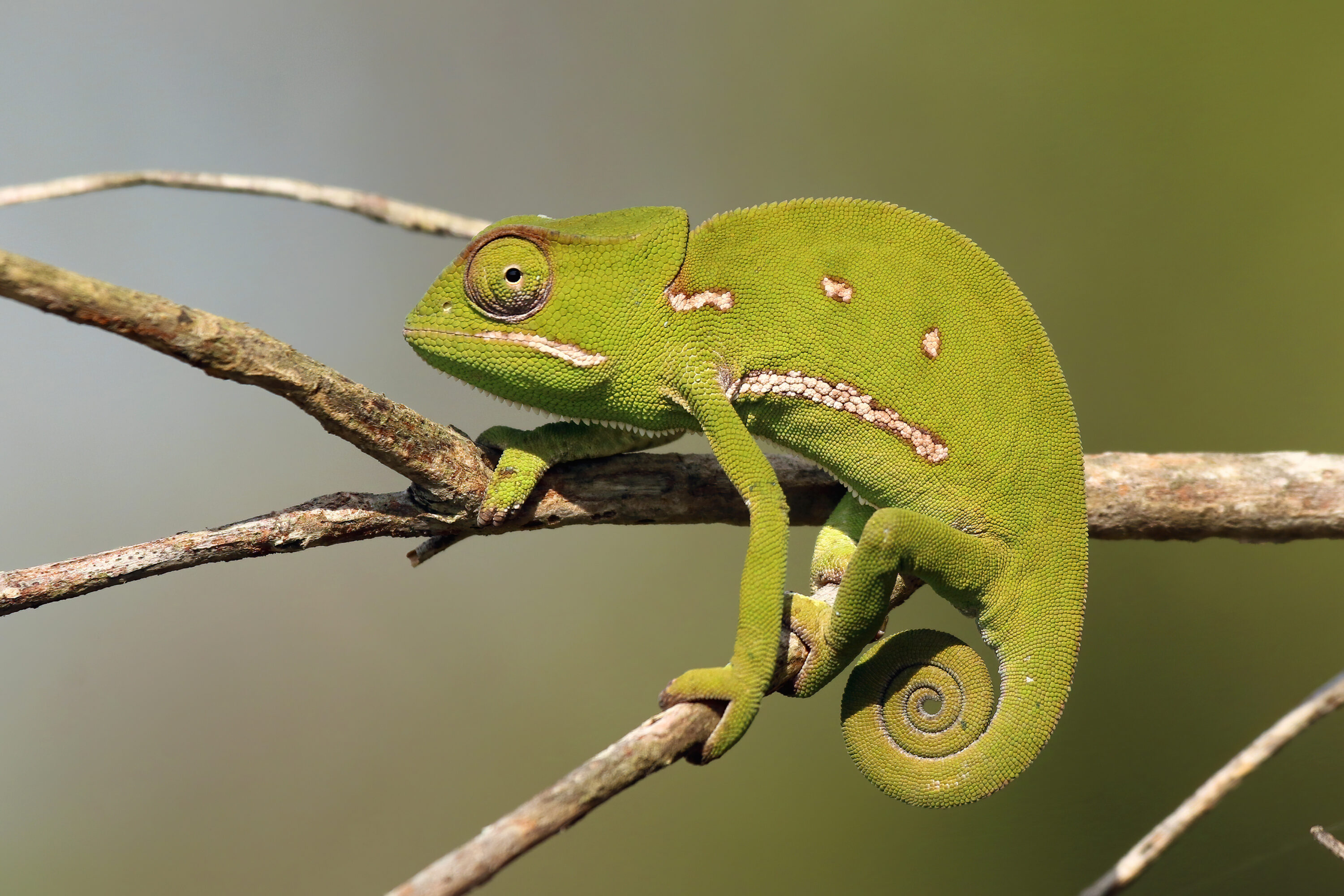
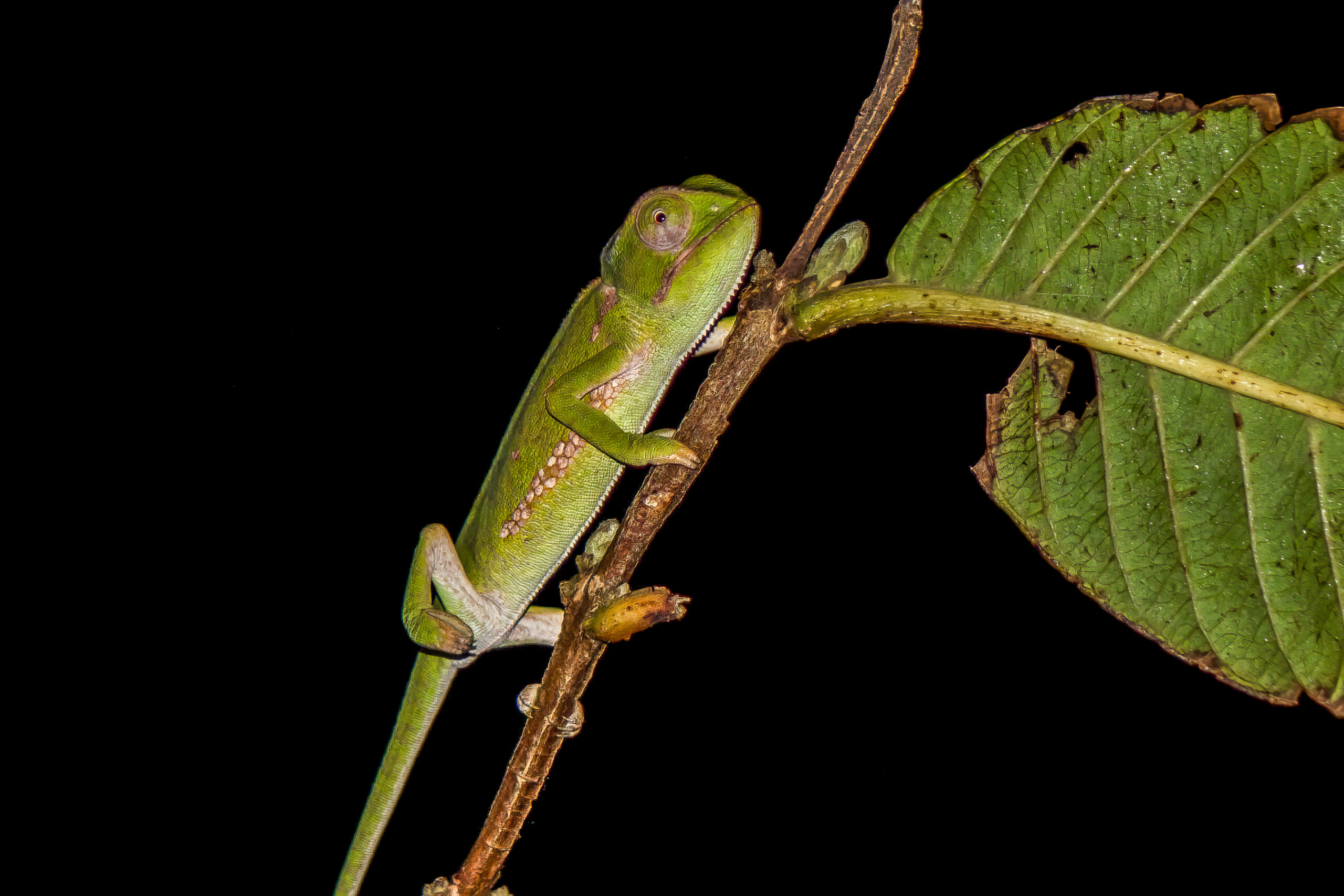
A taxonomic paper published on 13 April 2026 revisited recent changes proposed within the flap-necked chameleon (Chamaeleo dilepis) species complex. Writing in African Journal of Herpetology, Devon C. Main and Colin R. Tilbury questioned the validity of a newly proposed species, Chamaeleo incognitus, and formally returned C. roperi and C. martensi from species rank to subspecies of C. dilepis.
The paper responds to a 2025 publication that described C. incognitus from the Kenyan highlands, primarily using morphology and elevational distribution. Main and Tilbury argue that the proposed name is currently unavailable under the International Code of Zoological Nomenclature. In zoological nomenclature, an “available” name is one that has been formally established under the Code’s rules. For electronic publications, the work must be registered in ZooBank before publication; the authors point out that the 2025 paper was registered only afterwards.
The proposed species name was challenged on both nomenclatural and biological grounds
They also challenge the biological evidence used to separate the proposed species. The authors state that morphology alone is unreliable for distinguishing species within the Chamaeleo dilepis complex and that previously published phylogenetic data do not support the boundaries proposed for C. incognitus. In their assessment, the combination of morphological differences and highland occurrence is not sufficient evidence for recognising it as a separate species.
roperi and martensi were returned to subspecies rank
The same paper addresses Chamaeleo roperi and Chamaeleo martensi, two forms that had recently been treated as full species. Main and Tilbury argue that the available evidence does not justify species rank and formally treat them instead as Chamaeleo dilepis roperi and Chamaeleo dilepis martensi.
The paper highlights a broader difficulty in the flap-necked chameleon complex: geographically separated populations can differ in appearance, but morphological variation does not necessarily map neatly onto independently evolving lineages. The authors therefore emphasise phylogenetic evidence alongside morphology when deciding where species boundaries should be drawn in this group.
Evolution & taxonomy
Related news
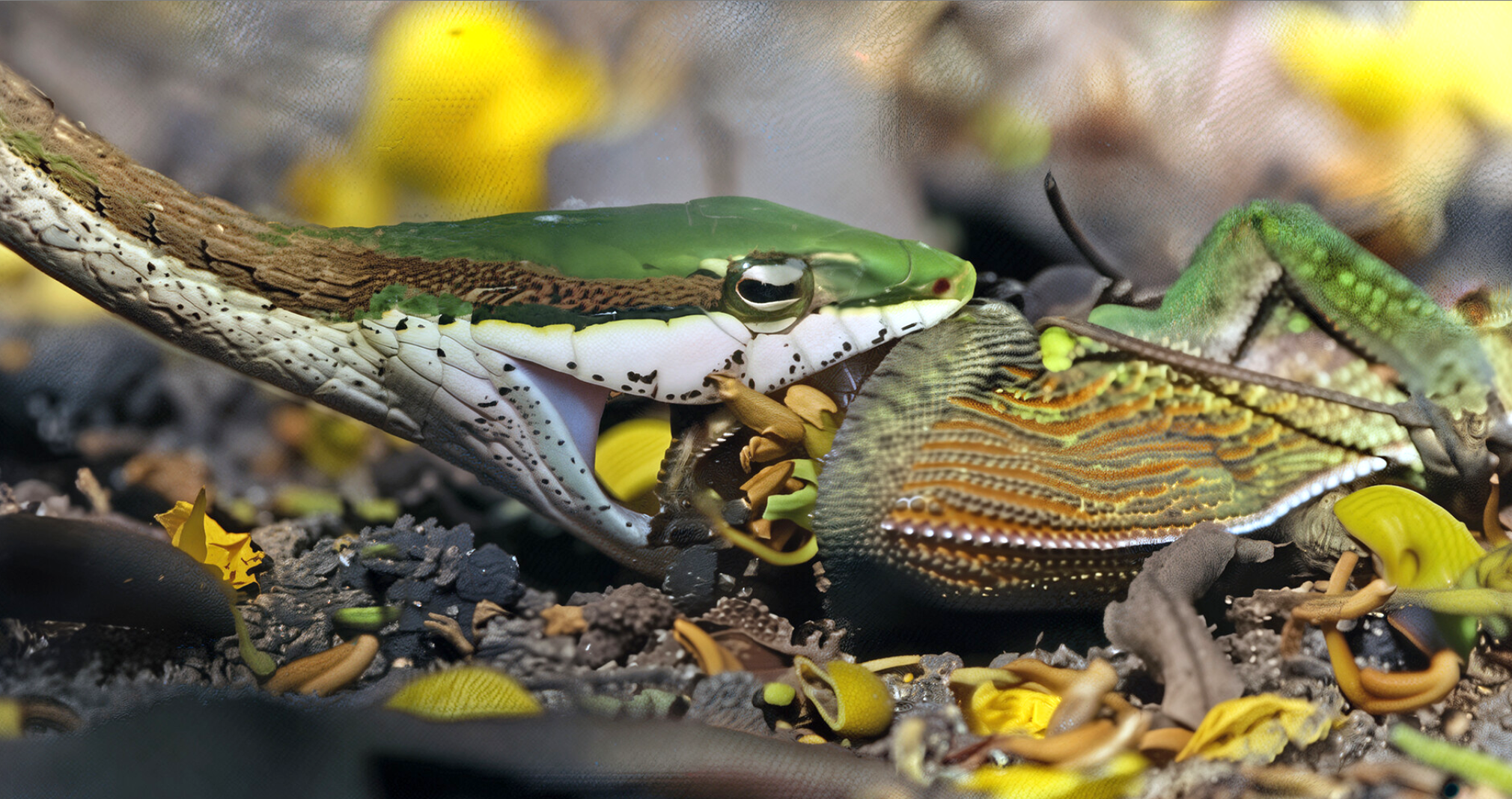
Two Predation Events Documented Eastern Vine Snakes Eating Flap-necked Chameleons in Mozambique
Two field observations in Mozambique provided the first published photographs of eastern vine snakes consuming flap-necked chameleons in…
Read story →
An ancient viral gene may have been repurposed in elephant placenta
An ancient viral gene that appears to have been inherited for at least 79 million years is strongly…
Read story →
How far young blue tits move from home may be partly inherited—but nest boxes complicate the picture
Across four blue tit populations, estimated heritability of natal dispersal distance was modest and uncertain. Nest-box layout could…
Read story →SPECIES IN THIS STORY
Species in this story
Independent research and conservation news archive
Did you find this information useful?
Wildlife Vagabond is independently built and maintained. Voluntary support helps cover source verification, hosting and continued work on research and conservation news.
Support Wildlife VagabondThe news archive will remain freely available.