
G17 and G6 Dominated Enterovirus G in Both Japanese Wild Boar and Pigs
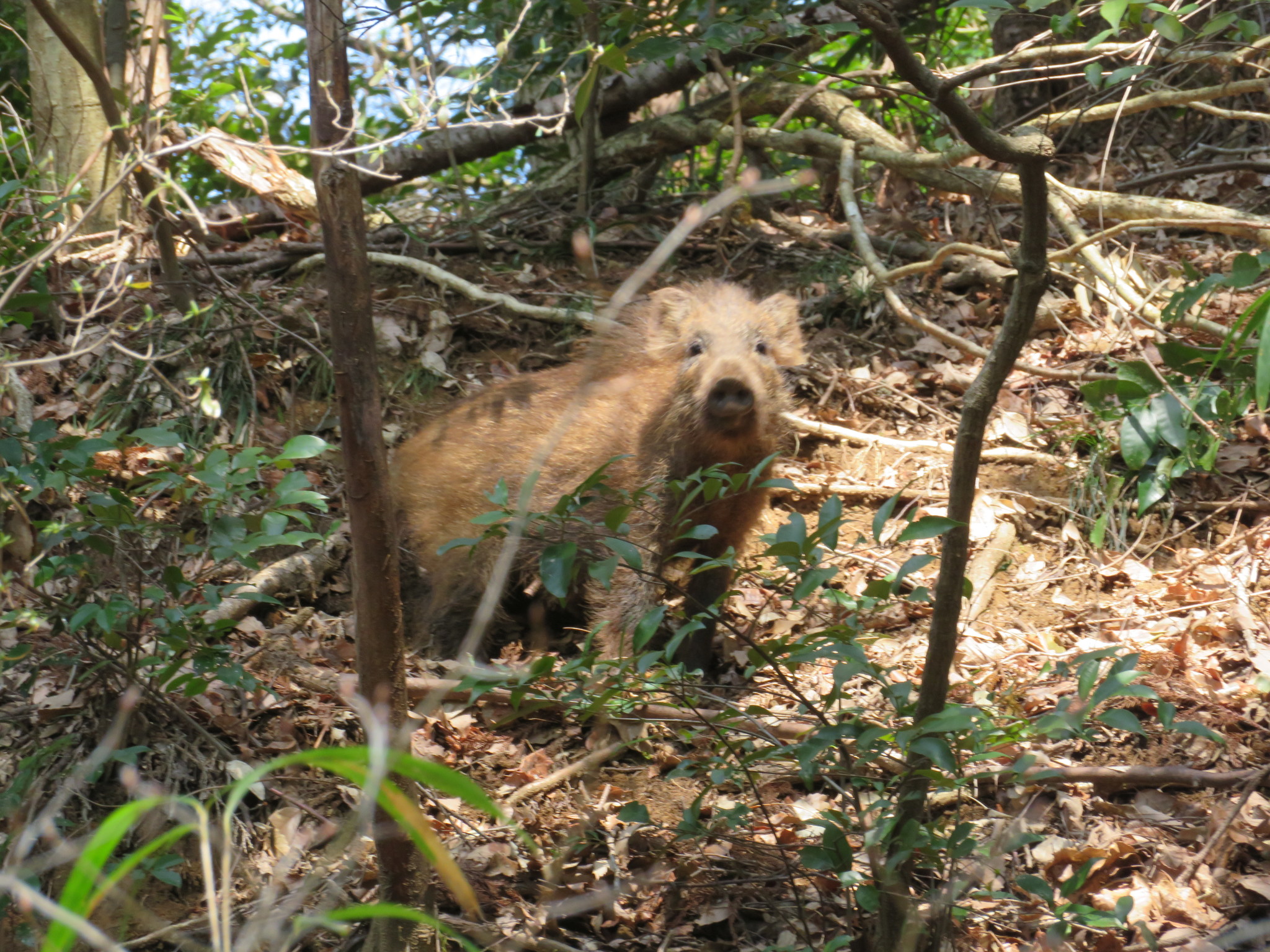
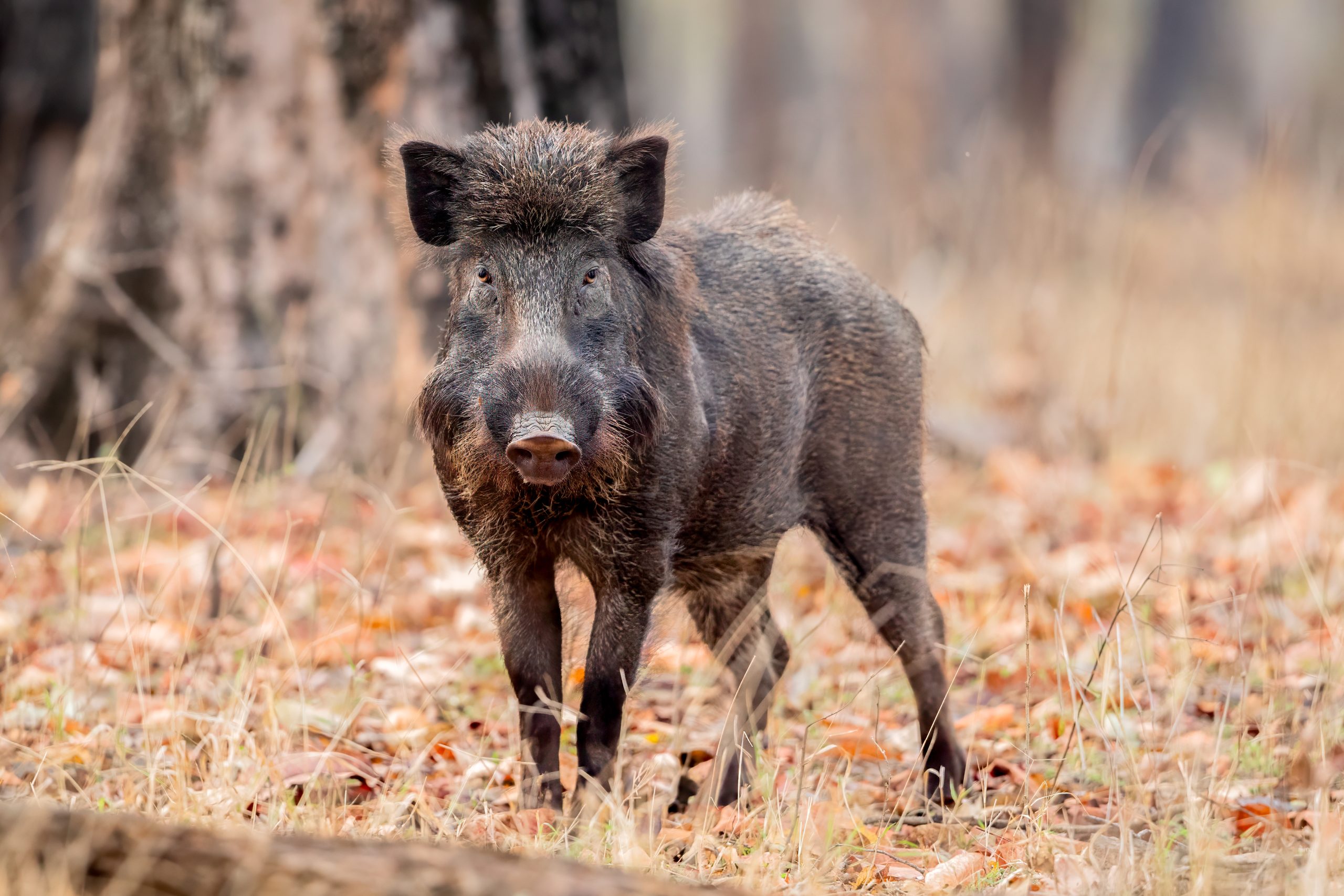
A study of wild boar (Sus scrofa) and domestic pigs in Japan found that two enterovirus G genotypes, G17 and G6, had become dominant in both hosts. The researchers also found a mixture of viral lineages: some were closely related between wild boar and pigs, while others appeared to have evolved independently in wild-boar populations.
Enterovirus G is a picornavirus of suids and forms part of the enteric virome of pigs and wild boar. Comparing genotypes in the two hosts can reveal where virus lineages are shared across the livestock–wildlife interface and where they are evolving more independently.
The study analysed faecal samples from 300 wild boar collected between 2018 and 2023 and 363 pigs sampled between 2017 and 2022. The researchers combined metatranscriptomic sequencing — sequencing the RNA present in the faecal samples so that many viruses could be detected without targeting only one in advance — with virus isolation. They focused on picornaviruses and related enteric viruses. Enterovirus G was the virus most frequently detected among wild boar.
G17 and G6 dominated in both hosts
Among 73 enterovirus G strains, 25 came from wild boar and 48 from pigs. The wild-boar viruses represented four genotypes (G1, G6, G8 and G17), whereas the pig viruses represented eight (G1, G2, G4, G6, G8, G17, G18 and G27). Despite this broader genotype diversity in pigs, G17 and G6 predominated in both hosts, a parallel increase that the authors interpret as evidence of possible viral exchange or shared transmission dynamics. Recombination analyses also detected genetic exchange involving enterovirus G strains from wild boar and domestic pigs. Eight of 13 G17 strains isolated from wild boar in 2023 lacked the papain-like cysteine protease, or PL-CP, sequence that had been present in all previously reported G17 strains. PL-CP is an inserted viral protease sequence associated with some enterovirus G genomes, so the appearance of PL-CP-deficient G17 viruses points to ongoing evolutionary change within wild-boar populations.
Some viral lineages were shared, others evolved separately
The wider virus survey showed the same combination of shared and independent evolutionary patterns. Sixty-seven porcine teschovirus strains were detected. All three wild-boar isolates belonged to genotype A5, whereas the pig isolates spanned 11 serotypes, showing much broader type diversity in domestic pigs. One wild-boar A5 strain was closely related to Japanese pig strains and showed evidence of recombination with pig viruses, while the other two wild-boar strains were genetically distinct from known Japanese pig strains. The study also identified 126 porcine sapelovirus strains, whose genetic clusters were associated with capture regions in wild boar and farm regions in pigs, with numerous recombination events. Porcine kobuvirus was detected in Japanese wild boar for the first time. A sapovirus strain from one wild boar also formed a distinct lineage that met the genetic criterion for a new genotype and carried evidence consistent with earlier recombination or interregional transmission. The researchers conclude that enteric viruses are diversifying in both wild boar and pigs through a mixture of interspecies transmission, mutation and homologous recombination — genetic exchange in which related viruses swap corresponding stretches of their genomes — while some lineages appear to evolve independently within wild-boar populations.
Disease, parasites & microbiology
Related news
Maps Show Where Wild Boar Could Thrive and Spread on Jeju Island
Researchers mapped potentially suitable wild-boar habitat across roughly 36% of Jeju Island and identified eight possible corridors linking…
Read story →
Roe Deer and Wild Boar Remained Key Wolf Prey as Diet Shifted Across North-western Italy
From 2021 to 2025, wolves in north-western Italy continued to feed mainly on wild prey. In the Po…
Read story →
Copper levels in wild boar differed across Slovak districts
An analysis of kidney, liver and muscle from 147 wild boar in four districts found that iron and…
Read story →SPECIES IN THIS STORY
Species in this story
Independent research and conservation news archive
Did you find this information useful?
Wildlife Vagabond is independently built and maintained. Voluntary support helps cover source verification, hosting and continued work on research and conservation news.
Support Wildlife VagabondThe news archive will remain freely available.