
Genetic Check Finds True Brood Parasitism Almost Absent in Barn Swallows
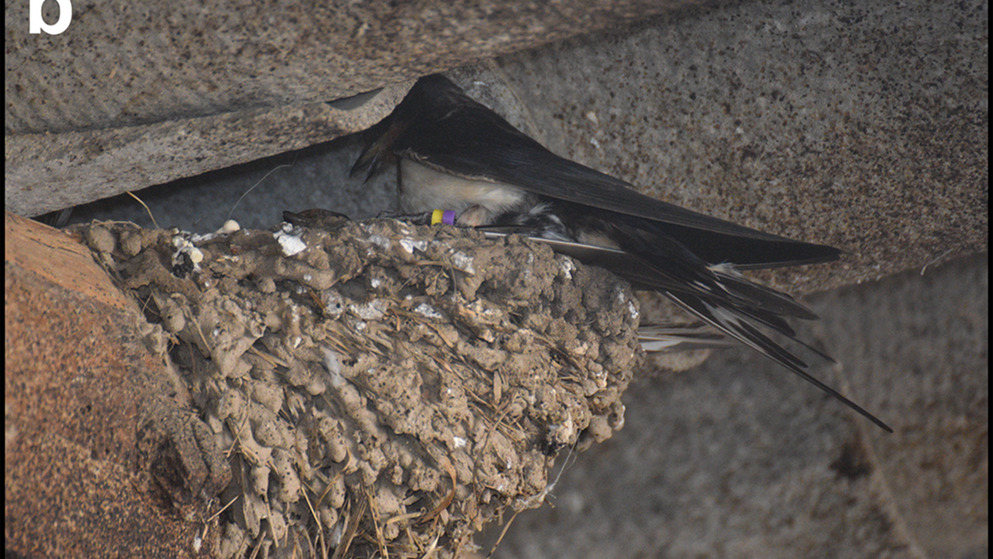
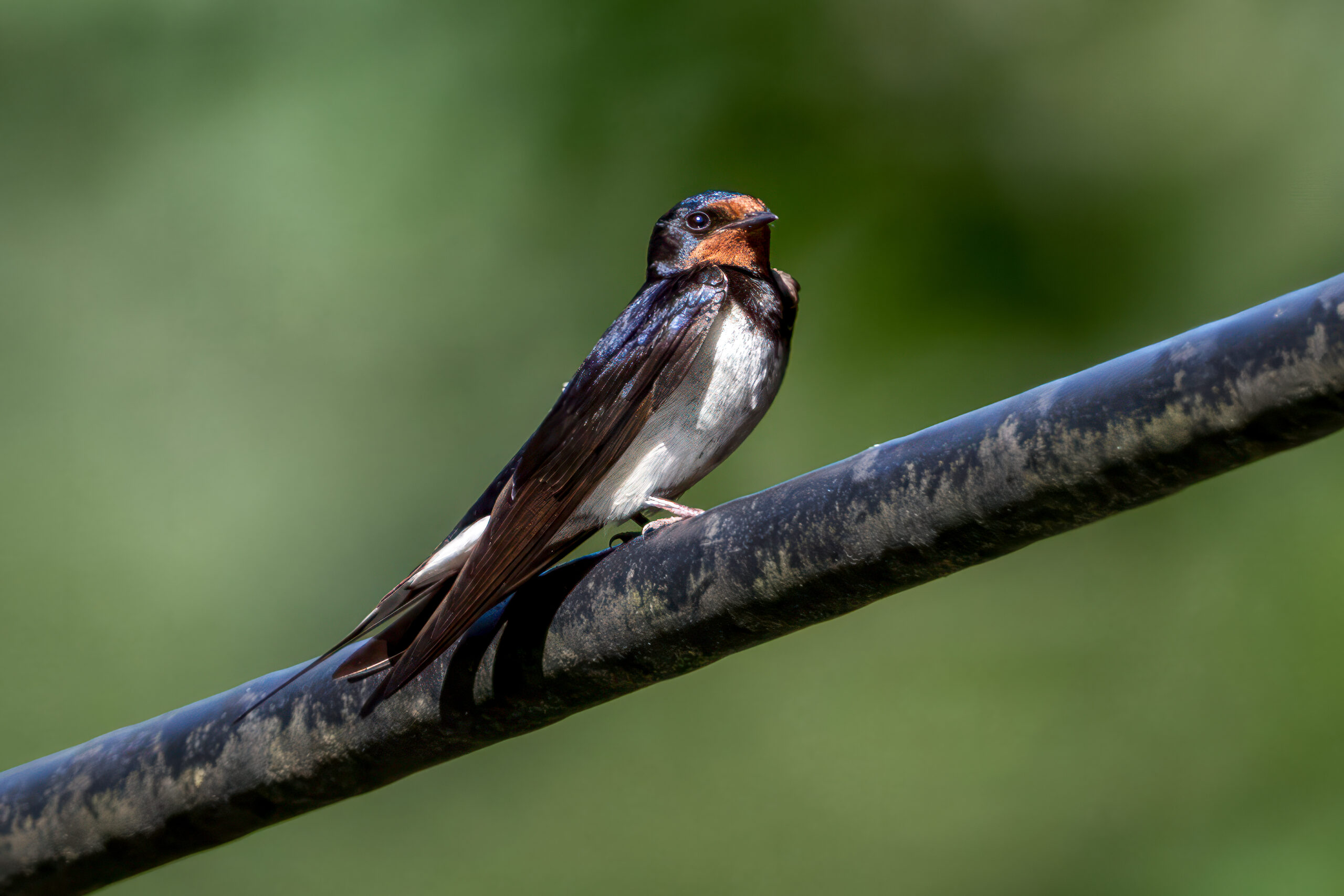
A large genetic study has found that conspecific brood parasitism is extremely rare in barn swallows (Hirundo rustica) from five populations in the Czech Republic. This behaviour occurs when a female lays an egg in the nest of another female of the same species, leaving the resident pair to raise the offspring.
The researchers analysed parentage in 1,943 broods containing 7,827 offspring and genotyped 2,205 adults. The material came from 12 breeding seasons between 2010 and 2021. Detailed nest monitoring and individually marked birds allowed the team to examine not only whether a brood had more than one mother, but also how the mixed maternity arose.
Only three of 1,943 broods were reliable cases of brood parasitism
Only six broods, 0.3 per cent of the total, contained offspring from two females. Three were identified as true cases of brood parasitism. The other three most likely resulted from nest takeovers, in which a female laid eggs in her own nest before another female displaced her. This distinction reduced the number of reliable parasitic cases to three among all 1,943 broods.
Two eggs on one day were usually not evidence of parasitism
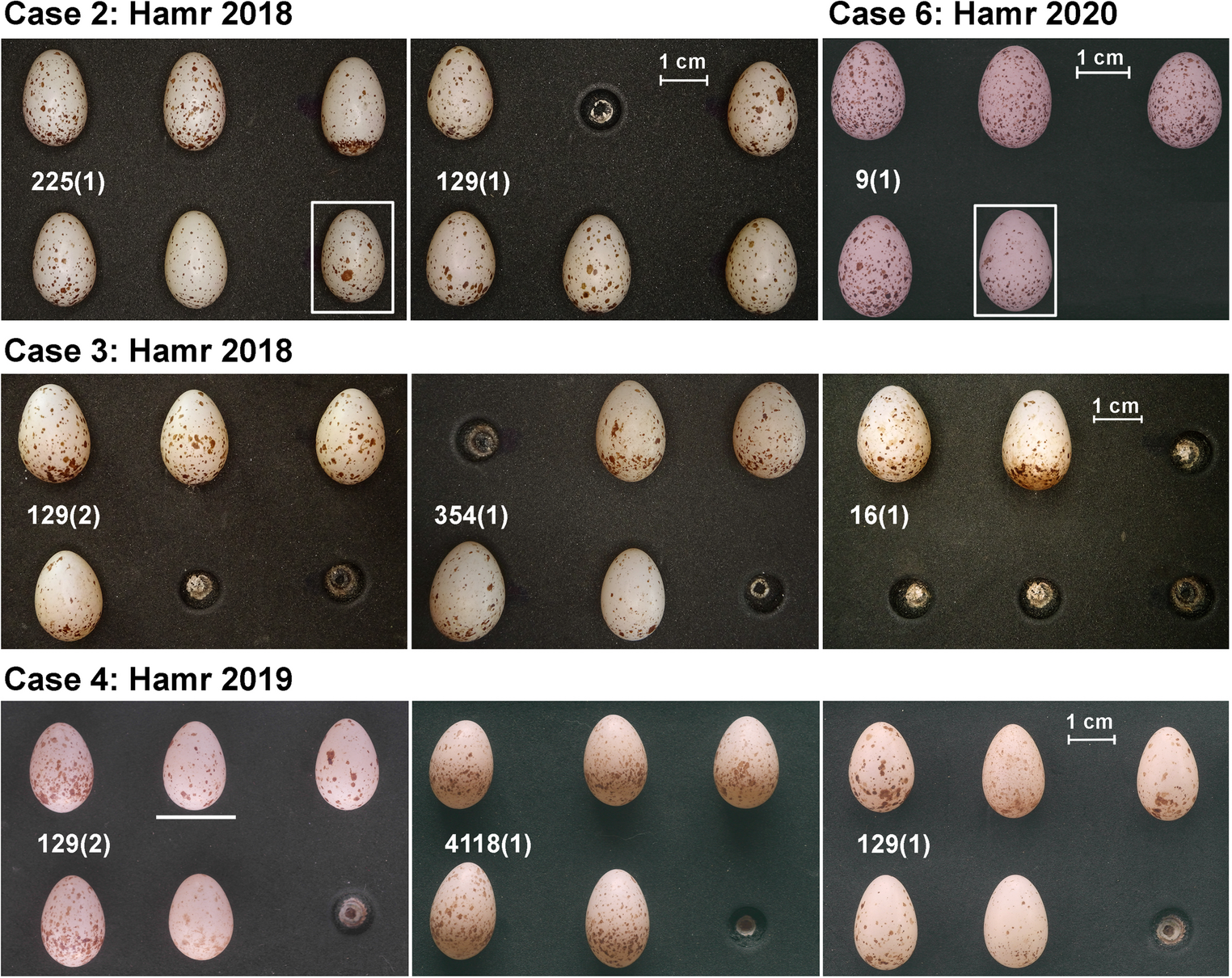
Earlier studies sometimes inferred brood parasitism when two eggs appeared in a nest on the same day, because one female normally lays no more than one egg daily. In the new dataset, 11 such events were recorded. Ten could be assessed with parentage data, and only one was confirmed as true brood parasitism; the remaining nest was depredated before sampling.
The authors conclude that conspecific brood parasitism was virtually absent in the populations they studied and has probably been overestimated in barn swallows. Their review of other swallows also found that mixed maternity cannot by itself reveal the behavioural process behind a brood. Across the Hirundinidae studies they reviewed, compelling evidence that conspecific brood parasitism functions as an alternative reproductive strategy was found only in the cliff swallow (Petrochelidon pyrrhonota); for the other species, alternative causes of mixed maternity could not be ruled out. They recommend combining frequent nest checks, marked individuals and rigorous parentage analysis to separate parasitic laying from nest takeovers and other causes.
Behaviour
Related news
Usutu Virus RNA Was Found Nearly Three Times as Often as West Nile Virus RNA in Southern France
Among 2,533 wild birds from 69 species in southern France, Usutu virus RNA was detected in 12.0% and…
Read story →
Larger Broods and Older Social Fathers Were Linked to Shorter Telomeres in Male Barn Swallow Nestlings
A long-term study near Milan found shorter telomeres in male barn swallow nestlings from larger broods or with…
Read story →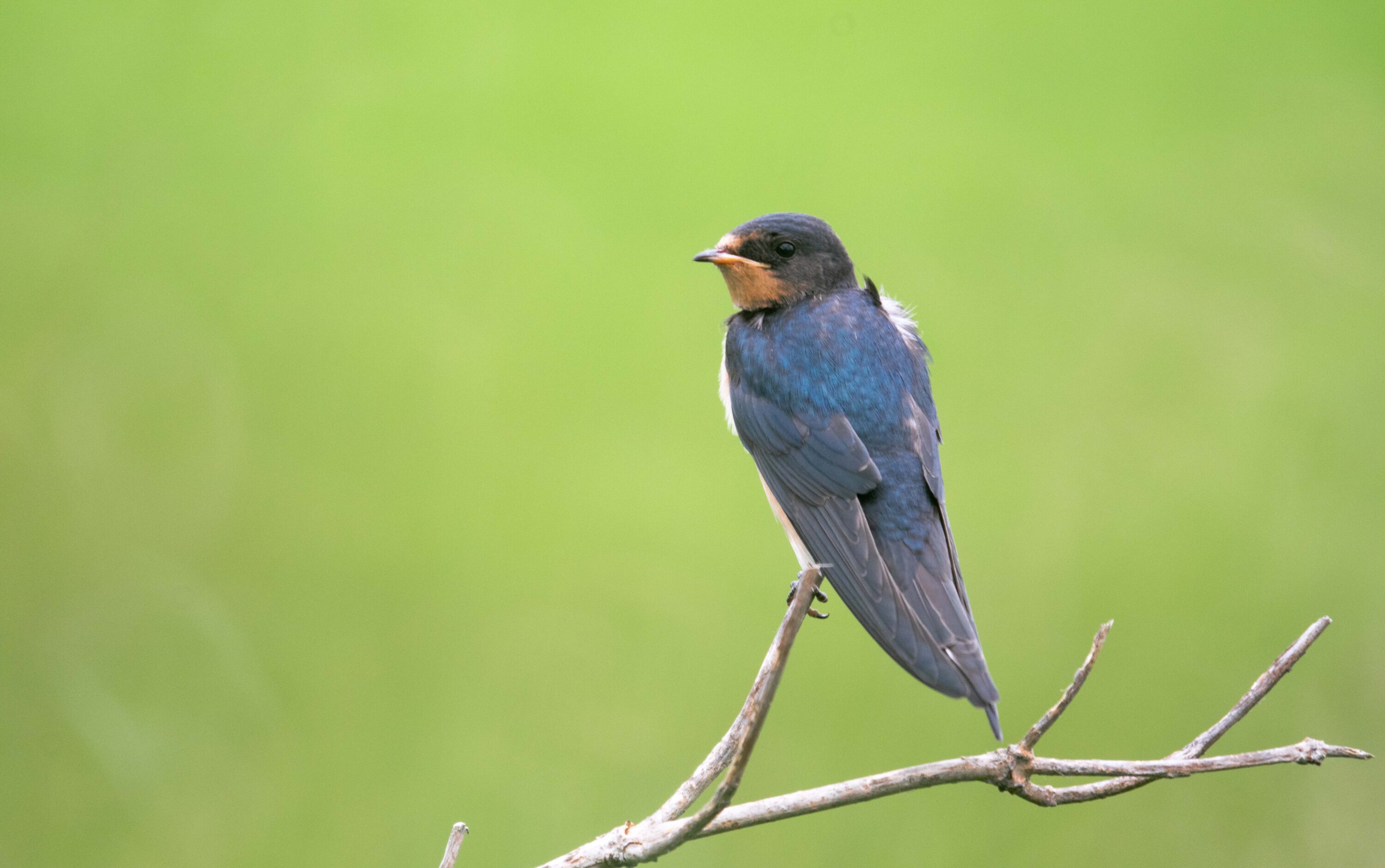
Mitochondrial DNA Reveals a More Complex Evolutionary History of Barn Swallows
A study of 580 complete barn swallow mitochondrial genomes found five major maternal lineages, including a newly recognised…
Read story →SPECIES IN THIS STORY
Species in this story
Independent research and conservation news archive
Did you find this information useful?
Wildlife Vagabond is independently built and maintained. Voluntary support helps cover source verification, hosting and continued work on research and conservation news.
Support Wildlife VagabondThe news archive will remain freely available.