
Giraffe skull growth appeared to stop near four years in females and eight in males
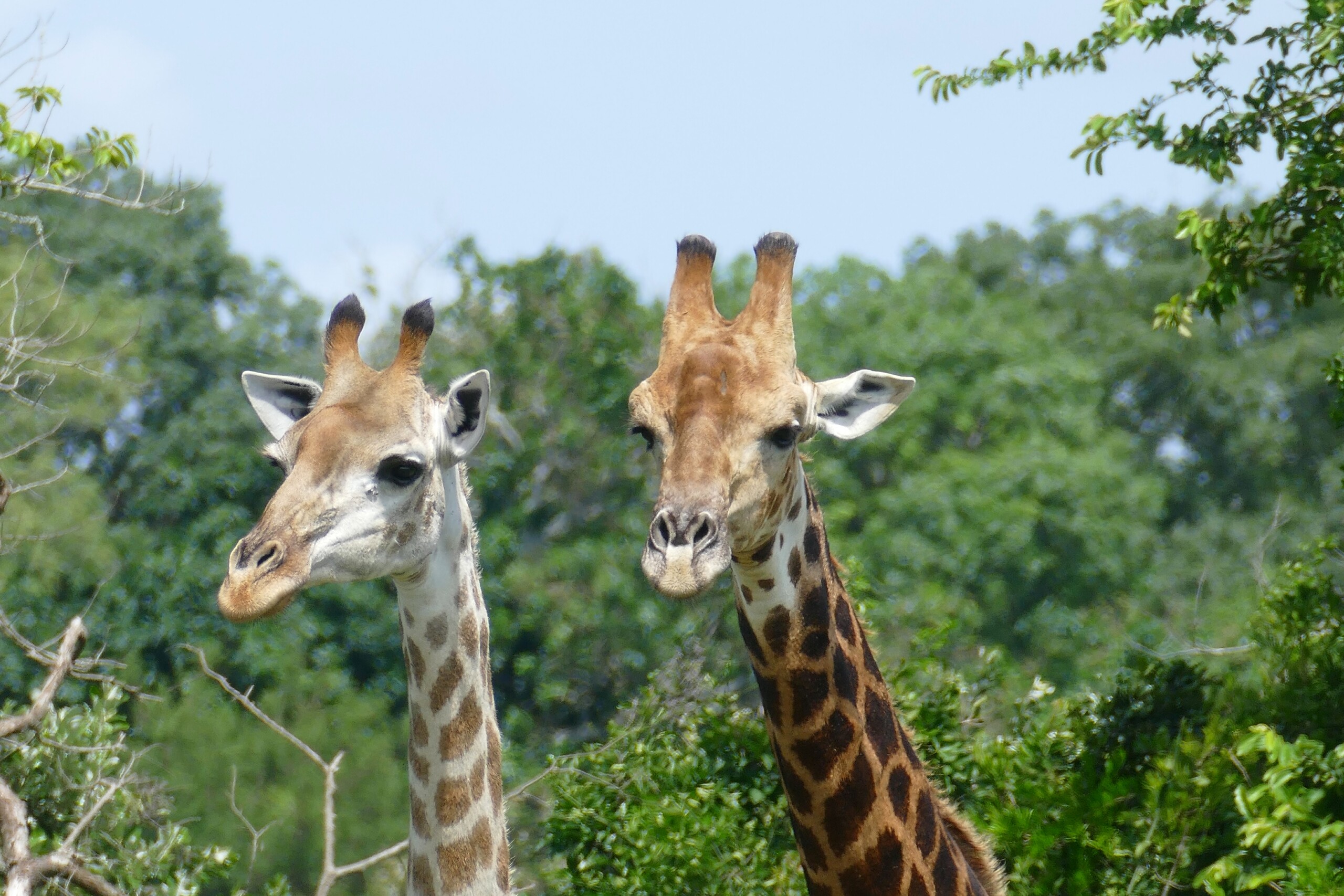
A three-dimensional analysis of 515 giraffe skulls found that females appeared to reach their adult cranial form at around four years of age, while males continued growing until about eight. The pattern was shared across living giraffe species, including the southern giraffe (Giraffa giraffa), but males and females followed measurably different growth trajectories.
The researchers assembled skulls from across Africa and collections elsewhere: 363 came from museums, 70 from animals obtained in parks and reserves, and 82 from taxidermists whose specimens originated in known southern African reserves. The dataset included 179 southern giraffes—43 Angolan giraffes, 121 South African giraffes and 15 specimens that could not be assigned to a subspecies.
Each skull was recorded with a three-dimensional surface scanner or a CT scanner. The team then placed matching anatomical landmarks on the digital models and compared size and shape using geometric morphometrics. Age classes were assigned from tooth eruption and wear together with the closure of skull sutures. The study compares specimens in different age classes rather than following the same animals as they grow.
Growth followed a shared pattern before the sexes diverged
Across species, the skulls followed a broadly shared developmental direction. Size-related shape change accounted for about 15% of the total shape variation, meaning that most differences in skull shape could not be explained simply by some skulls being larger than others. The largest spread in skull size occurred in the two-to-four-year age class, a period when young giraffes have become independent feeders.
The sexes then diverged in the duration and details of growth. Female skulls appeared to stop growing in the class beginning at roughly four years, close to the age at which females become reproductively mature. Males continued for about another four years and reached their final cranial size around eight, also near their reported age of reproductive maturity.
This was not only a matter of adult males being scaled-up females. The male and female growth trajectories differed clearly in both slope and position. Males and females of similar skull size could therefore still have different cranial shapes. The bony head structures known as ossicones changed especially strongly and helped distinguish males. Because ossicones are important in territorial and mating behaviour, the authors suggest that sexual selection on these structures may have contributed to divergence among neighbouring giraffe lineages.
Ossicones changed strongly but remained integrated with the skull
At the same time, the ossicones did not behave as fully independent structures. Changes in the face, braincase and cranial ornaments were strongly linked, suggesting that the giraffe skull develops largely as a coordinated whole. The ossicones showed greater flexibility in how much they changed, but their shape still covaried with the rest of the skull.
Species and subspecies also differed in skull shape
The paper also confirmed skull-shape differences among all four giraffe species. Differences between subspecies were less consistent and appeared only in some comparisons. The authors describe the southern giraffe skull as most similar to ancestral forms. They caution, however, that giraffe fossils are poorly known, so it remains uncertain whether this reflects retention of ancestral traits or a developmental process that preserves more juvenile-like proportions.
No animal was killed specifically for the study. The work builds on a previously assembled skull dataset, but adds an analysis of growth, sex differences and how different skull regions develop together.
Anatomy & morphology
Related news
Giraffe and White Rhino Blood Samples Differed in 28 Metabolites
Blood samples from southern giraffes and white rhinoceroses differed in 28 metabolites across repeated statistical checks. Branched-chain amino…
Read story →
Organic Acids Fell as Amino Acids Rose in Giraffe Milk Late in Lactation
Milk from five giraffes in South Africa shifted chemically between about 9.4 and 15.1 months of lactation: Krebs-cycle…
Read story →
First Giraffe Calf Born in Iona Since Angolan Giraffes Were Reintroduced
A giraffe calf has been recorded in Angola’s Iona National Park for the first time since Angolan giraffes…
Read story →SPECIES IN THIS STORY
Species in this story
Independent research and conservation news archive
Did you find this information useful?
Wildlife Vagabond is independently built and maintained. Voluntary support helps cover source verification, hosting and continued work on research and conservation news.
Support Wildlife VagabondThe news archive will remain freely available.