
Winter Gull Survey: Great Black-backed Gull Fell 66%, Lesser Black-backed Gull 47%, Herring Gull Stayed Near 720,000
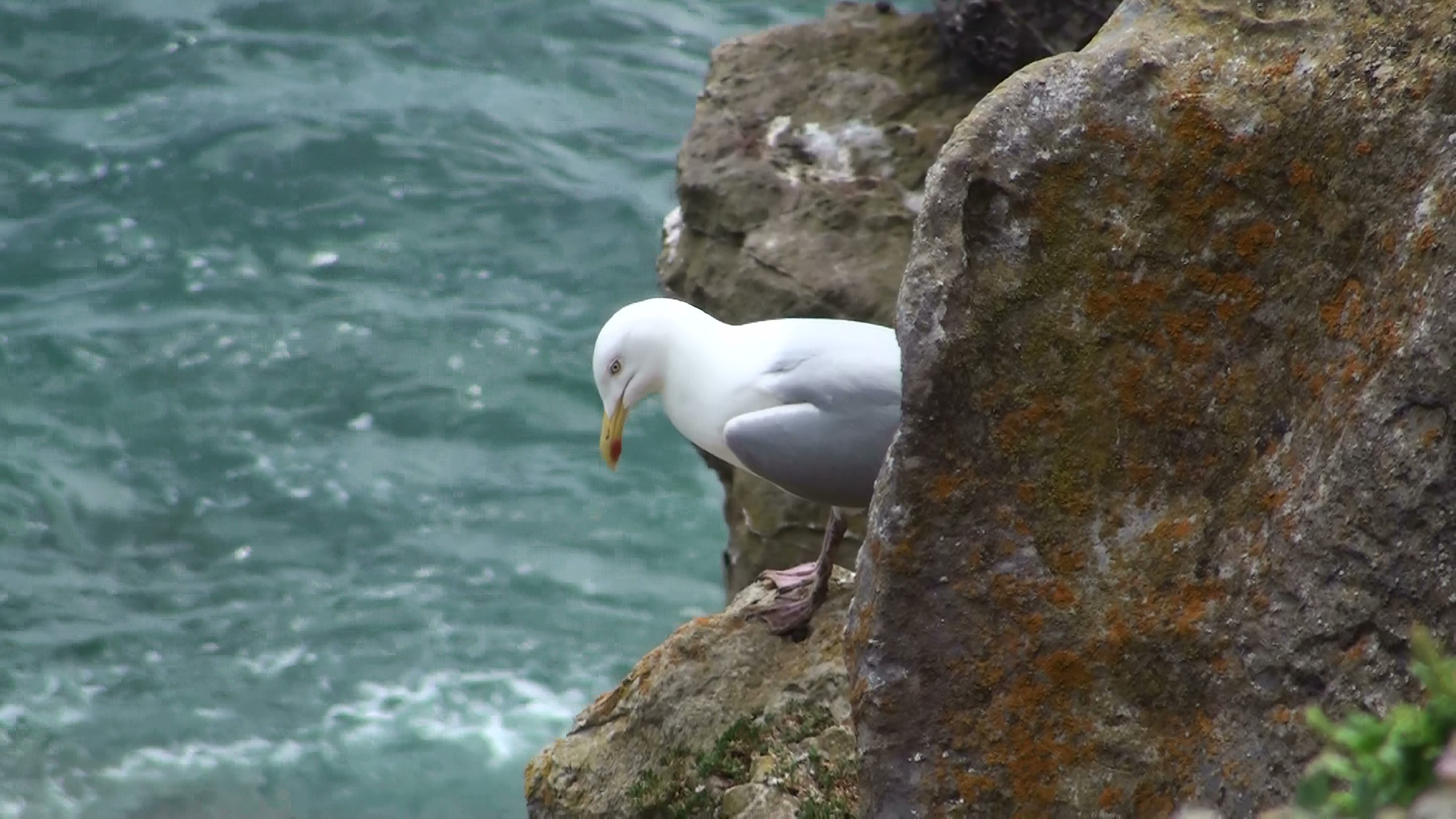
Great Britain’s first comprehensive winter-gull survey in two decades found sharply different trends in three large gulls. The 2023/24–2024/25 survey estimated 720,182 European herring gulls (Larus argentatus), almost unchanged from the 729,801 estimated around twenty years earlier. In contrast, lesser black-backed gulls (Larus fuscus) fell by 47.2% from 124,654 to 65,856, while great black-backed gulls (Larus marinus) fell by 66.3% from 75,860 to 25,535.
The Winter Gull (Roost) Survey combines near-complete coverage of major evening roosts with stratified sampling of other inland and coastal sites. Its estimates describe birds using Great Britain in winter and are not equivalent to breeding-population counts.
Herring gull numbers were nearly unchanged overall
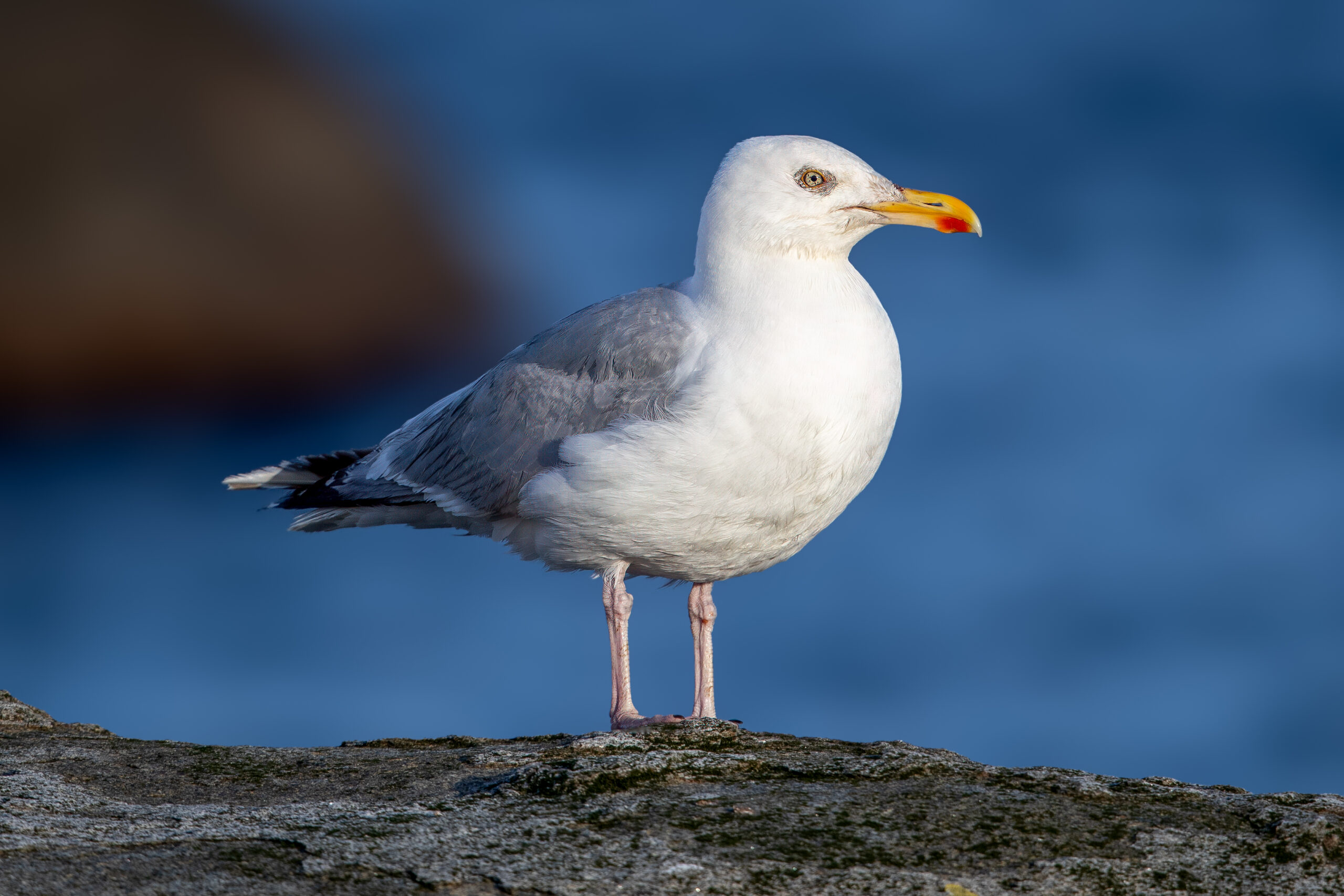
The herring-gull point estimate was only 1.3% lower than in the previous survey. The new estimate was 720,182 birds. England increased from 362,821 to 406,517 birds, while Scotland declined from 273,058 to 226,751 and Wales from 93,613 to 82,042. A separate analysis restricted to sectors surveyed in both periods suggested a slight overall increase.
The report therefore describes the Great Britain herring-gull total as broadly stable while highlighting a decline in Scotland. The authors note that the slight increase seen when only repeatedly surveyed sectors are compared may reflect a greater concentration of herring gulls at large, regularly monitored roosts, potentially alongside a contraction of the winter range toward preferred roosting habitat. Winter surveys include birds from urban and natural British colonies as well as migrants from elsewhere in Europe, so they measure a different population component from breeding-season monitoring.
Great black-backed gulls fell by about two-thirds
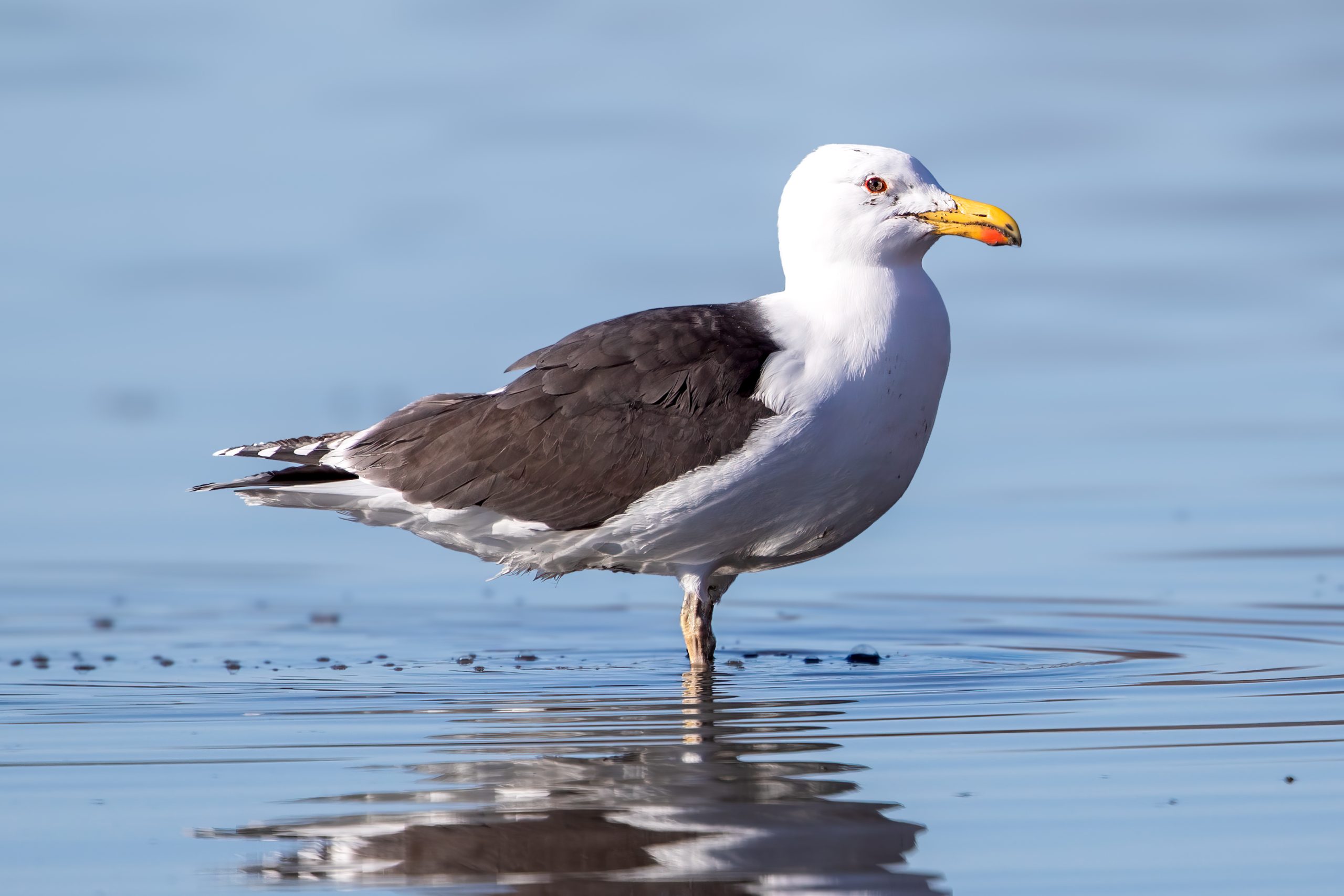
The estimated wintering great black-backed gull population in Great Britain fell from 75,860 to 25,535 birds, a decline of 66.3%. The new rounded estimate was 26,000 birds. England declined from 53,361 to 16,164 birds, Scotland from 18,113 to 7,765 and Wales from 4,365 to 1,233. Northern Ireland, analysed separately from the Great Britain total, declined from 750 to 433 birds.
Lesser black-backed gulls fell by nearly half
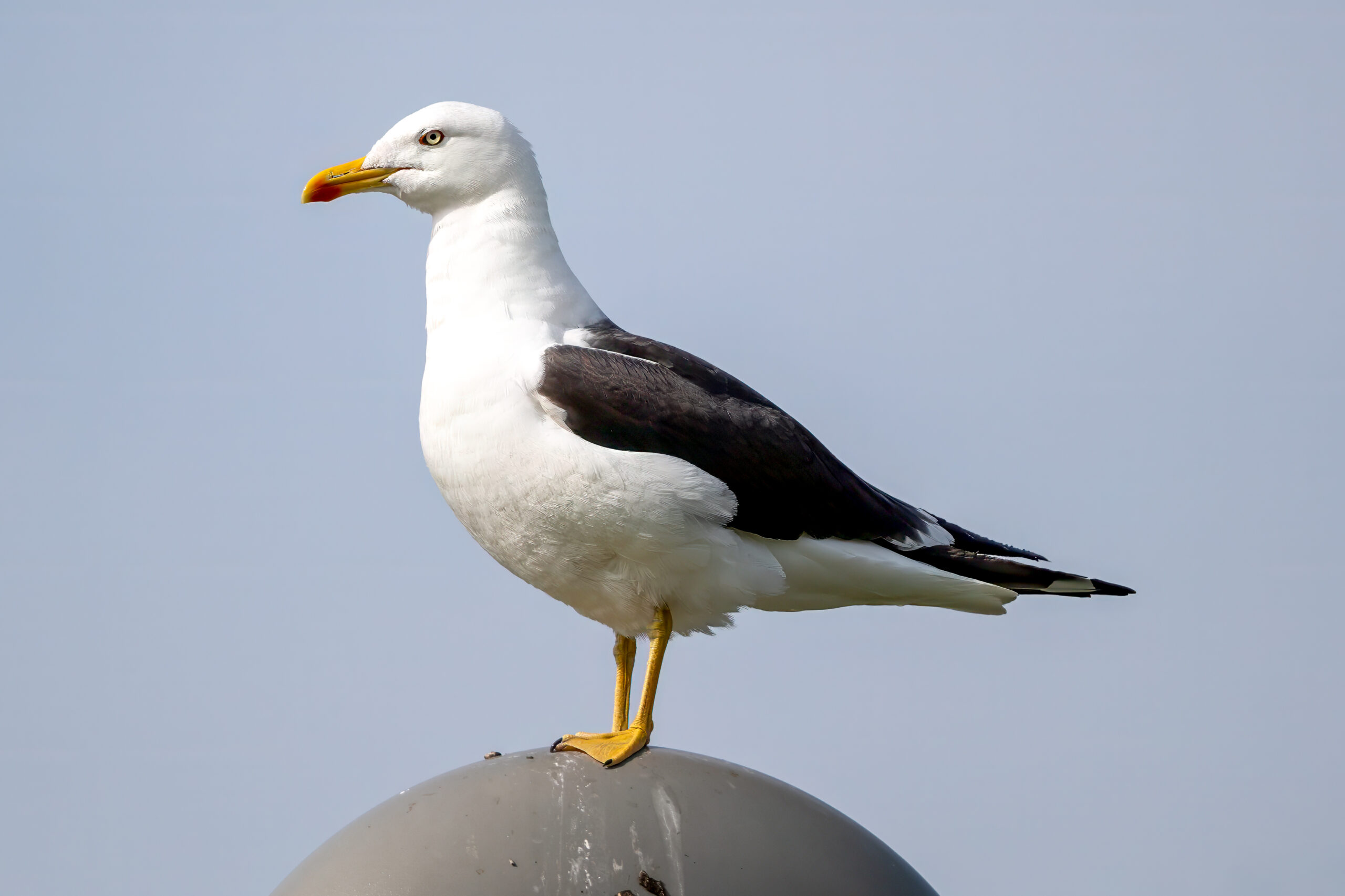
The estimated wintering lesser black-backed gull population declined from 124,654 to 65,856 birds. England fell by 53.8% and Scotland by 89.5%, while Wales increased from 3,838 to 10,982. Northern Ireland, analysed separately from the Great Britain total, declined from 459 to 188 birds.
A second analysis restricted to sectors surveyed in both the old and new survey periods showed much smaller declines: about 12% for lesser black-backed gull and 16% for great black-backed gull. The report argues that these paired sectors may overrepresent large, regularly monitored roosts; the broader population estimates are more consistent with declines seen in other monitoring programmes. The exact size of the decline is therefore less certain than the direction of the long-term change.
Winter estimates are not breeding-population trends
Roost counts provide a national-scale picture of winter distribution, but changes can reflect both population size and where birds spend the non-breeding season. The report therefore treats these results as changes in wintering population estimates rather than as direct measures of breeding-population trends. BTO also points to several processes that could contribute to broad gull declines, including highly pathogenic avian influenza, changes in land use and agriculture, altered waste management and fishery-discard practices, and redistribution within wider flyways. The survey does not identify any one of these as the sole cause of the changes reported here.
Population & status
Related news
Cormorant and Large-Gull Counts Fell at a Danish Pound Net, but the Difference Disappeared Within Weeks
At one Danish pound net fitted with Looming-Eye Buoys, great cormorant and large-gull counts dropped sharply relative to…
Read story →
UK Seabird Monitoring Found Steep Declines While Great Black-backed Gull Trends Split Between Scotland and Wales
The 2026 UK seabird statistic reported long-term declines of 72% in natural-nesting lesser black-backed gulls, 51% in natural-nesting…
Read story →
Scotland Requires Five-Year Population Reports for Five Gull Species
Scotland’s Natural Environment Act 2026 requires recurring five-year reports on coastal and urban populations of five named gull…
Read story →SPECIES IN THIS STORY
Species in this story
Independent research and conservation news archive
Did you find this information useful?
Wildlife Vagabond is independently built and maintained. Voluntary support helps cover source verification, hosting and continued work on research and conservation news.
Support Wildlife VagabondThe news archive will remain freely available.