
Great Tits Used Different Nest Materials After Wildfire, While Fledging Success Was Higher at Burned Sites
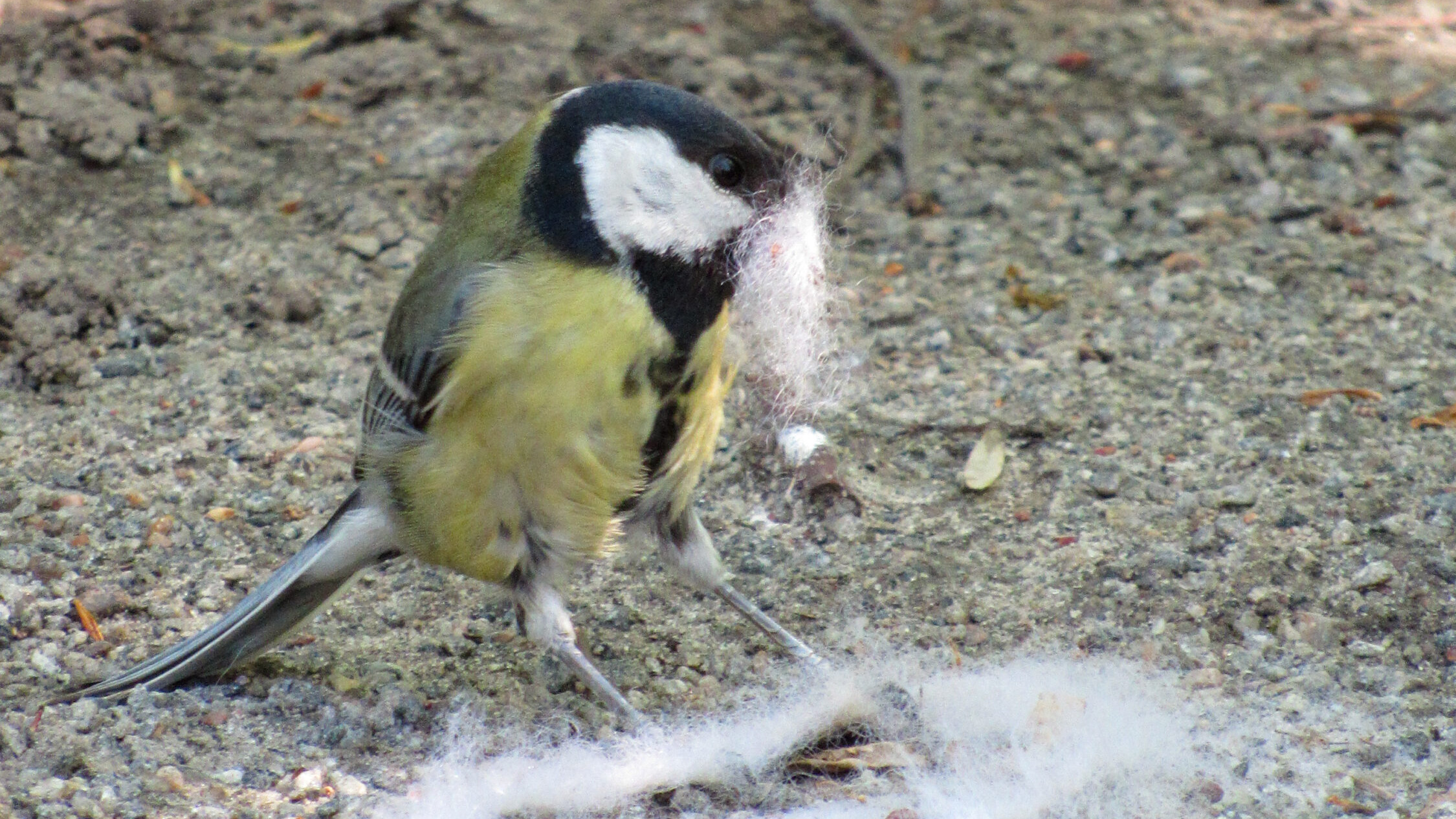
A study published on 18 May 2026 found that great tits (Parus major) breeding in northeastern Algerian forest burned in 2019 built nests with less moss and more alternative fibres and fine residue than birds in long-unburned forest. Their eggs were also lighter, but nestling body condition was not lower and fledging success was higher at the burned sites.
The researchers worked at three sites in two forests in Mila Province: two sites in the severely burned Zouagha forest and one in Mouia forest, which had remained unburned at least since 1997. Nest-box breeding was followed from nest construction through fledging.
Burned-forest nests contained less moss and more alternative material
At the end of the breeding season, researchers collected 44 nests from the boxes, dried them and systematically dismantled them so that the different materials could be weighed. Fine material remaining after the nest debris was passed through a 0.1 mm mesh was classified as “dust”, representing accumulated fine nesting and nestling residue.
Moss dominated nests in the unburned forest. Nests from the burned sites contained less moss and a greater contribution from fibres and fine residue, indicating that great tits switched to alternative material where their usual moss supply was reduced. Clutch size itself did not differ clearly between burned and unburned forest, although nests with a larger fibre-and-dust component tended to contain larger clutches.
Eggs were lighter, but older nestlings were not in poorer condition
Eggs in the burned forest weighed about 1.2 g on average, compared with about 1.5 g in the unburned forest. The study therefore found a clear difference in investment per egg.
When nestlings reached 14–16 days, researchers assessed body condition using both body mass and tarsus length. This scaled mass index asks whether a chick is relatively heavy or light for its structural body size, rather than comparing mass alone. Nestling condition was not clearly lower in burned forest. Instead, it increased with later laying date.
More young fledged from nests in burned forest
Hatching success was driven mainly by timing: earlier clutches produced more hatchlings. Forest fire history did not show a clear effect on clutch size or number of hatchlings.
The later breeding stage showed the opposite of a simple negative fire effect. Mean fledging success was about 74% in burned forest and 53% in unburned forest, while the average number of fledglings was about 5.5 versus 3.5. Larger nest boxes were also associated with higher fledging success and more fledglings.
The result does not show that wildfire itself improved reproductive performance. The researchers did not directly measure food availability, parental feeding effort or nest-box microclimate, all of which could contribute to differences in egg mass or fledging. What the study does show is substantial behavioural flexibility in nest building: great tits altered their material use after severe habitat disturbance without showing a corresponding reduction in nestling condition or fledgling production.
Reproduction & development
Related news
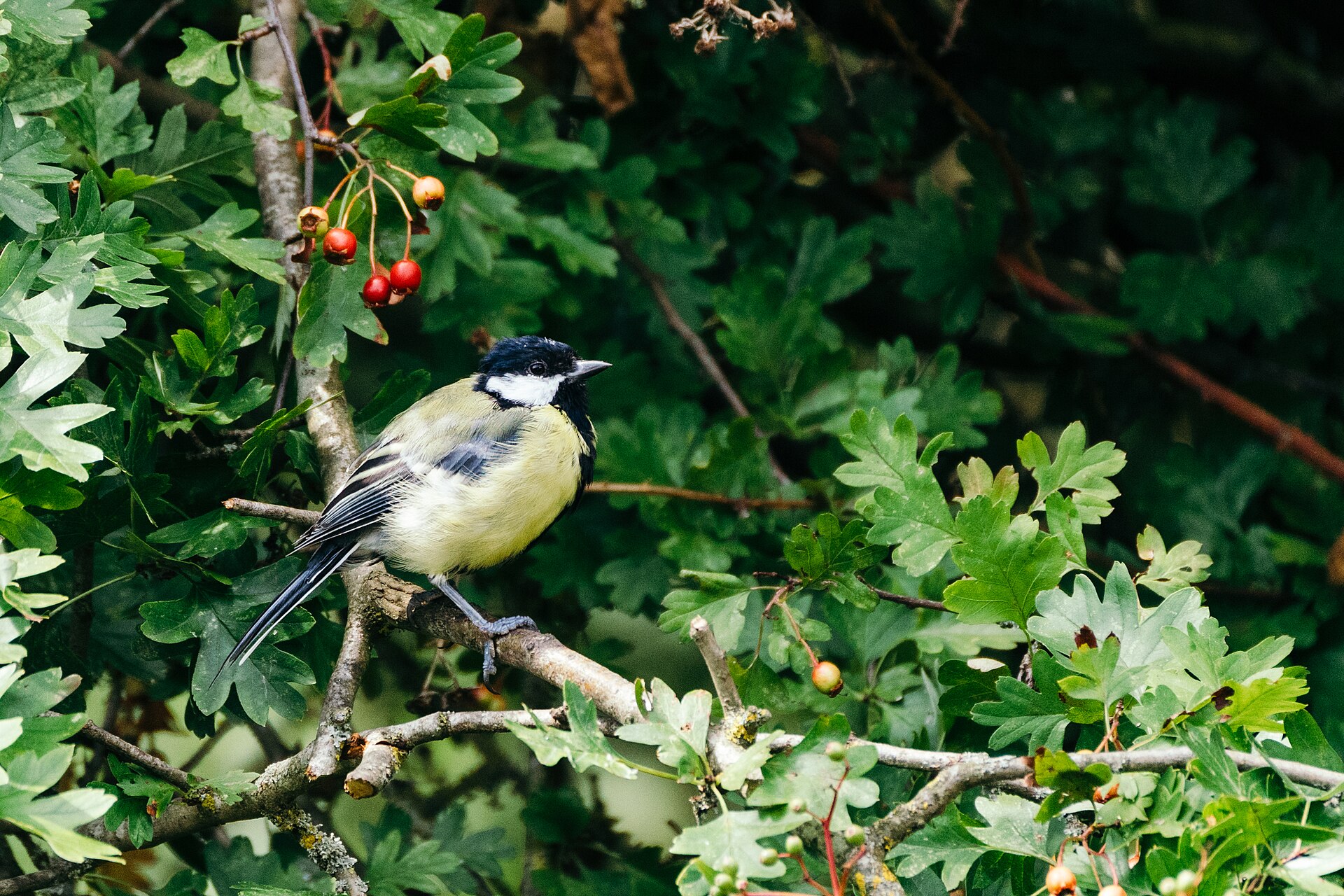
City and Forest Great Tits Respond Differently to Artificial Light at Night
In a common-garden experiment, artificial light initially advanced daily activity onset in great tits from both city and…
Read story →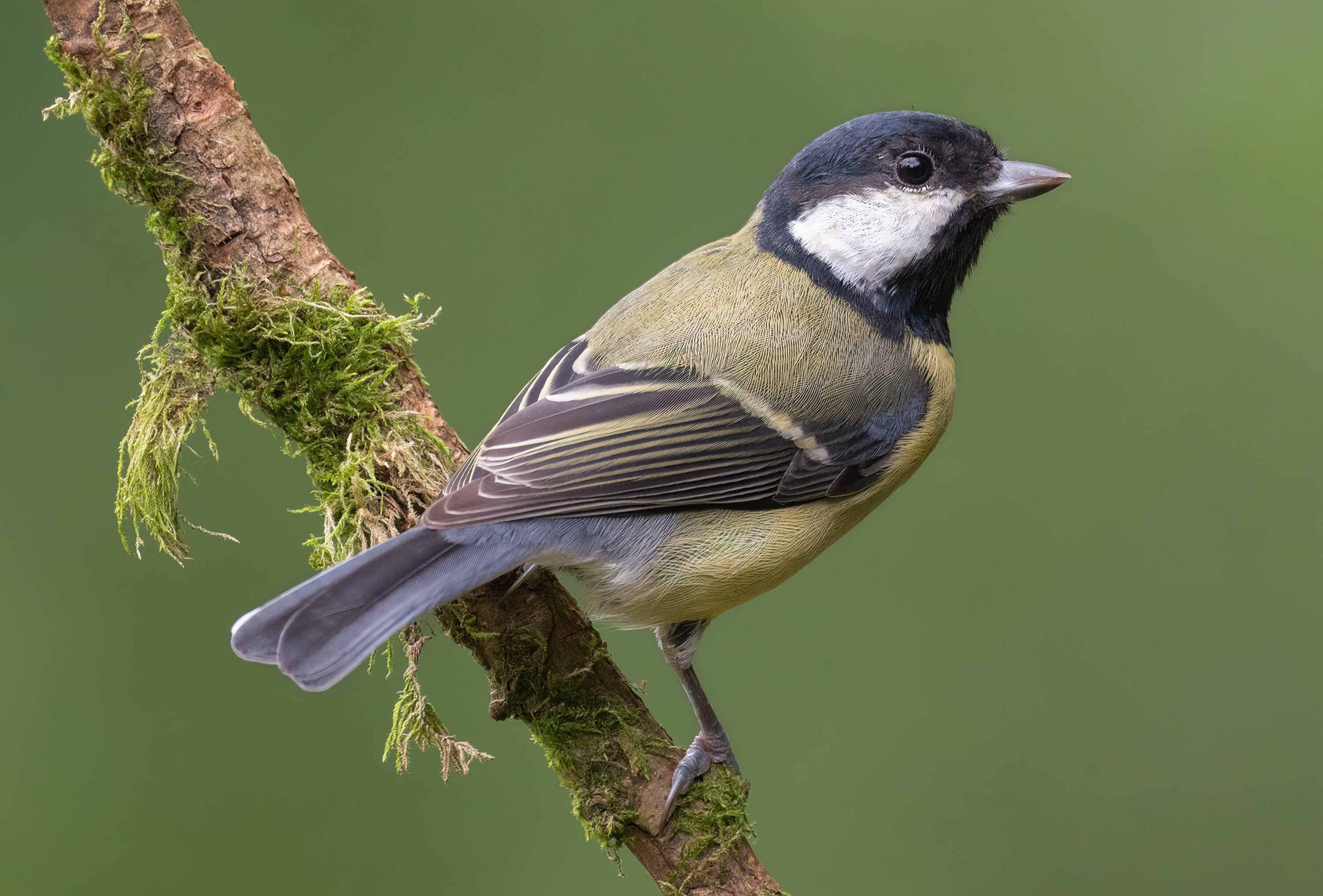
Great Tits Infected Ticks With Borrelia Most Often During Breeding
Across 420 xenodiagnoses in northern Belgium, wild Great Tits were much more likely to transmit Borrelia garinii to…
Read story →
Urban Bird Diversity Was More Strongly Linked to Forest Structure Than the Surrounding City
Across 12 urban forests in three Italian cities, researchers recorded 2,035 birds from 52 species. Local forest structure…
Read story →SPECIES IN THIS STORY
Species in this story
Independent research and conservation news archive
Did you find this information useful?
Wildlife Vagabond is independently built and maintained. Voluntary support helps cover source verification, hosting and continued work on research and conservation news.
Support Wildlife VagabondThe news archive will remain freely available.