
DNA From Kudu Dung Identified 91 Individuals and Produced a Population Estimate Close to an Aerial Count
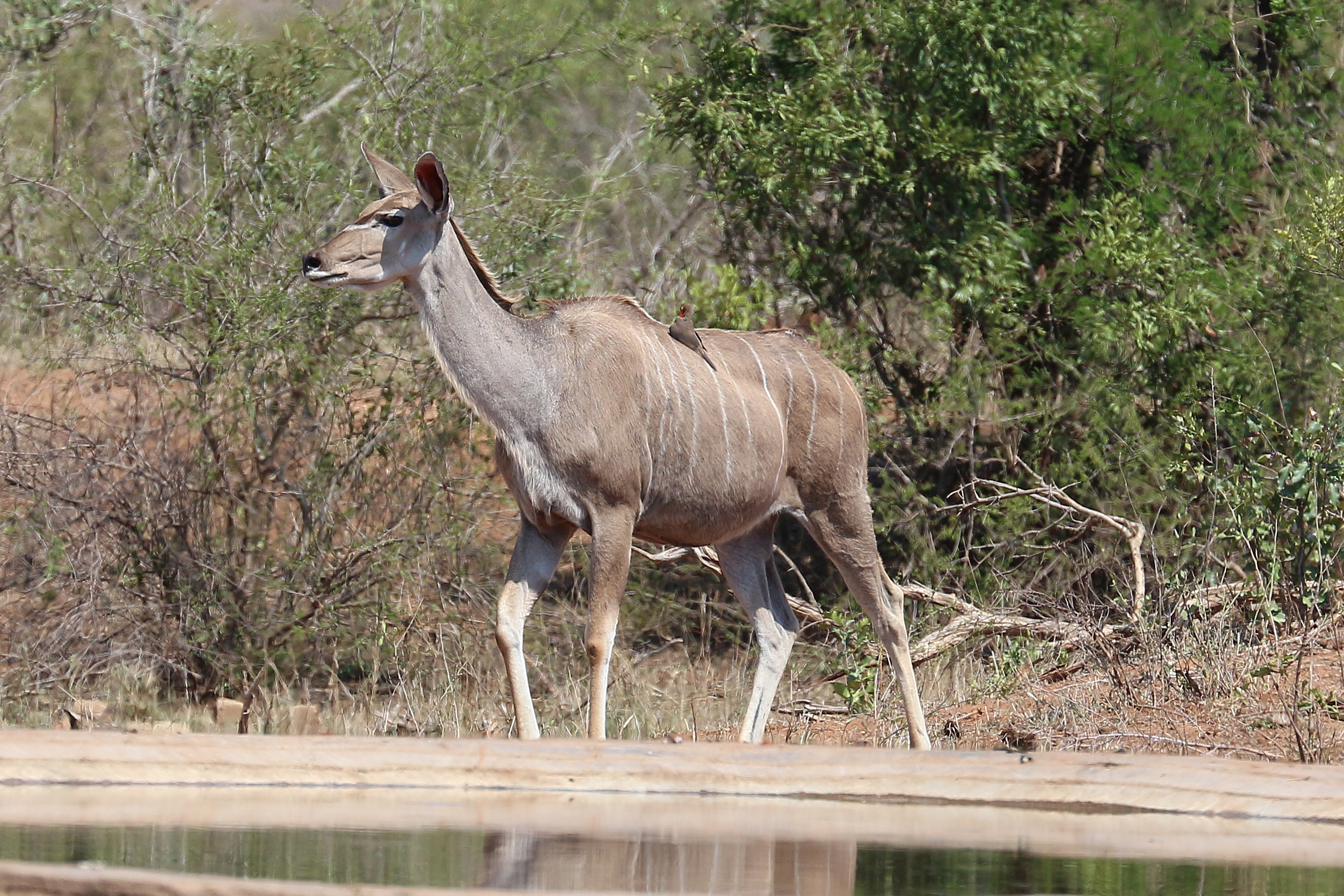
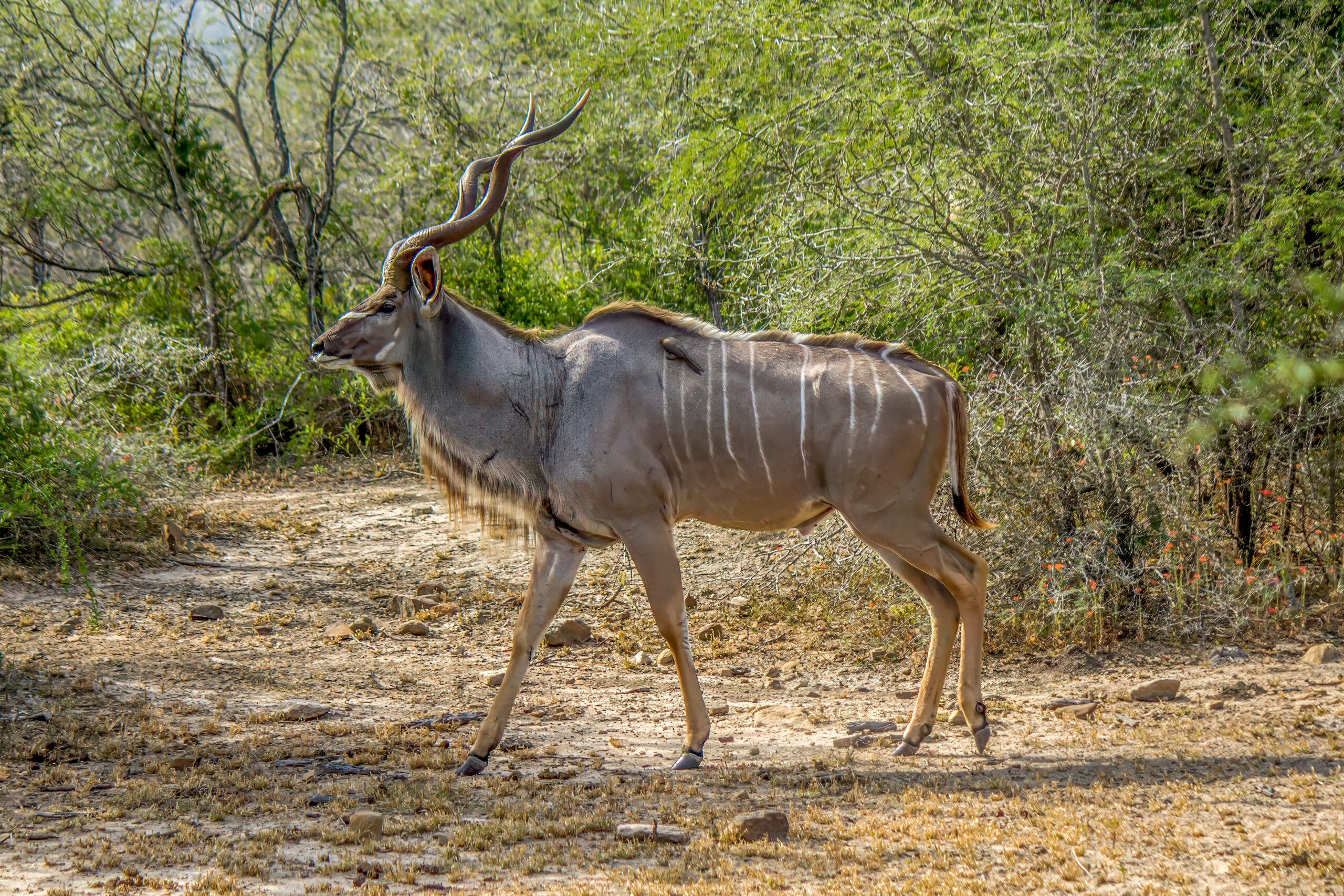
A South African pilot study published in 2026 shows how DNA collected from dung can be used to identify individual greater kudus (Tragelaphus strepsiceros) and estimate their abundance without capturing or directly observing the animals.
Researchers collected 137 faecal samples during two sampling periods in March and May 2024 in Doornkloof Nature Reserve in South Africa’s Northern Cape. A mitochondrial DNA test successfully identified the species in 124 samples: 114 came from greater kudu, while nine were from common eland and one from waterbuck.
The 114 kudu samples were then analysed at five microsatellite markers — short, variable DNA regions that together act like a genetic fingerprint for each animal. Samples with the same multilocus profile could therefore be assigned to the same kudu without seeing or capturing it. After duplicate detections were combined, the researchers identified 91 individuals. Only four of those animals were detected in both the March and May sampling periods; these cross-period genetic matches functioned as true “recaptures” for the population model.
Genetic recaptures produced an initial estimate of about 162 kudus
Using these genetic recaptures in a capture–recapture model, the study produced an initial estimate of about 162 kudus in the sampled section of the reserve. The logic is the same as physical mark–recapture: if previously identified animals are found again frequently, a larger share of the population has probably already been sampled; if most detections are new individuals, more unseen animals are likely to remain. An aerial survey conducted in June 2024 independently estimated 172 greater kudus, so the two totals were close, but the genetic estimate remained highly uncertain.
The researchers also developed a genetic test for sex. Sex could be assigned to 71 of the 91 identified animals, producing an essentially even ratio of approximately one female to 1.03 males.
Two sampling occasions limit the population estimate
The authors stress that the population estimate is exploratory rather than definitive. With only two real sampling occasions and four animals genetically recaptured between them, the model could not cleanly separate how likely a kudu was to be detected from demographic processes such as survival and recruitment. That means the close match to the aerial count is encouraging, but not proof that the estimate was precise. Diagnostic simulations showed that a third sampling occasion allowed detection probability to be estimated separately and greatly improved model stability; the authors therefore recommend at least three real sampling periods for defensible inference.
The genetic data themselves performed well: mitochondrial DNA amplified successfully in more than 90% of the collected samples, and the individual-identification markers had low error rates. Non-invasive genetic sampling could therefore complement conventional wildlife counts for species such as kudu that are difficult to detect consistently in dense vegetation.
Population & status
Related news
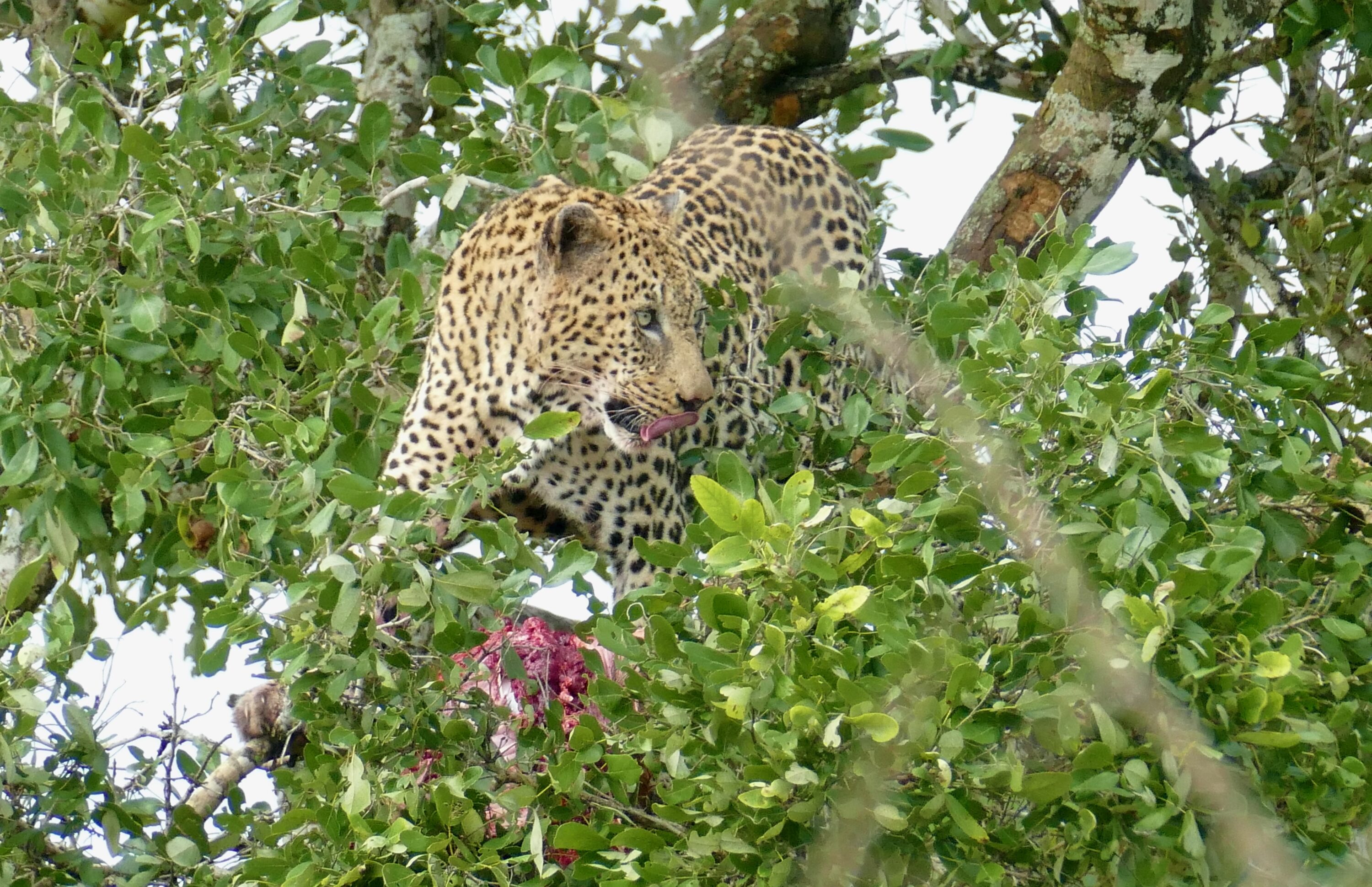
Wild prey made up 96.8% of identified leopard kills on Namibian farms
Ten years of tracking on central Namibian farmland found that 96.8% of identified leopard kills were wild prey,…
Read story →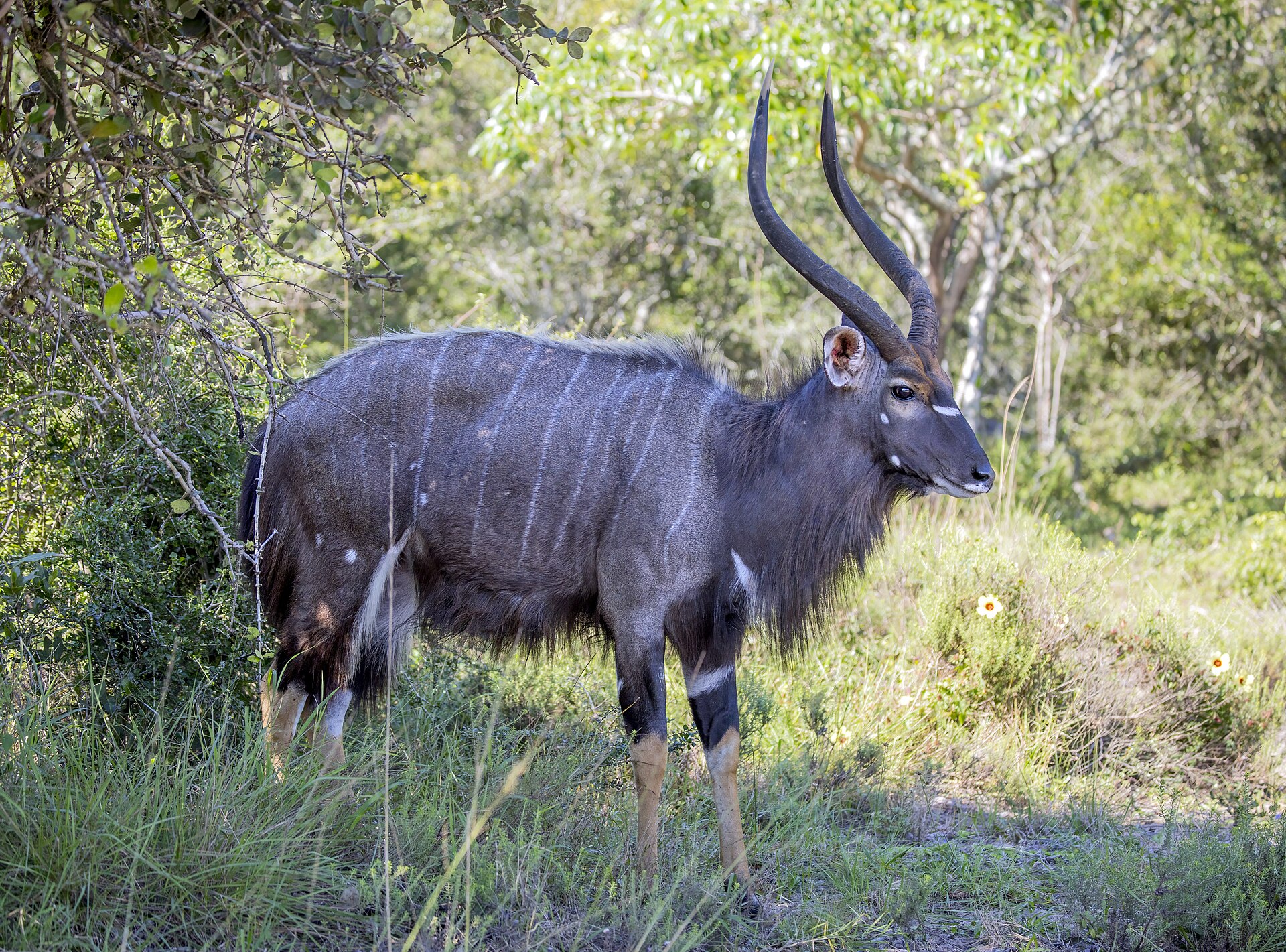
Gorongosa Dataset Tracks 37 Nyalas Through a Decade of Ecosystem Recovery
A 2026 data paper brings together long-term Gorongosa records for 37 GPS-collared nyalas, alongside body-condition and diet data…
Read story →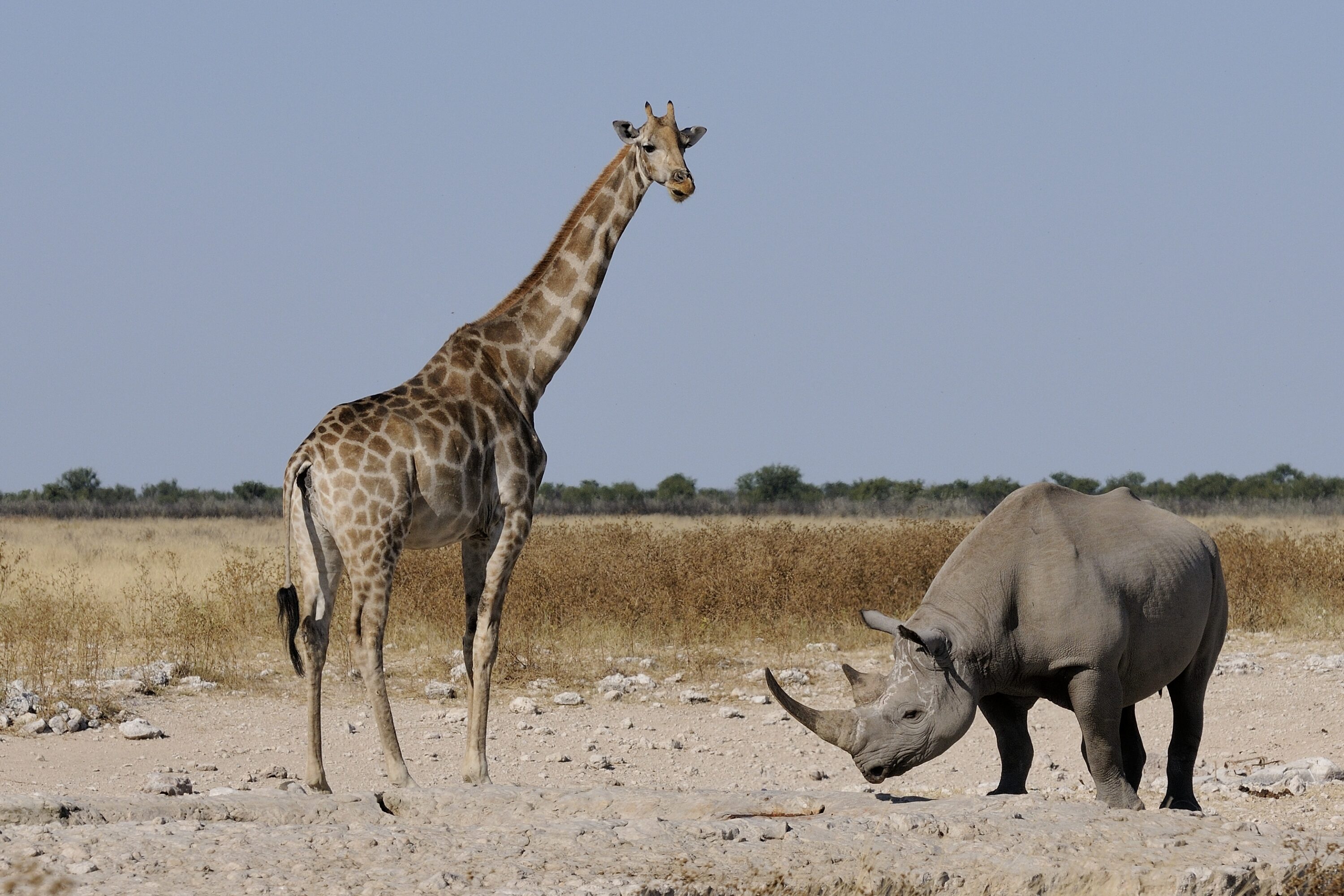
Environmental Conditions Shaped Large-Herbivore Space Use More Than Predators in Northwestern Namibia
Camera traps across northwestern Namibia showed that environmental conditions generally shaped space use in seven large-herbivore species more…
Read story →SPECIES IN THIS STORY
Species in this story
Independent research and conservation news archive
Did you find this information useful?
Wildlife Vagabond is independently built and maintained. Voluntary support helps cover source verification, hosting and continued work on research and conservation news.
Support Wildlife VagabondThe news archive will remain freely available.