
Haplorchis pumilio Was Found in Hamerkops and Great Cormorants in the Lake Victoria Basin
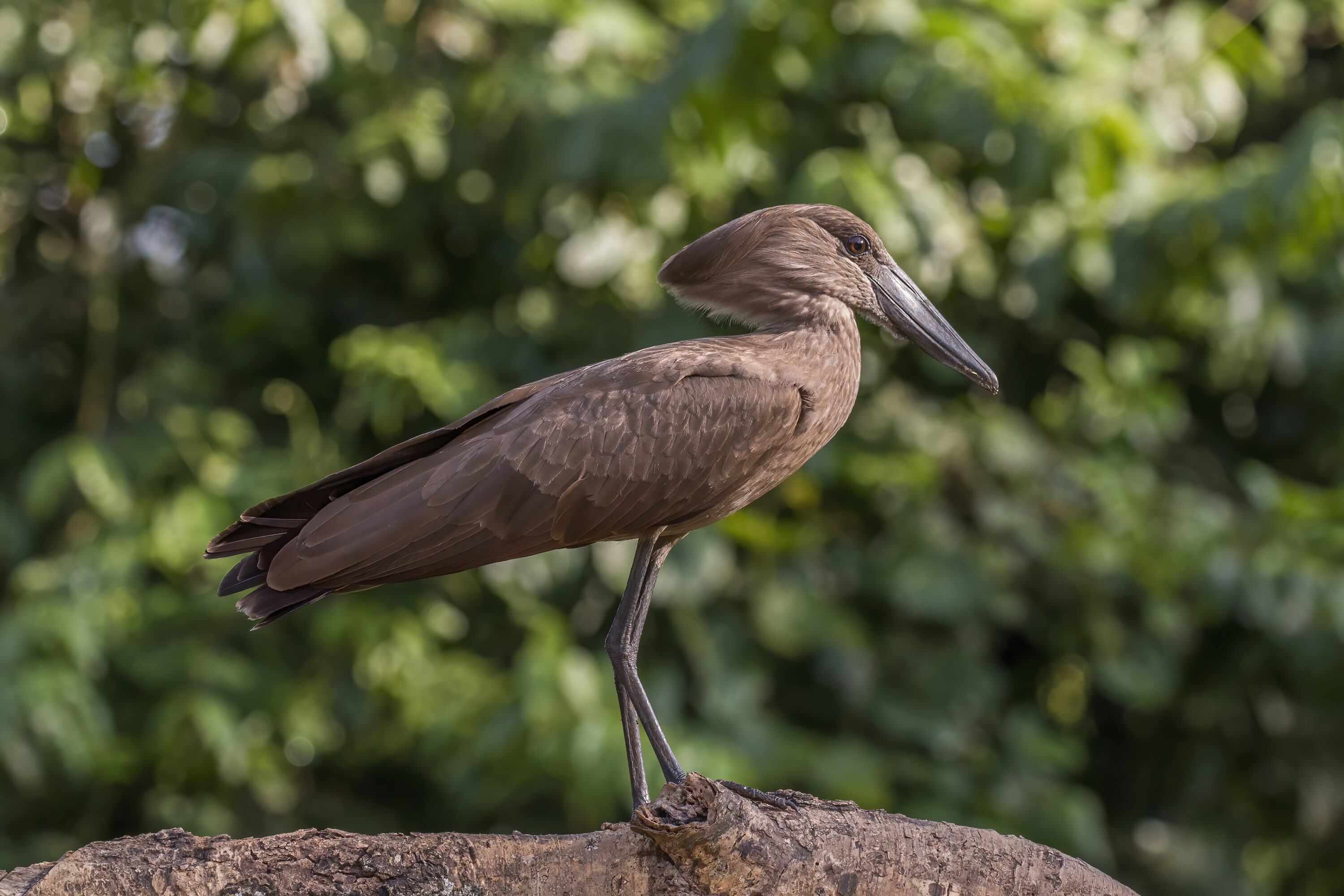
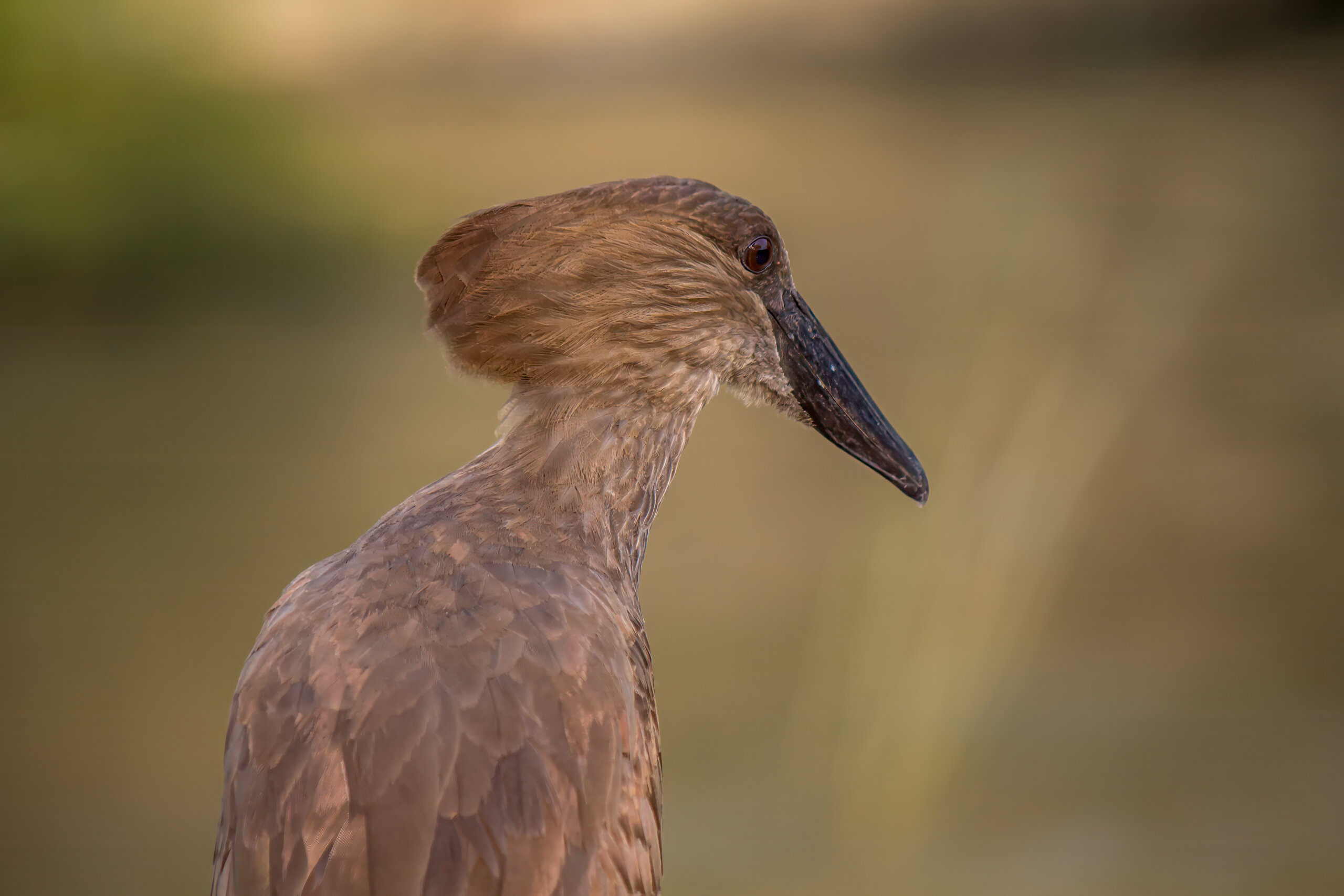
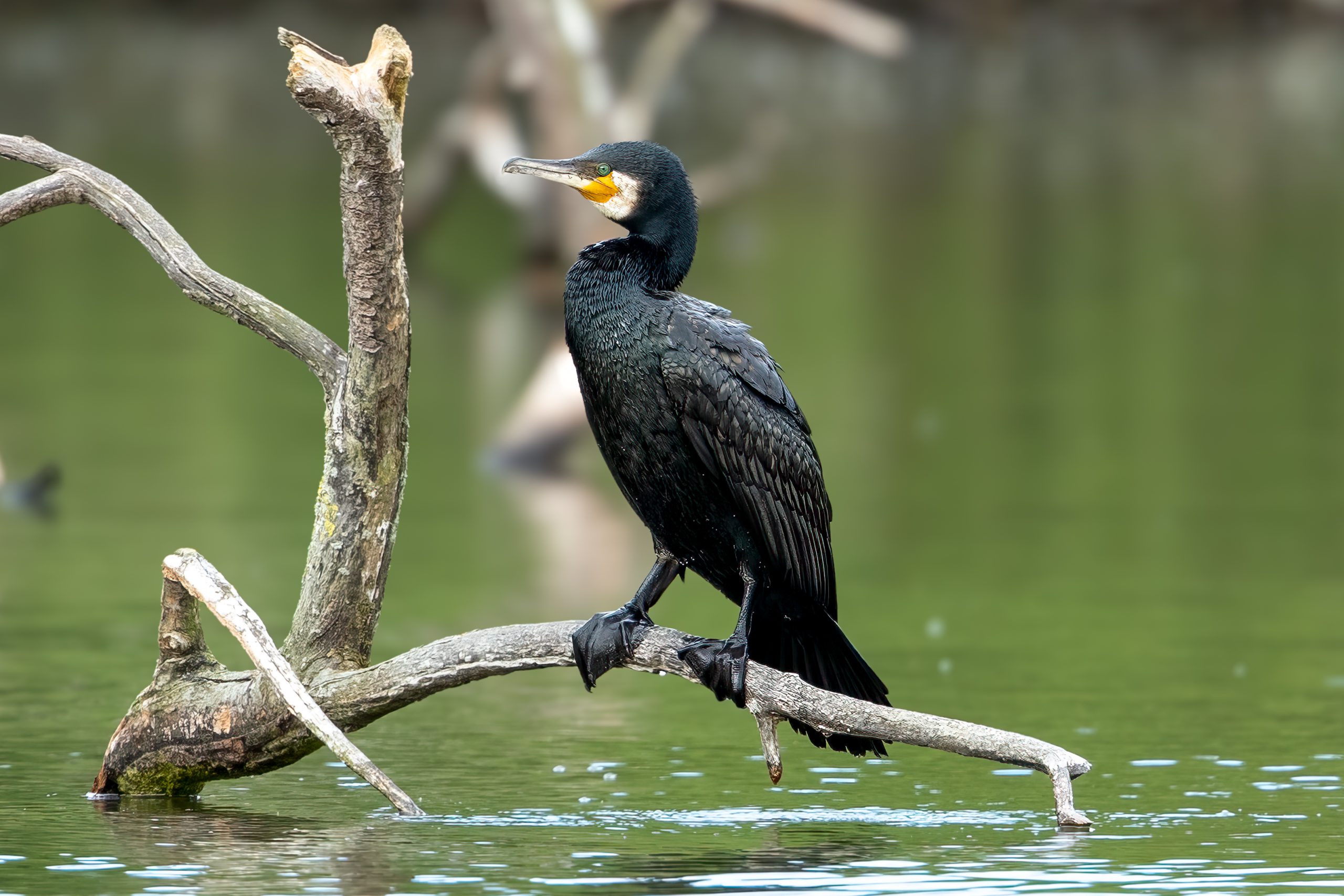
A study of intestinal trematodes in four fish-eating bird species in the Lake Victoria Basin, Tanzania, detected Haplorchis pumilio in hamerkops (Scopus umbretta) and great cormorants (Phalacrocorax carbo). Trematodes are parasitic flatworms with life cycles that usually pass through several host species. H. pumilio is a small intestinal fluke whose larval stages develop through snails and fish before adult worms establish in fish-eating birds or mammals. It can also infect humans through raw or insufficiently cooked infected fish, although the 2026 bird study did not measure human infection or public-health risk. The study was published online on 9 June 2026 in African Zoology.
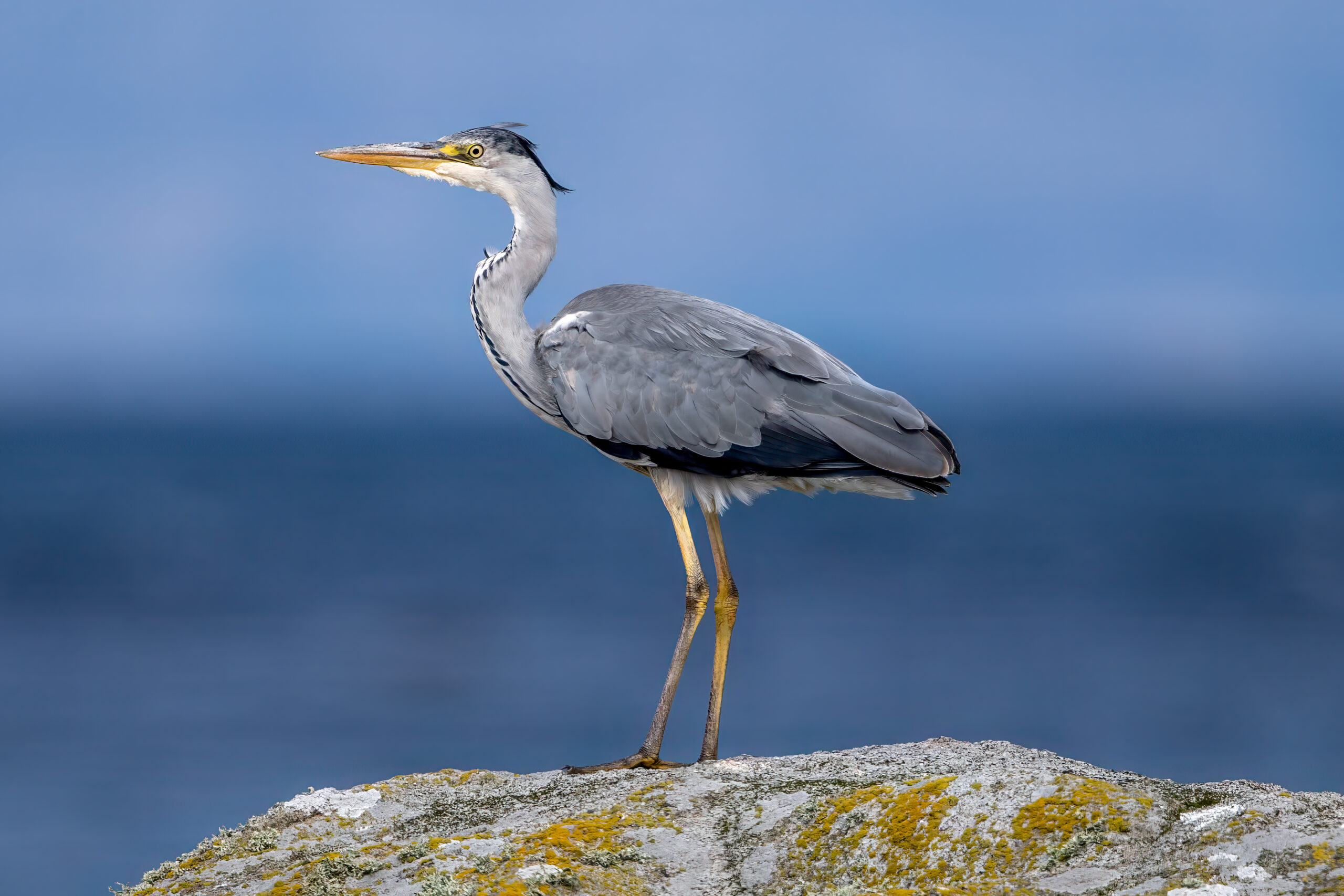
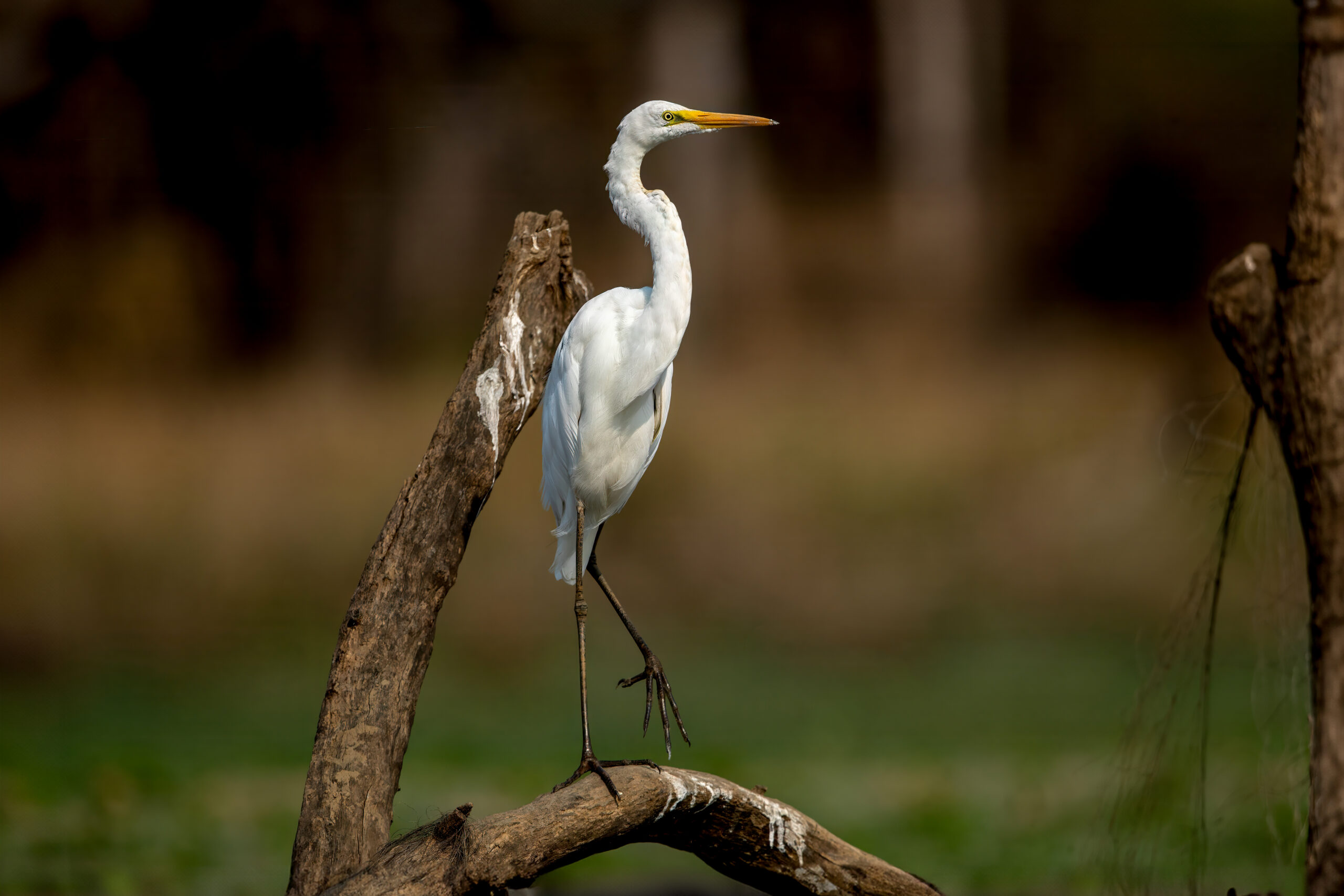
The researchers investigated trematodes from four piscivorous birds: hamerkop, grey heron (Ardea cinerea), great egret (Ardea alba) and great cormorant. They first compared the worms’ anatomy and then sequenced three DNA regions — mitochondrial cox1, ITS1–5.8S–ITS2 and 28S ribosomal DNA. The DNA sequences act as molecular identification markers: matching them with well-identified reference sequences can confirm a species or show that a lineage is genetically distinct when morphology alone is insufficient.
Morphology and DNA separated nine parasite lineages
Together, the anatomical and molecular evidence distinguished nine operational taxonomic units — nine parasite lineages that were different enough to treat as separate groups even when a formal species name could not be assigned. Five could be identified to species level because their morphology and DNA matched named references. Haplorchis pumilio, a member of the family Heterophyidae, was recovered from both hamerkops and great cormorants. Finding adult intestinal flukes in these birds identifies them as definitive hosts in the parasite’s local life cycle: the stage in which the worm matures and reproduces.
The other identified trematodes included Holostephanus dubinini in great cormorants, Patagifer vioscai in grey herons, and Apharyngostrigea pipientis and Tylodelphys mashonensis in grey herons and great egrets. The study also identified three lineages that represented new geographical records and did not match existing genetic reference data.
Missing reference sequences limited species identification
The author concludes that fish-eating birds in the Lake Victoria Basin harbour a diverse assemblage of trematodes. Three of the detected lineages represented new geographical records but did not closely match existing genetic reference data. That does not by itself mean they are new species; it means current sequence libraries are too incomplete to identify them confidently. Expanding African trematode reference collections would therefore make future parasite surveys more precise.
Disease, parasites & microbiology
Related news
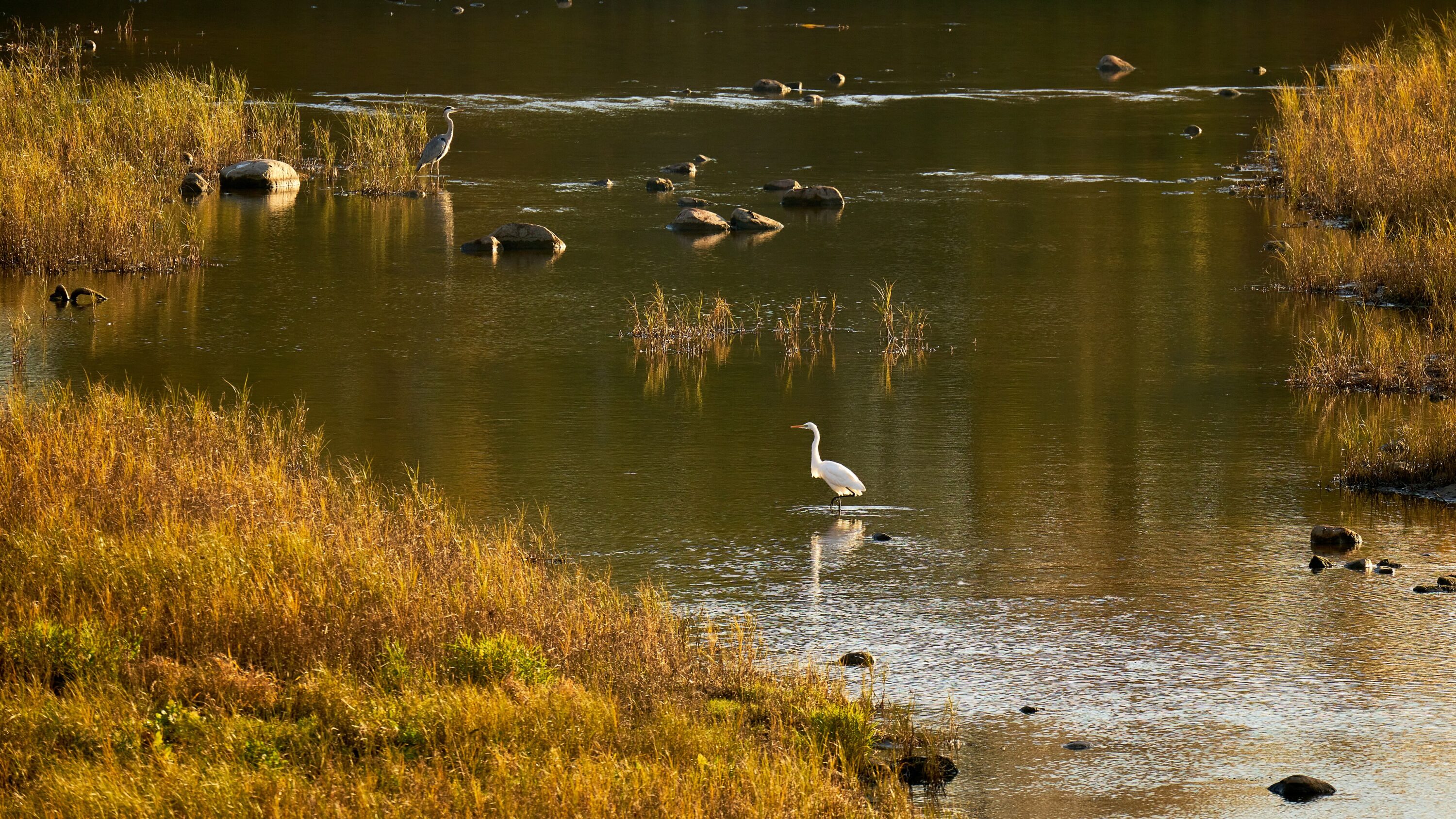
Great Egret and Grey Heron Dominated Many Inland Heron Colonies in South Korea
Across 176 South Korean breeding colonies, two colony groups had more than 90% of nests from large-bodied herons…
Read story →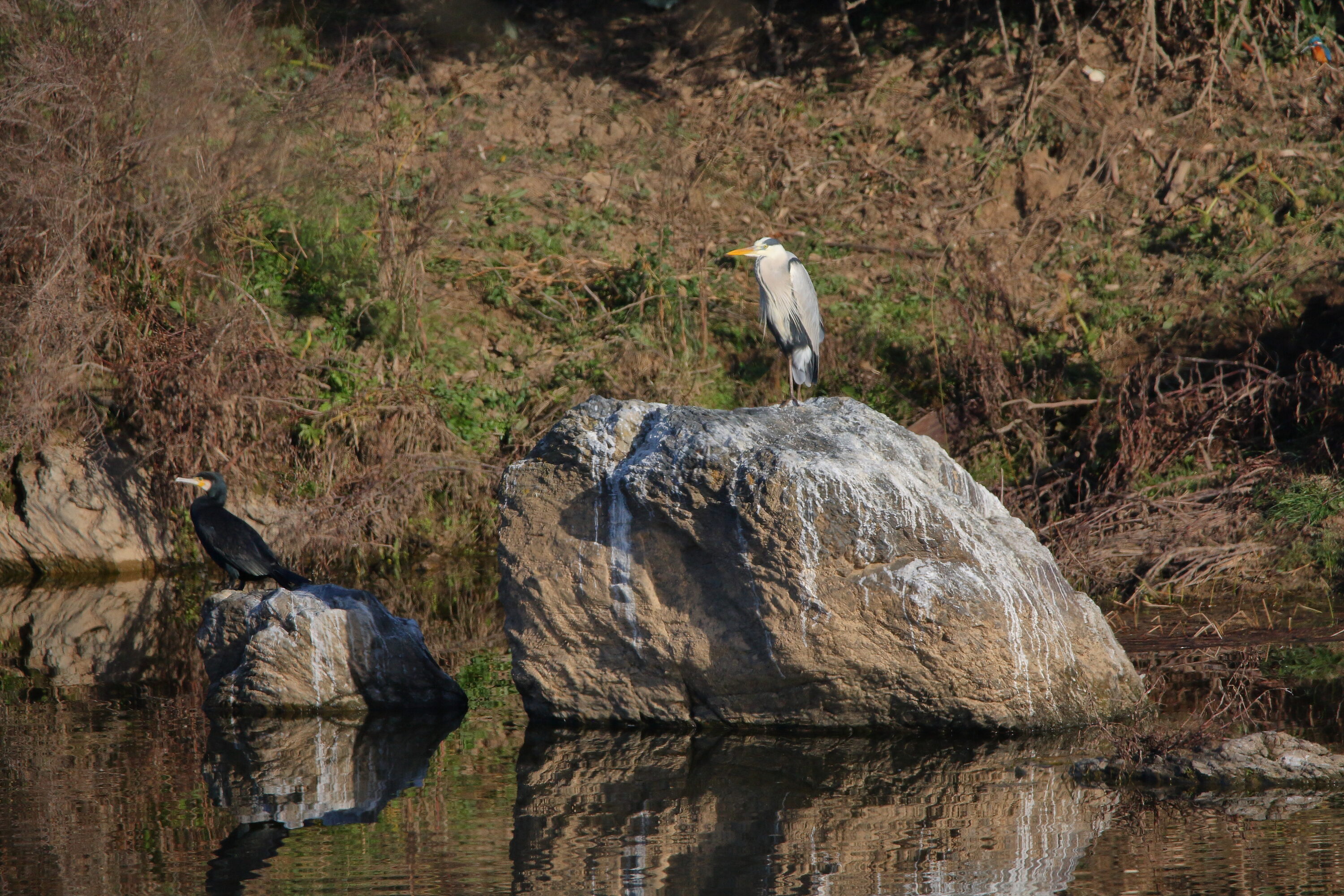
Helminth Burdens Fell in Cormorants and Grey Herons as Czech Fishponds Became Carp-Dominated
A 2026 comparison of Czech fishpond birds found strong declines in several helminths in great cormorants and lower…
Read story →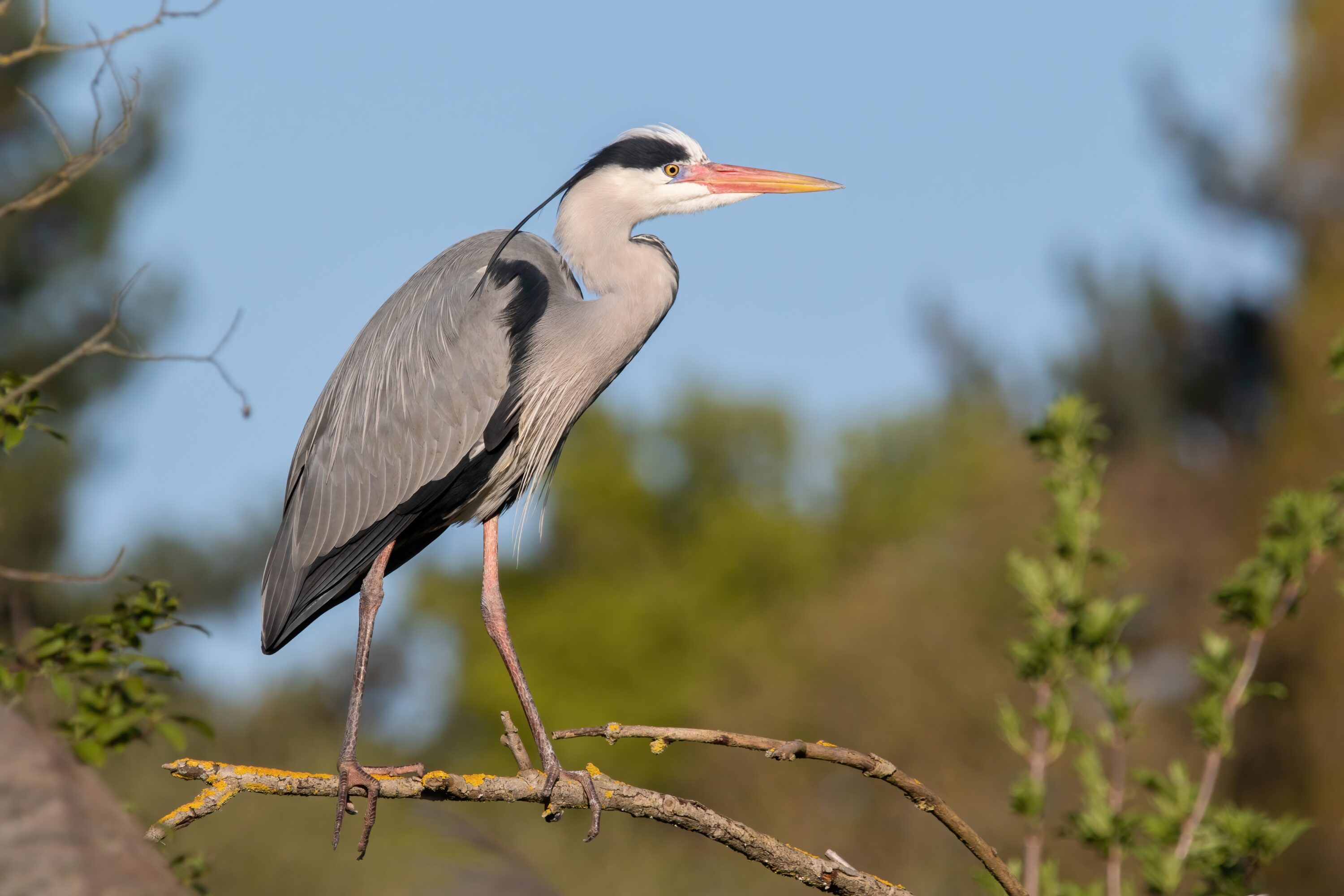
Three GPS-tracked Grey Herons Migrated Very Differently but Returned to the Same Breeding Grounds
GPS tracking of three adult grey herons breeding in Poland and Germany showed migration distances from 175 to…
Read story →SPECIES IN THIS STORY
Species in this story
Independent research and conservation news archive
Did you find this information useful?
Wildlife Vagabond is independently built and maintained. Voluntary support helps cover source verification, hosting and continued work on research and conservation news.
Support Wildlife VagabondThe news archive will remain freely available.