
Hand-reared Caribou Calves Drank Less Milk as Daily Maximum Temperatures Rose
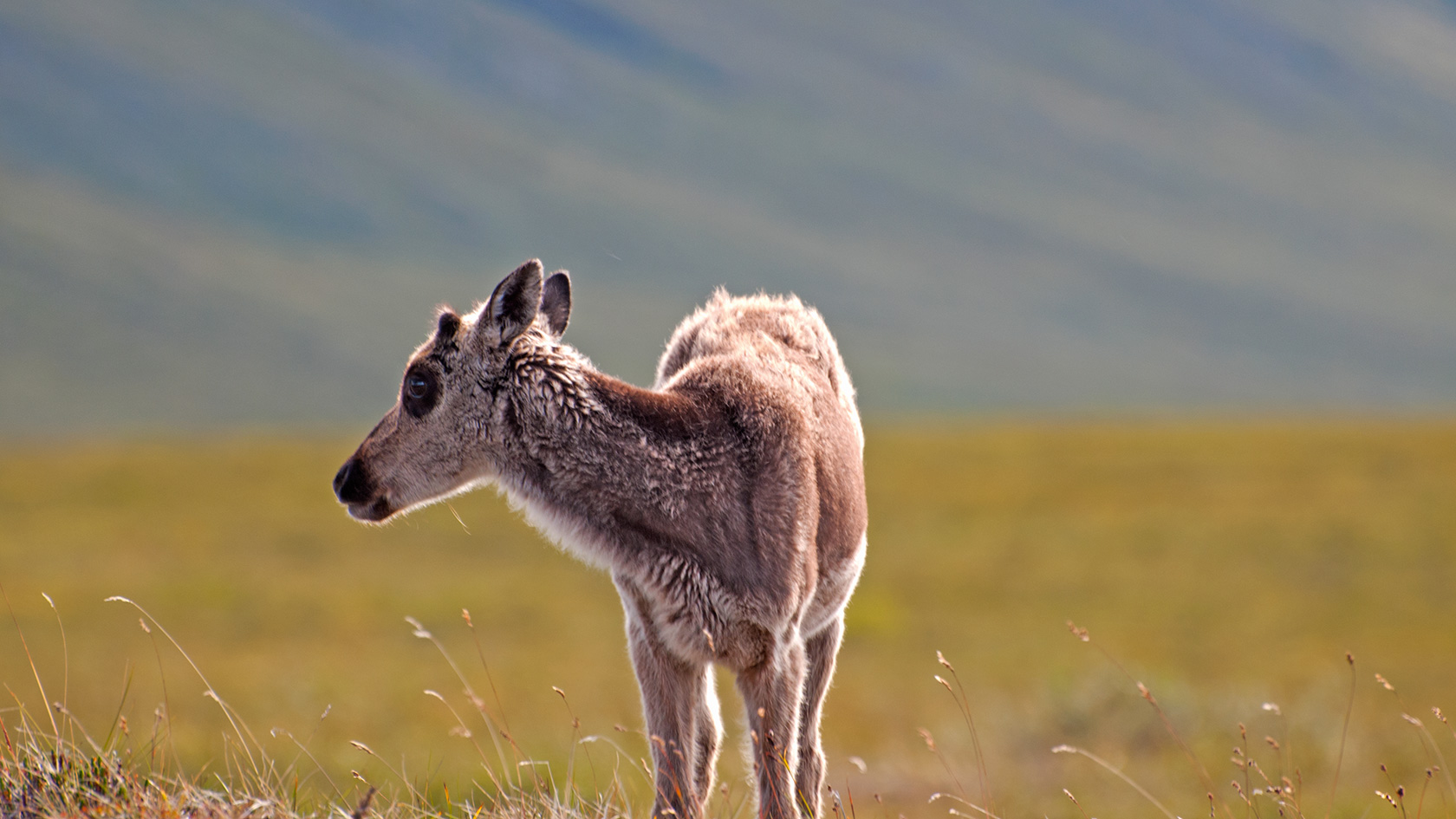
Five hand-reared caribou calves of the Alaskan subspecies Rangifer tarandus granti drank less milk as maximum daily temperature increased during summer and autumn 2023. The calves were followed from 1 July until weaning on 27 October, with daily records of milk offered, milk consumed, milk refused, body mass and local weather.
The study began with eight wild-born female calves that had been brought into care when they were one to five days old. Three were excluded from the feeding analysis because illness or atypical bottle-feeding behaviour made their intake patterns unrepresentative, leaving five calves in the final dataset.
Each warmer degree was associated with lower milk intake
After accounting for how much milk was offered and how much other food the calves ate, each 1°C increase in maximum daily temperature was associated with about 14 g less milk consumed. The amount of milk refused also rose by about 4% per degree, and bottle refusals became more common as temperatures increased.
Bottle refusals were concentrated particularly in the late afternoon and evening on warm days and were uncommon during the coolest feeding times from midnight through the morning. Days with bottle refusals were therefore clearly warmer overall than days without refusals.
The statistical models treated repeated observations from the same calves separately and also controlled for the changing amount of milk offered as the animals grew and later entered weaning. This matters because both calf size and the feeding schedule changed through the same months in which temperature also changed.
Digesting food also produces heat
The biological idea tested by the study is that feeding itself adds to an animal’s heat load. Digestion and nutrient processing release heat — known as diet-induced thermogenesis or the specific dynamic action of food. That extra heat can help a cold-adapted mammal maintain body temperature in cool conditions, but becomes heat that must be dissipated when ambient temperature is already high.
The calves had access to shade, fans, misters, ice, water and non-milk foods on warm days. Even so, they generally did not compensate for refused milk by eating more pelleted feed, especially before they were well into weaning. Reducing intake may therefore have limited the additional heat produced by digestion, although the study did not measure the calves’ body temperature at the time they refused bottles and cannot directly demonstrate that physiological mechanism.
More milk refused was linked to less growth
Across the five calves, those that refused more milk on average gained less body mass between 1 July and weaning. The difference between the calves at the two ends of this relationship was 7.3 kg, equivalent to roughly 16% of body mass at weaning.
This growth comparison is based on only five individuals, so it should not be read as a universal prediction that a particular amount of heat will reduce every calf’s mass by the same amount. It does, however, show that reduced intake accumulated enough over the rearing period to be biologically substantial in these animals.
The result comes from hand-reared calves
Hand-rearing made it possible to weigh bottles and measure intake directly, something that is extremely difficult in nursing free-ranging ungulates. The trade-off is that captive calves have fewer opportunities to escape heat than wild animals, which can alter activity, seek shade, move to cooler terrain or otherwise use thermal refuges.
The author therefore interprets the experiment as evidence that warmer conditions can constrain nutrient intake independently of food availability, while cautioning against directly transferring the measured feeding response to free-ranging calves. Whether the same mechanism limits growth in the wild will depend partly on how much access young caribou retain to cooler places and times of day.
Physiology
Related news
Inuit harvesters help detect an emerging parasitic disease in Arctic caribou
Near Kugluktuk in Nunavut, Inuit harvesters reported unusual tissue changes in caribou. Tests found DNA from two parasitic…
Read story →
Video Collars Showed GPS Methods Were Only About 70% Accurate at Detecting Caribou Calving
Video collars from 160 adult females in the Porcupine and Western Arctic herds showed that two GPS movement…
Read story →
Reindeer and Caribou Showed Broad Genetic Differences Across Russia, Alaska and Canada
Microsatellite data from 1,544 reindeer and caribou in 42 populations showed broad genetic differentiation among Russia, Alaska and…
Read story →SPECIES IN THIS STORY
Species in this story
Independent research and conservation news archive
Did you find this information useful?
Wildlife Vagabond is independently built and maintained. Voluntary support helps cover source verification, hosting and continued work on research and conservation news.
Support Wildlife VagabondThe news archive will remain freely available.