
Fossil Teeth Reveal a Lush Refuge Along Lebanon’s Coast
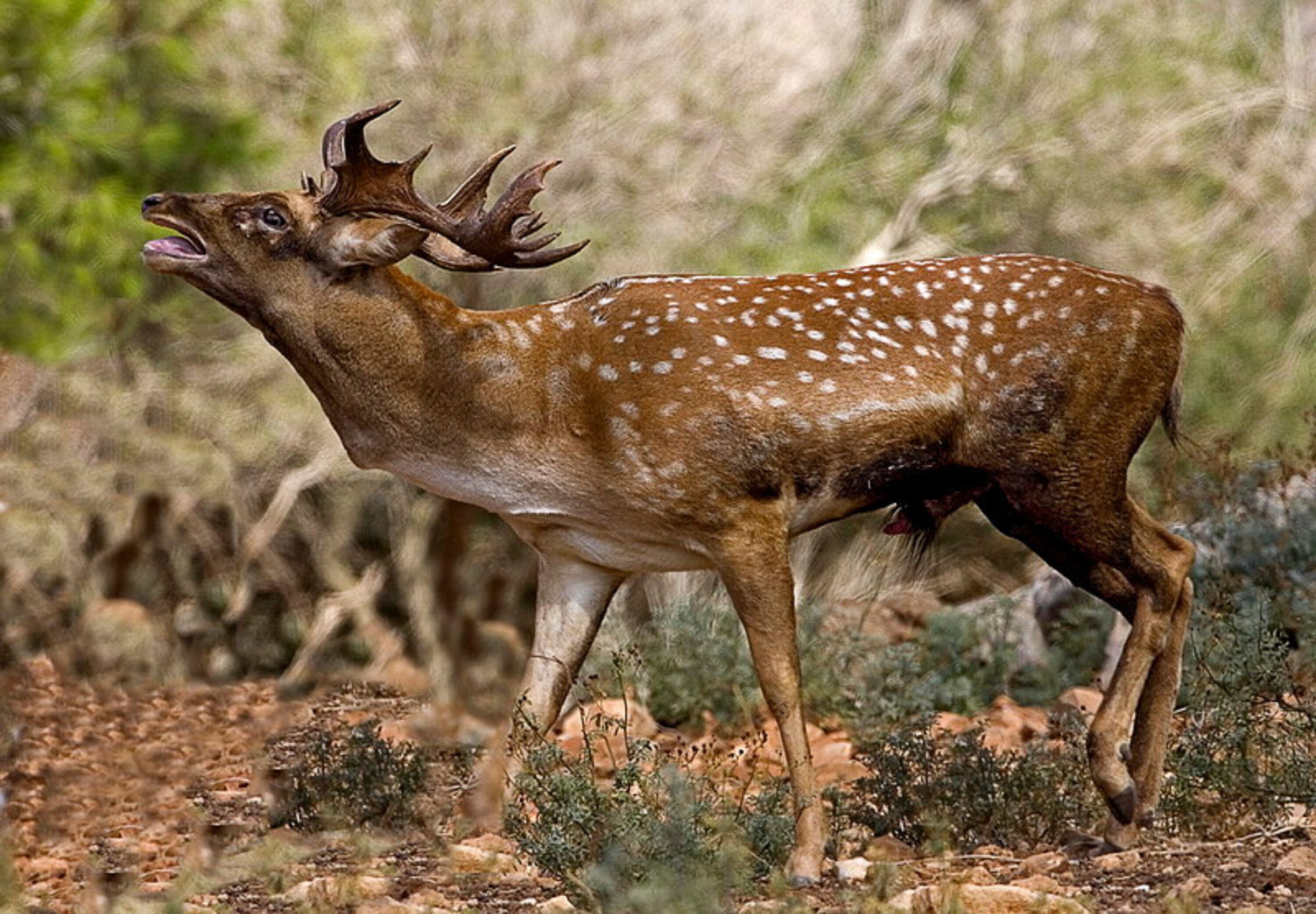
As climate shifted sharply around the eastern Mediterranean, Lebanon’s coast appears to have retained or regained habitats with reliable water and vegetation. Fossil herbivore teeth reveal woodland, scrub and open feeding areas during several periods between roughly 400,000 and 100,000 years ago.
Researchers examined 58 teeth from eight animal groups at Naame, Nahr Ibrahim and Ras el-Kelb. They interpret the findings as evidence that the coast served as an ecological refugium — a refuge where animals could find resources when other parts of the region faced greater drought or temperature stress.
Food and water leave traces in teeth
Tooth enamel preserves chemical traces of the food and water an animal consumed while its teeth were growing. The researchers measured ratios of stable carbon and oxygen isotopes. Carbon isotope ratios reveal information about the plants an animal ate, while oxygen isotopes offer clues to water sources and seasonal changes.
Taking samples at several points along a tooth allowed the team to follow changes through part of an animal’s life, revealing both diet and differences between seasons.
Animals fed in different parts of the landscape
The results pointed to vegetation dominated by C3 plants, a photosynthetic group that includes trees, shrubs and many temperate grasses. The findings fitted a mixture of woodland and scrub, rather than grasslands dominated by warm-climate C4 grasses.
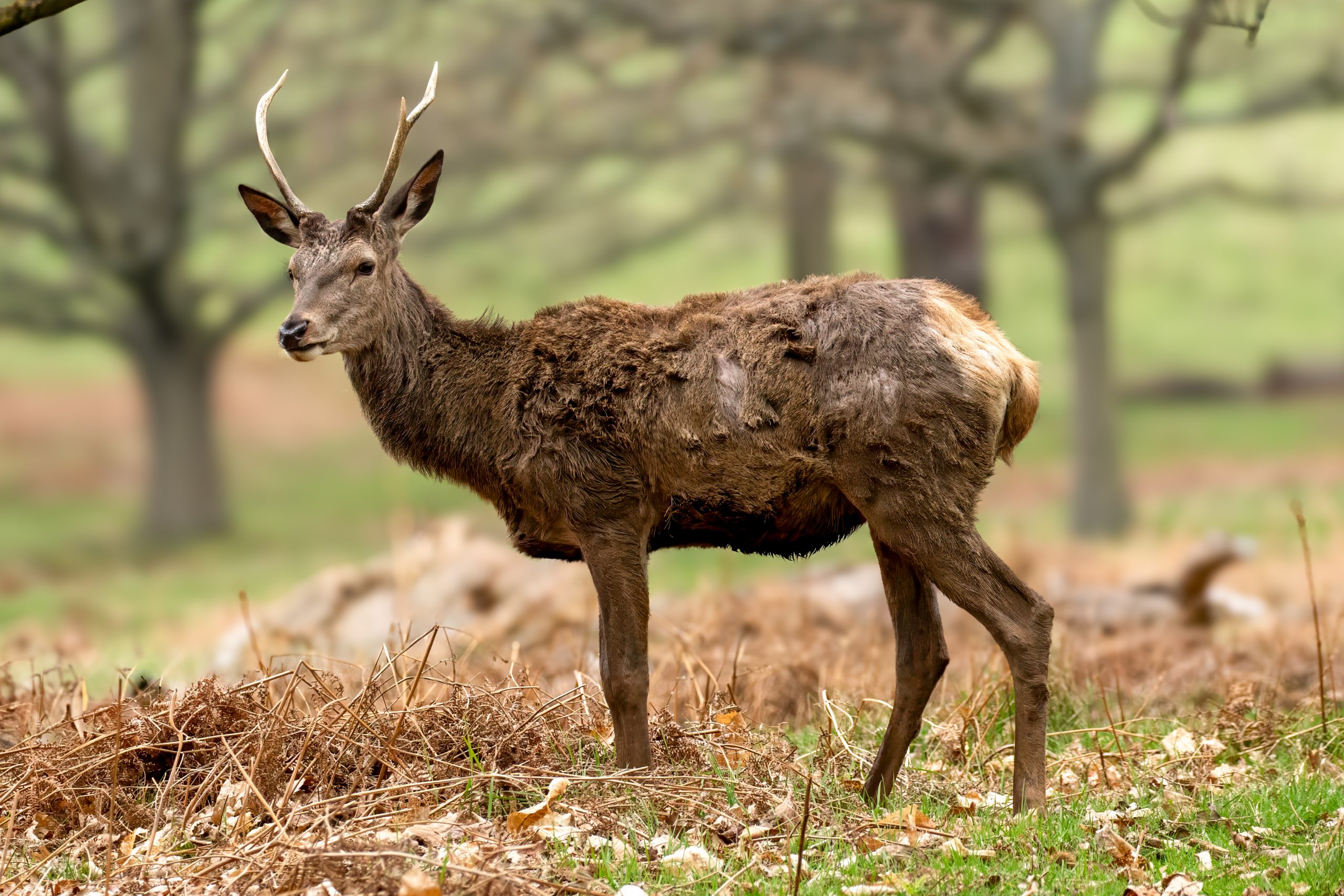
Persian fallow deer, red deer and wild goats often fed in shaded understory vegetation. Aurochs, rhinoceroses and equids were more closely associated with open areas or mixed feeding environments. Naame showed the greatest variety, from denser woodland to more open scrub.
In wild goats and Persian fallow deer, the chemical traces also suggested greater use of shaded, moister places during warmer parts of the year. The landscape could therefore offer different animals food and shelter in different places, including during the summer heat.
Sea and mountains may have softened climatic extremes
The teeth generally recorded seasonal cycles resembling today’s Mediterranean climate, with cool, wet winters and warm, dry summers. Ras el-Kelb pointed to somewhat cooler conditions and smaller seasonal contrasts than the other two sites.
The researchers suggest that the nearby Mediterranean and mountains helped preserve moist habitats. As humid air rises over mountains, it cools and can produce rainfall. Large changes in elevation over short distances also create varied local environments.
The region was not untouched by ice-age conditions. A much younger aurochs tooth from Naame, around 18,000 years old, indicated substantially colder and drier conditions. The collections provide snapshots of separate periods, rather than a continuous year-by-year history.
Water, vegetation and prey may also have made the coast a suitable place for ancient humans to live and travel. Lebanon lies along the connection between Africa and Eurasia. The researchers suggest that relatively predictable resources helped people use this route repeatedly.
Ecology
Related news
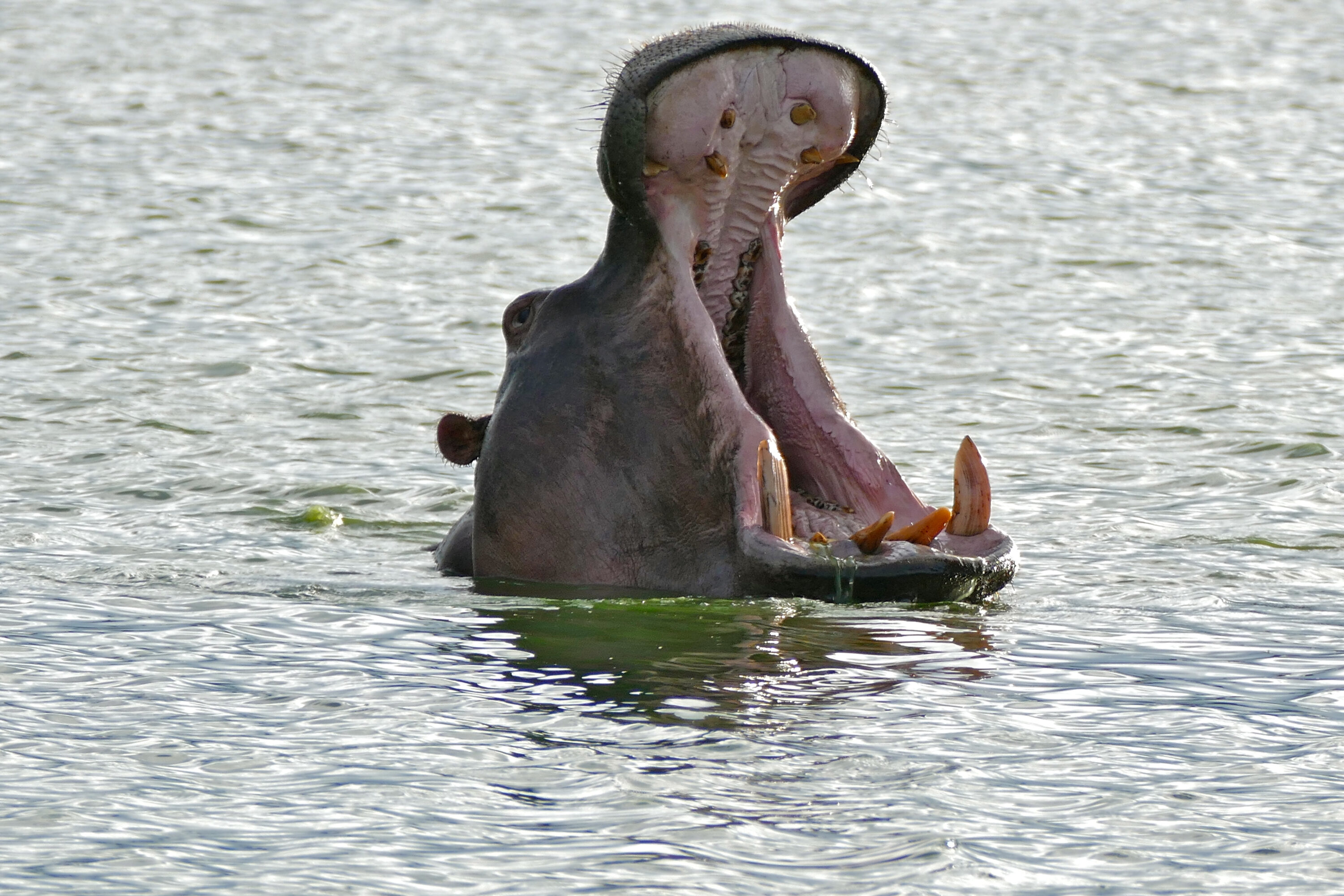
Hippos Yawned Before Heading Out to Feed — Even on Cool Evenings
Observations in Zambia and South Africa found that hippos yawned most frequently as they prepared to leave their…
Read story →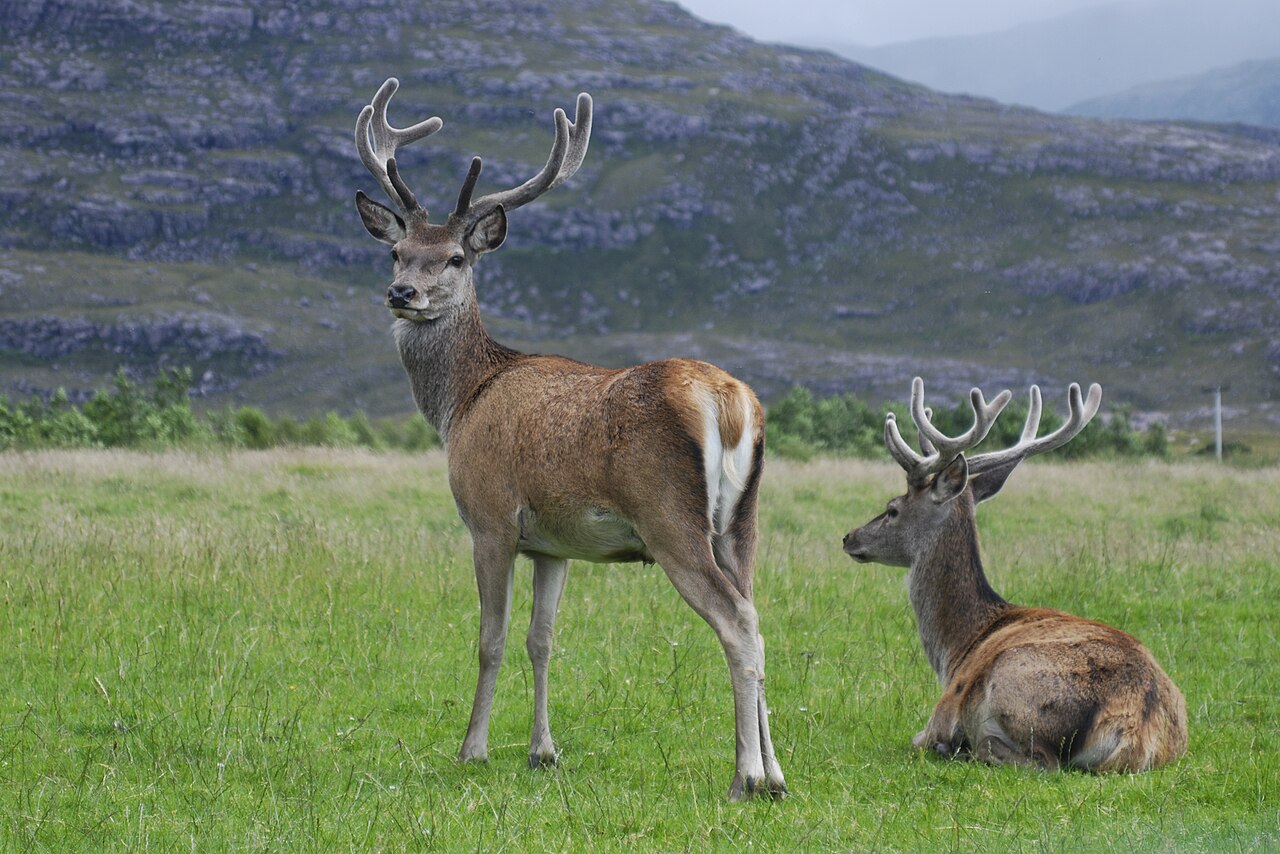
Velvet Antler Had the Most Distinct Metabolite Profile in Red and Sika Deer
A Chinese study detected 2,361 metabolites across three antler tissues from red and sika deer. Velvet antler separated…
Read story →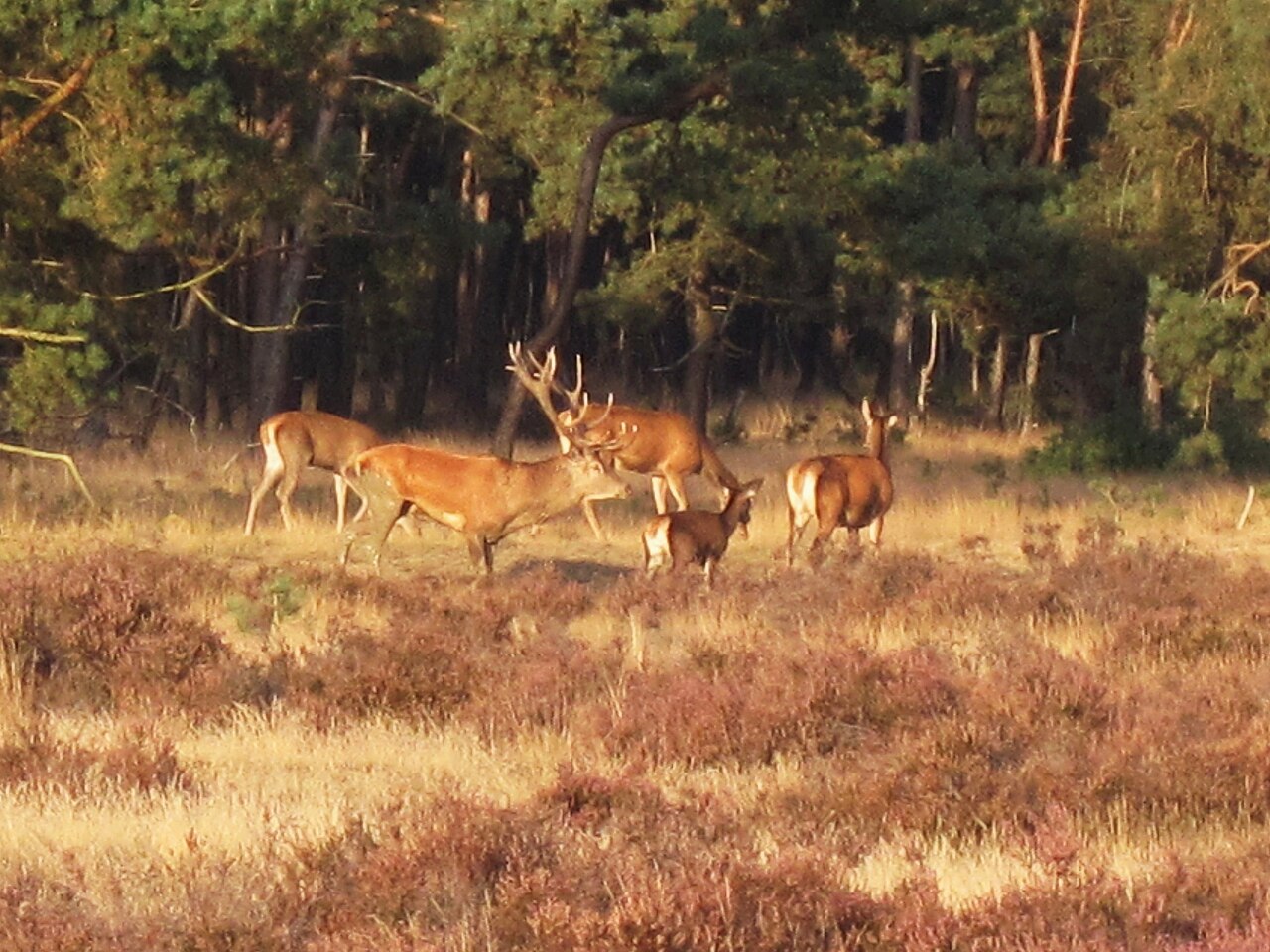
Tarim Red Deer Microbiomes Showed Greater Capacity to Break Down Reed Fibre
Under the same reed-containing diet, captive Tarim red deer had more fibre-associated gut microbes, higher cellulase and hemicellulase…
Read story →SPECIES IN THIS STORY
Species in this story
Independent research and conservation news archive
Did you find this information useful?
Wildlife Vagabond is independently built and maintained. Voluntary support helps cover source verification, hosting and continued work on research and conservation news.
Support Wildlife VagabondThe news archive will remain freely available.