
High Red Deer Densities Reduced Integrated Ecosystem Integrity by 13% After One Year
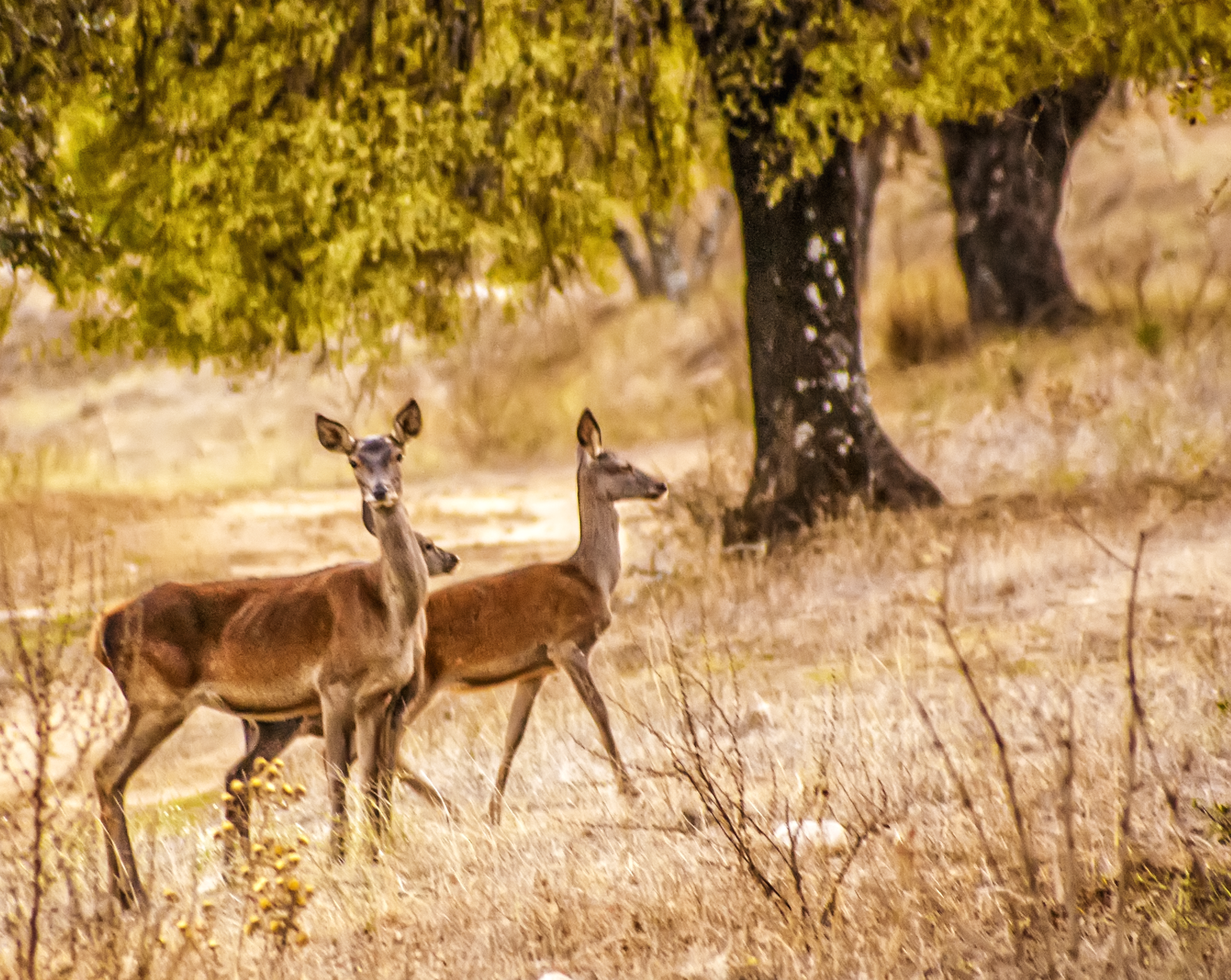
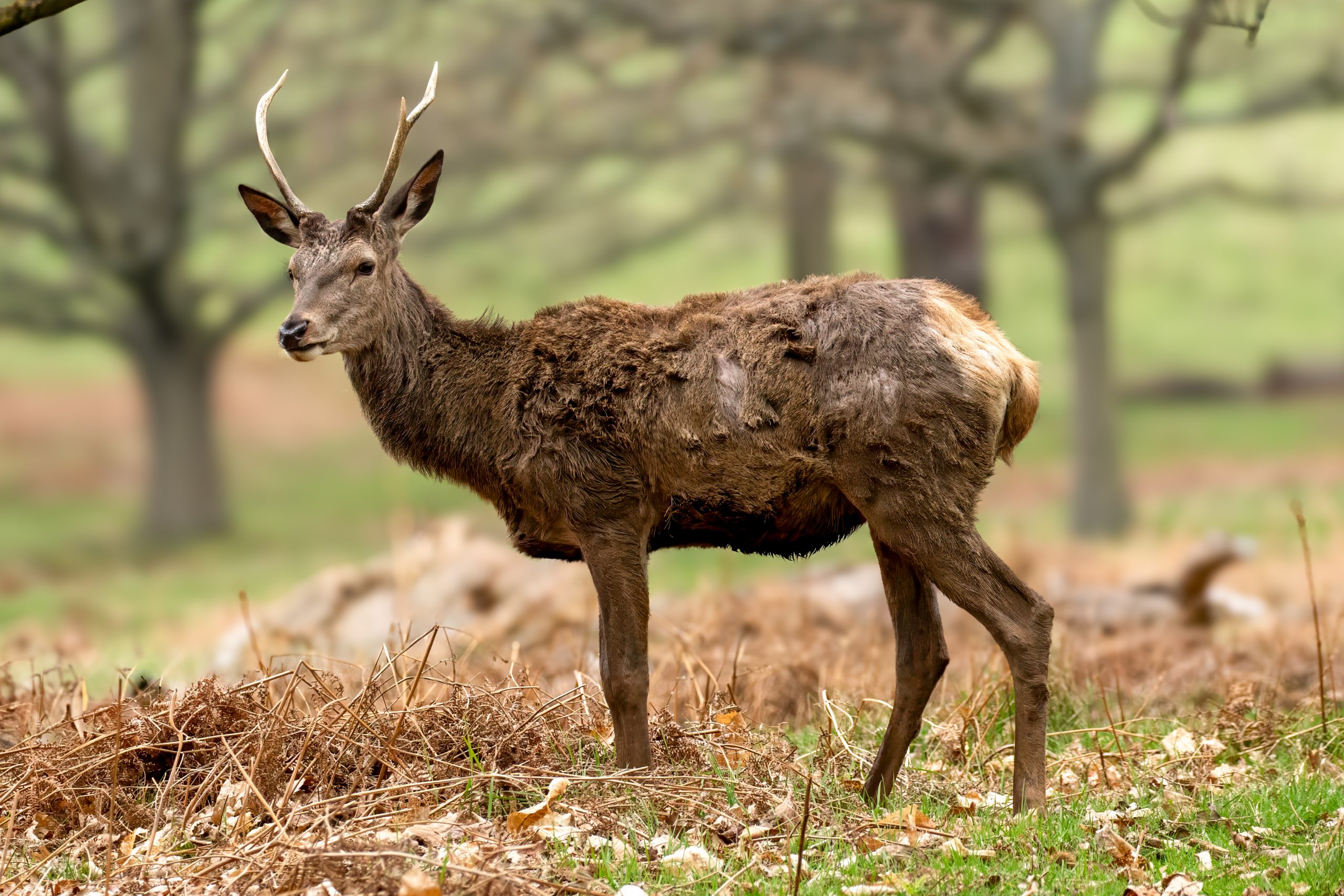
High experimental densities of red deer (Cervus elaphus) reduced an integrated measure of ecosystem integrity by 13% after one year in two Mediterranean woodlands in Spain. The study, published on 22 June 2026, manipulated deer density at Quintos de Mora in central Spain and Muela de Cortes in eastern Spain.
Here, ecosystem integrity was not a single field measurement. The researchers used 38 measures covering biodiversity and ecosystem functions and combined their responses to assess how well the ecosystem retained its biological communities, physical structure and ecological processes. This makes the 13% figure an integrated average across many different responses, not a statement that every component declined by 13%.
High-density plots were compared with deer-free controls
The experiment used hectare-scale fenced areas with three scenarios: controls without deer, a high-density treatment equivalent to about 30 deer per km², and a hyper-high treatment equivalent to about 90 deer per km². The lower treatment resembles densities found in some protected Mediterranean areas, while the higher treatment resembles intensively managed hunting estates. For practical reasons, the animals introduced into the enclosures were subadult females; the reported densities were converted to equivalents for a mixed population.
The same ecological variables were measured shortly before deer were introduced and again one year later. The researchers then compared how the treated enclosures changed relative to their controls. This before–after control design allowed the study to isolate short-term effects of high deer density more clearly than a simple comparison between naturally different sites.
Plant communities and ecosystem functions changed rapidly
Ten of the 16 integrated response variables changed significantly in at least one site or density treatment. Vegetation was among the clearest responders. Under the hyper-high treatment, herbaceous cover fell by about 45% at Quintos de Mora and 43% at Muela de Cortes. At Muela de Cortes, woody regeneration in the high-density treatment declined strongly: the abundance of recruits fell by 85%, species richness by 58% and diversity by 52%.
Effects also appeared in ecological processes. Losses of flowering plants were accompanied by a roughly 50% decline in unique plant–pollinator interactions. Soil became more compact in one of the hyper-high treatments, and holm oak leaves showed physiological changes associated with heavy browsing, including reduced chlorophyll. At Muela de Cortes, researchers recorded 68 ticks after a year of deer exposure compared with one in the control enclosures; no ticks were recorded at the other study site, so this disease-vector result was strongly site-specific.
Not every ecological group declined
Some responses moved in the opposite direction. Epigeic — ground-surface — invertebrates increased at Quintos de Mora, including increases in order richness and abundance. Ants analysed separately, birds and small mammals showed no statistically clear response over the one-year period. The experiment therefore revealed a mosaic of responses rather than uniform decline across all organisms.
When all biodiversity and functional responses were integrated, the overall effect was a 13% decline in ecosystem integrity. The study found no statistically clear difference in the size of this overall effect between the approximately 30- and 90-deer-per-km² treatments after one year. That does not demonstrate that the two densities are ecologically equivalent: individual responses varied substantially between metrics and sites, and the experiment lasted only one year.
Because both tested densities produced widespread negative effects on ecological communities and functions, the authors classify them as overabundance conditions within the study framework. Their conclusion applies to the experimentally tested densities and two Mediterranean woodland systems, while longer-term responses and thresholds in other ecosystems may differ.
Ecology
Related news
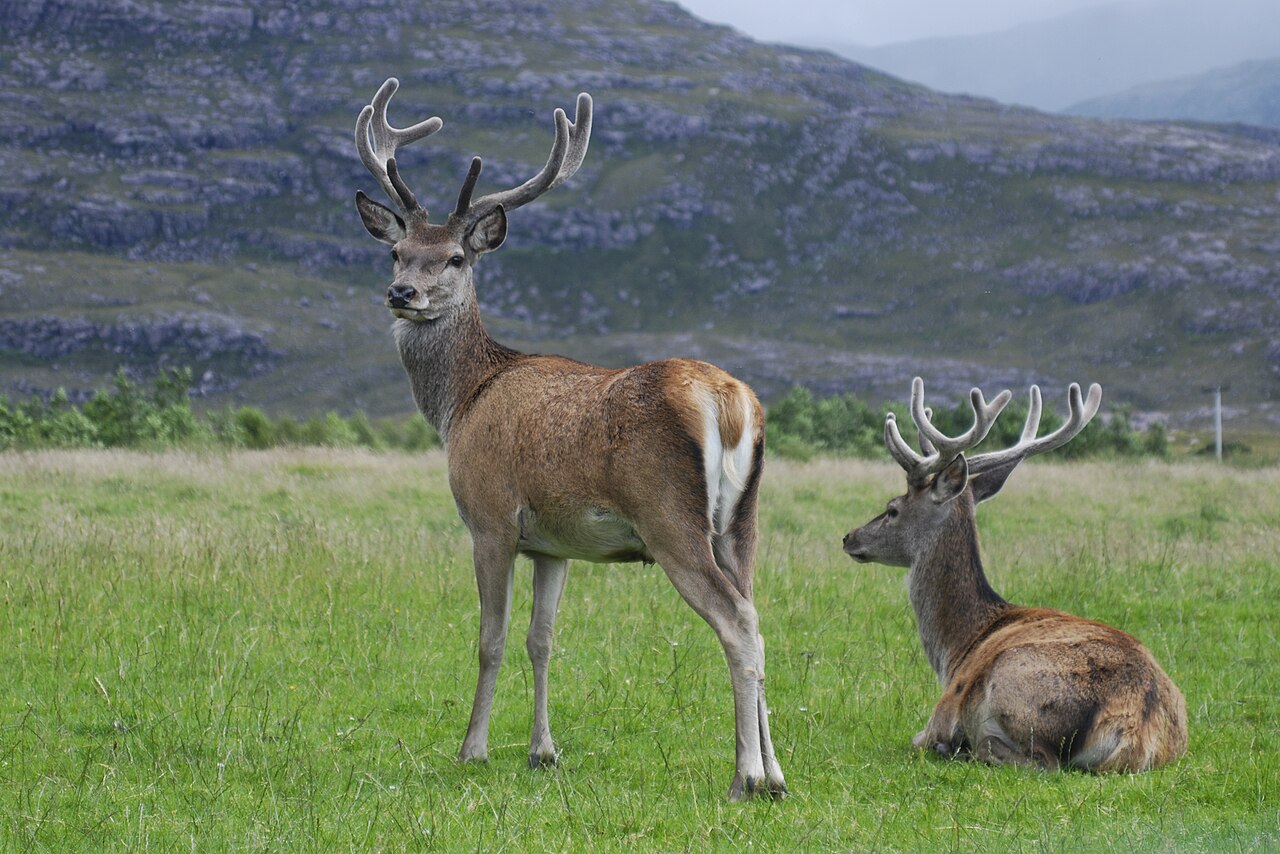
Velvet Antler Had the Most Distinct Metabolite Profile in Red and Sika Deer
A Chinese study detected 2,361 metabolites across three antler tissues from red and sika deer. Velvet antler separated…
Read story →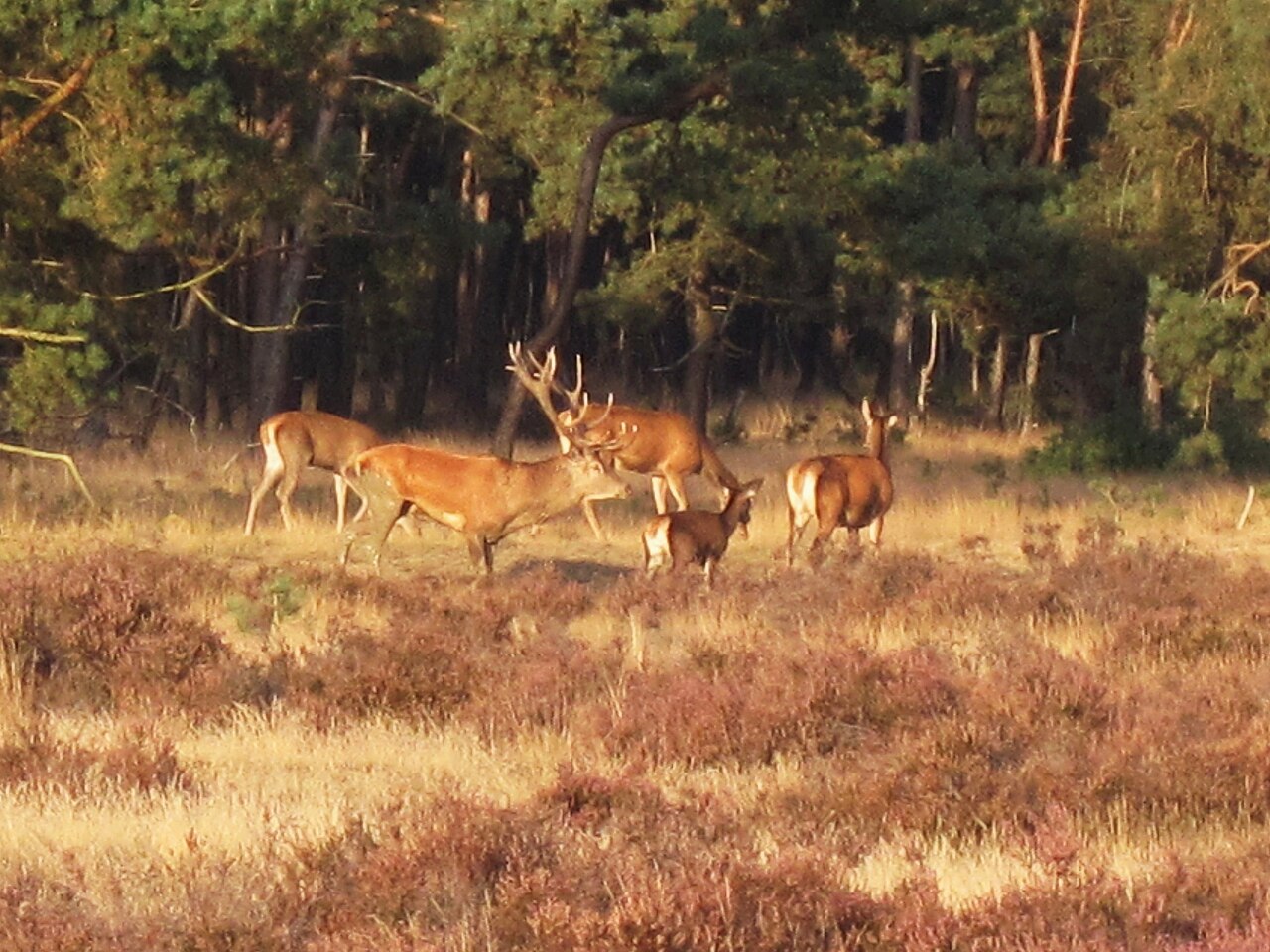
Tarim Red Deer Microbiomes Showed Greater Capacity to Break Down Reed Fibre
Under the same reed-containing diet, captive Tarim red deer had more fibre-associated gut microbes, higher cellulase and hemicellulase…
Read story →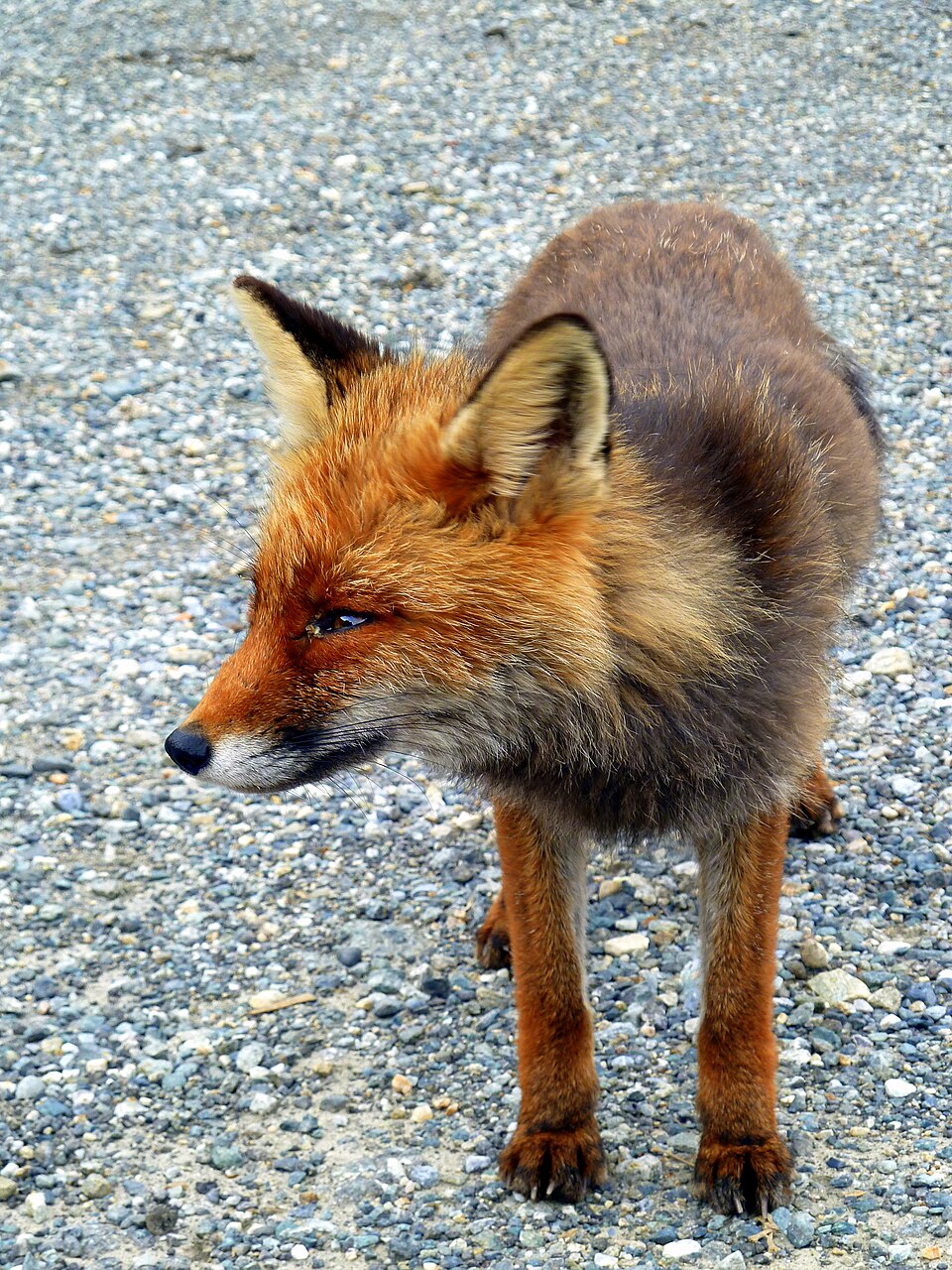
Wolf Kills Provided Plenty of Food for Red Foxes
Red foxes visited all 26 wolf-killed red deer monitored in Stelvio National Park. The amount of meat left…
Read story →SPECIES IN THIS STORY
Species in this story
Independent research and conservation news archive
Did you find this information useful?
Wildlife Vagabond is independently built and maintained. Voluntary support helps cover source verification, hosting and continued work on research and conservation news.
Support Wildlife VagabondThe news archive will remain freely available.