
Two House Crows Began Anting After Watching a Large-billed Crow in Coonoor
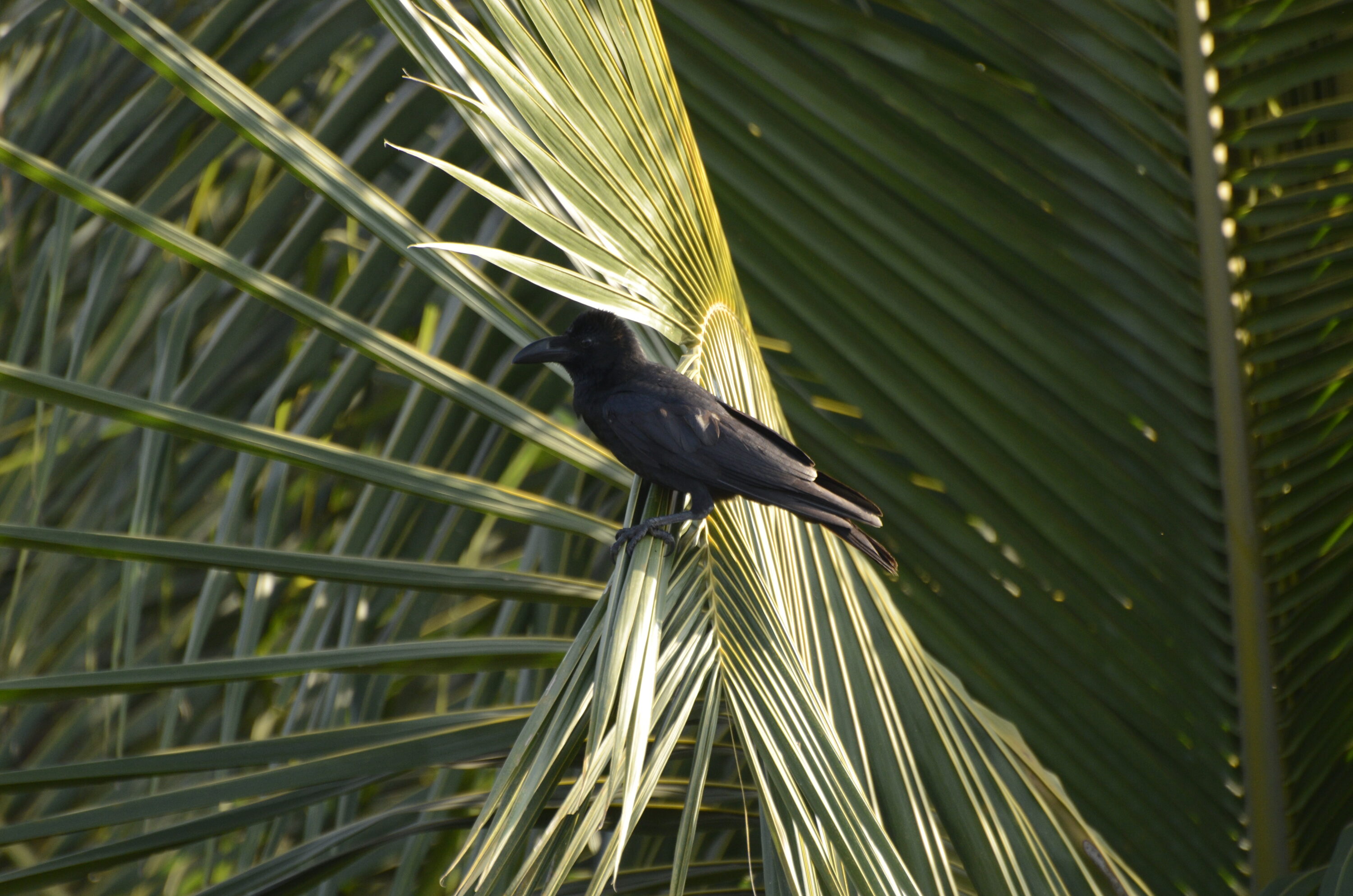
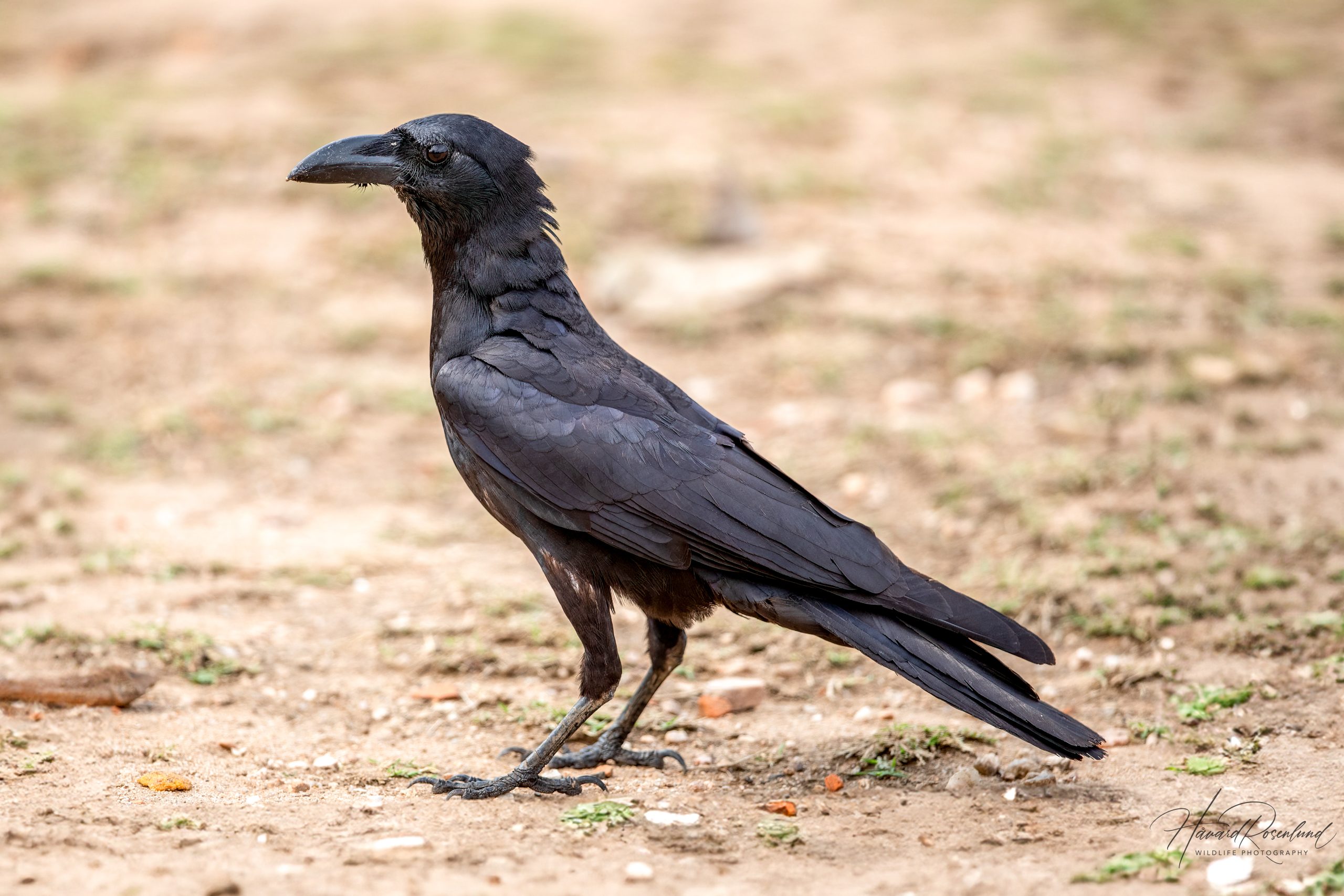
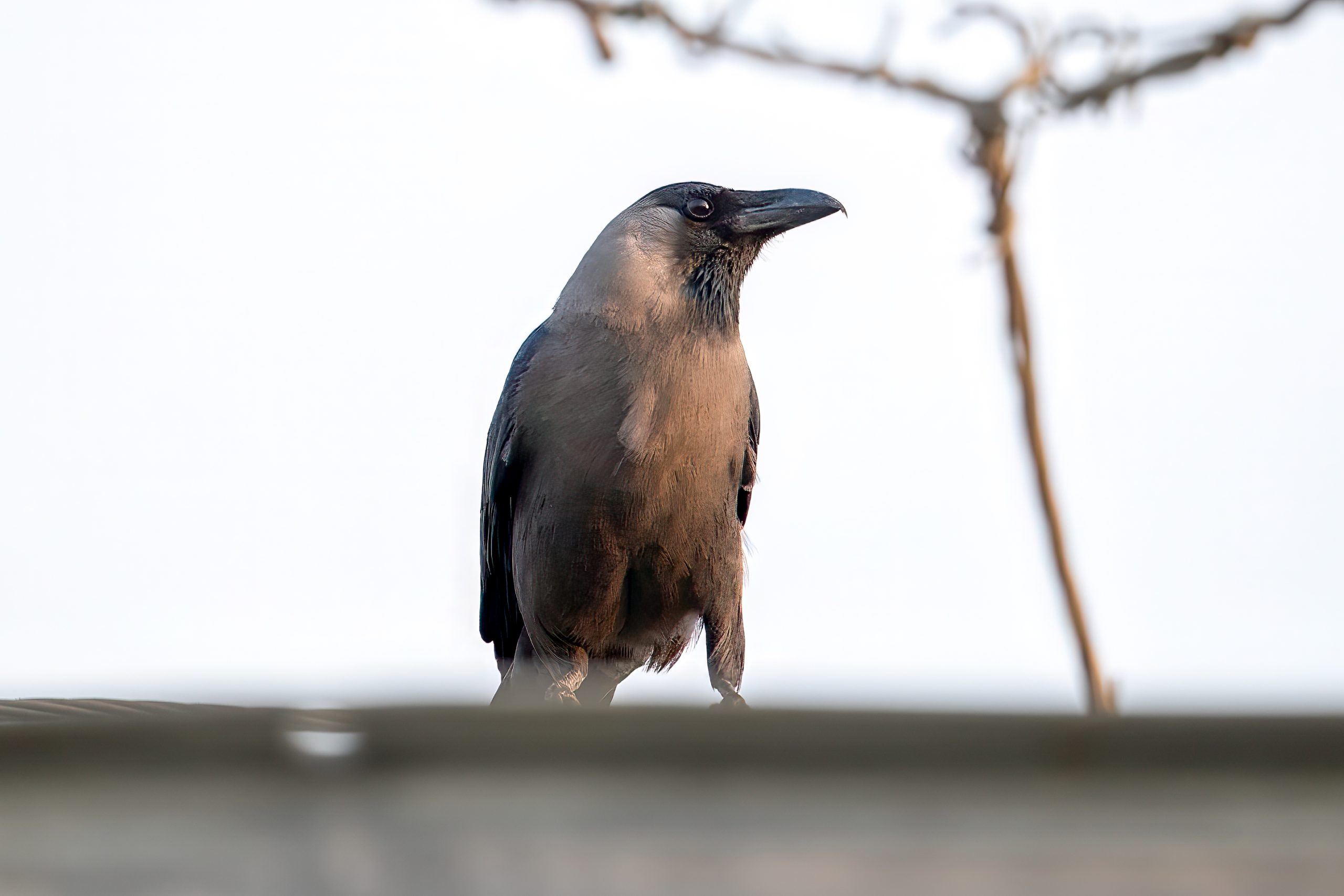
A Large-billed Crow (Corvus macrorhynchos) was filmed actively rubbing ants through its feathers in Coonoor in the Nilgiri Hills of southern India. Three House Crows (Corvus splendens) arrived while the behaviour was taking place. One watched and fed on ants without anting, while the other two subsequently began rubbing ants through their own plumage.
The observation was made on 10 January 2026 at about 1,820 metres elevation beneath a cypress tree with a large aggregation of yellow crazy ants (Anoplolepis gracilipes). A 131-second section of video was analysed with an ethogram that separated the birds’ actions into categories.
Anting dominated the Large-billed Crow’s activity
Active anting — deliberately picking up ants and rubbing them on the plumage — occupied about 42–45% of the Large-billed Crow’s observed time. The bird applied ants to its tail, wings and legs. Preening accounted for about 18–20%, while ant handling, vigilance and other behaviours made up smaller shares.
The authors state that this is, to their knowledge, the first documented use of yellow crazy ants for anting. The species is widespread in tropical regions and was abundant at the observation site.
Two of three House Crows also began anting
The first House Crow spent most of its observed time pecking at ants and did not rub any through its feathers. Two later arrivals, however, each spent roughly 40–45% of their observed time actively anting after the Large-billed Crow had been performing the behaviour.
The authors interpret the sequence as heterospecific social facilitation: seeing another species perform an existing behaviour may increase the likelihood that the observer performs it too. They explicitly distinguish this from demonstrating that the House Crows learned an entirely new behaviour through imitation.
Anting is known from many bird groups but remains sparsely documented in India. The Coonoor observation therefore adds a detailed behavioural record for both crow species while showing how immediate social context may influence whether the behaviour is expressed.
Behaviour
Related news
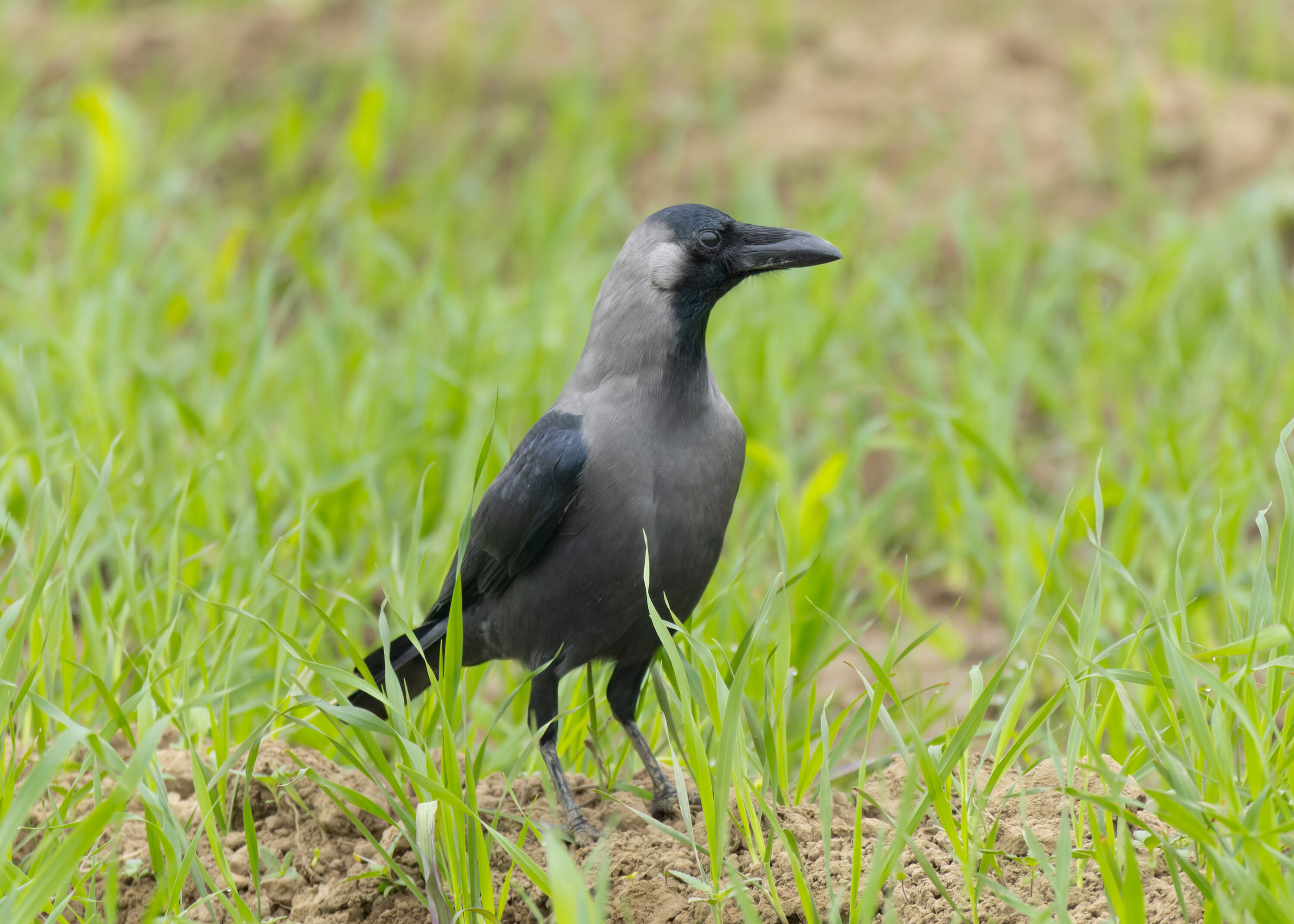
More House Crows Were Counted on Hotter Days in Jaipur
At five urban sites in Jaipur, daily totals ranged from 17 to 81 house crows, and about 22%…
Read story →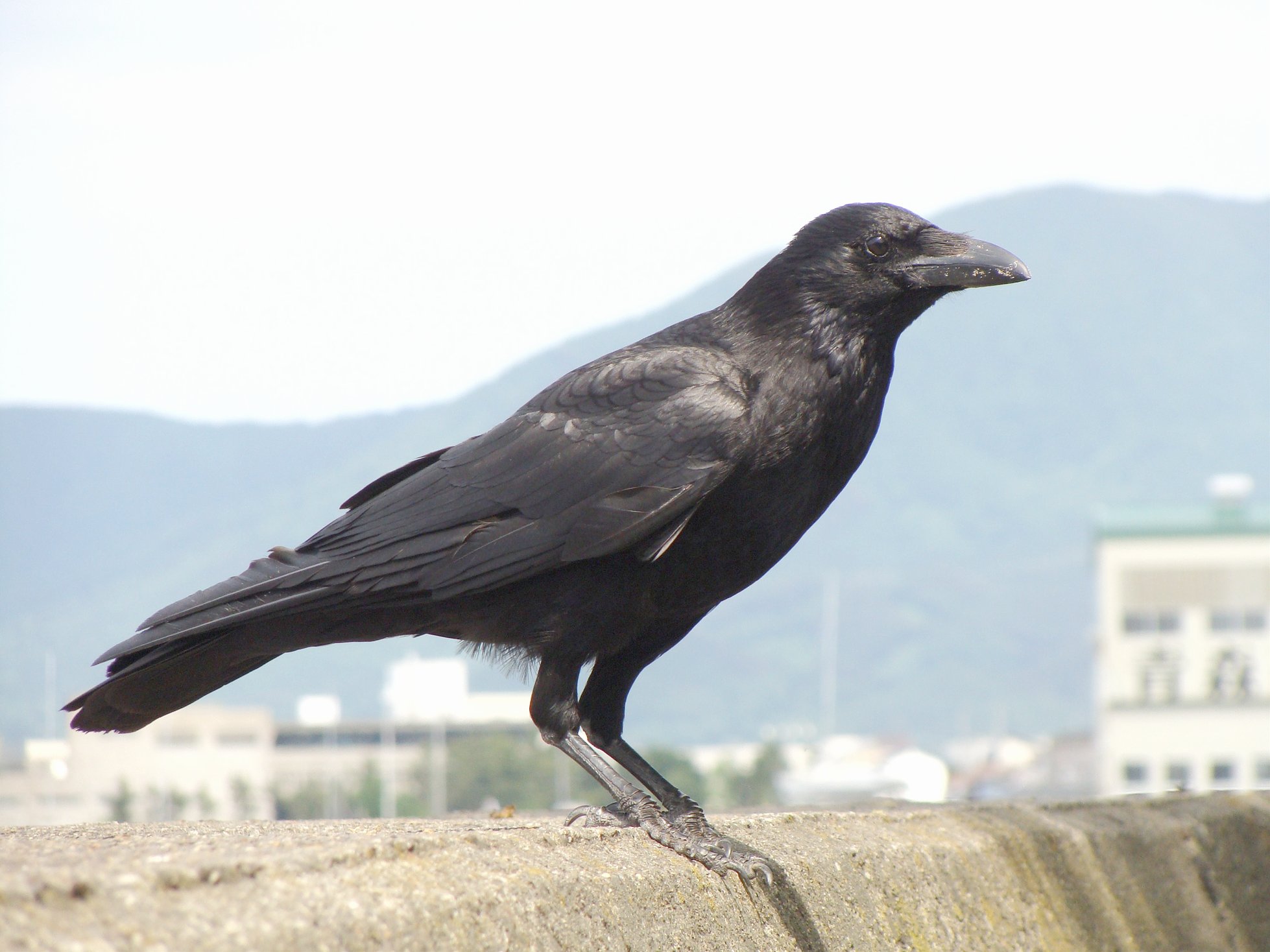
Carrion and Large-billed Crows Used Different Foods Until Winter Snow Narrowed Their Options
GPS tracking and year-round field observations in northern Japan found that non-breeding carrion crows mainly used farmland, large-billed…
Read story →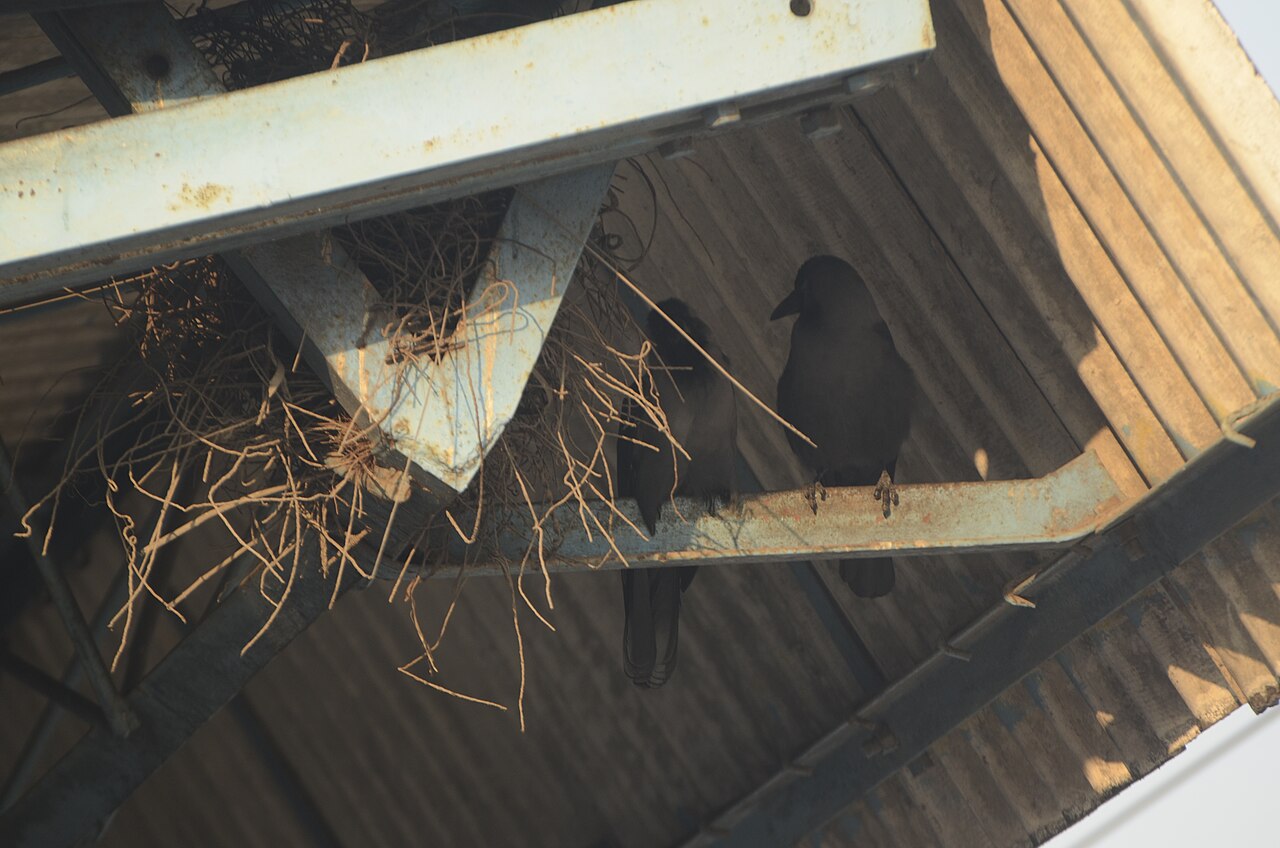
Singapore House Crows Kept Preferred Tree Species but Shifted Other Nest-site Choices
A 2026 comparison with a 2001 Singapore survey found that house crows still favoured the same main tree…
Read story →SPECIES IN THIS STORY
Species in this story
Independent research and conservation news archive
Did you find this information useful?
Wildlife Vagabond is independently built and maintained. Voluntary support helps cover source verification, hosting and continued work on research and conservation news.
Support Wildlife VagabondThe news archive will remain freely available.