
House Sparrow Eggshells Revealed Unexpectedly High Metal Concentrations
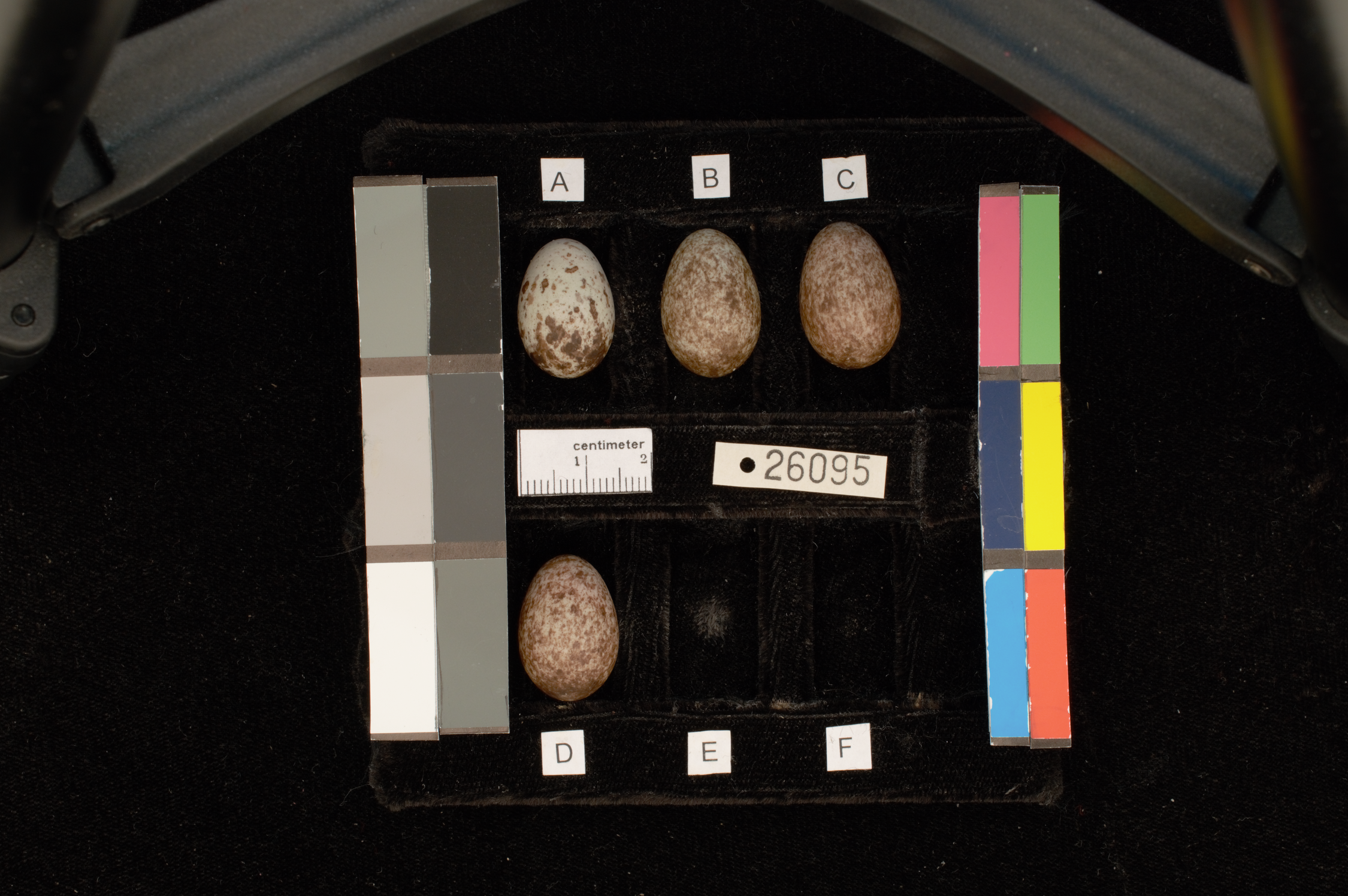
House sparrow eggshells collected across the eastern United States contained detectable arsenic, selenium, cadmium, copper and lead. Some concentrations were higher than the researchers expected, even though the shells came from a terrestrial bird that feeds mainly on seeds. The study, published on 25 February 2026, also found that shell colour and speckling could not reliably reveal which eggs contained more of the measured elements.
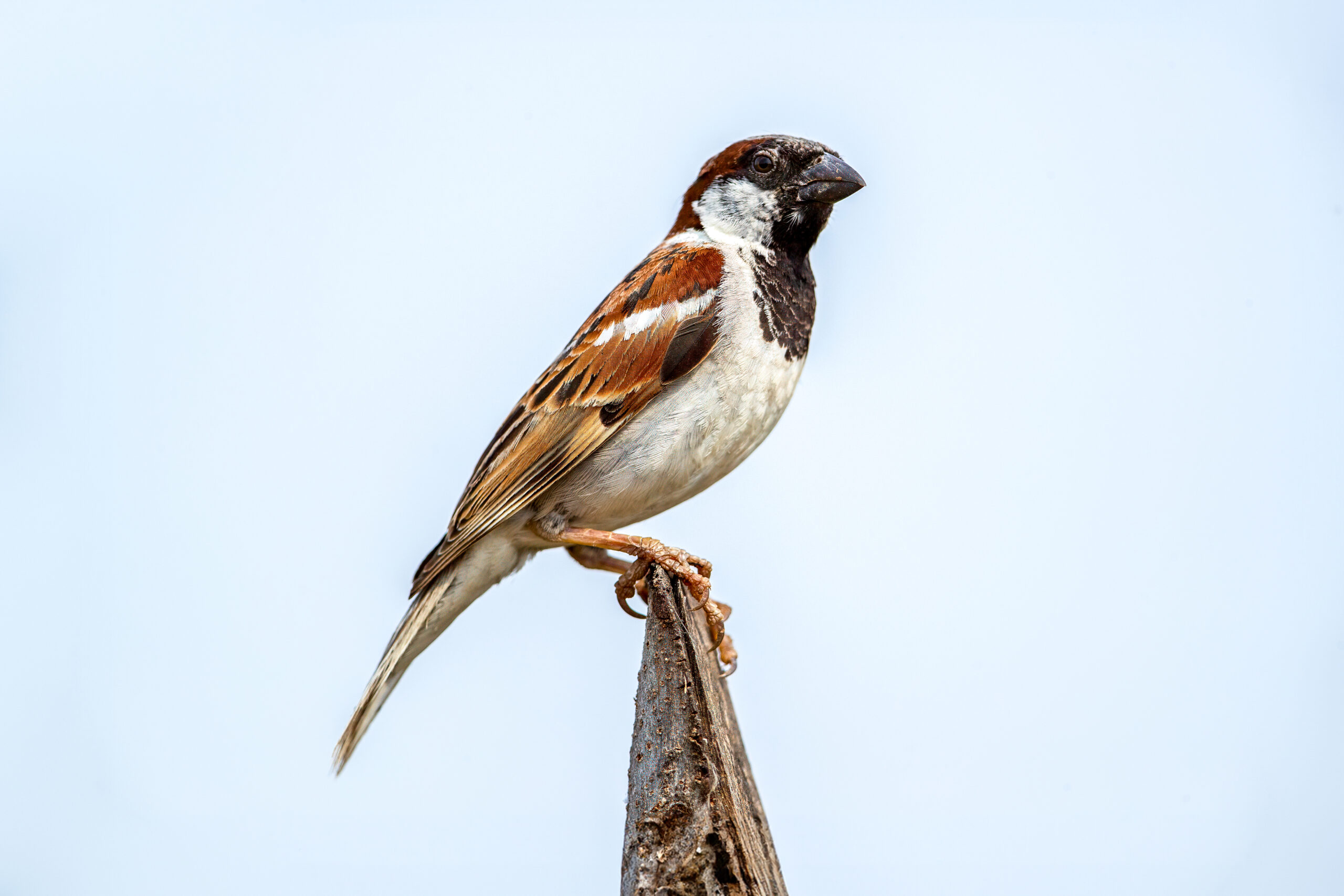
The house sparrow (Passer domesticus) may be useful for local contaminant monitoring because it is widespread, does not migrate and usually remains within a small area. The authors report a home range of less than eight hectares, with most activity often concentrated within less than 0.2 hectares. Metals deposited in an egg are also likely to reflect the female’s recent diet before and during laying.
The eggs came from Sparrow Swap, a citizen-science programme run with volunteers between 2016 and 2018. Participants encountered house sparrow nests in boxes intended for native cavity-nesting birds and sent eggs that would otherwise have been discarded during management of this introduced species. In total, volunteers collected 536 clutches totalling 2,182 eggs. Researchers photographed 1,462 eggs that arrived in good condition using a standardised setup with a scale and colour references.
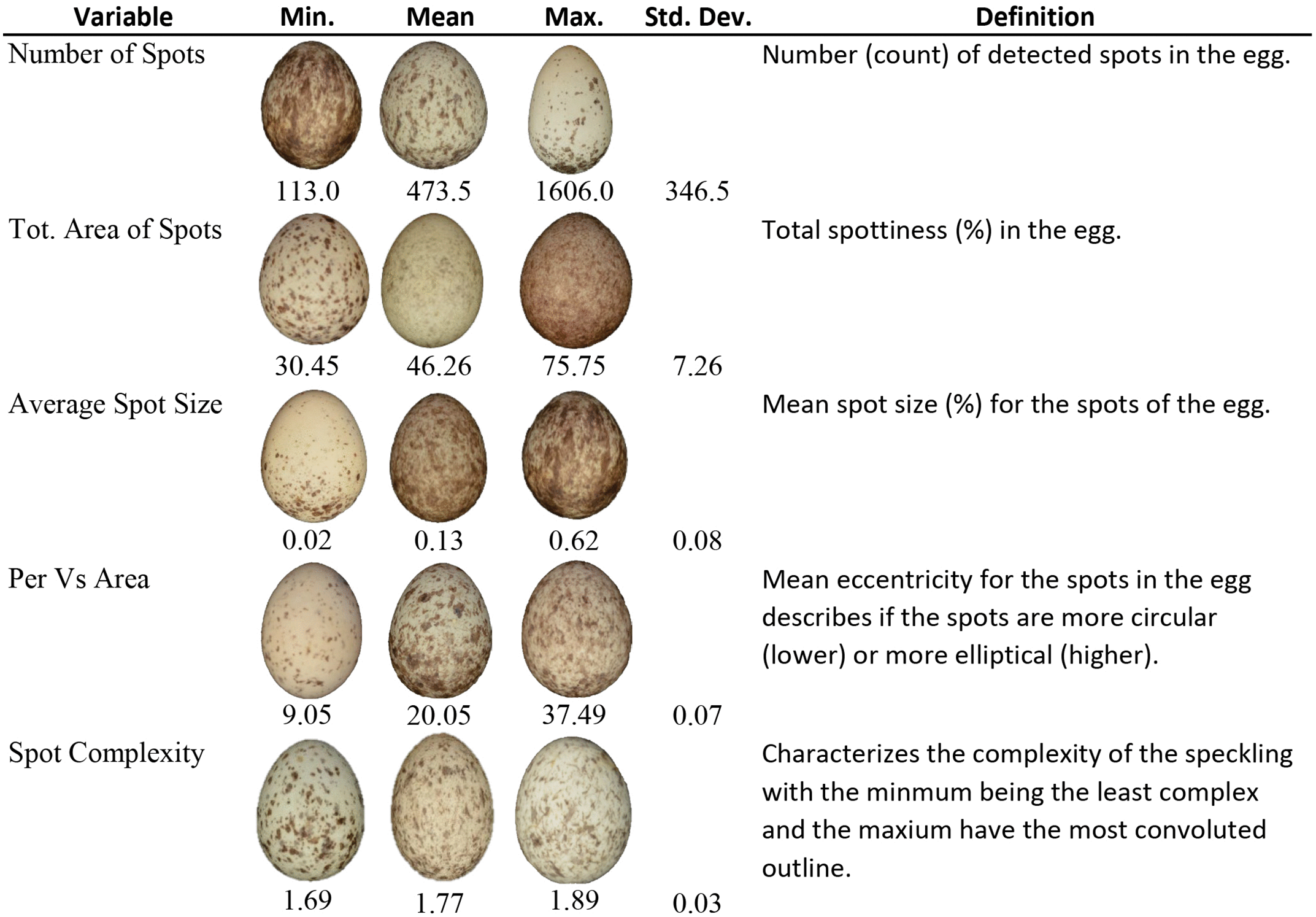
Image-processing software measured shell colour and several aspects of the spots, including their number, coverage, size, shape and complexity. The team also measured shell thickness and calcium. Of the 1,426 eggs analysed for shell characteristics, 100 eggs from complete clutches were subsampled for chemical analysis of copper, lead and cadmium, as well as the metalloids selenium and arsenic. These elements can enter food webs, and at high exposure some can interfere with physiological processes involved in forming an egg.
All five measured elements were detected across the sample
Across the 100 eggshells selected for chemical analysis, all five measured elements were detected at least once, but only 27 shells contained all five at detectable levels. Mean copper concentration was 1.97 parts per million, slightly above a previously reported baseline for house sparrow shells. Mean selenium concentration was 0.87 parts per million, while the highest selenium measurement was 2.31 parts per million. Mean cadmium was 0.09 parts per million, while mean lead was 0.52 parts per million. This was also the first reported measurement of arsenic in house sparrow eggshells, according to the authors.
Shell colour and speckling did not predict metal concentrations
Despite wide variation in egg appearance, colour was not significantly related to the concentration of any of the five elements. Speckling, calcium and shell thickness were not reliable predictors either. Copper was higher in clutches laid later in the breeding season, a pattern the researchers say needs further investigation. The study therefore does not support judging contamination simply by looking at an egg.
The study did not establish whether the concentrations caused harm
The authors could not determine whether the concentrations were high enough to harm the female or embryo. They also note that shells may contain less metal than other body tissues or the contents of an egg. Discarded house sparrow eggshells can therefore provide material for targeted contaminant monitoring, but the useful information comes from chemical analysis rather than visible shell markings.
Other research
Related news
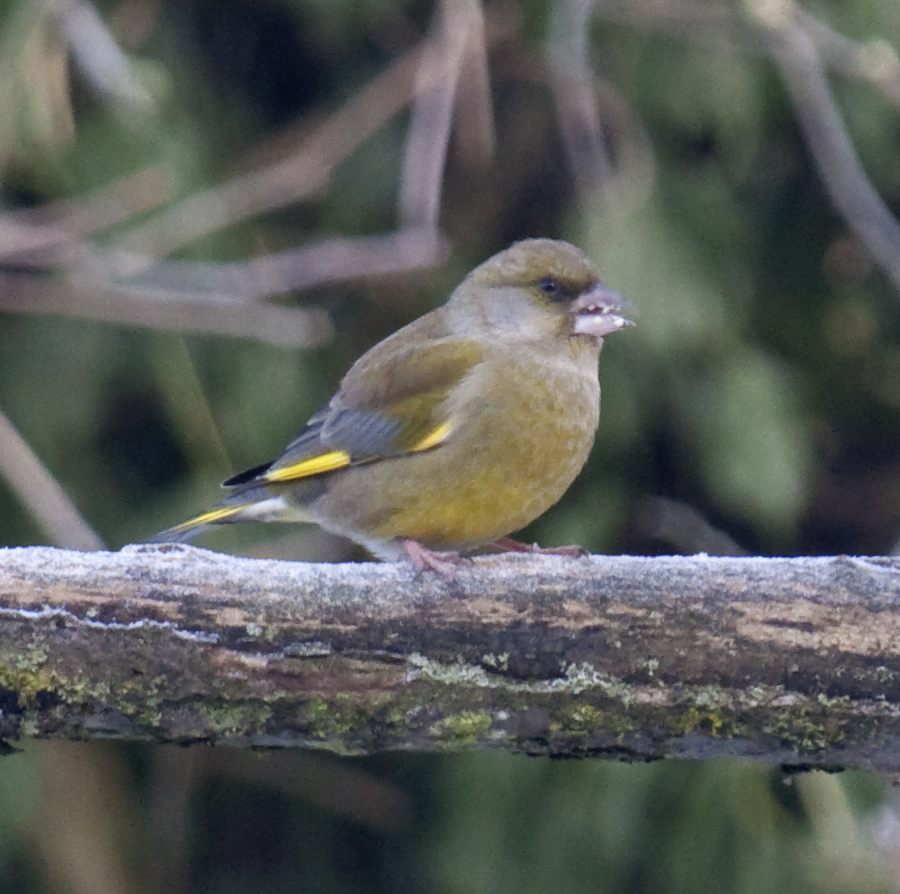
Type A Trichomonas Was More Than Twice as Prevalent in British Birds at Supplementary-fed Sites
Type A of the bird parasite Trichomonas gallinae was more than twice as prevalent in British birds at…
Read story →
Usutu Virus RNA Was Found Nearly Three Times as Often as West Nile Virus RNA in Southern France
Among 2,533 wild birds from 69 species in southern France, Usutu virus RNA was detected in 12.0% and…
Read story →
Six Cavity-Nesting Bird Species Bred Successfully in Artificial Nests in Punjab
Punjab Agricultural University reported successful breeding in artificial nests by six cavity-nesting species, including Indian roller, spotted owlet…
Read story →SPECIES IN THIS STORY
Species in this story
Independent research and conservation news archive
Did you find this information useful?
Wildlife Vagabond is independently built and maintained. Voluntary support helps cover source verification, hosting and continued work on research and conservation news.
Support Wildlife VagabondThe news archive will remain freely available.