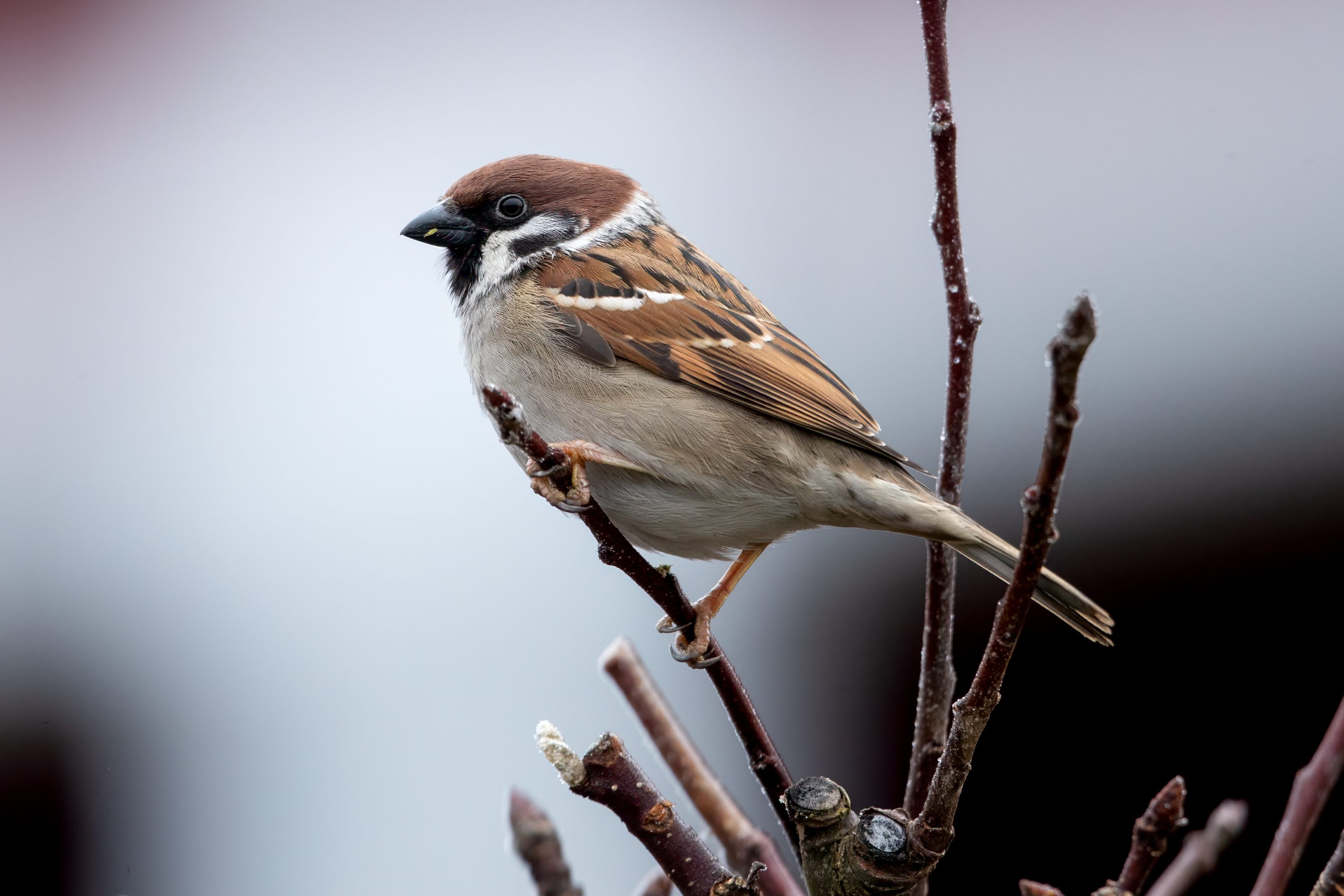
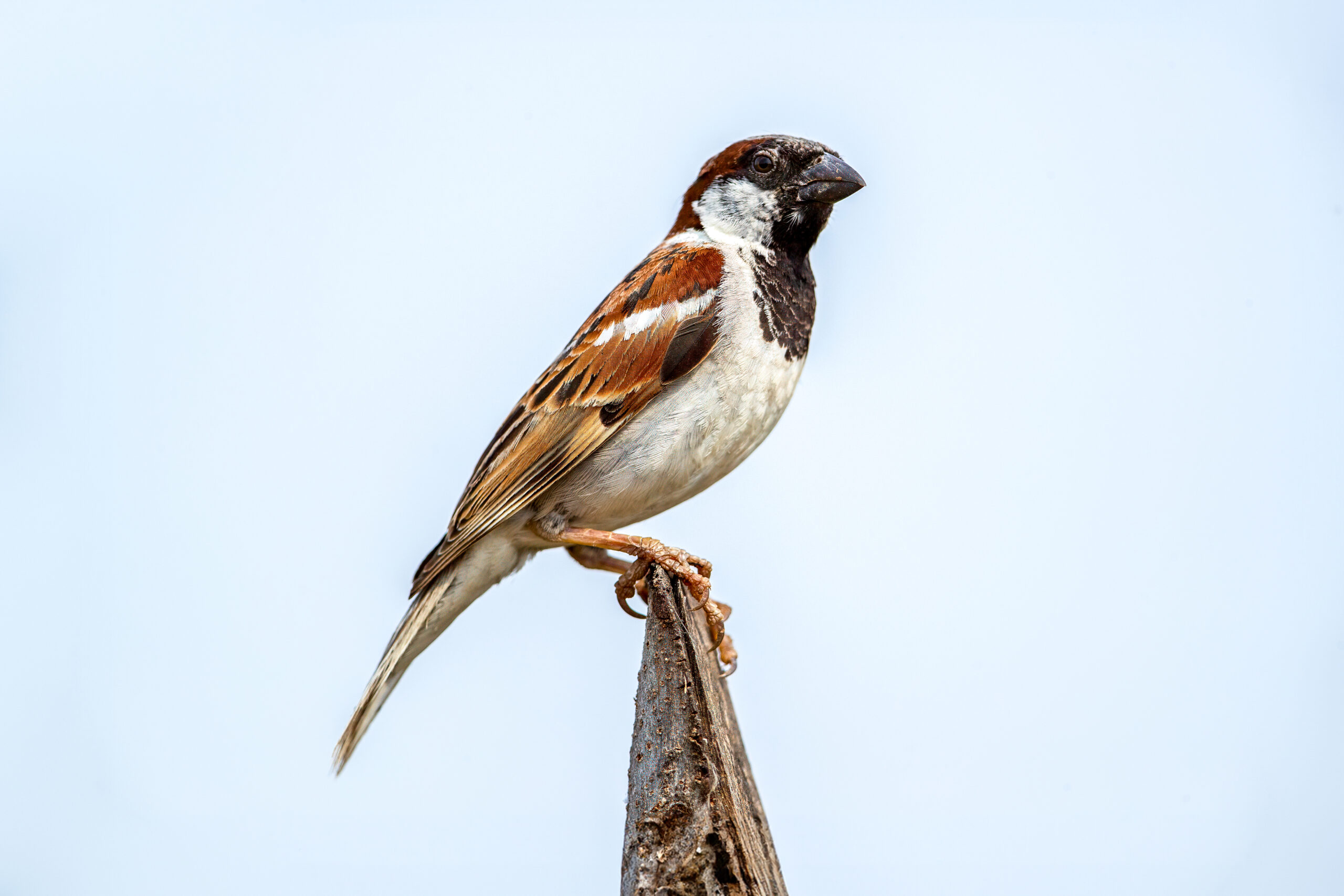
More Widespread House Sparrows Had More Avian Malaria Than Tree Sparrows
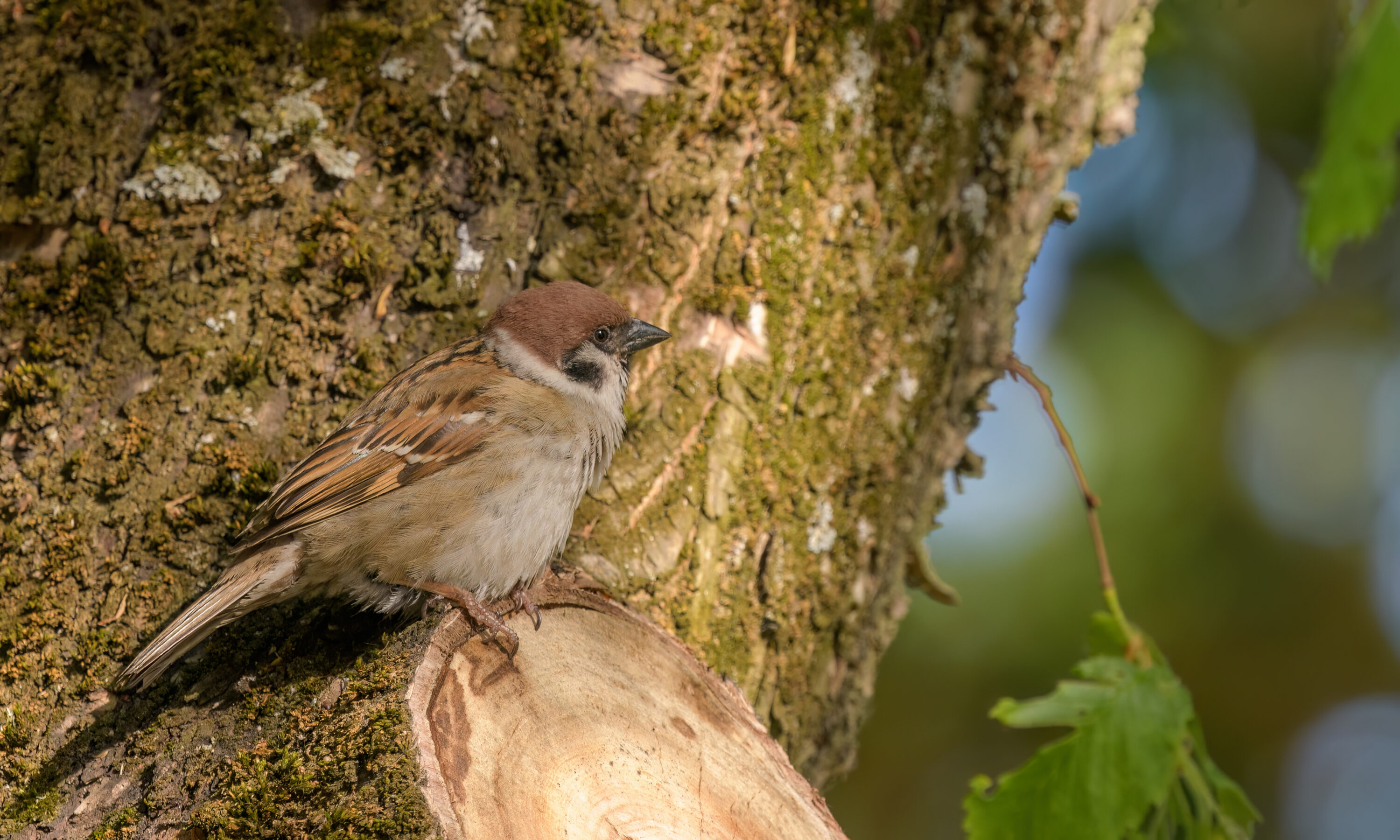
House sparrows (Passer domesticus) in Missouri, USA and Illinois were infected with avian malaria more often than Eurasian tree sparrows (Passer montanus) living in the same introduced range. Infected house sparrows also carried a higher relative parasite load. That was the opposite of what the researchers expected from the two species’ very different invasion histories.
House sparrows have spread across much of North America, while tree sparrows introduced near St. Louis in the nineteenth century remain concentrated in a much smaller region. The researchers therefore tested the “enemy release” idea: a successful invader may benefit if it escapes some of the parasite pressure it faced elsewhere.
House sparrows were infected about twice as often
The team sampled 306 wild birds at eight sites in Missouri and Illinois from 2019 to 2022: 133 house sparrows and 173 Eurasian tree sparrows. Plasmodium was detected in 24.1% of the house sparrows but only 11.6% of the tree sparrows.
Host species remained the clearest predictor of infection after the researchers also considered site, age, sex and whether the birds lived in rural or suburban habitat. The more widespread invader therefore carried malaria more often rather than less often.
Infected house sparrows also carried more parasite DNA
Among the positive samples suitable for further analysis, house sparrows also had higher relative parasitaemia. This measure compares the amount of Plasmodium DNA with host DNA in the blood sample and provides an index of infection intensity rather than a direct count of parasites.
The result strengthens the contrast between the species: house sparrows not only had more infected individuals, but infected birds also tended to carry more parasite DNA.
Five malaria lineages point to local transmission
The study detected five Plasmodium lineages. Three occurred in both sparrow species, while each species had one lineage not found in the other. All five have previously been recorded in native North American birds, supporting transmission within the introduced range rather than a parasite community simply carried unchanged from Europe.
One lineage, PHPAT01, had not previously been reported in Eurasian tree sparrows. The finding adds another example of host–parasite associations changing after a species is introduced to a new continent.
No malaria was detected at the northern expansion edge
The current 11.6% prevalence in tree sparrows was also far below the 60% reported from a much smaller North American sample about two decades earlier. The studies are not directly equivalent, but the difference suggests that parasite pressure may have changed over time.
At the northern edge of the tree sparrow’s expanding range, the researchers detected no Plasmodium in either sparrow species. One site is not enough to establish a geographic pattern, but it raises the possibility that parasite pressure changes as the tree sparrow expands northward.
Overall, the study argues against a simple rule in which the more successful invader carries fewer parasites. In these two sparrows, the more widespread house sparrow had both more frequent malaria infection and higher relative parasitaemia, showing that host–parasite relationships can shift during different stages of an invasion.
Disease, parasites & microbiology
Related news
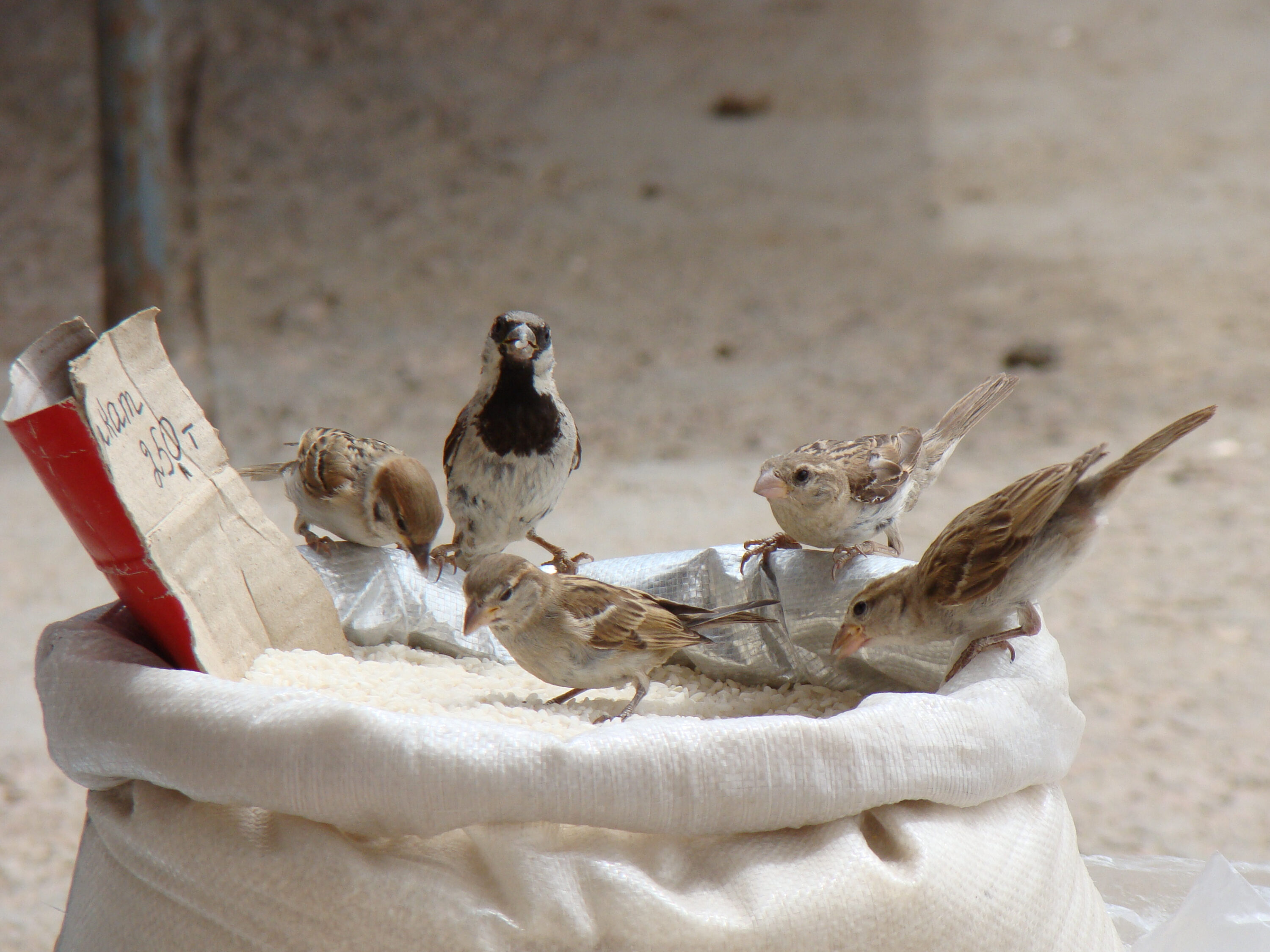
Tree and House Sparrows Divided Assam’s Urban Landscape
Surveys across five towns found tree sparrows most strongly associated with green suburban zones, while house sparrows concentrated…
Read story →
Type A Trichomonas Was More Than Twice as Prevalent in British Birds at Supplementary-fed Sites
Type A of the bird parasite Trichomonas gallinae was more than twice as prevalent in British birds at…
Read story →
Usutu Virus RNA Was Found Nearly Three Times as Often as West Nile Virus RNA in Southern France
Among 2,533 wild birds from 69 species in southern France, Usutu virus RNA was detected in 12.0% and…
Read story →SPECIES IN THIS STORY