
Models Highlighted Iberian Mountains and the Po Watershed as Key Stopover Regions for UK Common Cuckoos
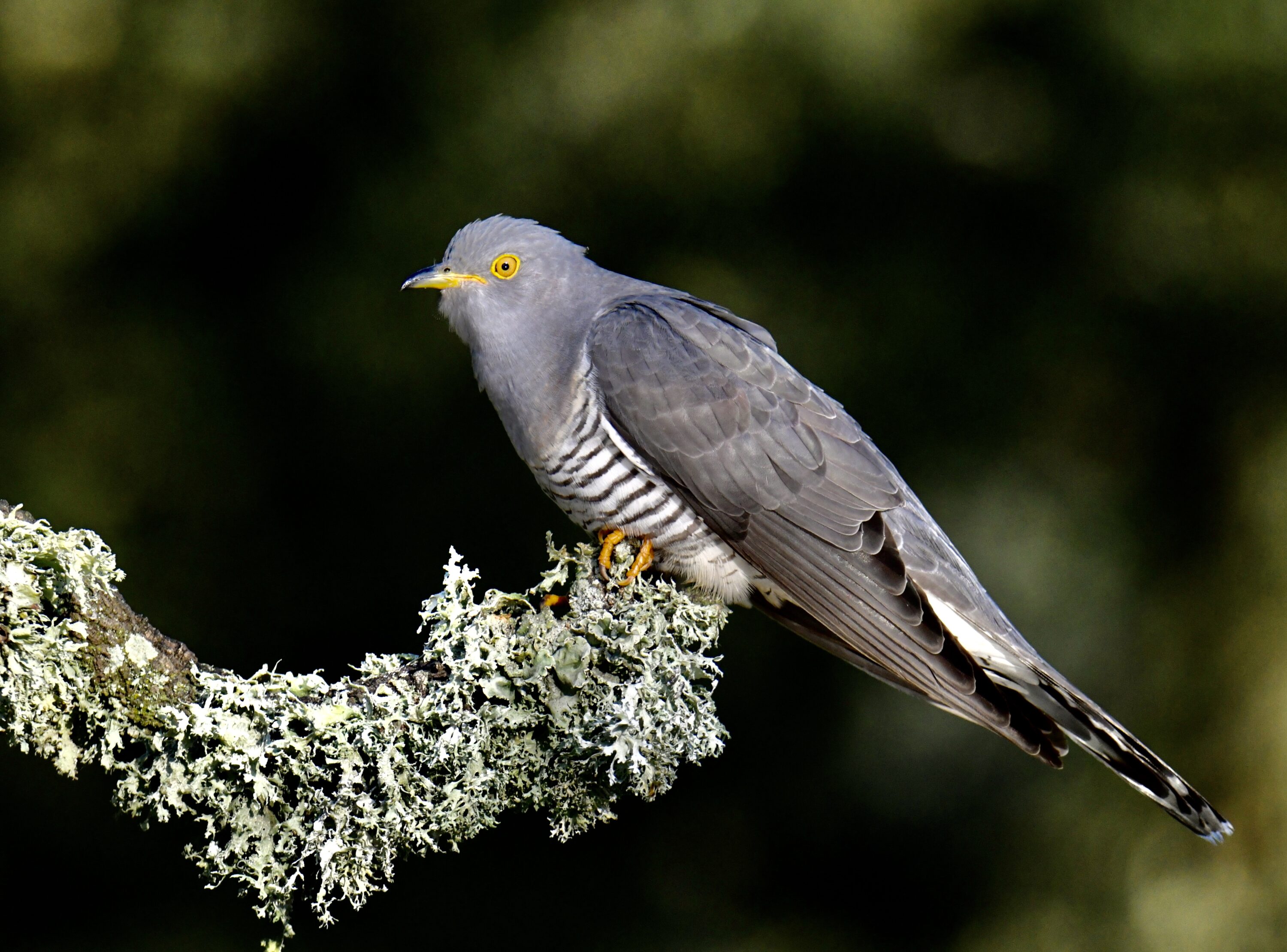
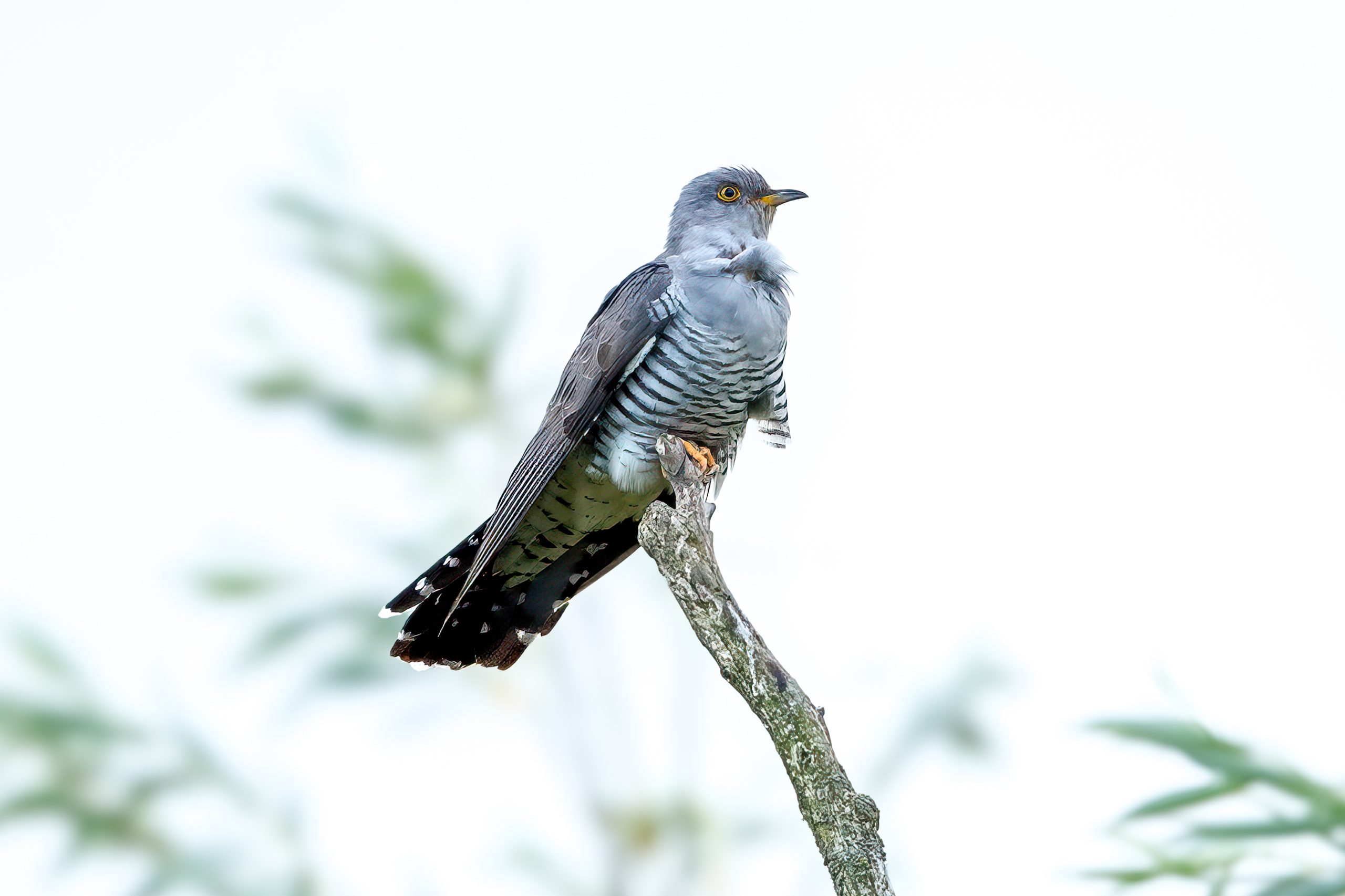
Satellite tracks from common cuckoos (Cuculus canorus) breeding in the UK were used to model environmental conditions and likely stopover regions along their two main autumn migration routes through Europe. The study, published on 4 August 2026, analysed tracks from 88 adult males fitted with satellite transmitters between 2011 and 2021.
The birds followed either a western route through Iberia or an eastern route through Italy and the Balkans before continuing towards wintering grounds in central Africa. Researchers modelled the locations of migratory stopovers using 13 climatic, habitat, topographic and human-related variables and also tested how predicted stopover distribution changed under different drought conditions.
Western birds favoured cooler and less drought-affected sites
Along the western route, stopover probability was highest in cooler, semi-humid areas with low recent drought, and both lowland and high-elevation sites were favoured over intermediate elevations. The spatial models highlighted mountain ranges across Iberia as particularly important stopover regions, alongside broad areas in northwest and central France.
Recent drought was one of the stronger predictors on this route. In 2015, when short-term drought was highest during the migration period, the predicted extent and probability of western stopover sites were lower than in the low-drought year 2021. The authors therefore identify increasing drought and aridity in Iberia as a concern for these migration sites.
The Po watershed stood out on the eastern route
Eastern-route cuckoos showed the strongest association with heterogeneous landscapes, with lowlands and uplands favoured more than intermediate elevations. The Po watershed in northern Italy emerged as a key stopover region, with smaller areas in central France, Benelux, Slovenia, Croatia and along the Adriatic also highlighted by the models.
Short-term drought did not substantially reshape the predicted eastern stopover distribution. However, predictions for 2019, the year with the highest longer-term drought measure, showed a clearer reduction in the extent and probability of stopover areas compared with 2014, when that longer-term drought measure was low. The authors suggest that prolonged or cumulative drought may therefore affect the reliability of eastern stopover habitat differently from the short-term drought signal seen on the western route.
Hunting risk ranked highly but was not cuckoo-specific
Hunting risk was one of the strongest predictors in the eastern-route model, and several important stopover areas coincided with high-risk zones. The authors caution, however, that the hunting-risk layer represented risk to small migratory birds generally and did not distinguish legal from illegal hunting, so it cannot be used to quantify a direct cuckoo-specific hunting threat.
The models show that stopover distribution along the two migration routes is associated with different combinations of climate, habitat and topography. The authors recommend route-specific conservation: maintaining semi-natural habitat within the heavily agricultural Po landscape and prioritising suitable montane stopover habitat in Iberia, where topographic diversity may also provide local climatic refuges. They also recommend finer-scale GPS tracking to identify the specific sites used within these broader regions.
Ecology
Related news
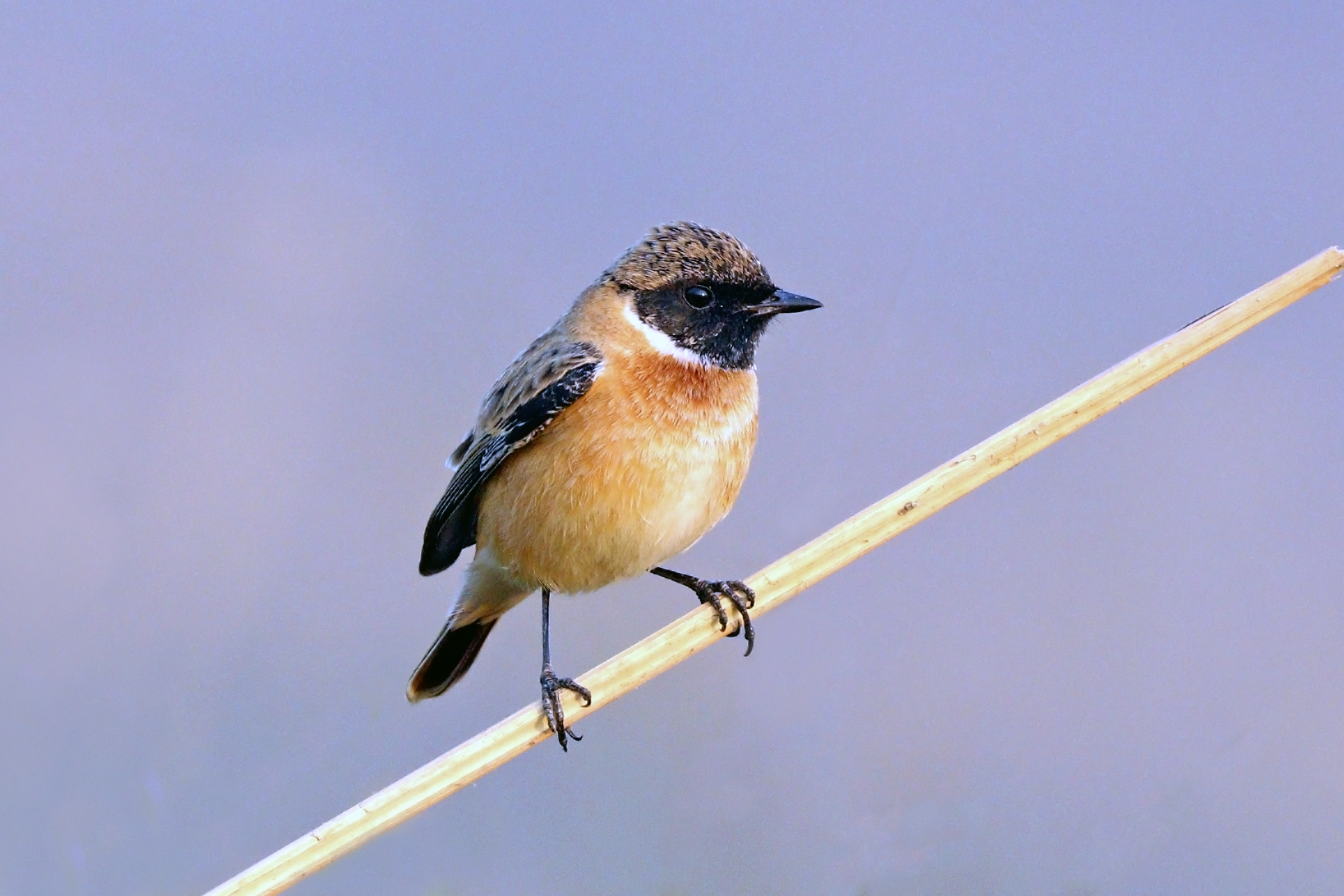
Egg Rejection Did Not Clearly Increase After Cuckoo Arrival in Two Host Species
Grey bushchats and Siberian stonechats showed no clear increase in foreign-egg rejection after common cuckoos arrived. The result…
Read story →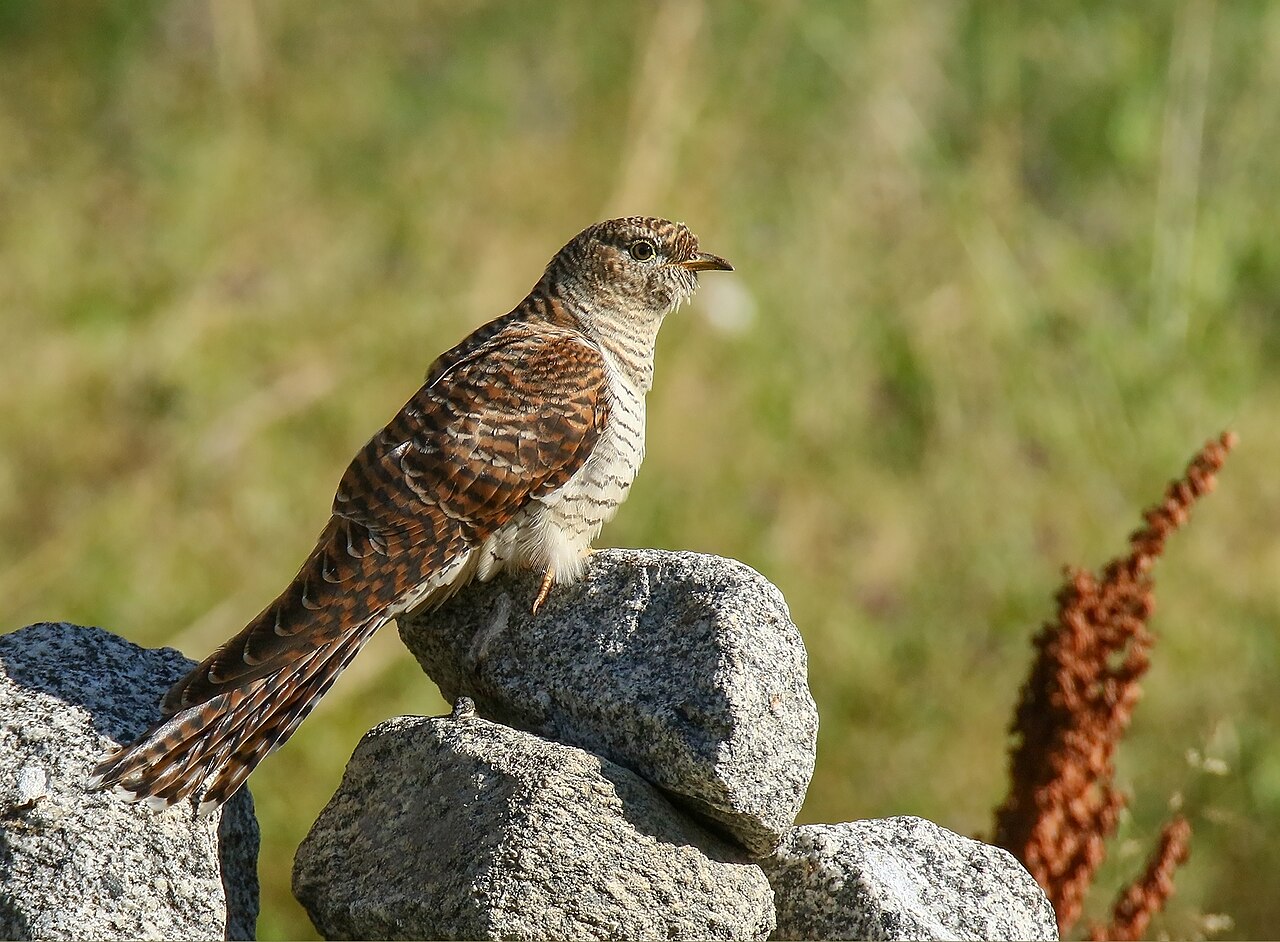
Cuckoos Use Two Different Strategies to Lay Eggs in Redstart Nests
Video from Finnish redstart nest boxes provides the first direct evidence that common cuckoos use two egg-laying strategies,…
Read story →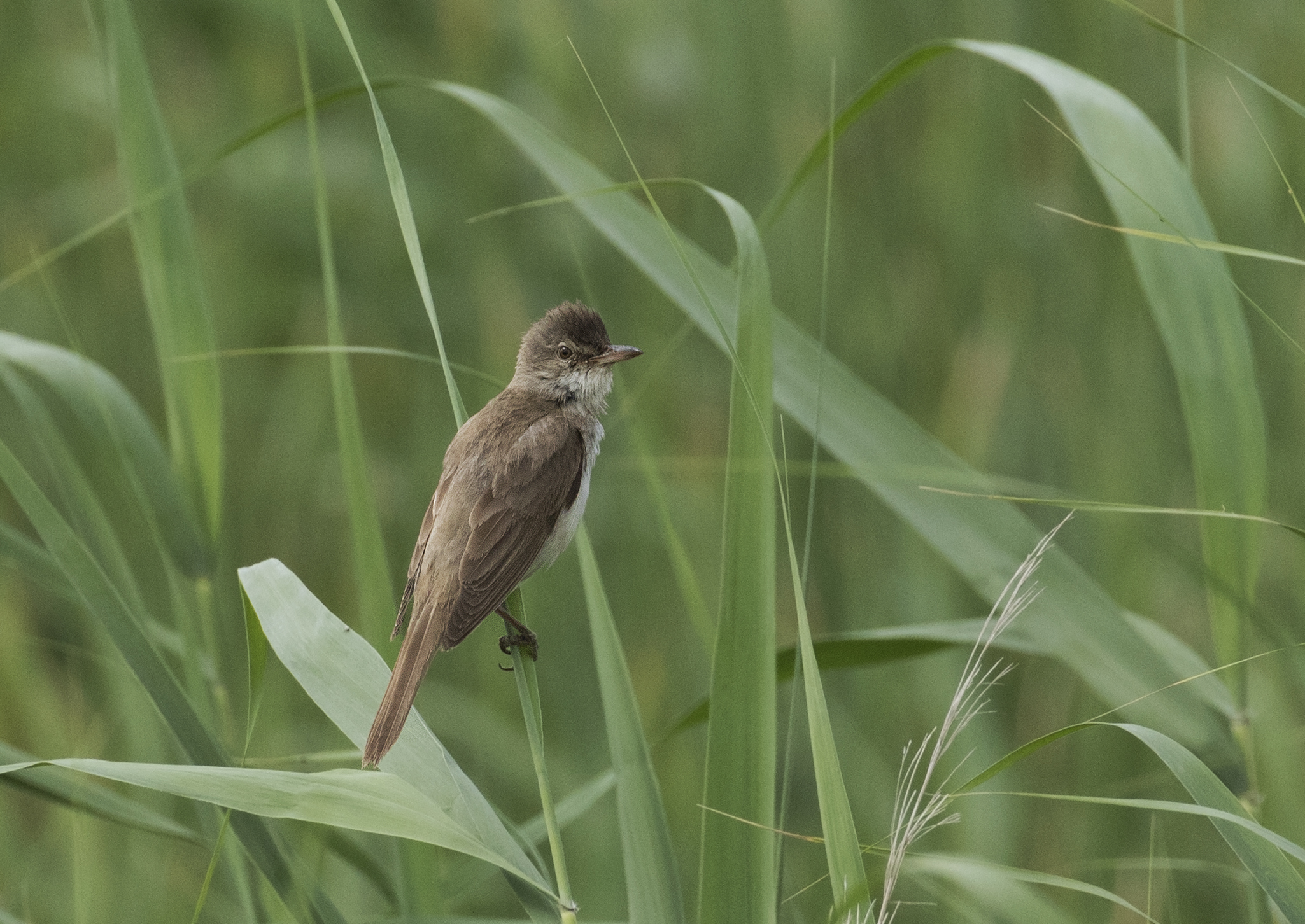
89% of Recorded Common Cuckoo Egg-laying at Great Reed Warbler Nests Occurred After 14:00
Across five breeding seasons in the Czech Republic, video documented 200 Common Cuckoo egg-laying events at 132 Great…
Read story →SPECIES IN THIS STORY
Species in this story
Independent research and conservation news archive
Did you find this information useful?
Wildlife Vagabond is independently built and maintained. Voluntary support helps cover source verification, hosting and continued work on research and conservation news.
Support Wildlife VagabondThe news archive will remain freely available.