
Native Vegetation Helped Camouflage Ground Nests of Indian Thick-Knees and Red-Wattled Lapwings in Jodhpur
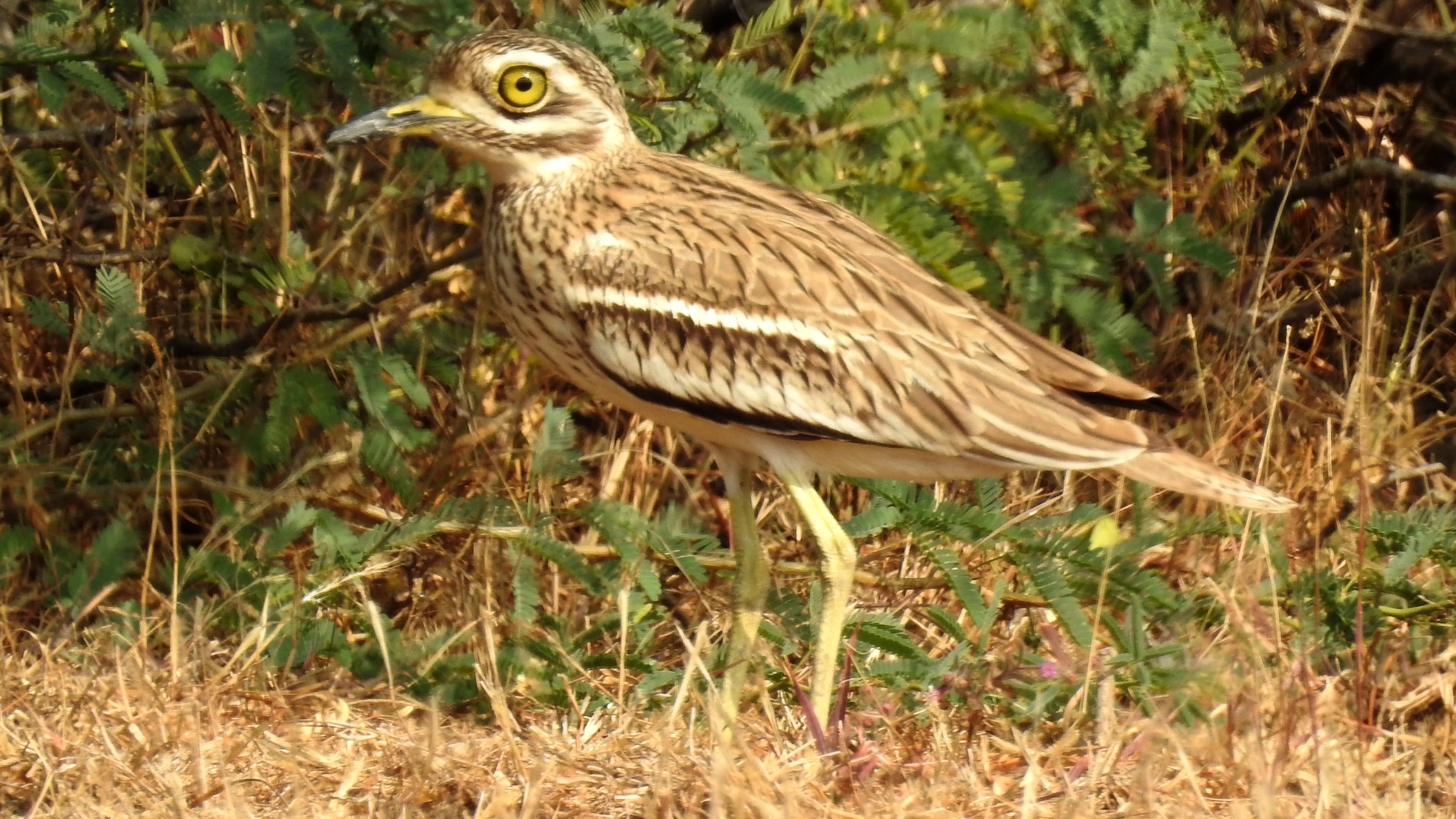
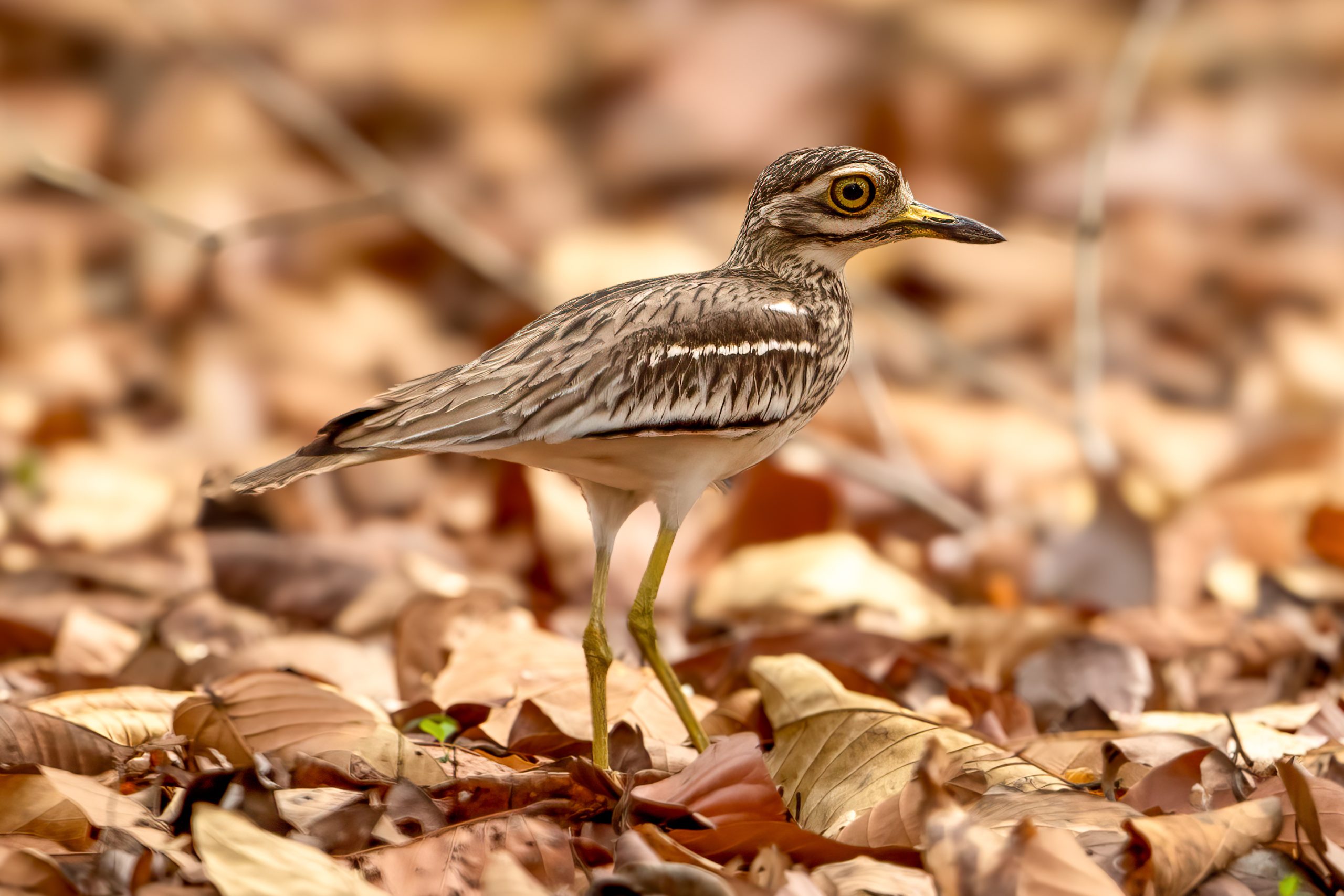
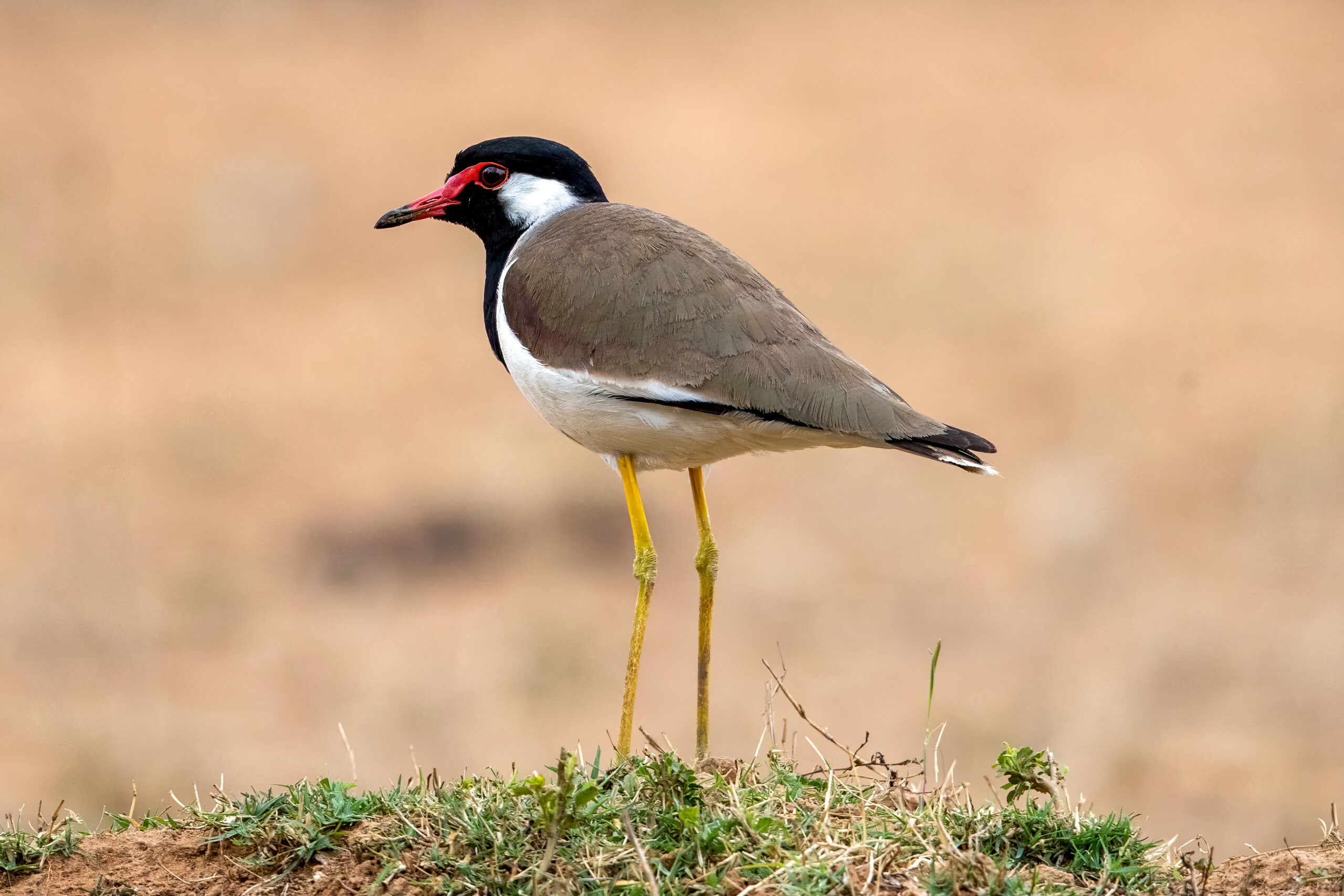
Field observations from a small protected urban site in Jodhpur, India, documented how Indian thick-knees (Burhinus indicus) and red-wattled lapwings (Vanellus indicus) used vegetation during breeding. The study, published in 2026, followed nesting habitat, breeding behaviour and interactions with plants from November 2022 to November 2025 on the campus of the Botanical Survey of India’s Arid Zone Regional Centre. The observations covered three Indian thick-knee breeding pairs and five red-wattled lapwing pairs.
Indian thick-knees nested on the ground among dry leaves, fallen fruits and other plant material that closely matched the colour and pattern of their eggs and plumage. The observations also documented adults guarding nesting areas, hiding among vegetation and actively defending young and nest sites. The birds used the same small urban habitat for feeding, including observations of thick-knees taking gastropods.
The two species used different combinations of camouflage and defence
Red-wattled lapwings used more open nesting sites but likewise relied on camouflage and active parental defence. The researchers documented territorial encounters between the two ground-nesting species and spatial separation among nests. One lapwing pair laid a second clutch in 2025 after losing its first brood. Two of the first four eggs were taken by a monitor lizard, and the two chicks that hatched later disappeared. The parents moved 20–40 metres and laid four more eggs in May; all four hatched in June.
Vegetation provided both concealment and food habitat
The authors describe the vegetation as both hiding cover and habitat for insects eaten by the chicks. They suggest that retaining native trees, shrubs and herbs could support these birds in Jodhpur’s changing urban landscape, while noting that the effects of vegetation on breeding success were not experimentally tested.
Reproduction & development
Related news
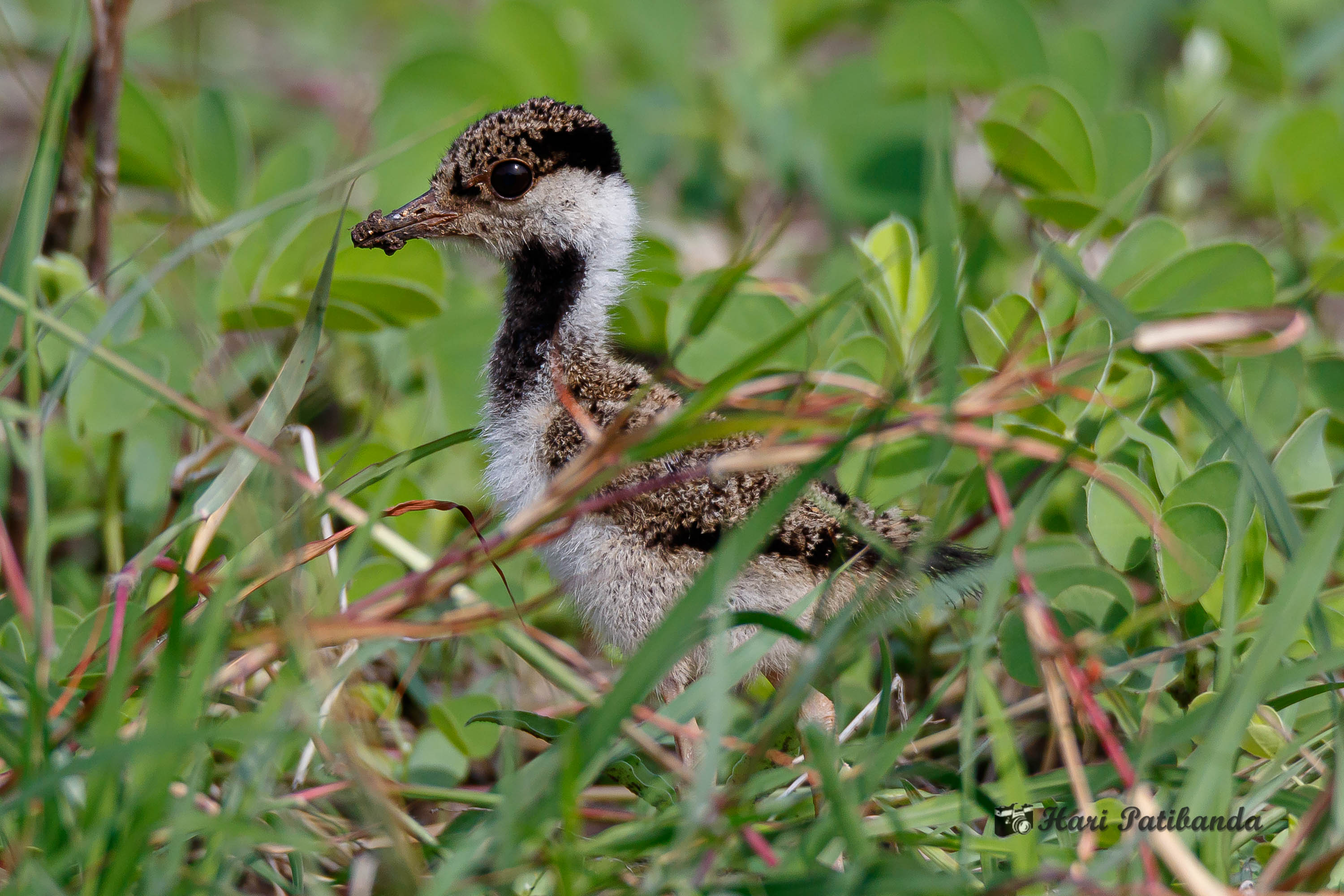
Downy Chick and Juvenile on Bintan Provided Indonesia’s First Confirmed Red-wattled Lapwing Breeding Record
A downy chick on 18 January and a juvenile on 21 February 2026 provided Indonesia's first confirmed Red-wattled…
Read story →
Long-term Pair Bonds Were Linked to More Clutches and Hatchlings per Season in Red-wattled Lapwings
A six-year Dubai study found that red-wattled lapwings retaining the same partner for several years produced more clutches…
Read story →
Red-wattled Lapwings Had a Thicker, More Gland-dense Esophageal Lining Than Pin-tailed Sandgrouse
In a small Iraqi comparison, Red-wattled Lapwings had an esophageal mucosa about 50% thicker and more glands per…
Read story →SPECIES IN THIS STORY
Species in this story
Independent research and conservation news archive
Did you find this information useful?
Wildlife Vagabond is independently built and maintained. Voluntary support helps cover source verification, hosting and continued work on research and conservation news.
Support Wildlife VagabondThe news archive will remain freely available.