
Intermediate-Coloured Buzzards Increased Across Europe as Dark and Light Extremes Declined
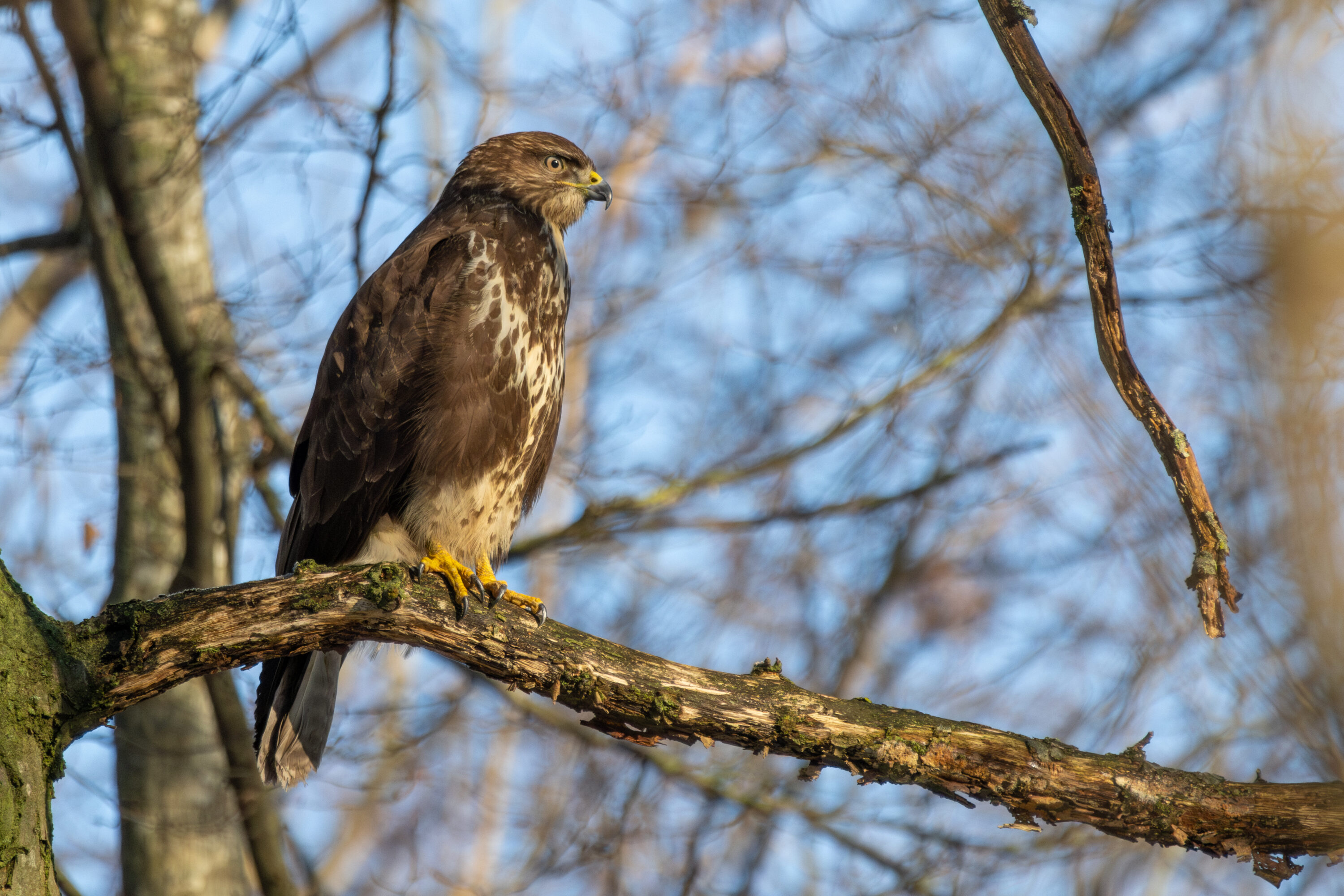
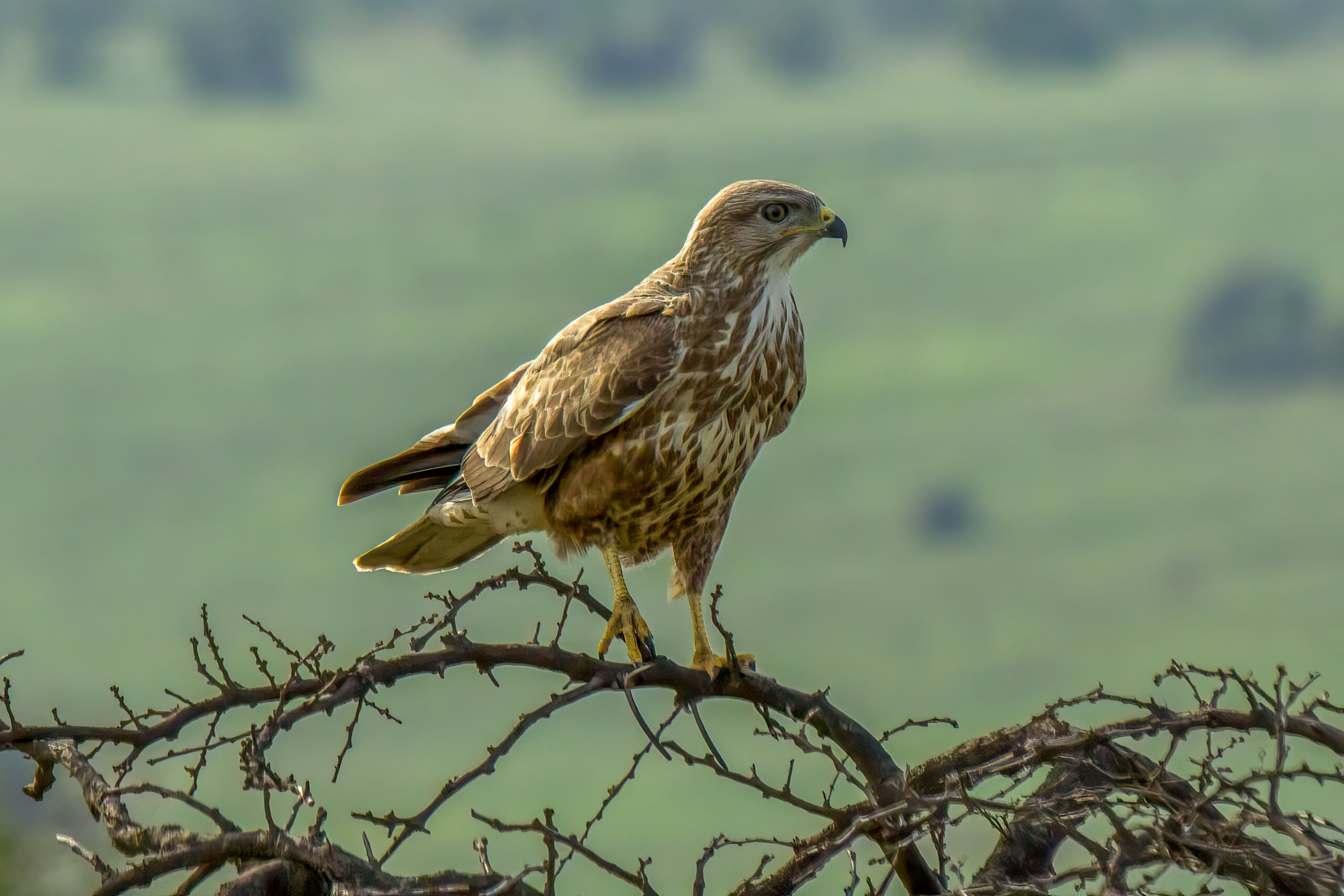
Common buzzard (Buteo buteo) plumage varies from almost entirely dark brown to largely white. A European analysis published on 7 March 2026 compiled 99,343 citizen-science observations to map this variation. After the small number of records from before 2000 were excluded, 99,088 observations were used to examine the 2000–2022 temporal shift toward intermediate-coloured birds.
The researchers scored plumage on a seven-step scale and grouped the birds into dark, intermediate and light categories. Across the full dataset, intermediate birds were the most common, accounting for 55.9% of observations, followed by dark birds at 28% and light birds at 16.1%.
Colour patterns differed across Europe
Light-coloured buzzards were most frequent in north-central Europe, especially around the Netherlands, Belgium, northern Germany and neighbouring parts of France and Denmark. Darker birds were more common in Iberia and Brittany, while intermediate-coloured birds were particularly frequent in south-eastern Europe and the British Isles.
The study tested several environmental variables that could be associated with these patterns. Buzzards tended to be darker where ultraviolet-B radiation was higher, and dark birds were also more frequent in forested areas. The authors interpret the UVB pattern as compatible with a photoprotective role of darker melanin-rich plumage and the forest association as potentially linked to camouflage; sulphur-rich volcanic soils may also favour greater pigmentation. However, the environmental models explained less than 1% of the overall colour variation. Historical population structure and phylogeography may therefore be more important than present-day local adaptation for explaining much of the geographic pattern.
Intermediate plumage became more common
Between 2000 and 2022, the proportions of both dark and light buzzards declined, while intermediate-coloured birds increased. The result was a measurable reduction in colour variation across the study period.
The decline in light birds was stronger in regions that warmed more strongly, while the decrease in dark birds and increase in intermediate birds were steeper where forest cover declined. The authors emphasise that these environmental associations were weak, but note that the broader increase in intermediate birds matches earlier findings from a long-term Dutch population in which intermediate-coloured individuals had higher fitness than the colour extremes.
The study extends detailed local work on buzzard colour to almost the whole European range of the nominate form. It shows that plumage variation is geographically structured and that the balance among colour forms has changed over only a few decades. The authors interpret the widespread rise of intermediate-coloured birds as consistent with selection against the darkest and lightest extremes, while calling for further work to identify the mechanisms behind colour-related differences in fitness.
Evolution & taxonomy
Related news
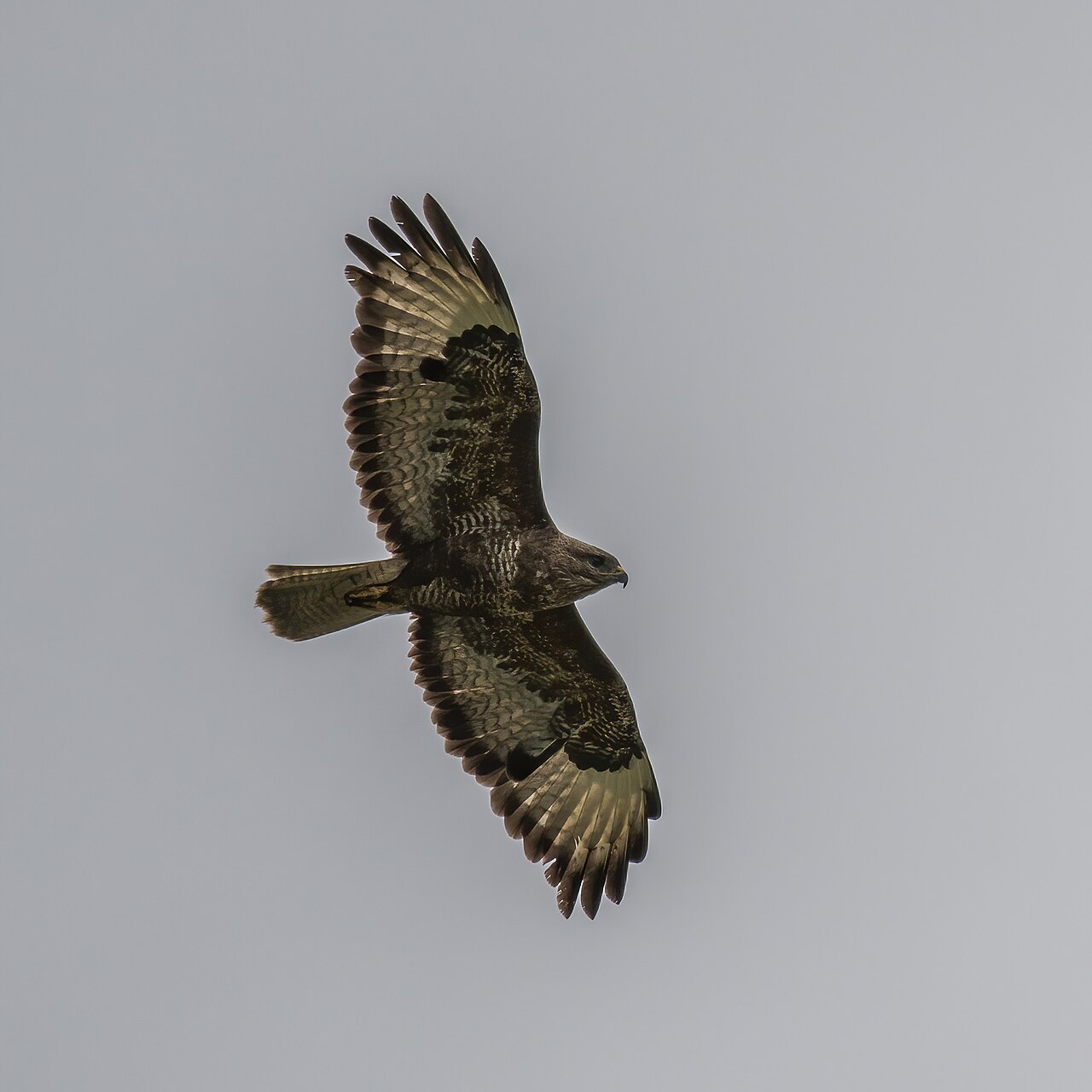
Berlin Common Buzzards Forage in Courtyards and Breed in Urban Green Islands
Four years of GPS tracking showed juvenile common buzzards in Berlin using small urban foraging hotspots associated with…
Read story →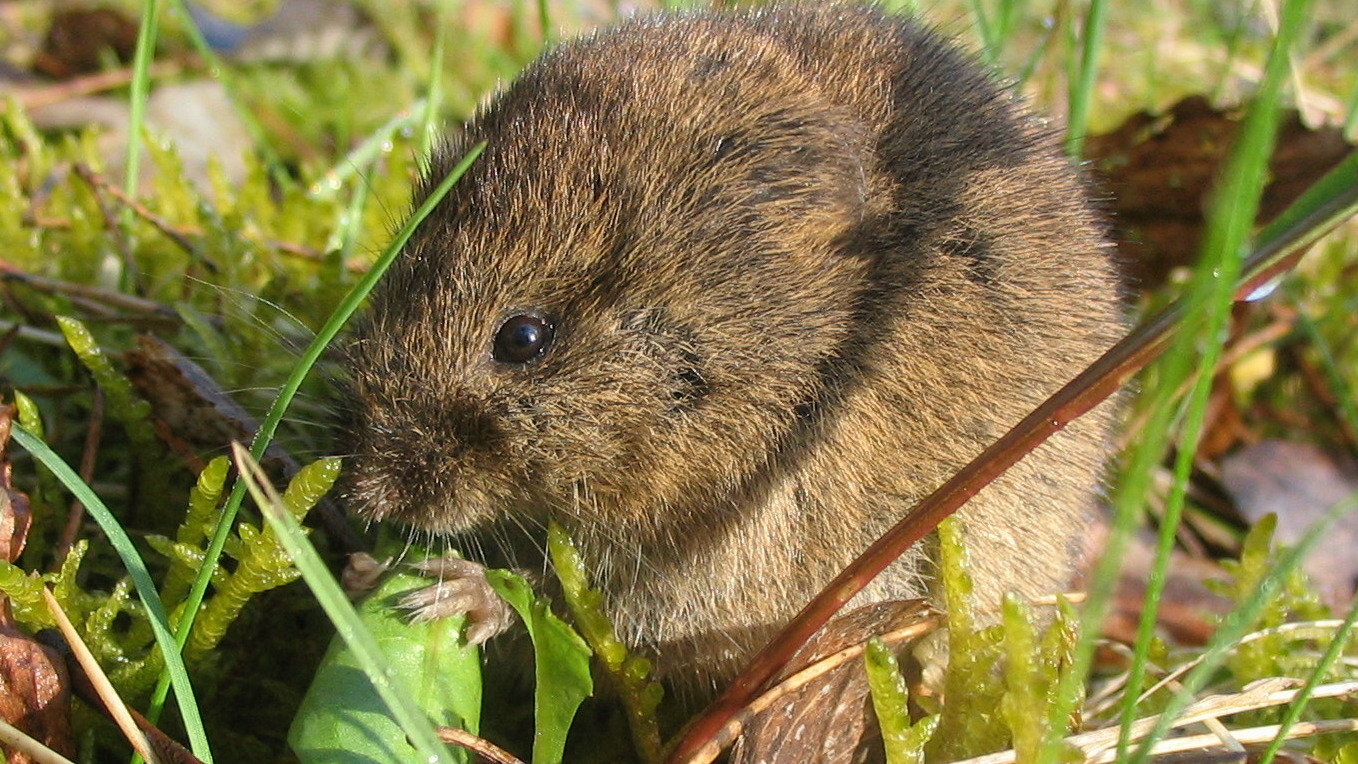
Common Voles Were the Most Frequent Prey of Buzzards in Ojców, but Birds Dominated Biomass
Among 120 prey items identified in the diet of common buzzards in Ojców National Park, common voles accounted…
Read story →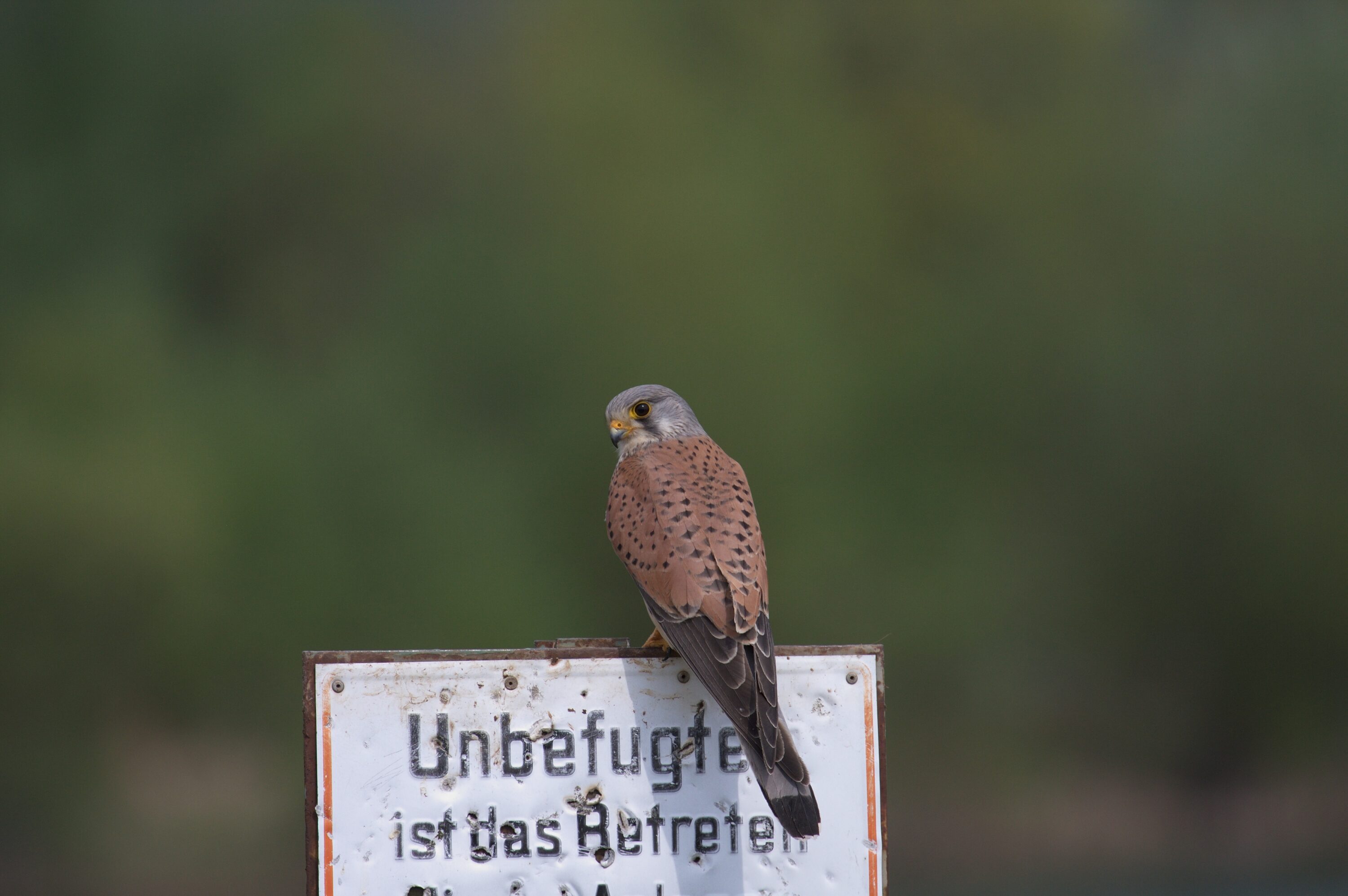
Winter Surveys Estimated 5.59 Common Kestrels and 2.61 Common Buzzards per km² in Parma Farmland
Roadside distance sampling in northern Italy estimated 5.59 common kestrels and 2.61 common buzzards per km², while the…
Read story →SPECIES IN THIS STORY
Species in this story
Independent research and conservation news archive
Did you find this information useful?
Wildlife Vagabond is independently built and maintained. Voluntary support helps cover source verification, hosting and continued work on research and conservation news.
Support Wildlife VagabondThe news archive will remain freely available.