
Isle Royale Moose Estimate Fell to 524 as Wolf Numbers Rose
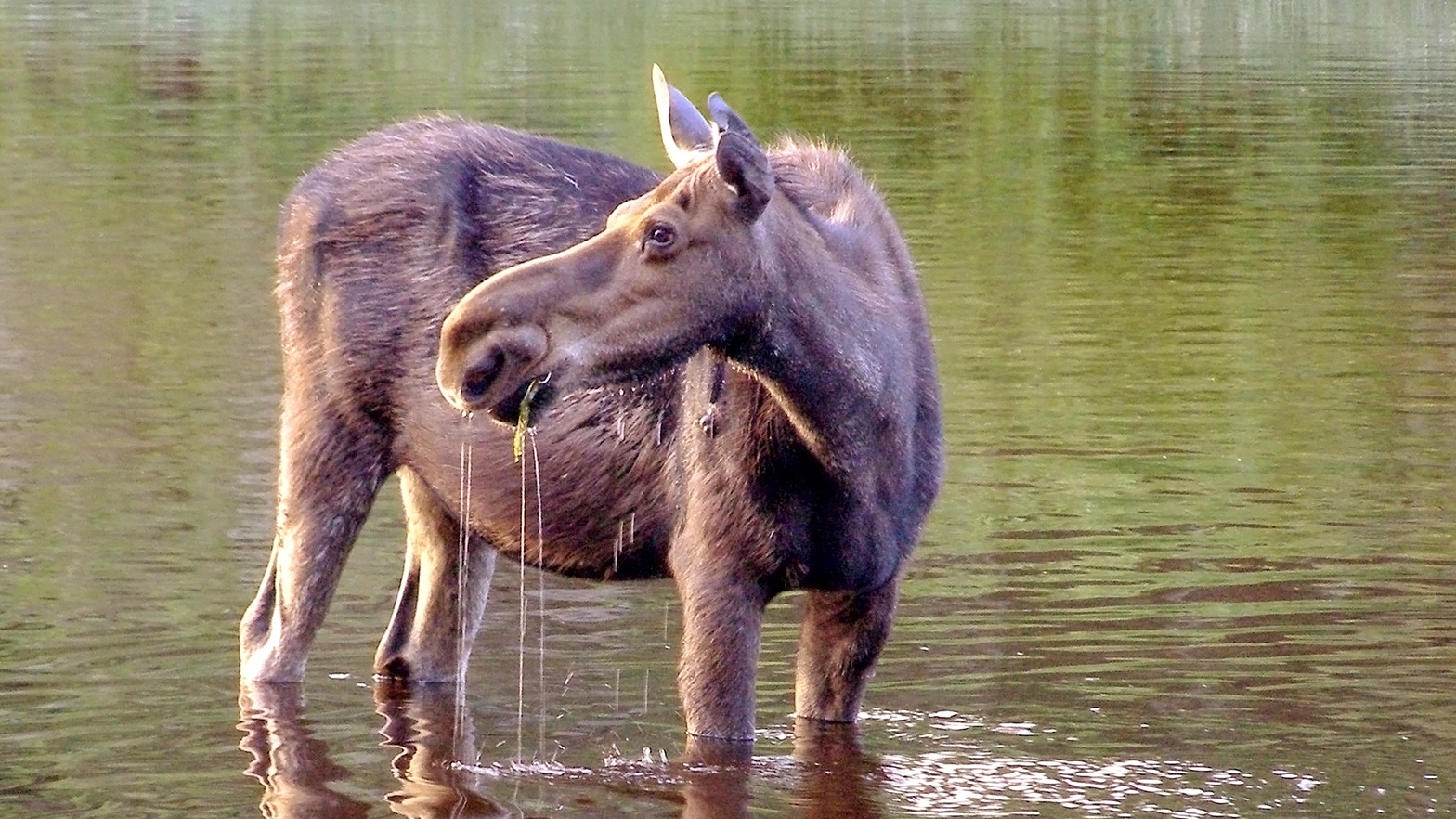
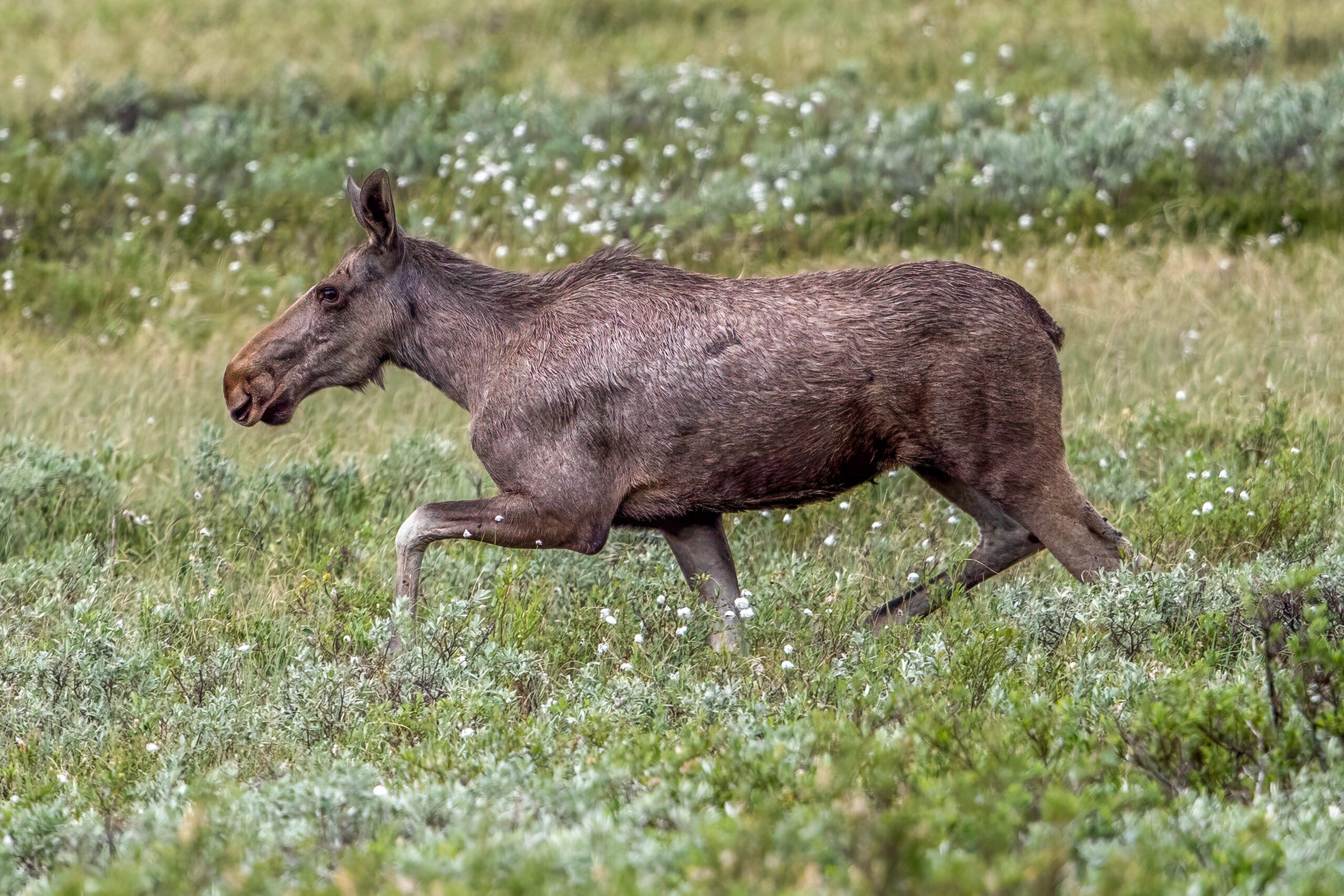
Michigan Technological University’s 2026 winter survey estimated that 524 moose (Alces alces) remained on Isle Royale, a remote island national park in Lake Superior, Michigan, USA. The estimate represents a 75% decline from the population peak of about 2,000 moose recorded in 2019. At the same time, researchers estimated 37 wolves (Canis lupus) on the island, close to the highest level documented since the late 1970s.
The results were published by Michigan Tech on 27 April 2026 as part of the 2025–2026 annual report from the Isle Royale Wolf–Moose Project. The annual report describes its results as preliminary. The winter study was carried out from 22 January to 3 March. The moose estimate came from aerial counts on 91 survey plots distributed across the island; those sampled counts were then used to estimate total island abundance, so 524 is a population estimate rather than a complete headcount. Aerial observations were also used to monitor wolves, predation and reproduction. Summer fieldwork also tracked changes in the island’s boreal forest.
The 2026 field season also provided unusually good survey conditions. Very cold weather produced extensive ice, including a temporary ice bridge between Isle Royale and the mainland. Wind chills reached about –46°C, but clear conditions allowed the team to observe wolves on almost every survey flight.
No calves seen during the winter count
The researchers reported that they did not observe a single moose calf during the annual count. This was the first annual count without an observed calf in the project’s 68-year history. Project co-leader Sarah Hoy linked the low number of calves primarily to the high level of wolf predation during the winter.
The annual report estimated that wolf predation removed approximately 24% of the moose population during the preceding year. That predation rate was close to the highest recorded in the long-running study. Moose are the wolves’ principal prey on Isle Royale, and the growing wolf population is therefore closely tied to the recent decline in moose abundance.
The current predator–prey balance follows a major management intervention. Between 2018 and 2019, the National Park Service moved 19 wolves to Isle Royale after inbreeding depression had reduced the island’s wolf population to only two animals. In 2026, the estimated 37 wolves belonged mainly to three packs, each containing about 10–13 individuals. All three packs had raised pups during the previous year.
Forest recovery remains slow
Fewer moose should reduce browsing pressure on balsam fir, which makes up about half of the species’ winter diet on Isle Royale. However, the researchers found that young balsam fir had not yet shown the expected recovery. Measurements collected during the preceding summer indicated that young trees grew by only 2.7 centimetres on average over one year. This was the lowest annual growth recorded by the project; in years with low browsing pressure, average annual height growth is normally around 20 centimetres.
The researchers attribute the slow recovery to the heavy browsing between 2018 and 2021. Balsam fir saplings can take several years to develop a new leading shoot after moose have eaten the old one.
Population & status
Related news
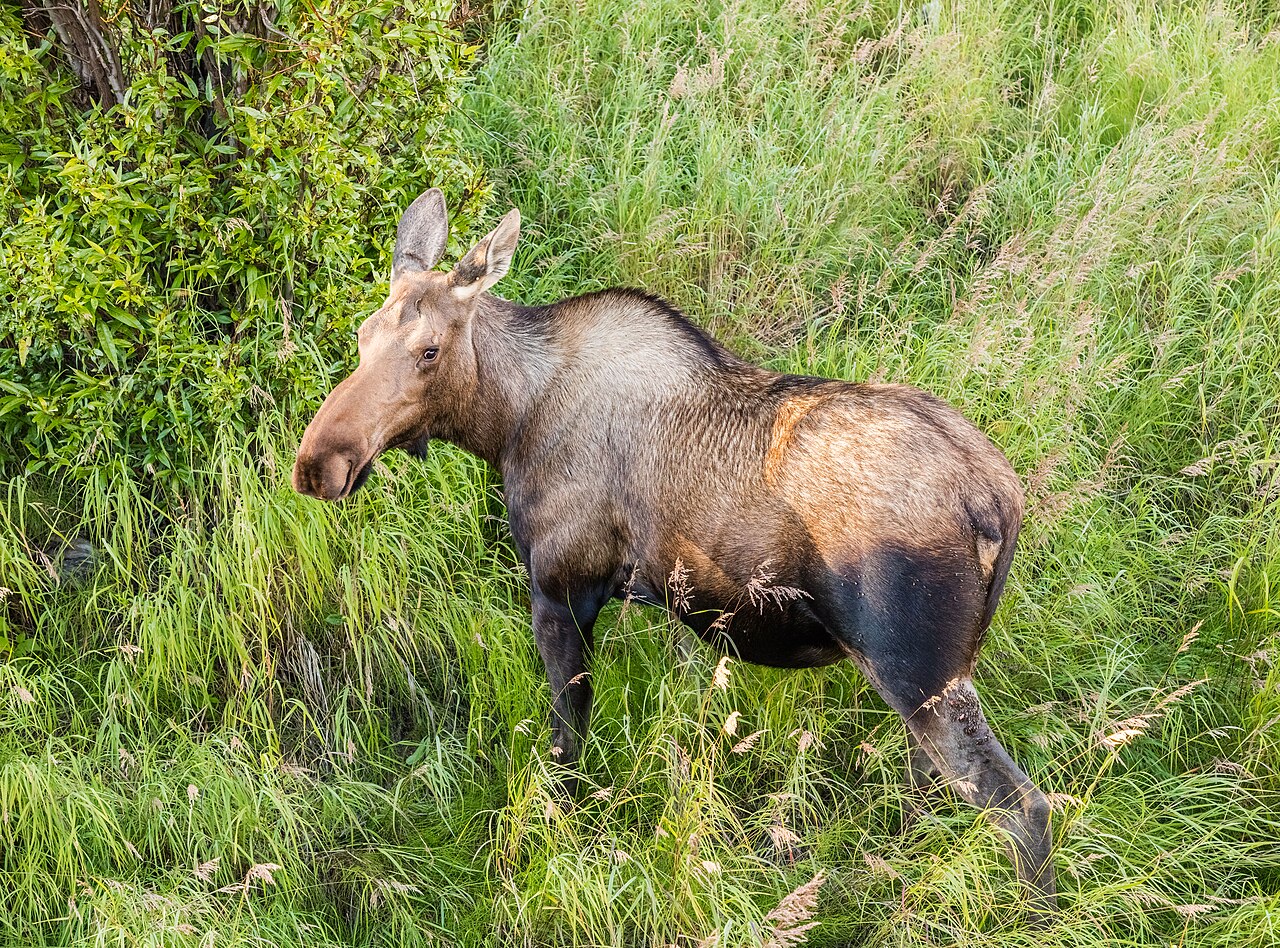
Arctic Moose Follow the River Valleys
GPS tracking in Alaska showed that half of 24 female moose migrated between summer and winter ranges. Migrants…
Read story →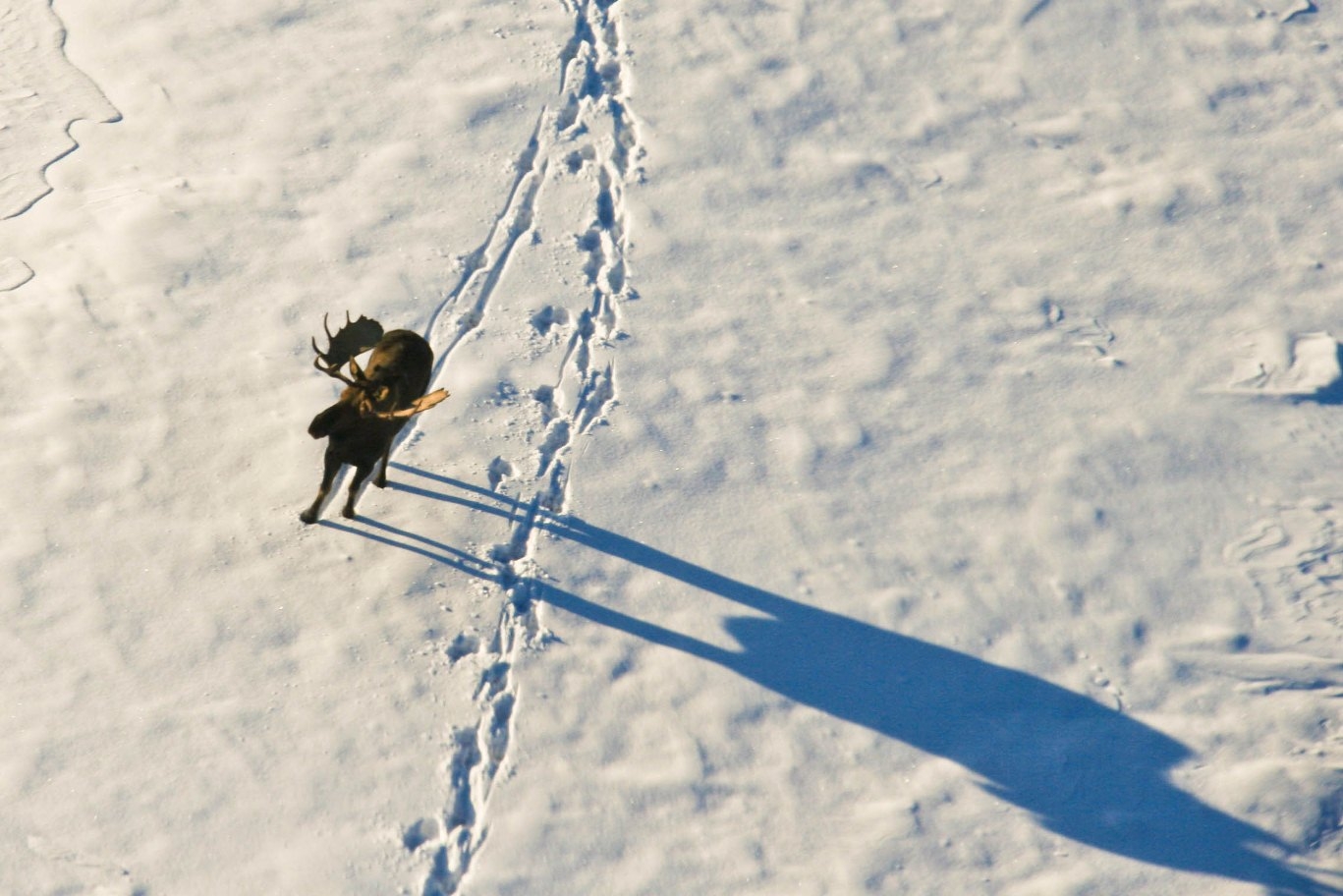
Thermal Drones Found Nearly All Moose in Favourable Winter Weather
Swedish trials found detection close to 100% in cold, overcast winter conditions, but the survey effort needed for…
Read story →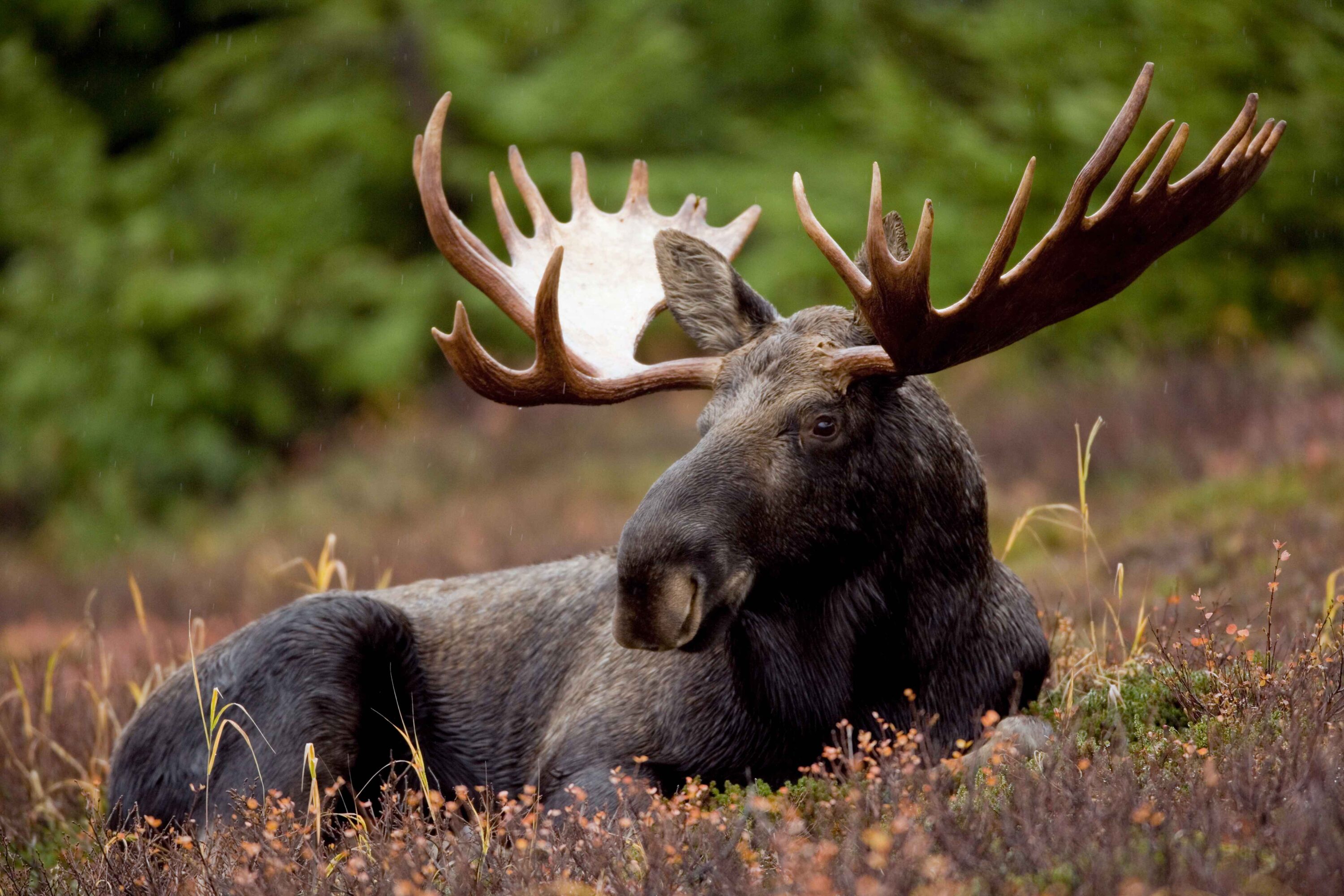
Even Adirondack Park’s Densest Moose Area Was Too Sparse for Precise Aerial Estimates
Helicopter surveys estimated about 92 moose in the Adirondack core in 2024 and 112 in 2025, but broad…
Read story →SPECIES IN THIS STORY
Species in this story
Independent research and conservation news archive
Did you find this information useful?
Wildlife Vagabond is independently built and maintained. Voluntary support helps cover source verification, hosting and continued work on research and conservation news.
Support Wildlife VagabondThe news archive will remain freely available.