
Six ITHCP Projects Combine Habitat Protection, Coexistence and Livelihoods Across Asian Tiger Landscapes
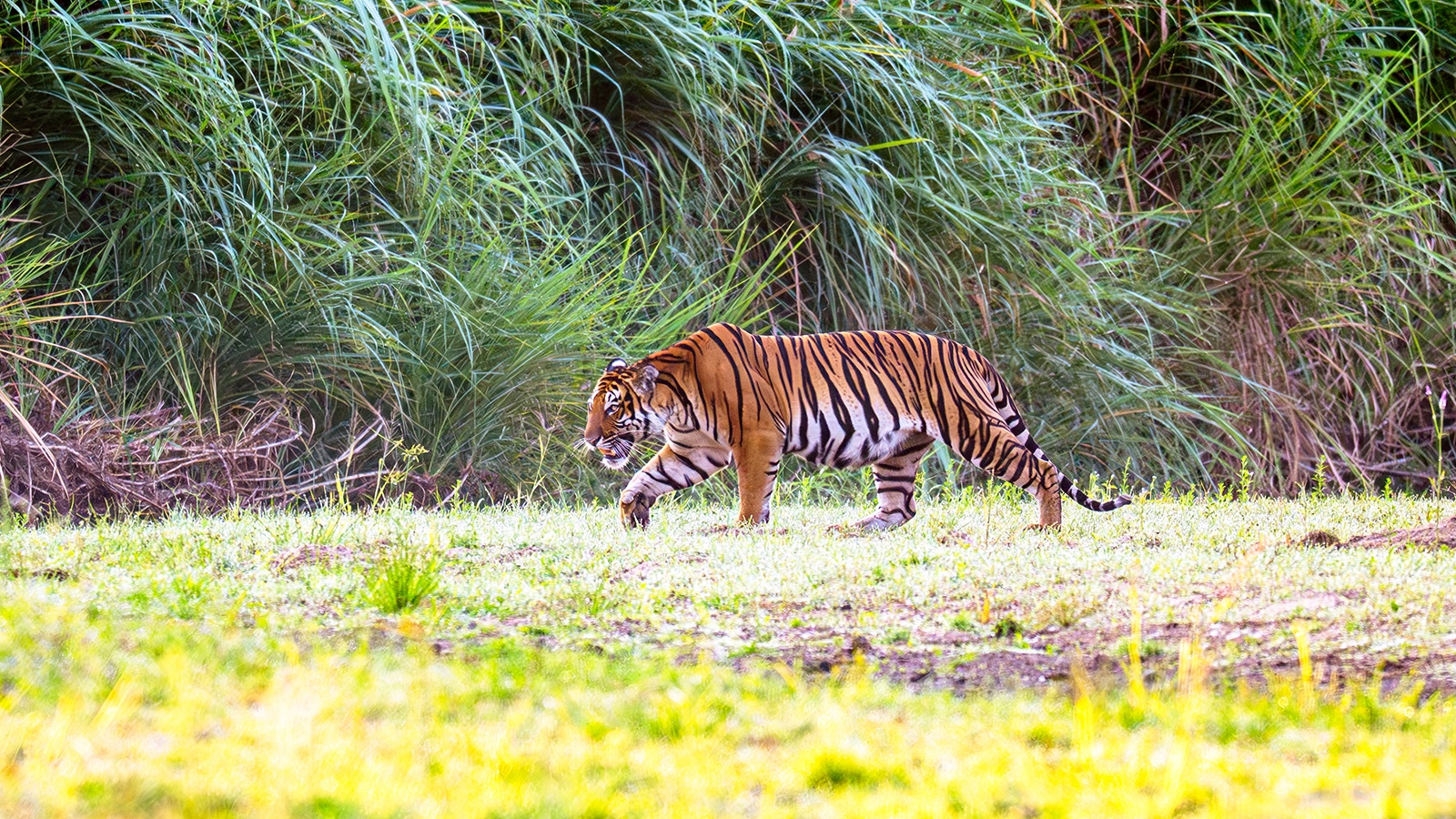
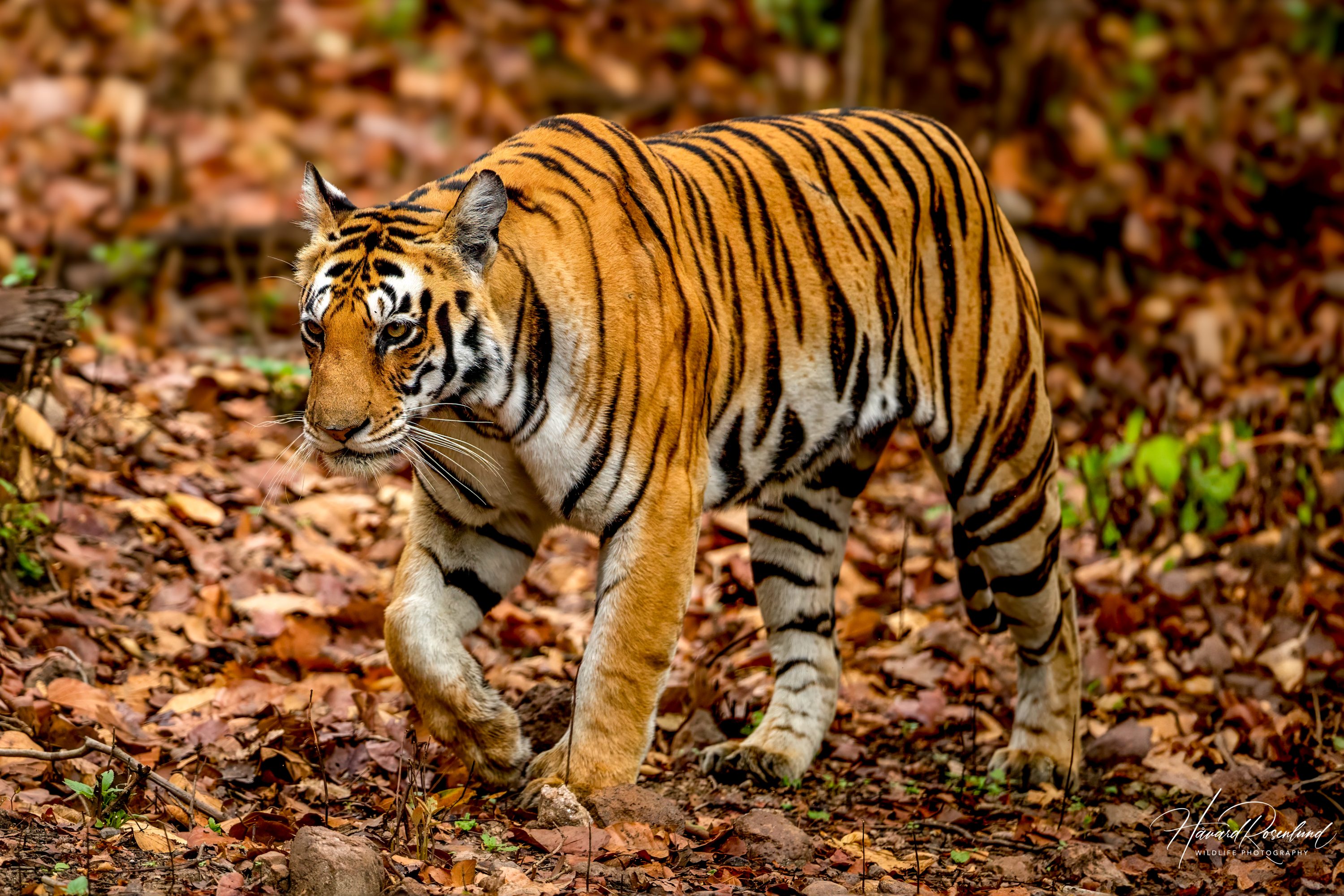
Six landscape-scale projects supported by IUCN’s Integrated Tiger Habitat Conservation Programme are implementing conservation measures across priority habitats in Indonesia, Thailand, India, Nepal and Bangladesh. IUCN described the Phase IV projects on 28 April 2026, with the programme running from 2025 to 2028. Five of the projects directly address tiger (Panthera tigris) landscapes, while a sixth focuses on other big cats and wider ecosystem recovery in the Chittagong–Lushai landscape.
Two projects in Sumatra
In southern Sumatra, Wildlife Conservation Society Indonesia is working with Bukit Barisan Selatan National Park authorities and around 900 coffee farmers across a landscape of more than 170,000 hectares. Improved patrol systems are being used to protect core tiger habitat, while agroforestry in buffer zones is intended to retain tree cover, improve local incomes and reduce pressure on the forest.
A second Indonesian project covers the Berbak–Sembilang landscape, where peat swamp, mangrove and lowland forest support a small tiger population. Restoration of degraded areas, fire prevention and anti-poaching work are being combined with social forestry and small enterprises in 12 villages, giving local communities a direct role in managing the landscape.
Corridors between India and Nepal
In the Terai Arc shared by India and Nepal, one project is working in the Kamdi–Suhelwa corridor on habitat restoration, human–carnivore conflict and more sustainable use of natural resources. Monitoring of tigers and prey is used to guide the work. In the Khata–Basanta–Dudhwa complex, cross-border cooperation, anti-poaching, conflict support and targeted habitat management are being applied across nearly 6,000 km² to maintain ecological corridors used by tigers and other wildlife.
Thailand and the Chittagong–Lushai landscape
In Thailand’s Western Forest Complex, Panthera and WWF Thailand are working across more than 1.2 million hectares outside and around core protected areas. Measures include improved livestock management, stronger protected-area management and wildlife-friendly livelihoods, with the aim of creating conditions in which tiger populations can stabilise and expand across a wider landscape.
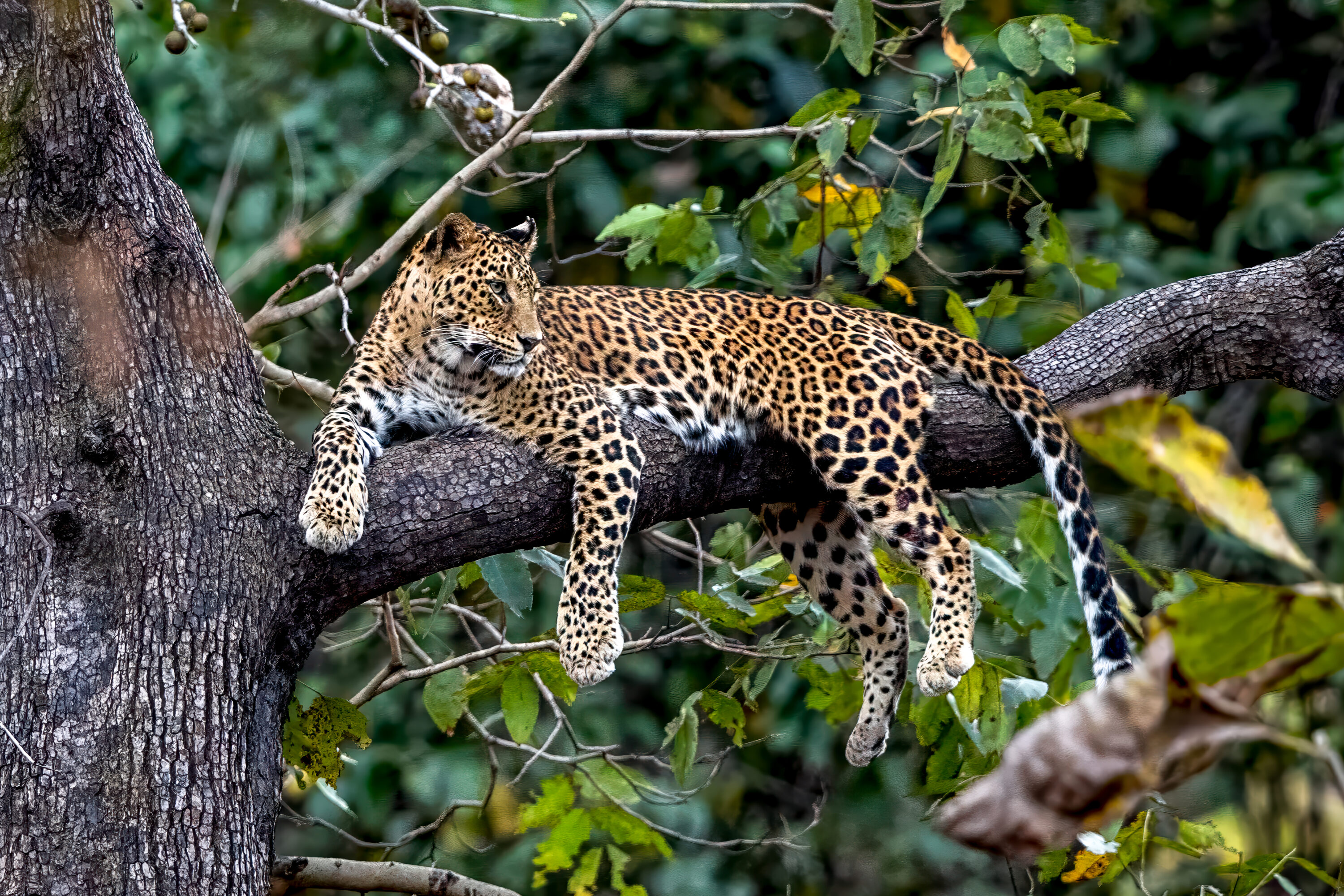
The sixth Phase IV project described by IUCN is centred on the Chittagong–Lushai transboundary landscape of Bangladesh and India and is primarily focused on leopards (Panthera pardus), clouded leopards (Neofelis nebulosa) and ecosystem recovery rather than tigers. It combines scientific monitoring, restoration, community initiatives and cross-border coordination.
Habitat protection
Related news
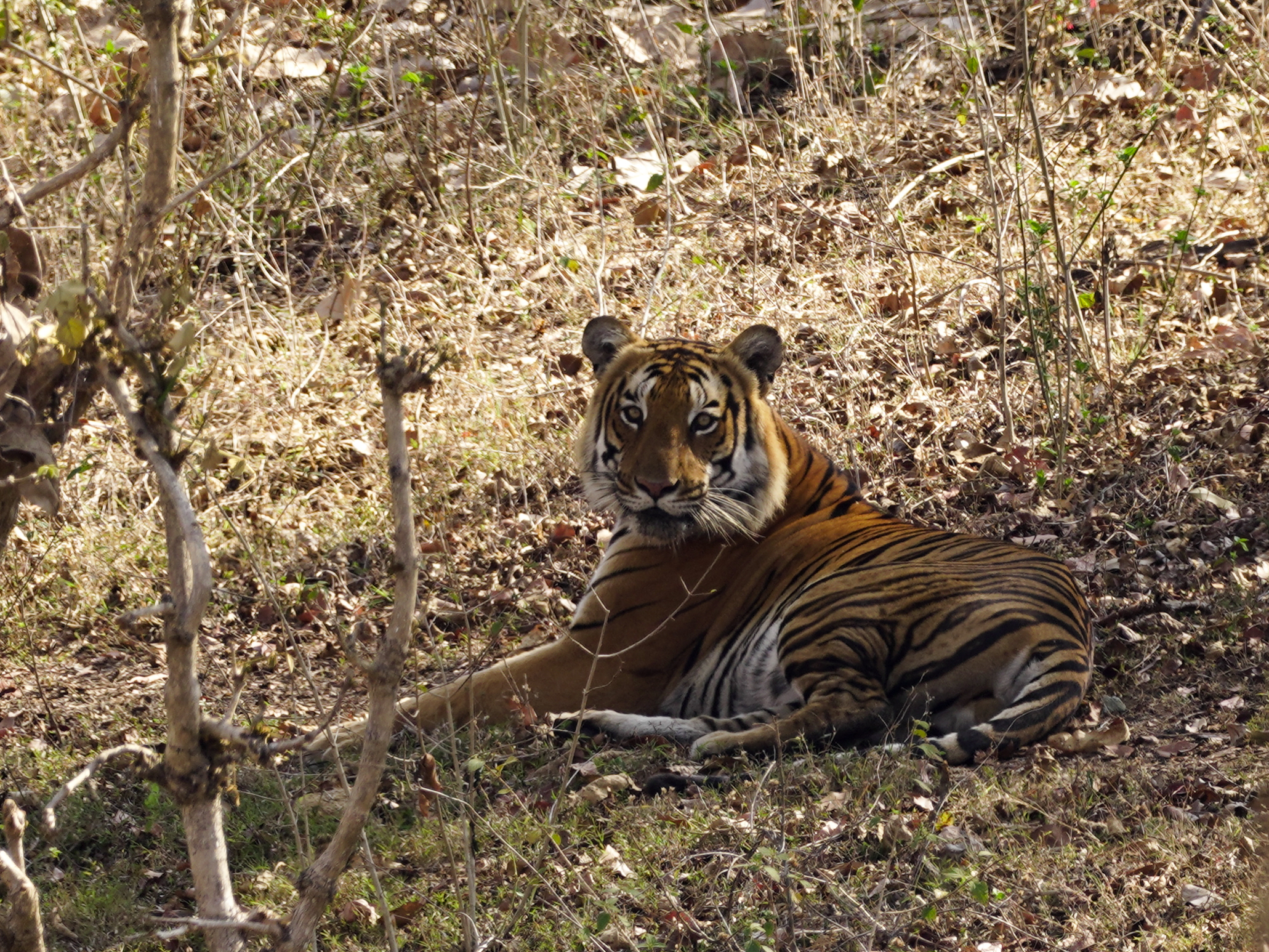
Key Movement Bottlenecks for Five Large Mammals Lay Outside Protected Areas in Tamil Nadu
A 2026 study of tiger, leopard, dhole, Asian elephant and gaur identified modelled movement bottlenecks outside protected areas,…
Read story →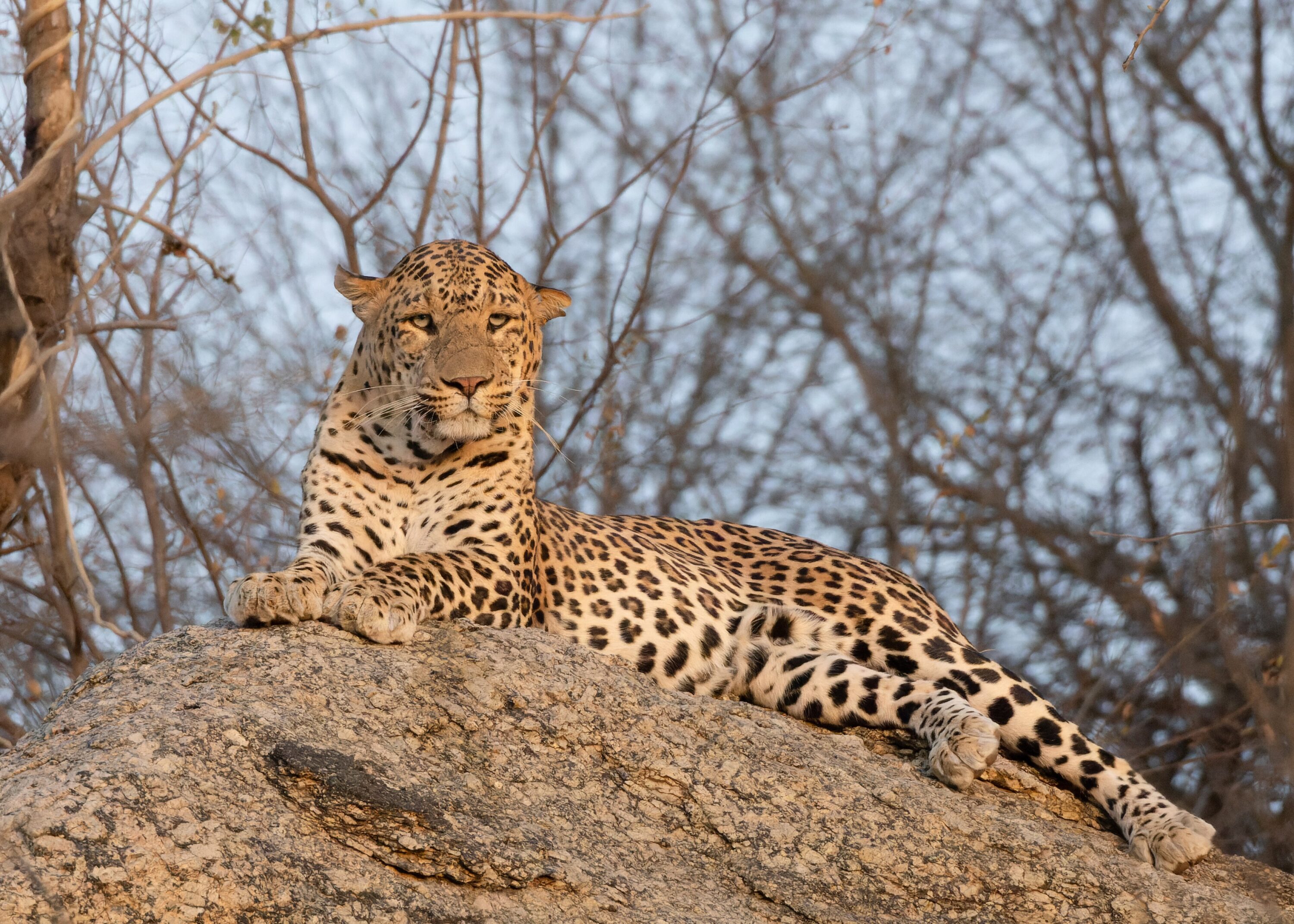
Habitat and Prey Were More Strongly Linked to Leopard Persistence Than Tiger Suppression in Bhutan
Bhutan's first nationwide leopard-density analysis estimated 1.02 leopards per 100 km², while repeated surveys showed that habitat and…
Read story →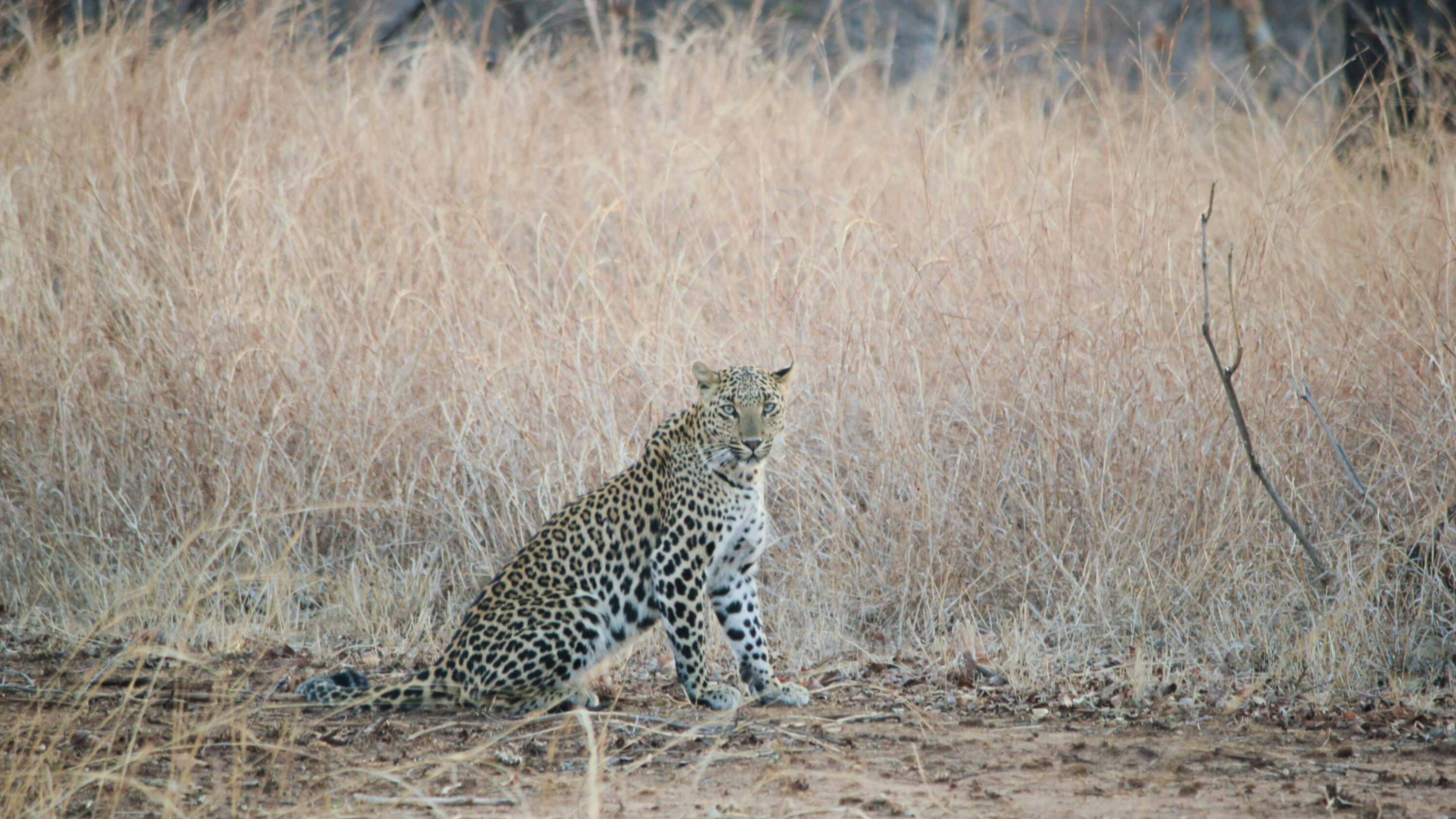
Settlement Proximity Was the Strongest Model Predictor of Tiger and Leopard Livestock Depredation in Panna
A spatial study around Panna Tiger Reserve found settlement distance was the strongest MaxEnt predictor for both tiger…
Read story →SPECIES IN THIS STORY
Species in this story
Independent research and conservation news archive
Did you find this information useful?
Wildlife Vagabond is independently built and maintained. Voluntary support helps cover source verification, hosting and continued work on research and conservation news.
Support Wildlife VagabondThe news archive will remain freely available.