
Habitat and Prey Were More Strongly Linked to Leopard Persistence Than Tiger Suppression in Bhutan
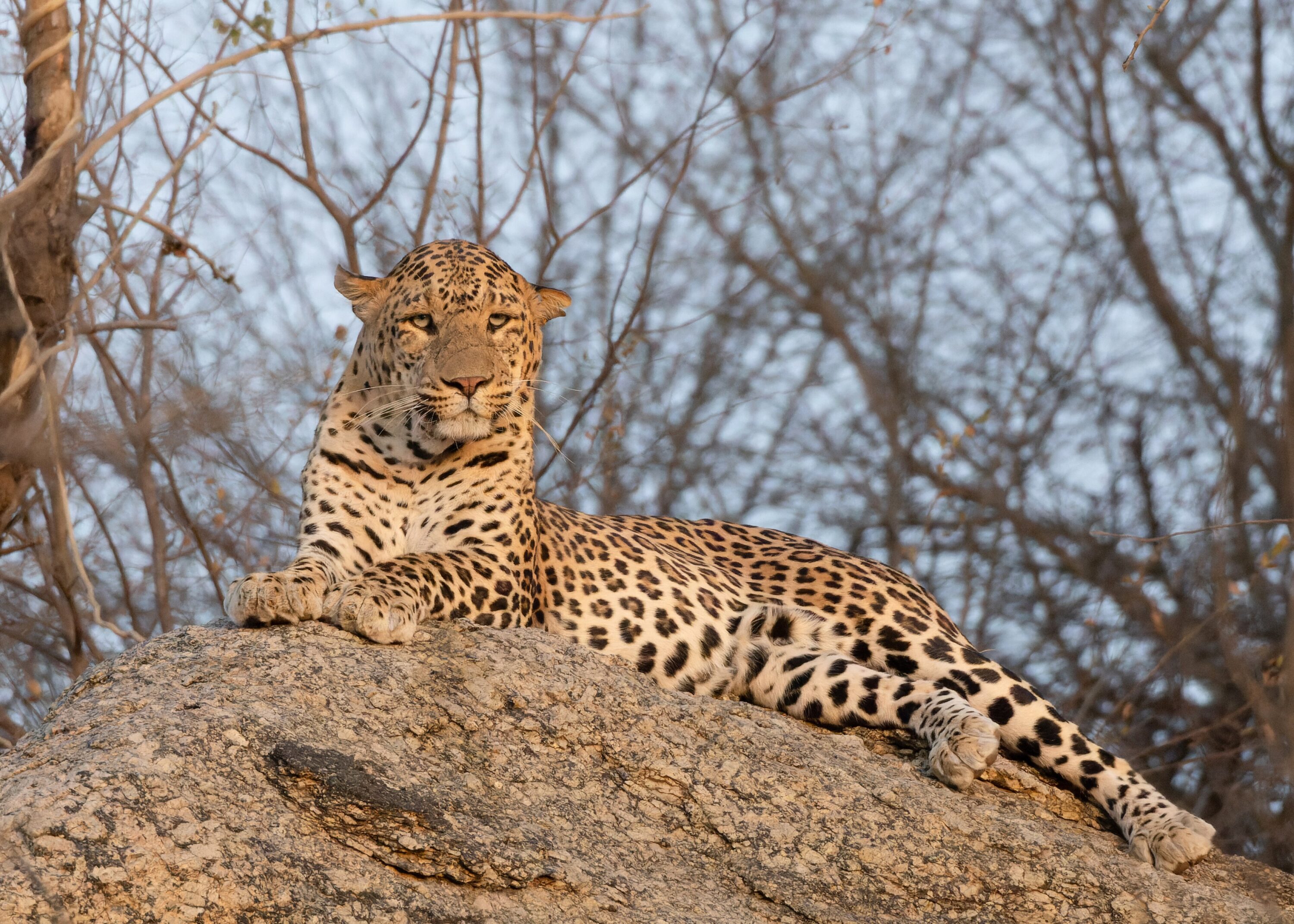
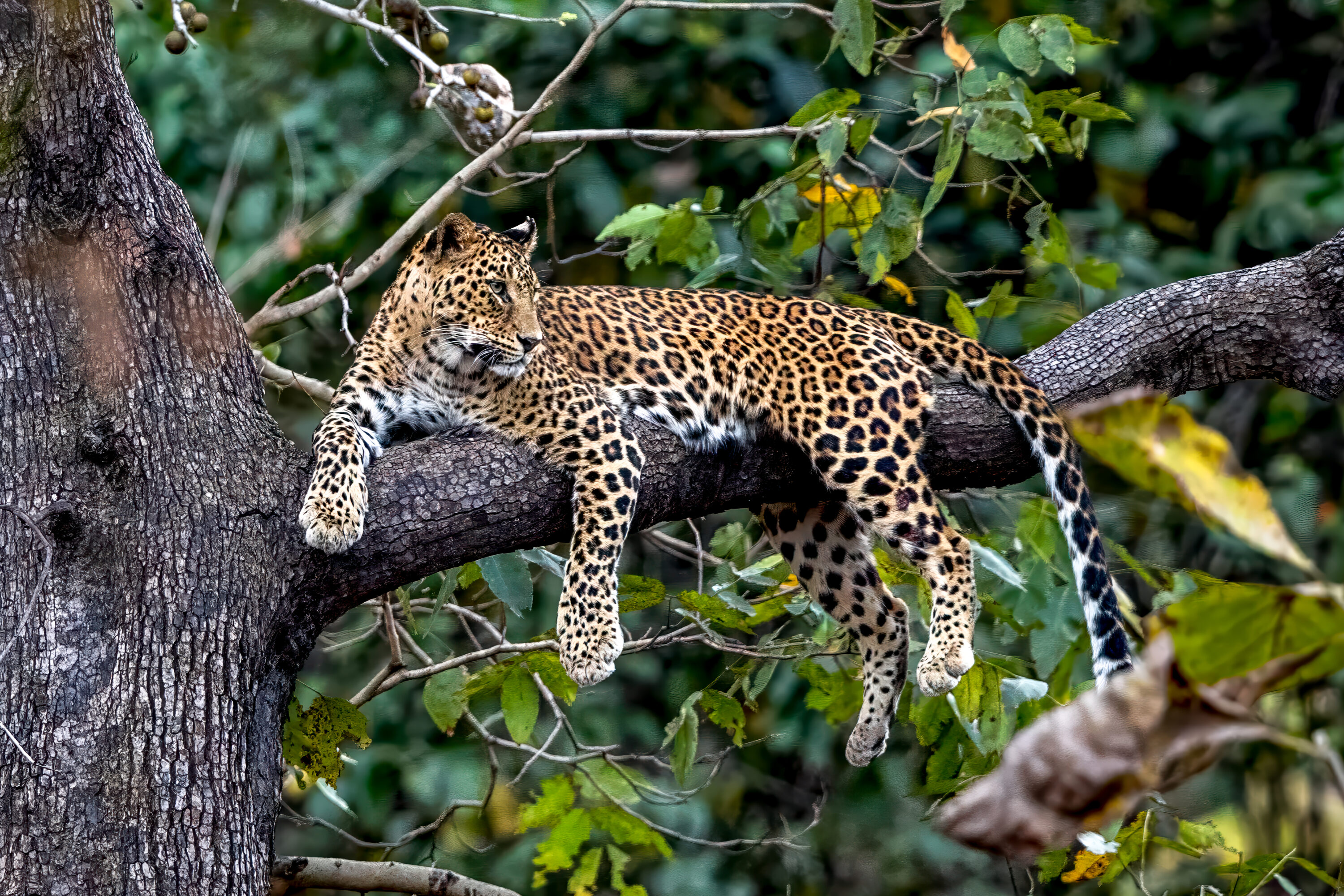
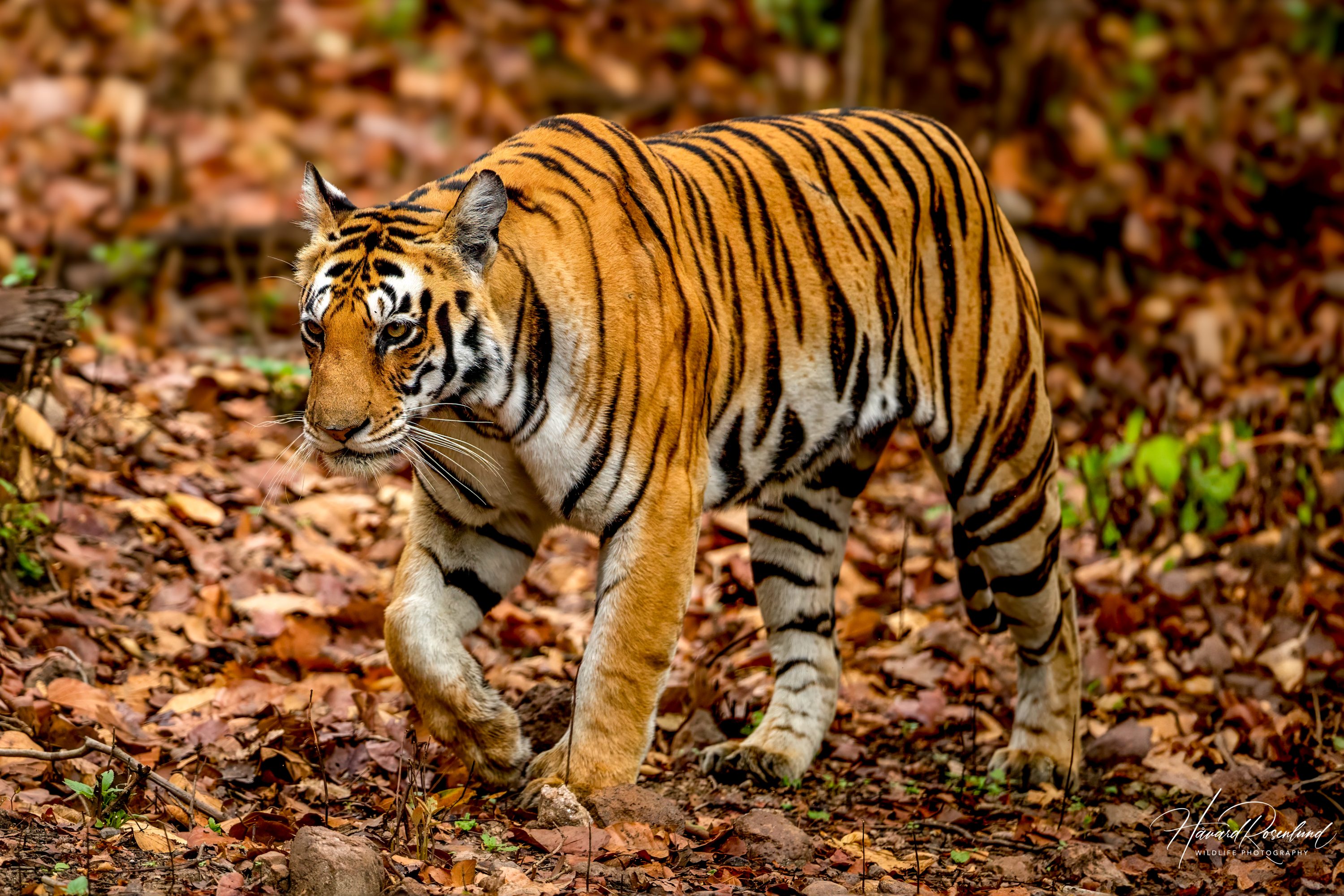
A nationwide camera-trap study in Bhutan found that leopard (Panthera pardus fusca) persistence was structured more strongly by habitat and prey conditions than by broad suppression from tigers (Panthera tigris). The study combined national tiger surveys from 2014–2015 and 2021–2022 to examine leopard density, changes in site use and daily activity.
For the 2021–2022 density analysis, 1,188 functioning camera stations produced 91,498 trap-days. Researchers obtained 9,132 leopard photographs, representing 557 independent detections of 243 individually identified leopards. A spatial capture–recapture model estimated a mean density of 1.02 leopards per 100 km² across the analysed area, corresponding to roughly 319 leopards.
Habitat variables were the clearest predictors of leopard density
Leopard density declined with increasing elevation, stream density and tree cover. Density was highest in parts of south-central, southeastern and northeastern Bhutan and lower in much of the west.
The negative tree-cover relationship was opposite to the researchers’ expectation that denser cover would provide concealment and hunting opportunities. Their tree-cover layer only measured vegetation taller than five metres, however, so it did not capture shrubs and other low vegetation that leopards may use. The authors also suggest that dense stream networks in Bhutan’s steep monsoon landscape may create physical barriers to movement, but this mechanism was not tested directly.
Prey count appeared in some of the best density models, but its direct effect on density was uncertain. Interactions involving tiger density, prey and housing density were also weak and uncertain, so the density analysis did not show a simple direct relationship in which more prey or fewer tigers automatically produced more leopards.
More prey was linked to lower local extinction
The repeated national surveys allowed the researchers to ask a different question: whether 5 × 5 km grid cells continued to be used between 2014–2015 and 2021–2022. In this dynamic occupancy analysis, “local extinction” meant that a grid cell used in the first survey period was no longer used in the second; it did not mean that the species had disappeared from a wider region.
Local extinction probability declined as detections of major prey increased. The prey index combined barking deer (Muntiacus muntjak), sambar (Rusa unicolor) and wild pig (Sus scrofa). Areas with more of these prey were more likely to remain in use by both leopards and tigers through time.
This prey index was deliberately coarse. It omitted smaller leopard prey such as rodents, lagomorphs and primates, so it represents shared large-prey availability rather than the full diet available to either predator.
Leopards showed little broad avoidance of tigers
In the two-species models, leopard site use was slightly higher where tigers were present than where they were absent, but the uncertainty around the two estimates overlapped substantially. Both species also used lower-elevation areas more strongly and showed reduced site use as stream density increased.
The cats did not separate strongly in time. Their daily activity patterns overlapped heavily, with no clear difference in leopard activity between areas of high and low tiger density. This provides little evidence for broad temporal avoidance of tigers at the national scale examined.
The study also found only weak and uncertain support for a “human shield” effect, in which leopards might use human-dominated areas to reduce encounters with tigers. The data therefore do not support a simple picture of leopards being pushed broadly away from tigers or consistently seeking people as refuge from them.
Bottom-up conditions outweighed broad top-down suppression
In ecological terms, bottom-up forces are resources and habitat conditions that support a population, such as prey and usable habitat. Top-down forces include pressure from a dominant competitor or predator — here, the tiger. Across the scales analysed in Bhutan, the bottom-up factors were more important for leopard persistence than broad tiger suppression.
This does not mean tigers never affect leopards locally. The study was designed to detect nationwide patterns, and competitive interactions can still occur at finer spatial scales. The authors therefore argue that leopard conservation in tiger landscapes should maintain connected, functional habitat and strong prey populations rather than assume that increasing tiger numbers will necessarily displace leopards. Tiger-focused protection and anti-poaching efforts may also benefit leopards when they maintain the same habitat and prey base.
Ecology
Related news
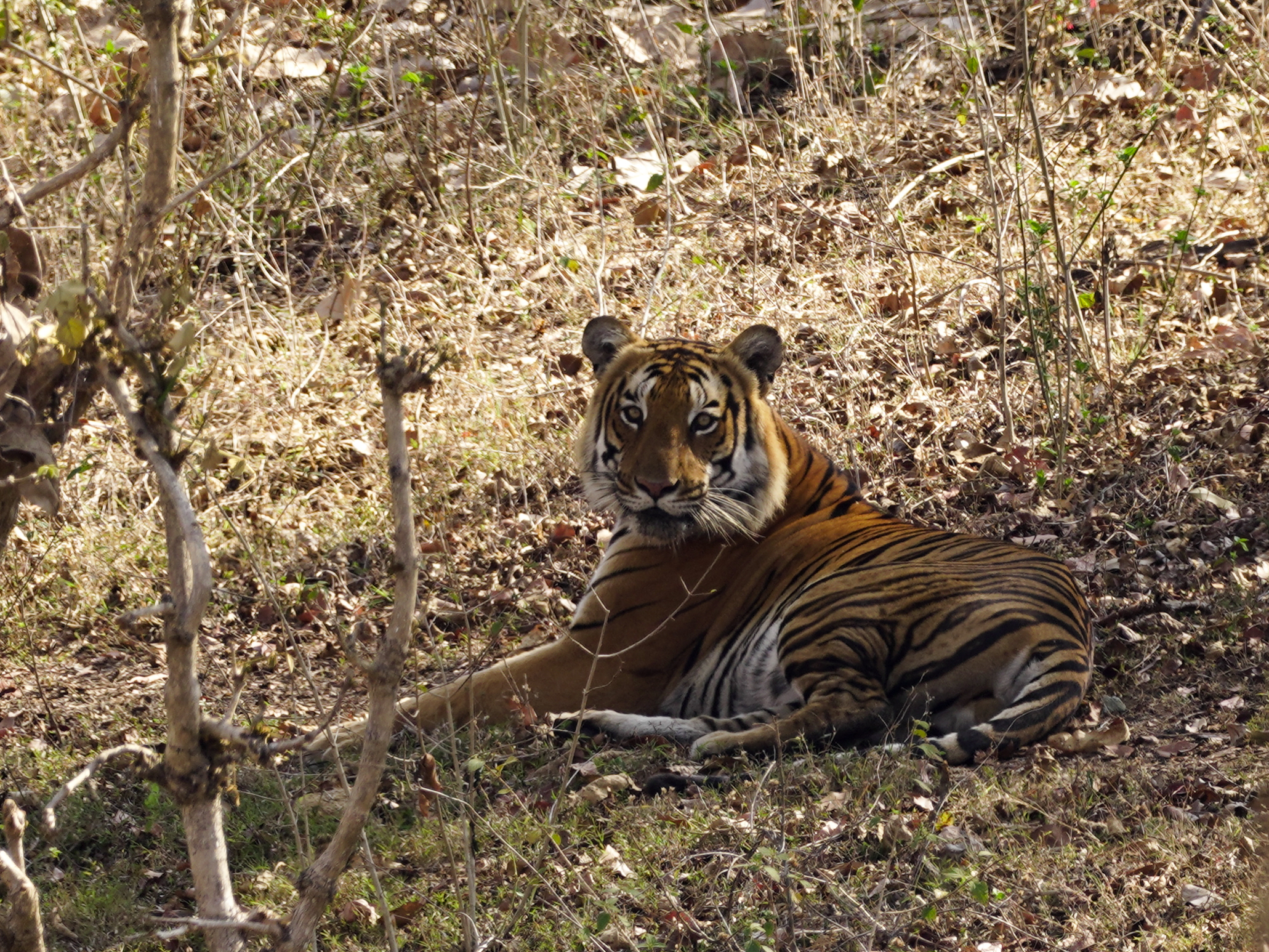
Key Movement Bottlenecks for Five Large Mammals Lay Outside Protected Areas in Tamil Nadu
A 2026 study of tiger, leopard, dhole, Asian elephant and gaur identified modelled movement bottlenecks outside protected areas,…
Read story →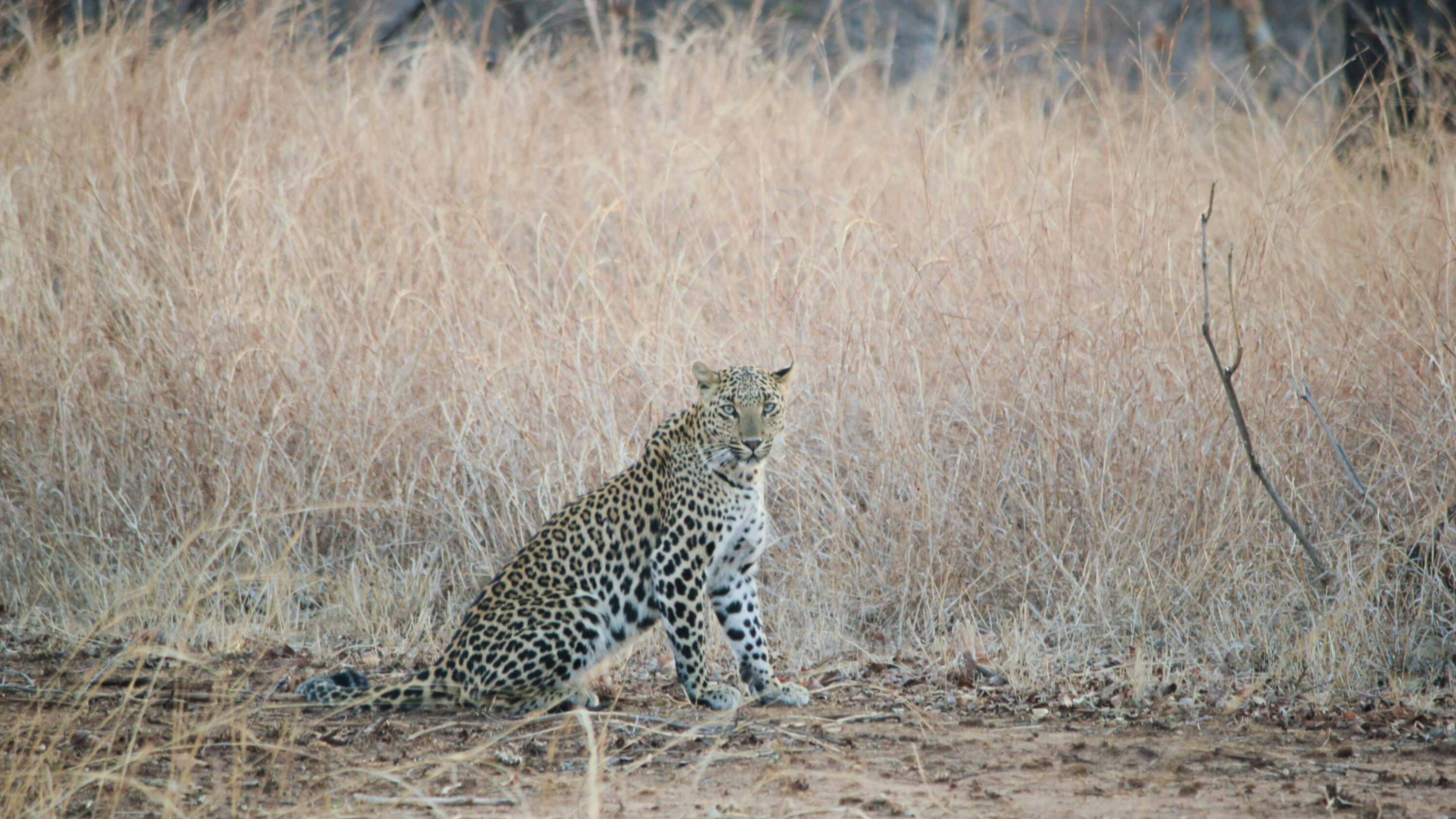
Settlement Proximity Was the Strongest Model Predictor of Tiger and Leopard Livestock Depredation in Panna
A spatial study around Panna Tiger Reserve found settlement distance was the strongest MaxEnt predictor for both tiger…
Read story →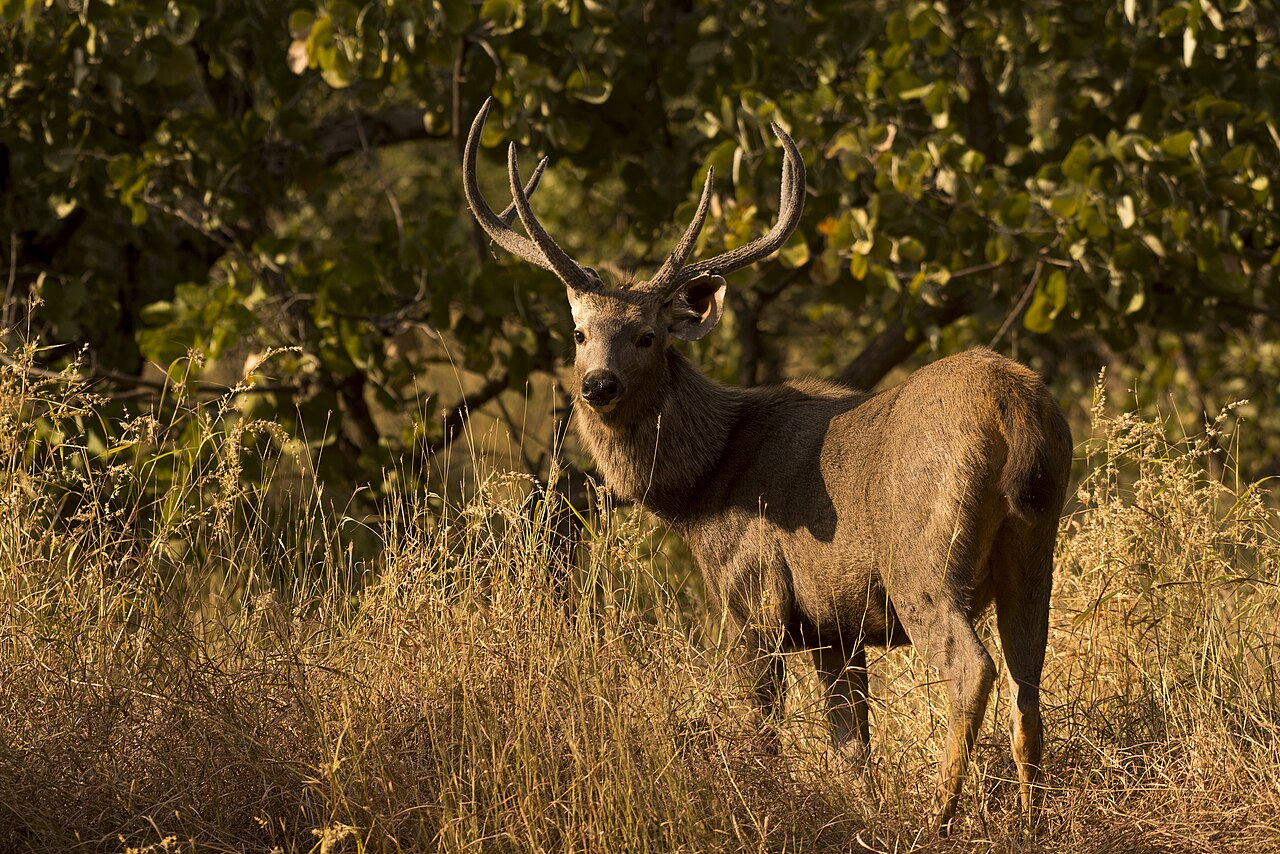
Nine Indian species could anchor protection for biodiversity and carbon
A national analysis identifies nine threatened Indian vertebrates whose habitat could act as an anchor for protecting hundreds…
Read story →SPECIES IN THIS STORY
Species in this story
Independent research and conservation news archive
Did you find this information useful?
Wildlife Vagabond is independently built and maintained. Voluntary support helps cover source verification, hosting and continued work on research and conservation news.
Support Wildlife VagabondThe news archive will remain freely available.