
Mourning-dove egg survival was much lower in rural Kansas than in urban and managed areas
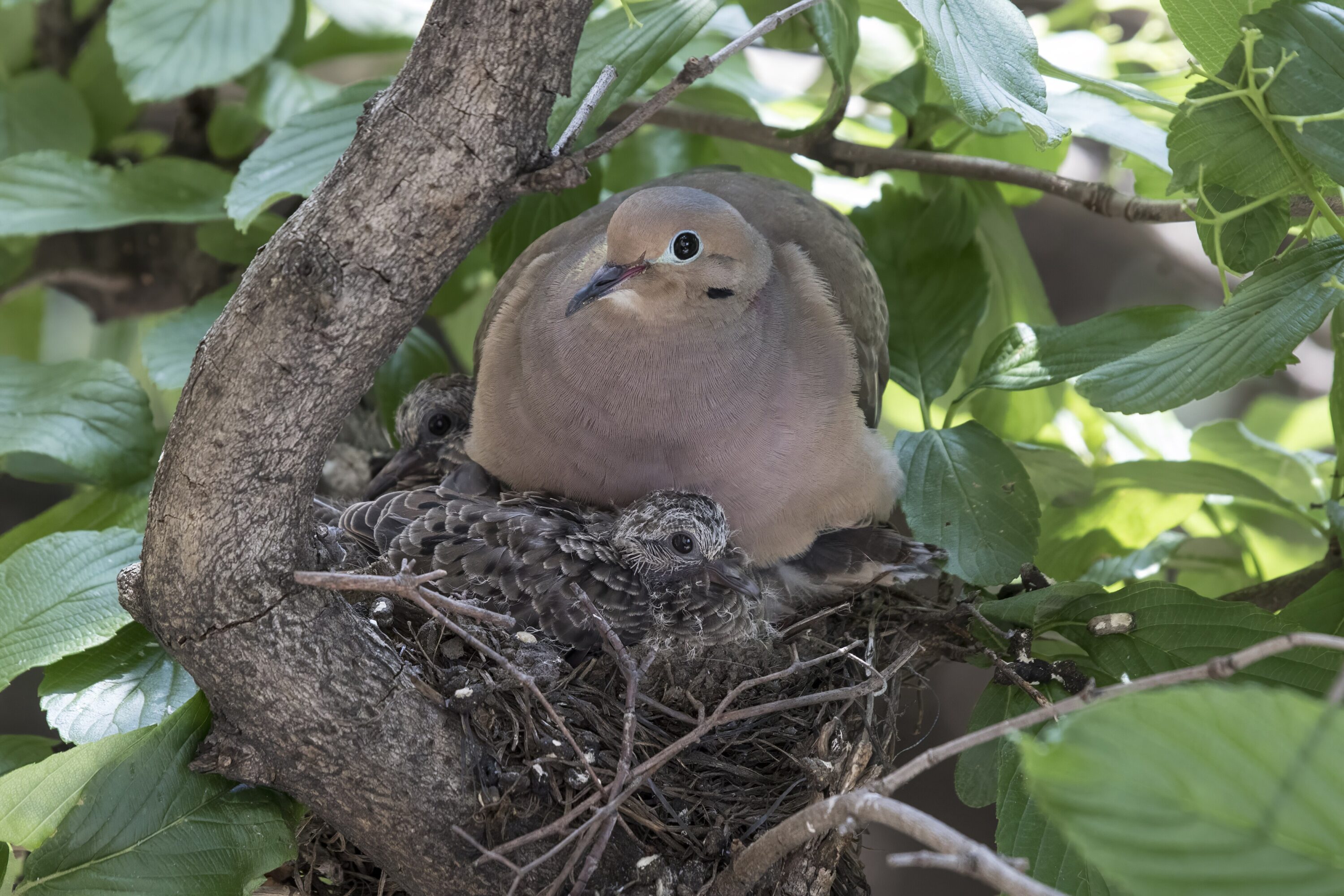
A new Kansas, USA study shows that mourning-dove survival, nesting success and space use can differ sharply within a single state. Natalie Frances Pegg examined these differences across ecological and land-use gradients to improve understanding of recruitment and population dynamics at the scales where management occurs.
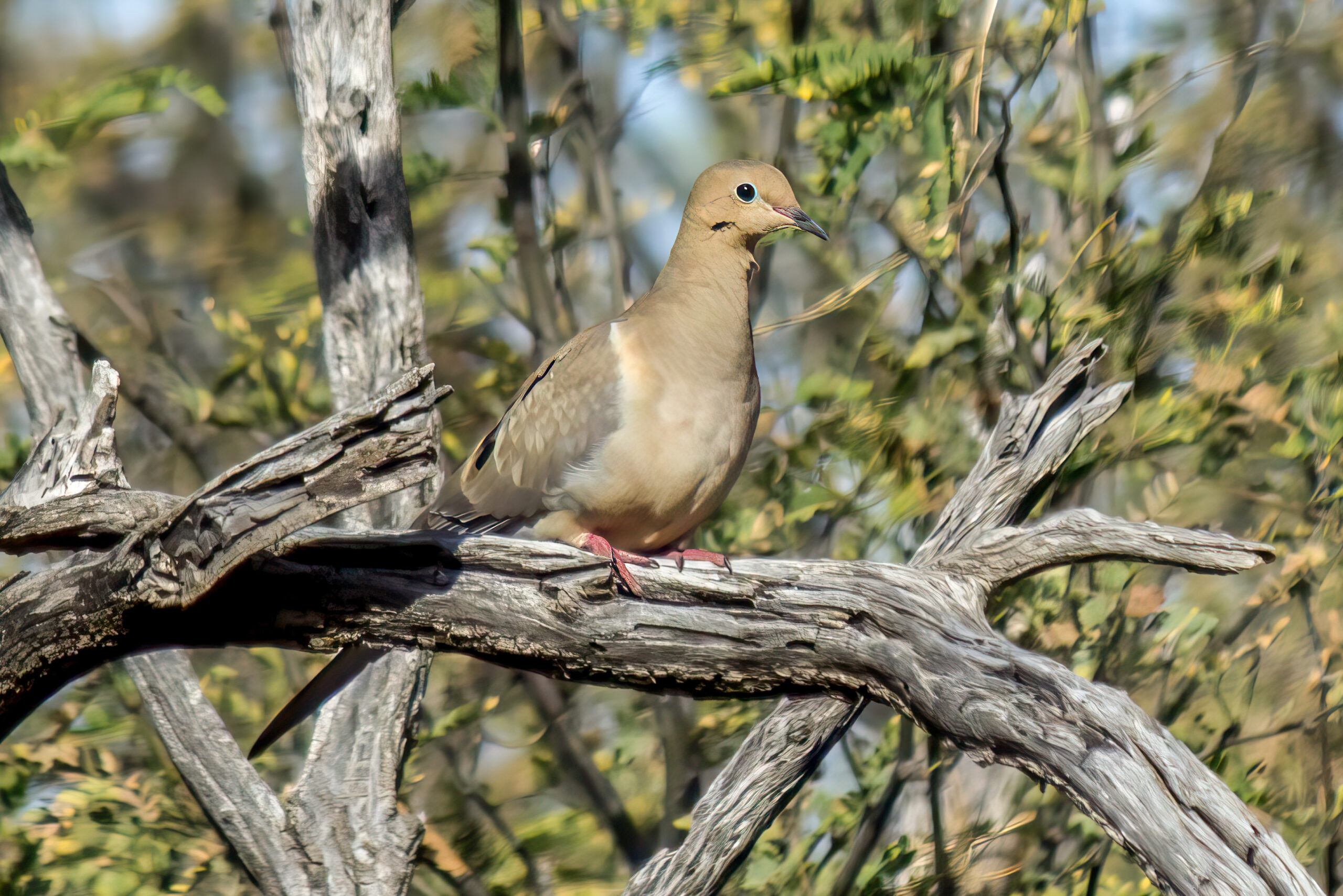
The mourning dove (Zenaida macroura) is one of North America’s most abundant gamebirds. Its populations are managed at broad regional scales, but many practical decisions are made locally. Contemporary information on reproduction and survival at those smaller scales has been limited.
Natalie Frances Pegg addressed that gap in a doctoral dissertation defended at Kansas State University on 1 May 2026. The research combined nest monitoring, radio telemetry and two decades of band-recovery data to examine movements, space use and vital rates across Kansas.
The field component ran from 2023 through 2025 at four locations representing three Bird Conservation Regions. Sites also represented urban areas, rural landscapes and wildlife management areas, allowing the same species to be studied across pronounced differences in climate, vegetation, development and management.
Egg-stage survival clearly separated rural sites
The low estimated egg-stage survival in rural landscapes was the clearest difference among the three land-use types. The 28% estimate was less precise than the estimates from the other areas, but the analysis still supported effects of study location, land-use treatment and timing within the breeding season.
After hatching, the pattern changed. Nestling-stage survival varied mainly among years and was highest in 2024, when estimated survival through that stage was about 99%. The study therefore did not find the same simple urban–rural–wildlife-area ranking once chicks had hatched.
Nest placement did not provide a simple explanation either. Mourning doves selected trees with larger trunk diameters than those generally available, but the features they selected were not necessarily associated with higher nest survival.
Radio tracking revealed mainly local differences
Radio tracking showed substantial variation among individuals and locations, but not an equally clear separation among the three land-use types. Among birds with enough locations for home-range estimates, the average home range was about 71 hectares, with an average core area — the part used most intensively — of about 16 hectares. Urban land cover accounted for a large share of detections overall, but the most-used land-cover type differed among study locations.
Radio tracking also showed differences in apparent survival among locations, but not a simple pattern in which urban areas, rural landscapes or wildlife management areas consistently performed best or worst. Because apparent survival combines true mortality with permanent departure from the study area, these local differences cannot be read simply as differences in death rate.
Long-term data showed a different urban–rural contrast
The third part of the dissertation used banding and dead-recovery data from 2003 to 2023. Regional differences were strongest among hatch-year birds: estimated annual survival declined from about 52% in Bird Conservation Region 18 to 31% in Region 22.
A clear urban–rural contrast also emerged. Among hatch-year birds, those banded in urban areas had 51% lower estimated annual survival and 40% higher recovery rates than birds banded in rural areas. Recovery rate describes how often banded birds were later recovered dead and reported.
The study therefore does not provide one simple answer about which landscape is best for mourning doves. Rural sites stood out negatively during the egg stage, whereas nestling survival varied mainly by year. Radio tracking revealed strong local variation, while the long-term banding data showed lower annual survival among urban-banded young birds than among rural-banded young. The main biological result is that different parts of the life cycle respond differently to landscape and region.
Ecology
Related news
U.S. Assessment Estimates 329 Million Mourning Doves
A federal assessment estimates about 329 million mourning doves in the United States. The western abundance estimate fell…
Read story →
Texas Will Open South-Zone Mourning-Dove Season on September 1 for First Time in Over a Century
For the first time in more than a century, Texas will open mourning-dove hunting in its South Zone…
Read story →
Mourning Dove Abundance in Pennsylvania Was Linked to Both West Nile Virus and Heat
Across 101 Pennsylvania Breeding Bird Survey routes, mourning dove was one of six species with abundance effects associated…
Read story →SPECIES IN THIS STORY
Species in this story
Independent research and conservation news archive
Did you find this information useful?
Wildlife Vagabond is independently built and maintained. Voluntary support helps cover source verification, hosting and continued work on research and conservation news.
Support Wildlife VagabondThe news archive will remain freely available.