
Begging Gestures Appeared in 77–100% of Food Trials but None of the Controls
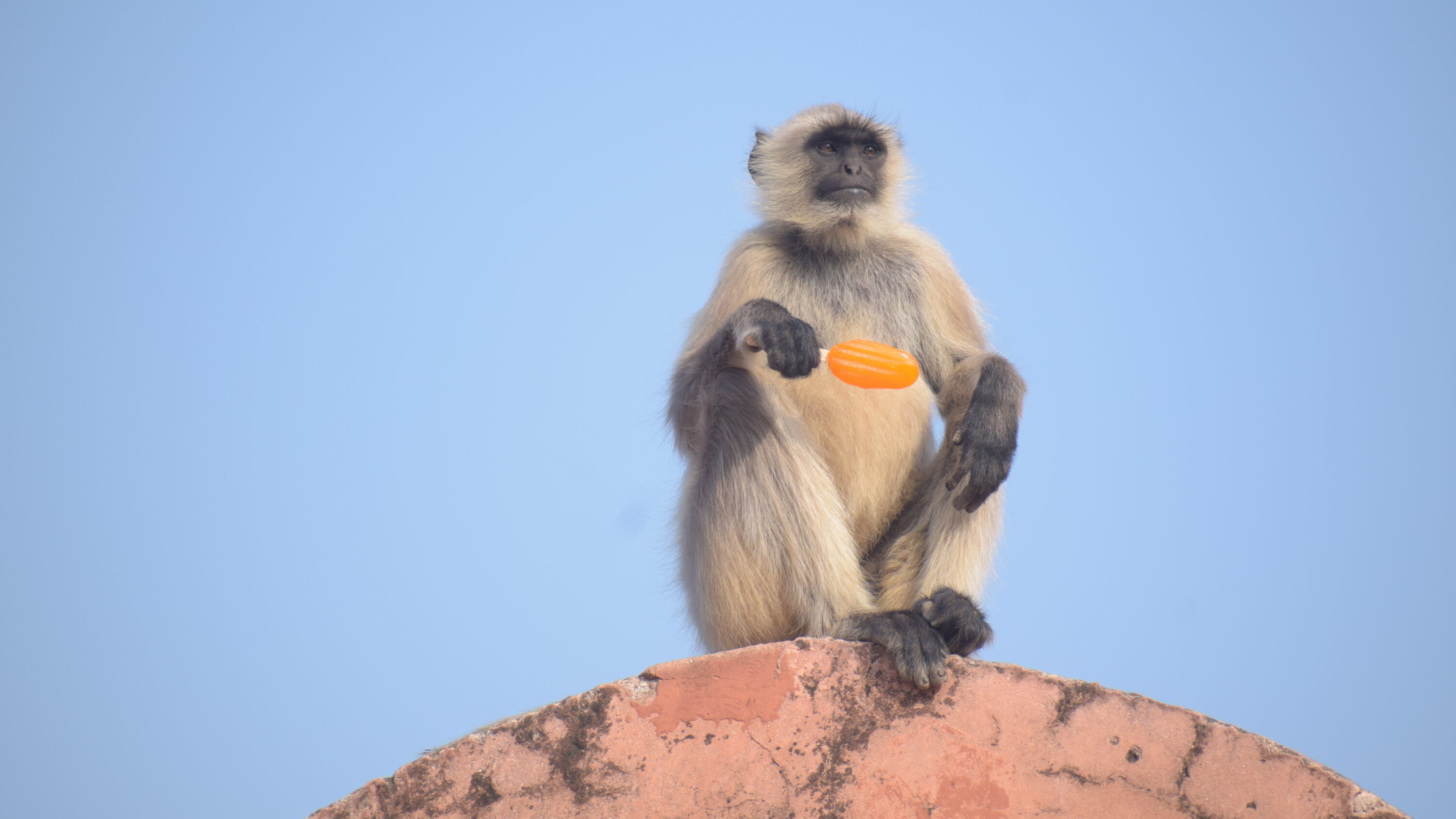
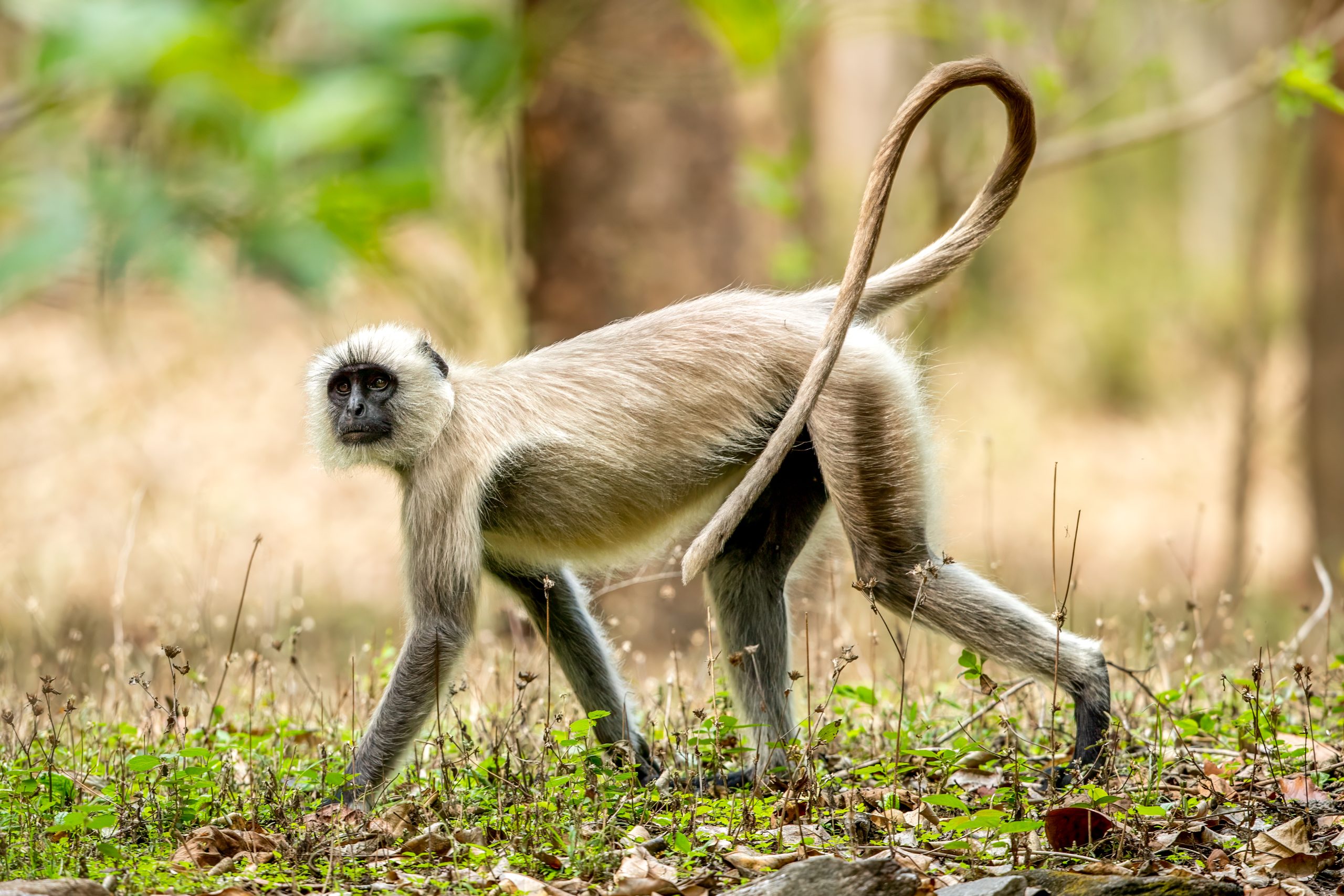
A preprint posted on arXiv in June 2026, which has not yet undergone peer review, reports strong differences in human-directed behaviour when free-ranging northern plains grey langurs (Semnopithecus entellus) were shown food rather than an empty hand. Across six sites in southern West Bengal, India, begging gestures occurred in 76.7–100% of food trials and in none of the control trials. The study asks whether these gestures meet behavioural criteria for first-order intentionality: voluntary signalling in pursuit of a cognitively represented goal. Because an animal’s psychological state cannot be observed directly, researchers assess this through behavioural hallmarks such as audience checking, goal-directedness and flexible signal use.
The researchers conducted 360 trials with adult and subadult langurs: 180 experimental trials and 180 controls, with 30 of each at every site. In the experimental condition, a researcher visibly displayed a piece of bread for ten seconds, concealed it for ten seconds and delivered it if the langur produced a begging gesture. Control trials used the same arm movement and timing but an empty hand and no food.
The gestures changed with the goal and the recipient
Several behavioural measures changed consistently between the two conditions. Langurs looked at the experimenter before approaching in 100% of food trials at every site, compared with 63–73% of controls. This “audience checking” tests whether the animal monitors the intended recipient rather than simply reacting to an object. Approach responses occurred in 76.7–100% of food trials but only 0–3.3% of controls, while recipient-directed body orientation occurred in 80–100% of food trials and was absent from controls. Because the experimenter and raised-arm cue were present in both conditions, the authors argue that the near-absence of approaching and begging with an empty hand weighs against a simple learned response to the human or arm movement alone. When a langur begged and then received food, signalling stopped immediately in every recorded case — the expected “stopping rule” if obtaining food was the immediate goal of the signal.
The animals also used several different gestures to obtain the same outcome, with three or four gesture types recorded at individual sites and five gesture types across the full study. Using different signals for the same end goal is called means–ends dissociation and is treated as evidence that the signal form is not rigidly tied to a single response. The authors therefore interpret the combined pattern — audience checking, goal-directed approach, recipient orientation, flexible gesture use, selective production and stopping after food acquisition — as multiple behavioural hallmarks associated with first-order intentional communication.
Four classic intentionality tests remained unresolved
The study could not test four commonly used hallmarks. Response waiting and persistence after an unsuccessful signal would have required delaying or withholding food, which the researchers considered unsafe because frustrated free-ranging langurs could become aggressive. Gaze alternation between the food and experimenter could not be recorded reliably with the field camera setup, and elaboration — adding or changing a signal when the first one fails — would likewise have required deliberately frustrating the animals. Individual langurs also could not be identified reliably across all trials, so the same animal may have contributed to more than one trial. The analyses were therefore conducted at trial and site level rather than as repeated measurements from known individuals. These limitations mean the preprint demonstrates several, but not all, classic behavioural hallmarks used to infer first-order intentionality.
Behaviour
Related news
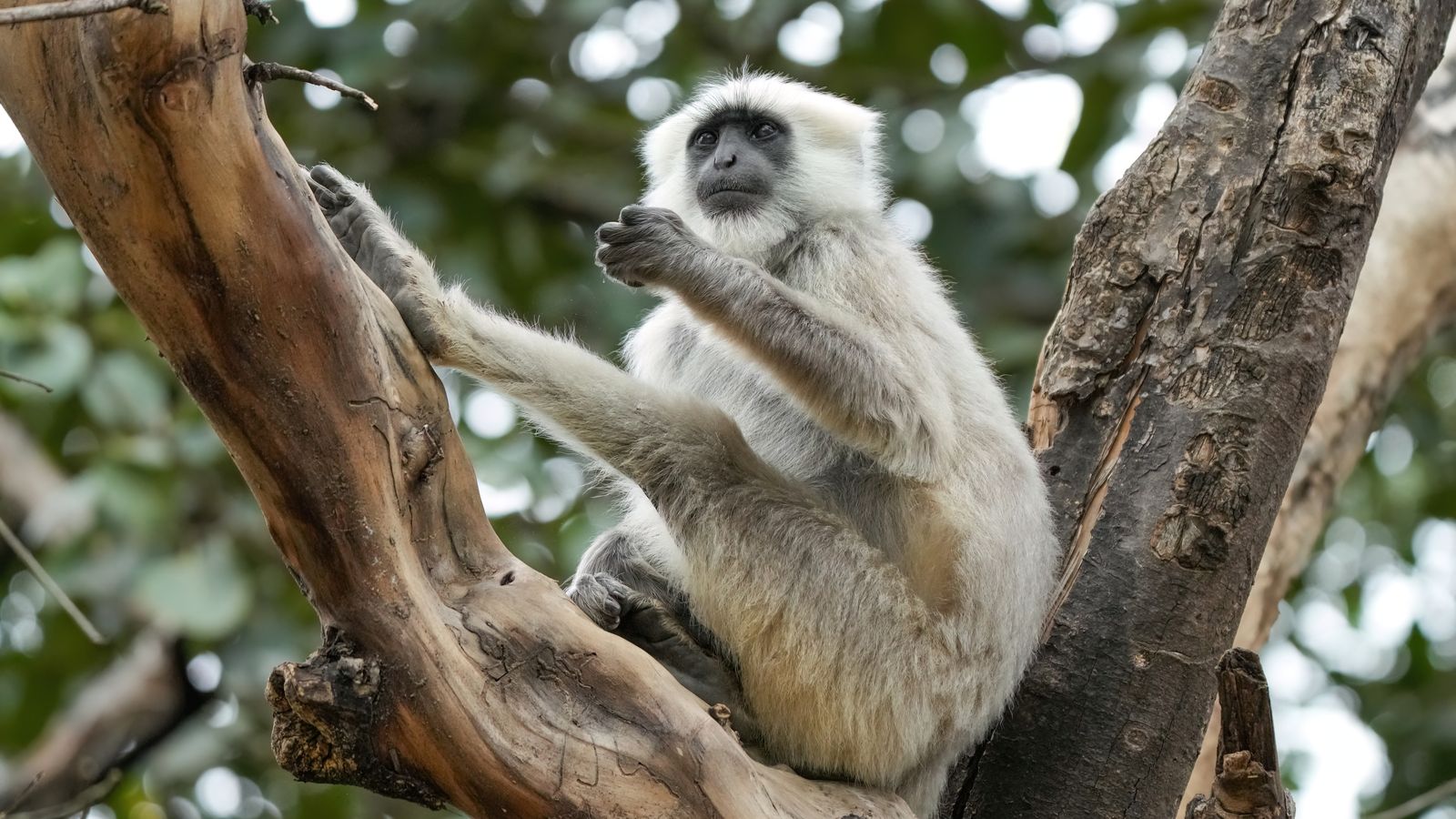
Study Described the Forelimb Bones of an Adult Northern Plains Grey Langur
An anatomical study of a single adult male northern plains grey langur described the scapula, humerus, radius and…
Read story →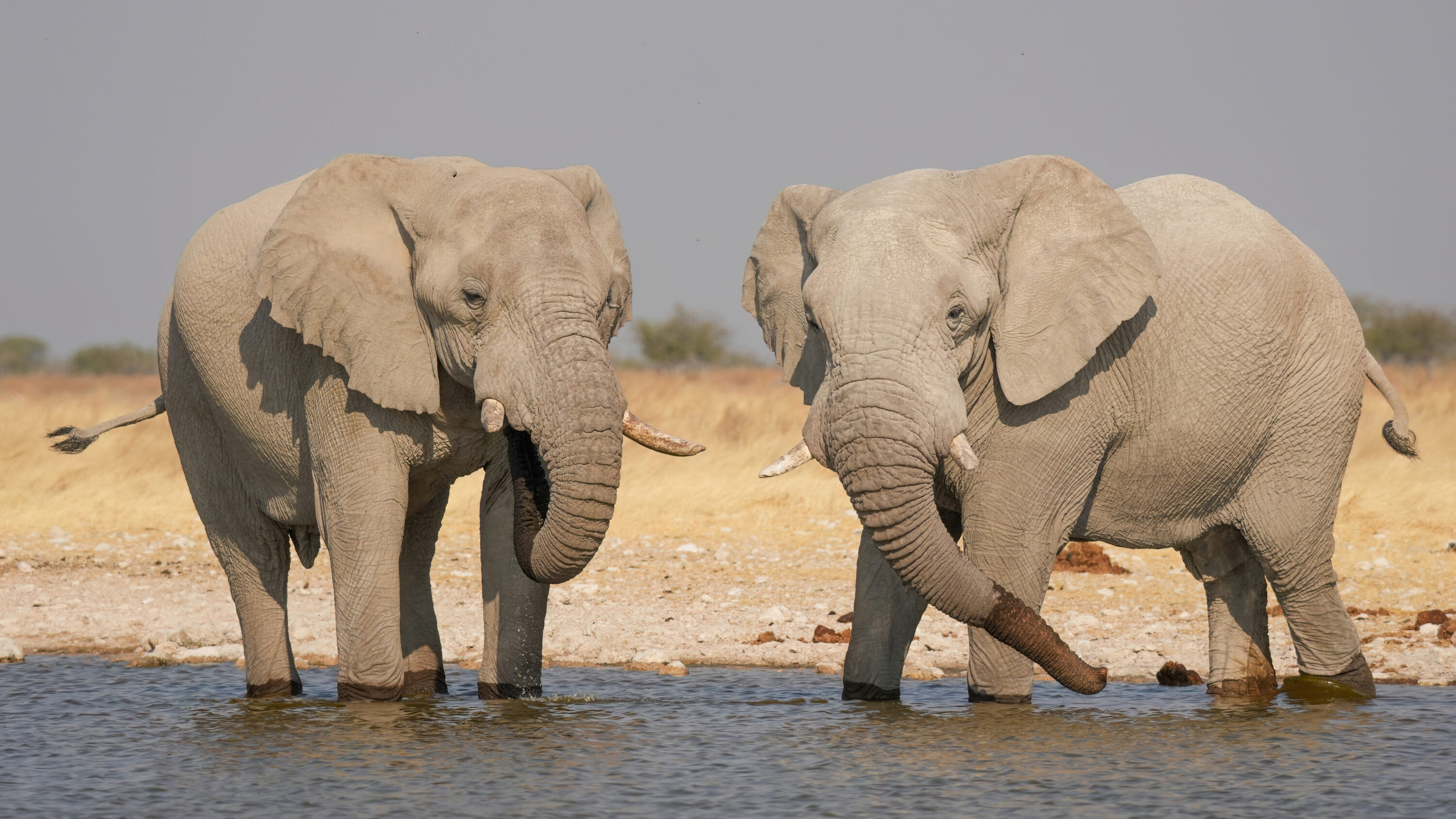
Three Ways of Analysing Elephant Calls Gave Different Results
Recordings from a semi-free herd in South Africa show how the method used to classify call timing can…
Read story →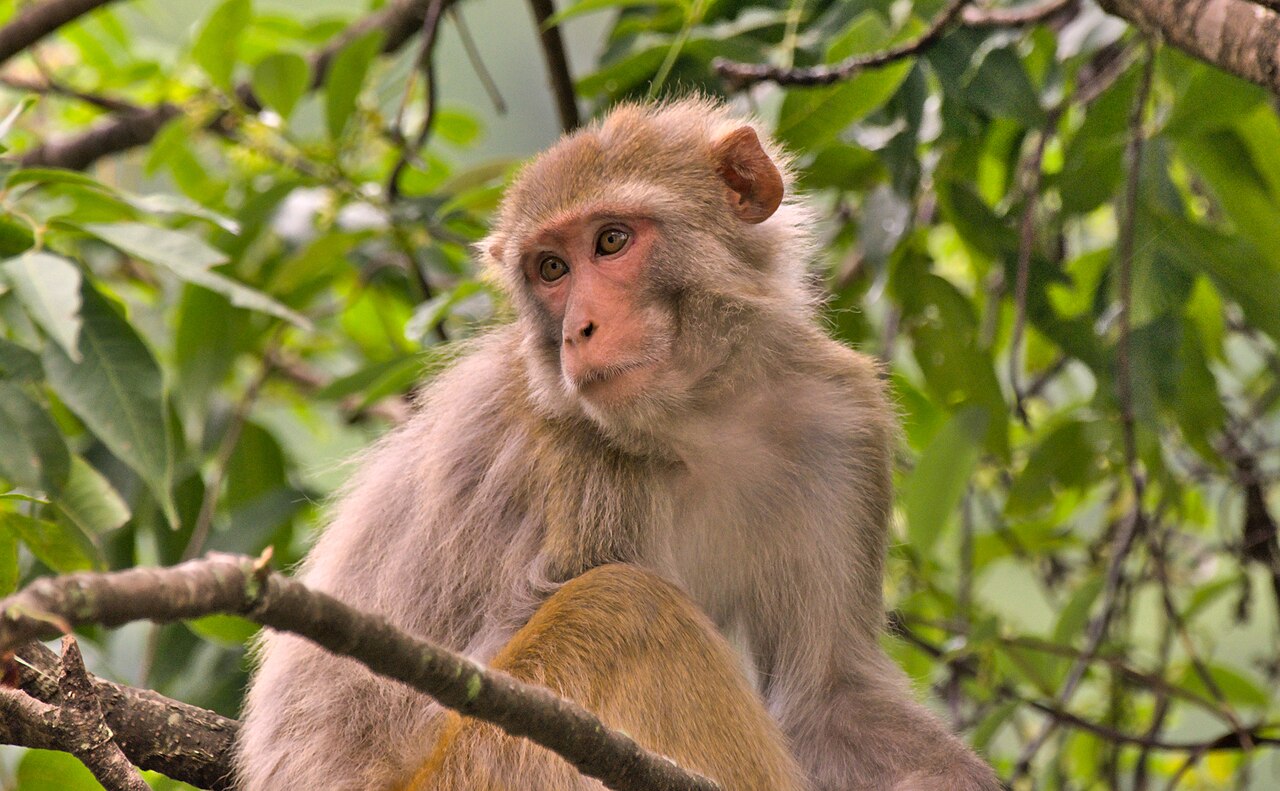
Female Rhesus Macaques That Watched Unfamiliar Female Faces Longer Were More Likely to Have Offspring the Following Year
At a semi-free-ranging population in Puerto Rico, females that spent longer looking at an unfamiliar female’s neutral face…
Read story →SPECIES IN THIS STORY
Species in this story
Independent research and conservation news archive
Did you find this information useful?
Wildlife Vagabond is independently built and maintained. Voluntary support helps cover source verification, hosting and continued work on research and conservation news.
Support Wildlife VagabondThe news archive will remain freely available.