
Lapwings Nest Later Further North in Britain, but Oystercatchers Start Earlier
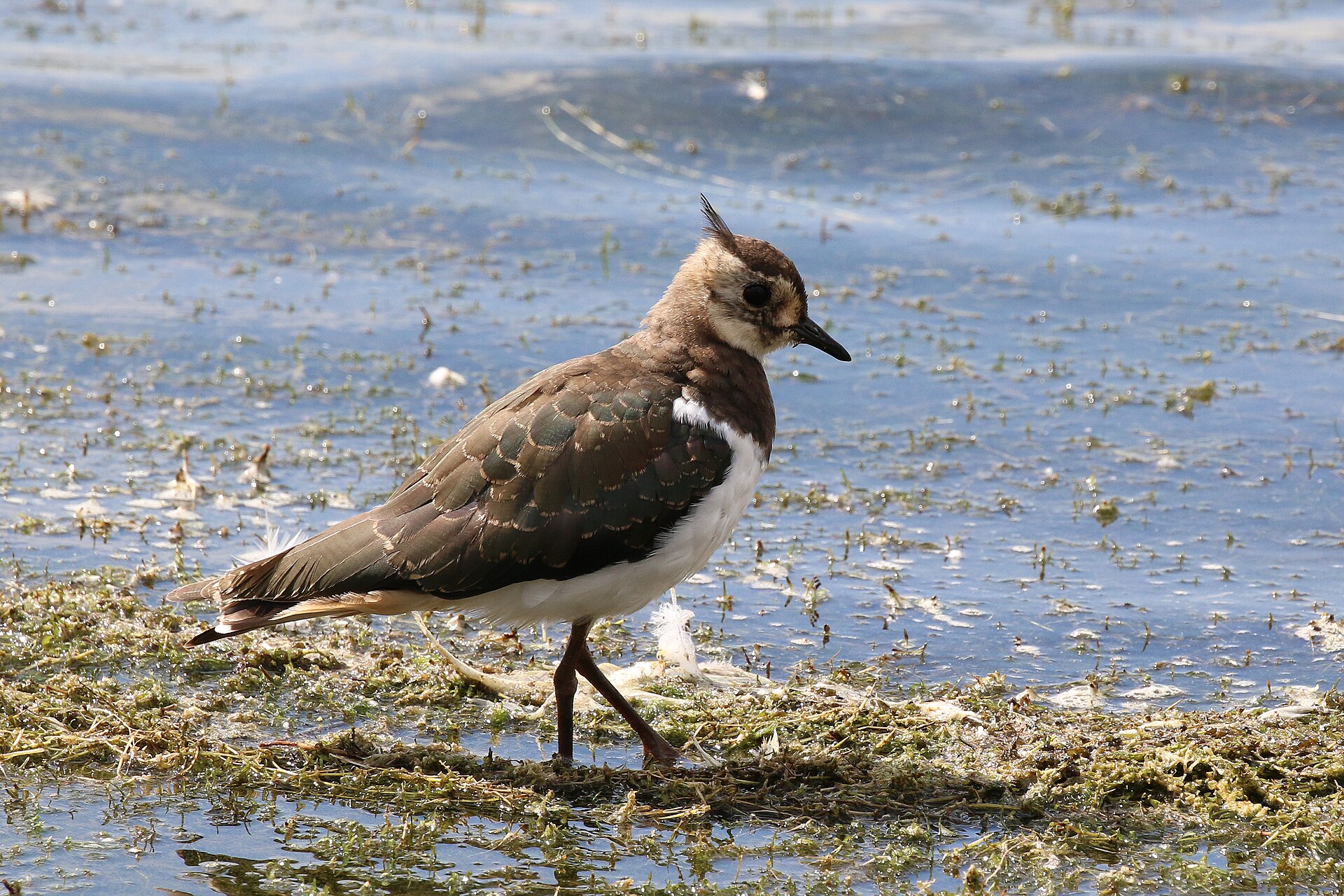
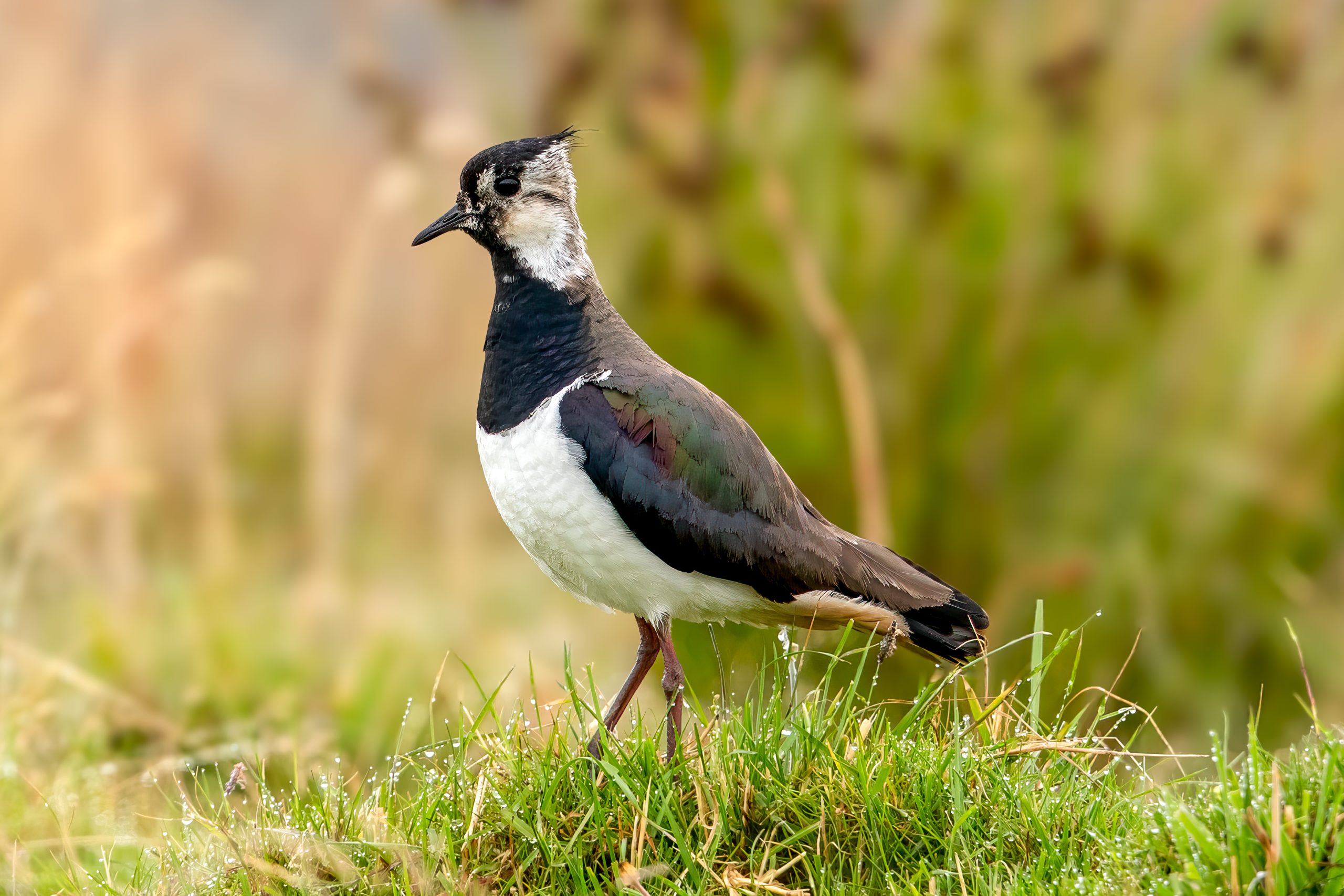
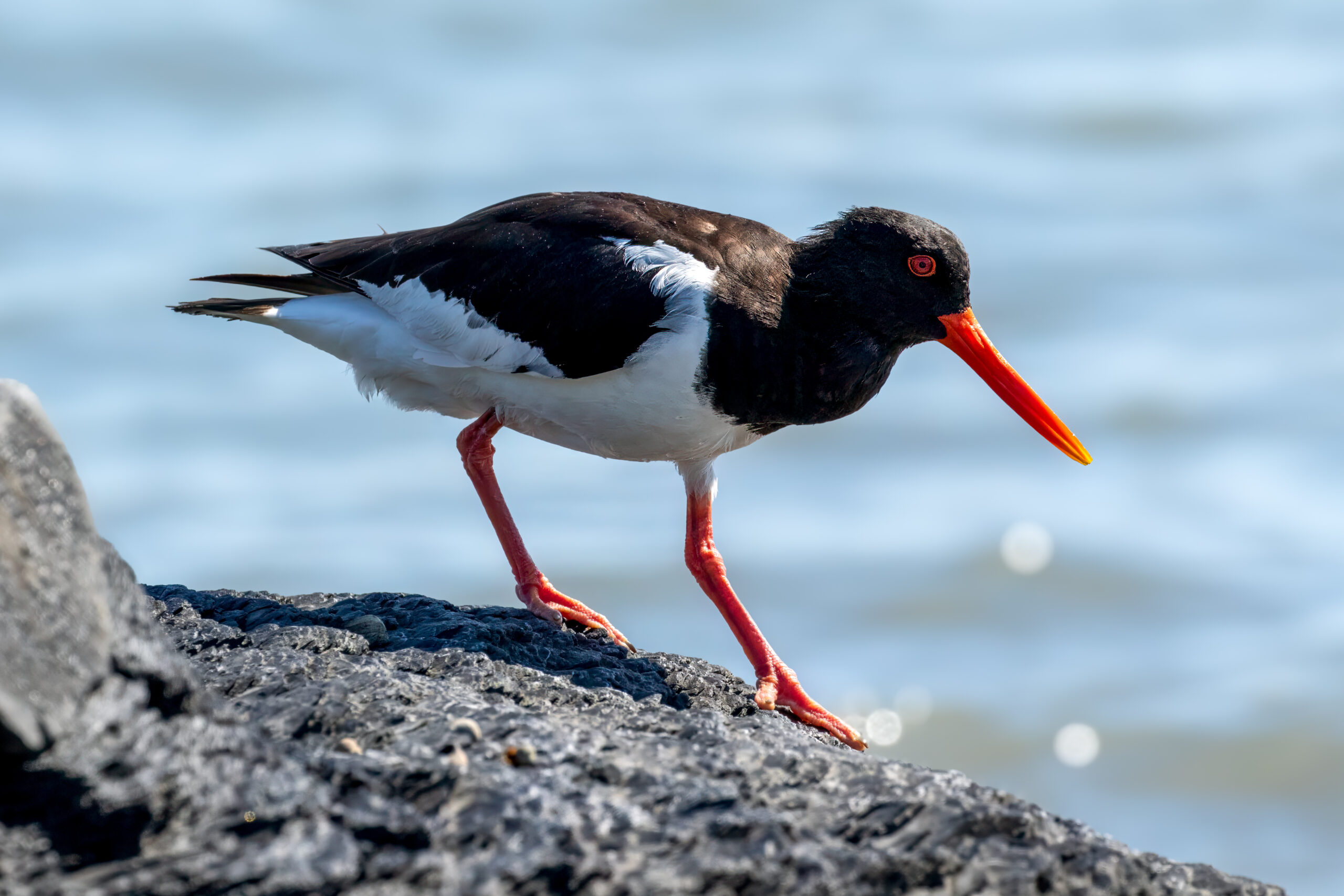
Even farmland managed to protect breeding birds can reopen to grazing and mowing too soon. An analysis of fifty years of British nest records shows why: northern lapwings (Vanellus vanellus) and Eurasian oystercatchers (Haematopus ostralegus) nest at different times, and those differences change from south to north.
Researchers examined 6,277 lapwing and 2,387 oystercatcher nesting records spanning roughly 1,200 kilometres of the United Kingdom. They then compared the birds’ nesting phenology—the seasonal timing of the different nesting stages—with dates in a Scottish scheme that pays farmers for environmental management.
Lapwings start later in the north, oystercatchers earlier
Lapwings began nesting before oystercatchers, with up to six weeks separating the species’ nesting starts. Further north, lapwings started later and had a shorter nesting season. Oystercatchers showed the opposite pattern, beginning earlier at more northerly sites.
Timing could shift by up to about three days per 100 kilometres. A single date for allowing livestock back onto fields or starting mowing can therefore fit poorly across both species and regions.
Many nests are still active when livestock return
For the Scottish scheme, researchers calculated that up to 80% of lapwing pairs and 84% of oystercatcher pairs could still have active nests when livestock were allowed back in an average year. Eggs and chicks on the ground then face trampling and disturbance.
Mowing dates were also poorly aligned. Up to 35% of lapwing chicks and 72% of oystercatcher chicks could still be under twenty days old when mowing was permitted in silage fields. Young chicks are particularly vulnerable: they often defend themselves by freezing and relying on camouflage, which offers no protection against farm machinery.
Protecting eggs is not enough if too few chicks survive after hatching. At around 20% chick survival, the researchers calculated that almost every lapwing pair would need to hatch a brood to maintain a stable population. Even complete hatching success would not be enough for oystercatchers. Raising chick survival to around 30% could allow stable populations even when a smaller share of pairs hatched successfully.
Dates that follow the birds
The researchers propose tailoring periods without grazing or mowing to species, region and farming activity. Their calculations suggested that extending current restrictions by about two weeks, alongside these adjustments, could reduce the proportion of nests still active when livestock return to around 50% for lapwings and 27% for oystercatchers. The proposed mowing dates could also protect chicks from mowing through their first twenty days.
The proposal is based on nest records and calculations; the effects of these particular dates have not been tested in the field. The researchers also stress that delaying mowing and grazing can cost farmers money, including through lower forage quality. Well-targeted measures therefore need compensation that reflects those costs.
Reproduction & development
Related news
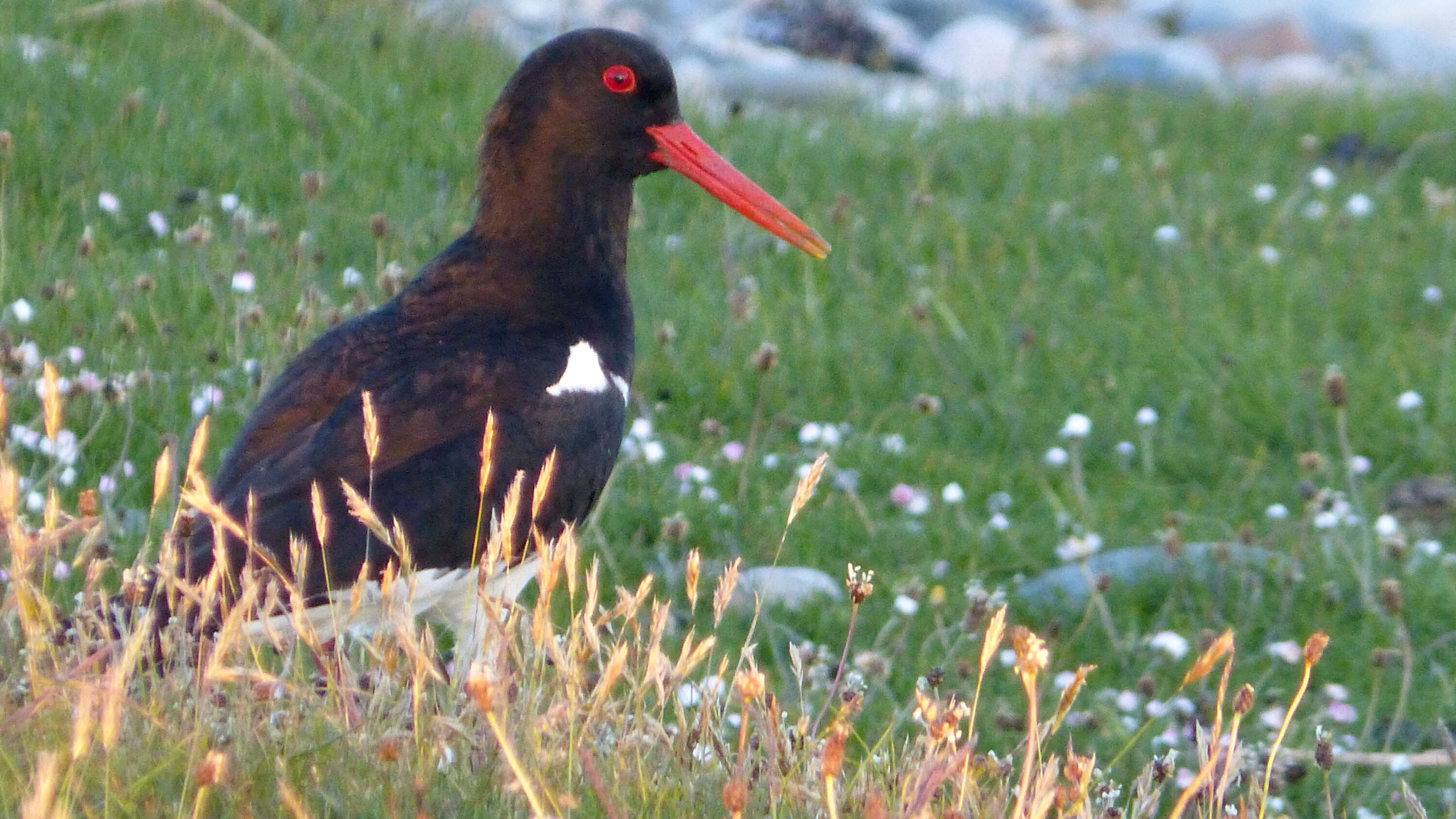
Scotland Proposed 14 Wader Recovery Areas From Shetland to the Central Belt
NatureScot and Working for Waders began consultation on 14 proposed recovery landscapes in May 2026, aiming to concentrate…
Read story →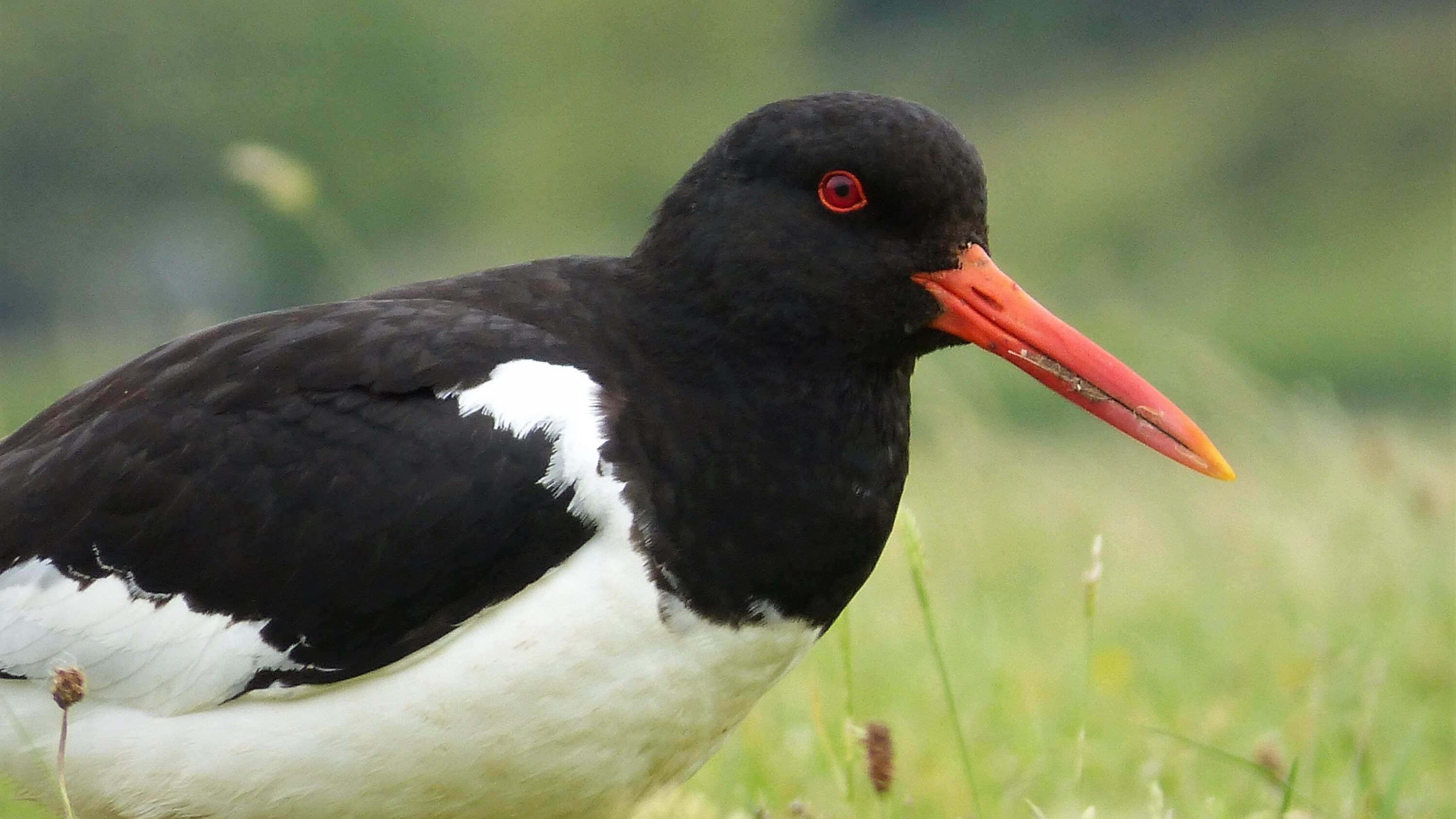
BirdNET Identified Oystercatcher Calls With 94% Precision and 99% Recall
A 2026 BTO report on a Yorkshire Dales trial found BirdNET detected validated Eurasian oystercatcher calls with 94%…
Read story →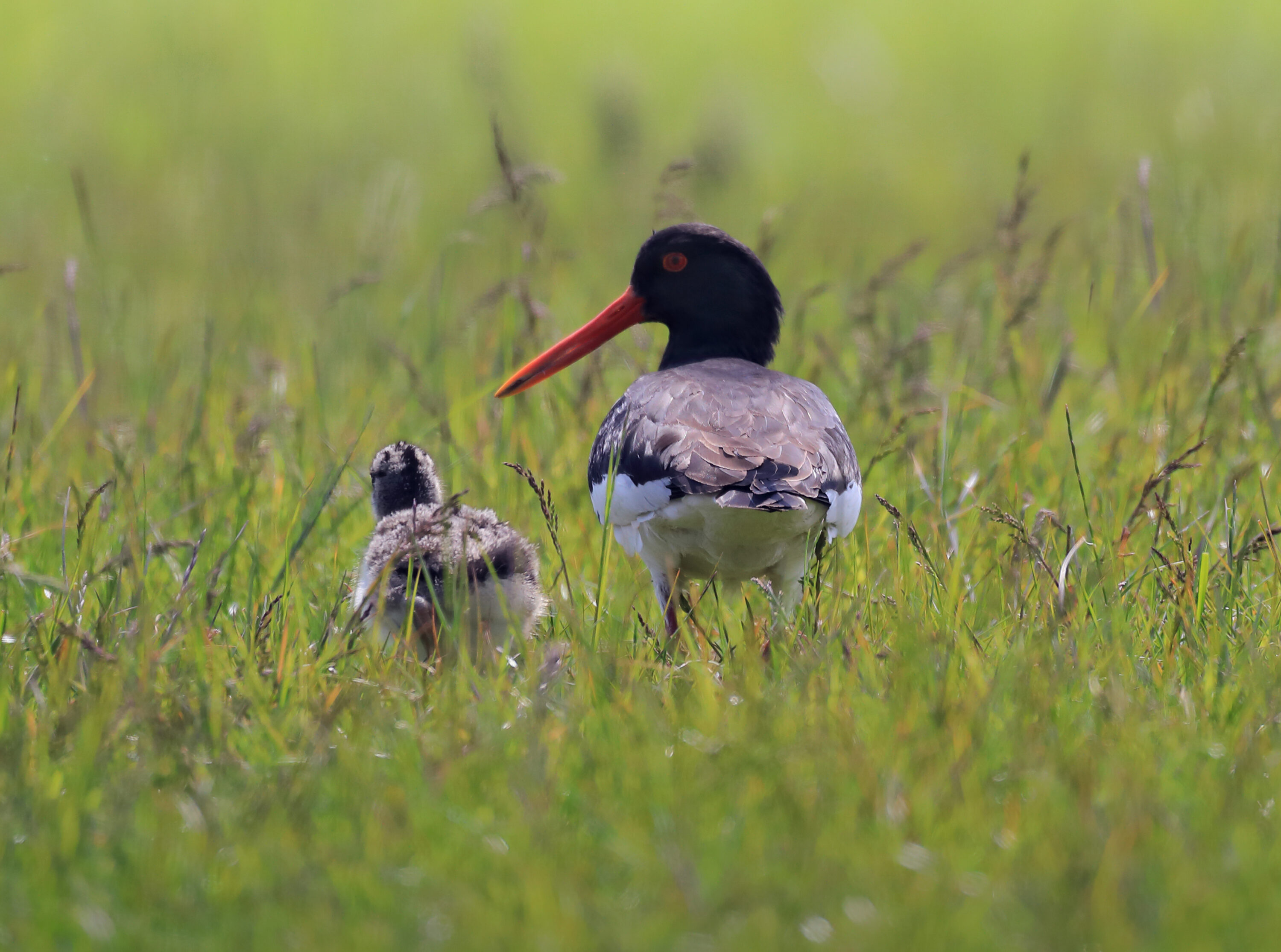
Cairngorms Survey Found Oystercatchers Down 15% Since 2021
The 2025 Cairngorms Wader Survey found Eurasian oystercatchers down 15% since 2021, while all five monitored breeding waders…
Read story →SPECIES IN THIS STORY
Species in this story
Independent research and conservation news archive
Did you find this information useful?
Wildlife Vagabond is independently built and maintained. Voluntary support helps cover source verification, hosting and continued work on research and conservation news.
Support Wildlife VagabondThe news archive will remain freely available.