
Scotland Proposed 14 Wader Recovery Areas From Shetland to the Central Belt
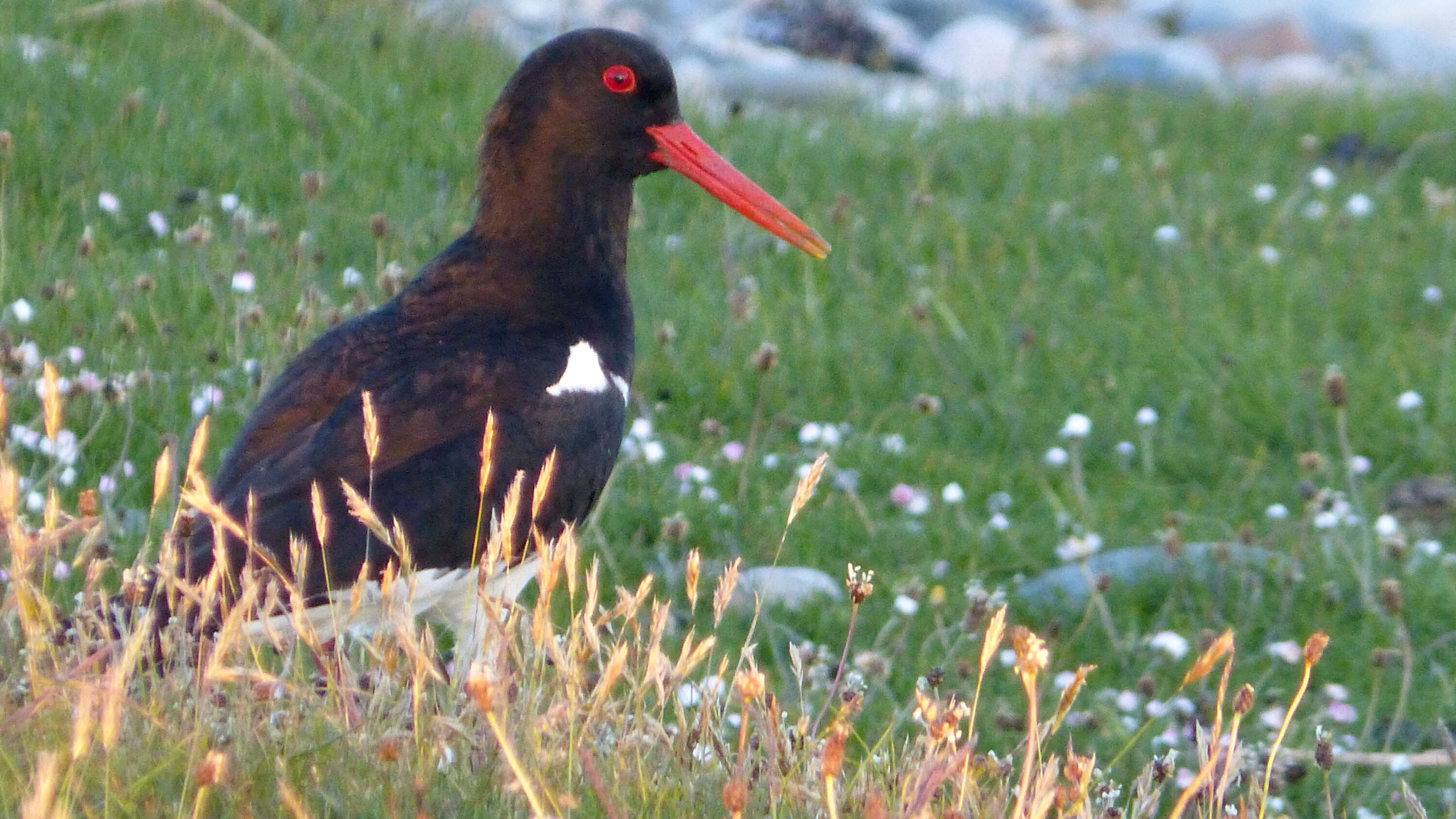
NatureScot and partners in the Working for Waders initiative announced work on 14 proposed Wader Recovery Areas across Scotland on 19 May 2026. The approach is intended to concentrate conservation effort in landscapes where breeding waders still have strong populations and where targeted management has a good chance of supporting recovery.
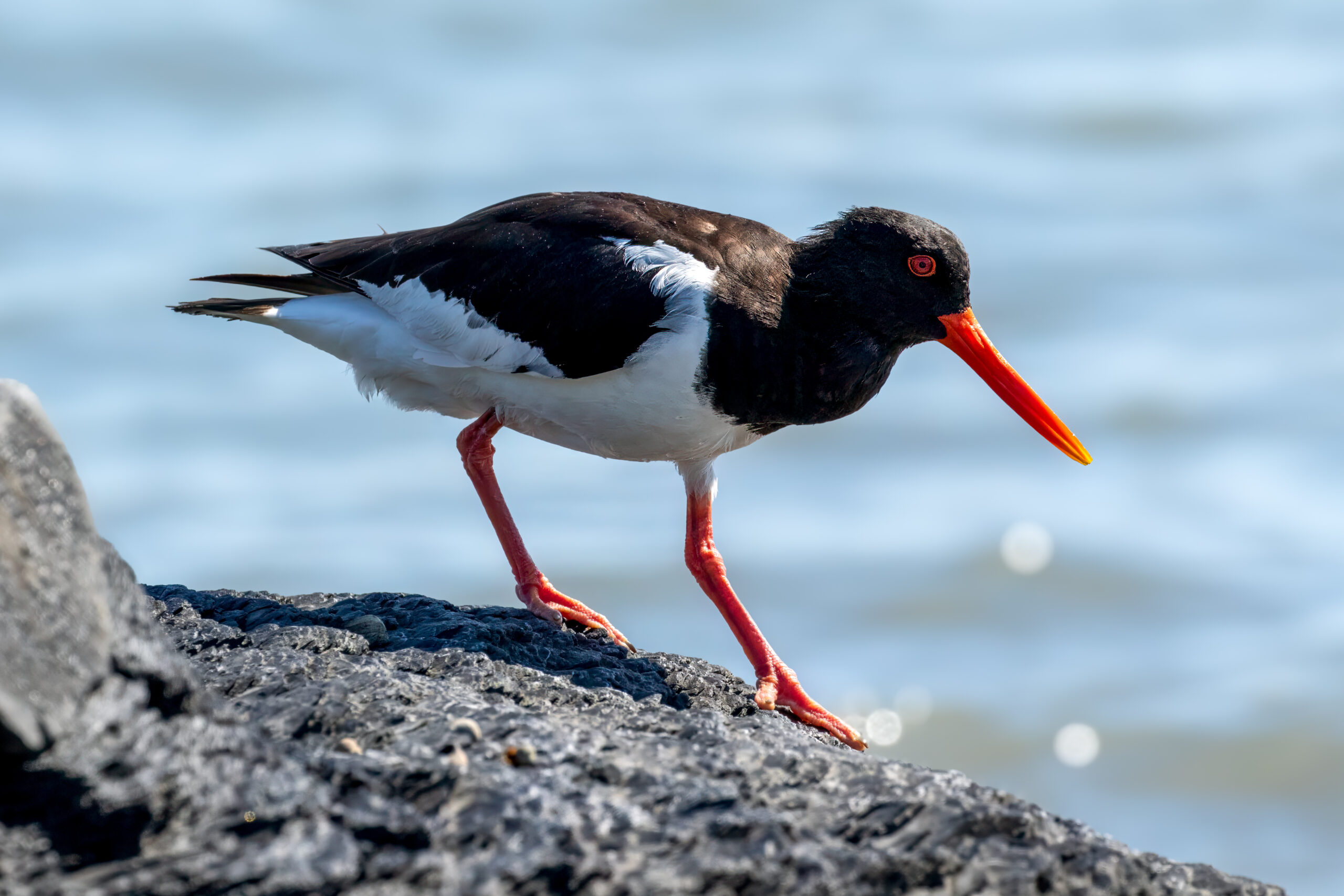
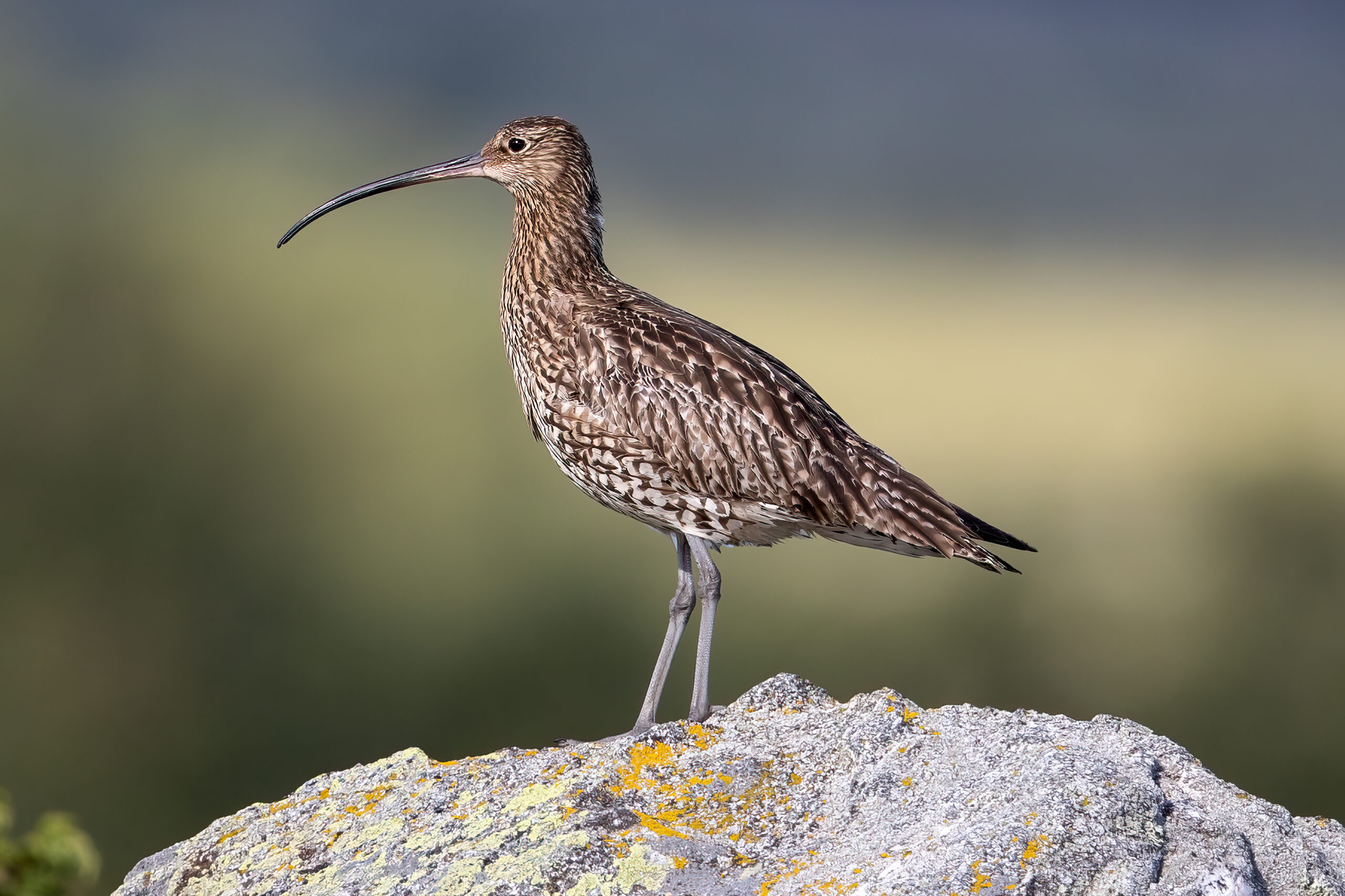
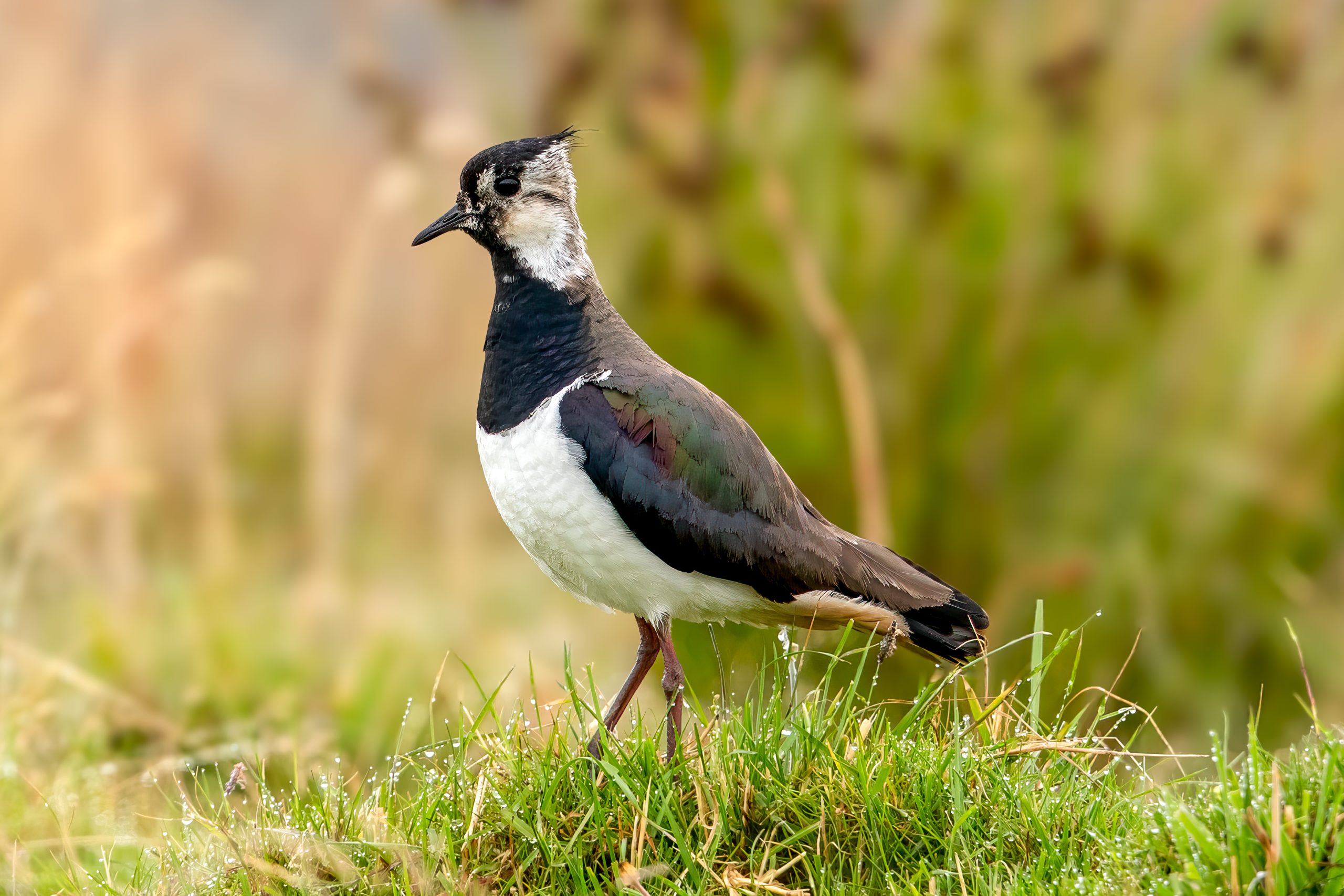
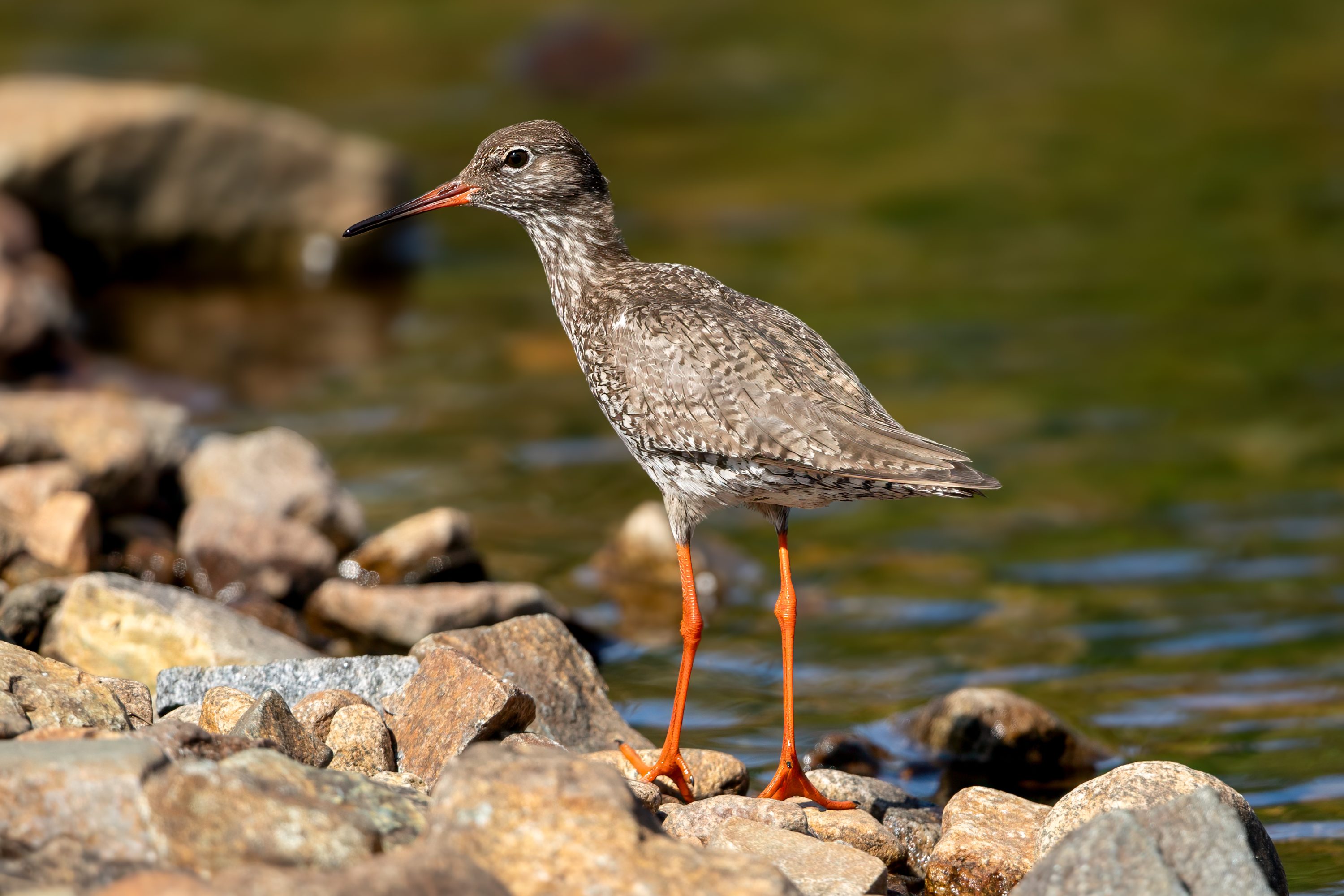
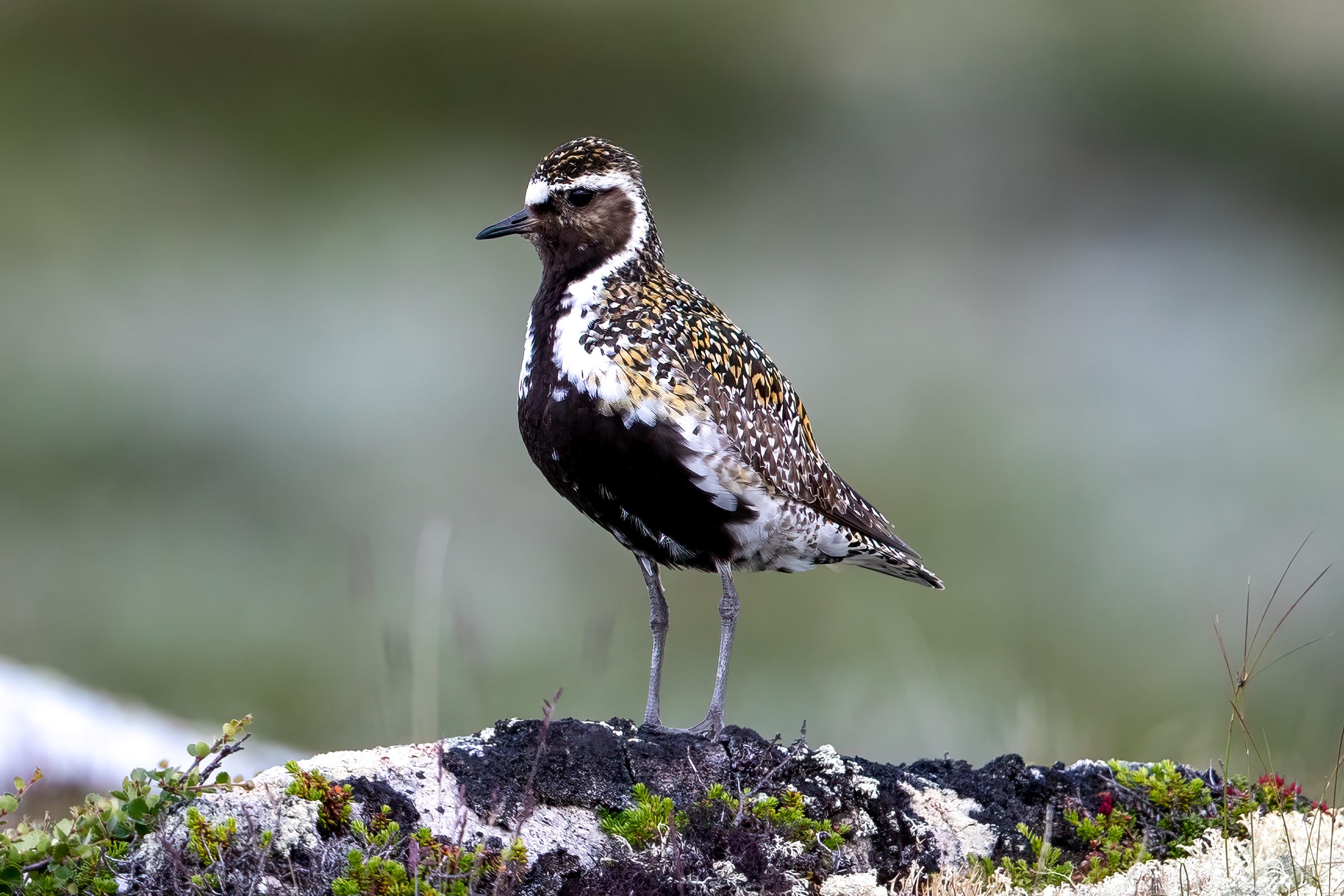
The proposed areas extend from Shetland to the Central Belt and would each cover thousands of hectares of suitable habitat. The initiative focuses on Scotland’s five major farmland waders: eurasian curlew (Numenius arquata), northern lapwing (Vanellus vanellus), eurasian oystercatcher (Haematopus ostralegus), common redshank (Tringa totanus) and european golden plover (Pluvialis apricaria).
Consultation was already underway
The recovery areas had not yet been formally established when NatureScot announced them. Working for Waders was consulting farmers, gamekeepers and conservationists in the proposed landscapes to document what conservation work was already taking place, what additional measures might be useful and what practical support land managers would need.
The areas were identified as recovery hotspots: landscapes where wader populations remain relatively healthy and conditions are suitable for several species. NatureScot says the aim is to focus effort and resources where targeted action can make the greatest difference rather than spreading conservation measures evenly across the country.
Oystercatchers have declined strongly in Scotland
NatureScot cited a 41% decline in breeding oystercatchers in Scotland between 1995 and 2024. Over the same period, curlew numbers fell by 62% and lapwing numbers by 63%.
The agency identifies several pressures on breeding waders. Open breeding habitat has been lost or altered through agricultural intensification and woodland expansion, while nests and chicks can be affected by livestock, machinery and predation. The relative importance of these pressures differs between regions, which is one reason the proposed recovery areas are intended to support locally tailored management.
Management
Related news
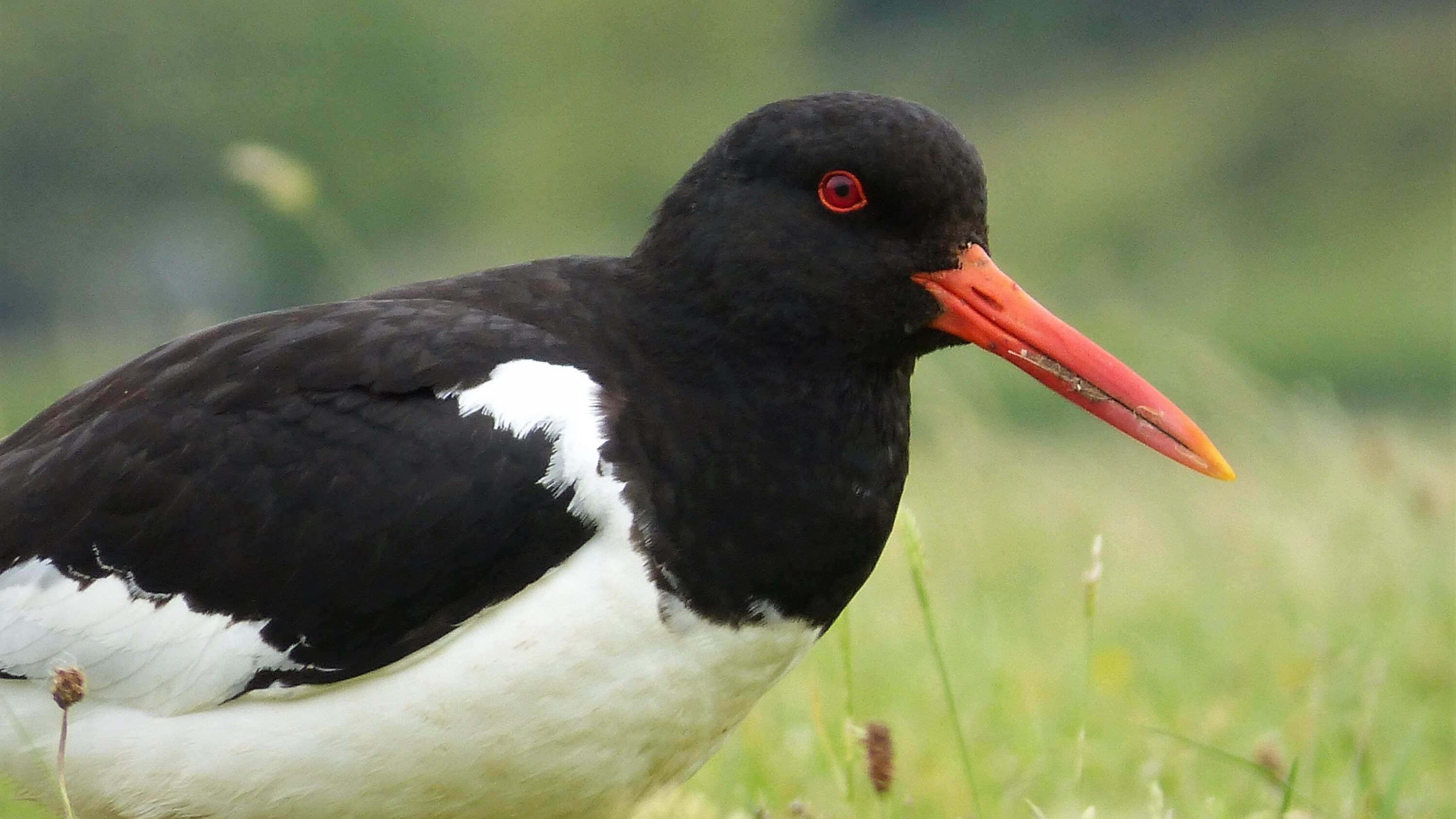
BirdNET Identified Oystercatcher Calls With 94% Precision and 99% Recall
A 2026 BTO report on a Yorkshire Dales trial found BirdNET detected validated Eurasian oystercatcher calls with 94%…
Read story →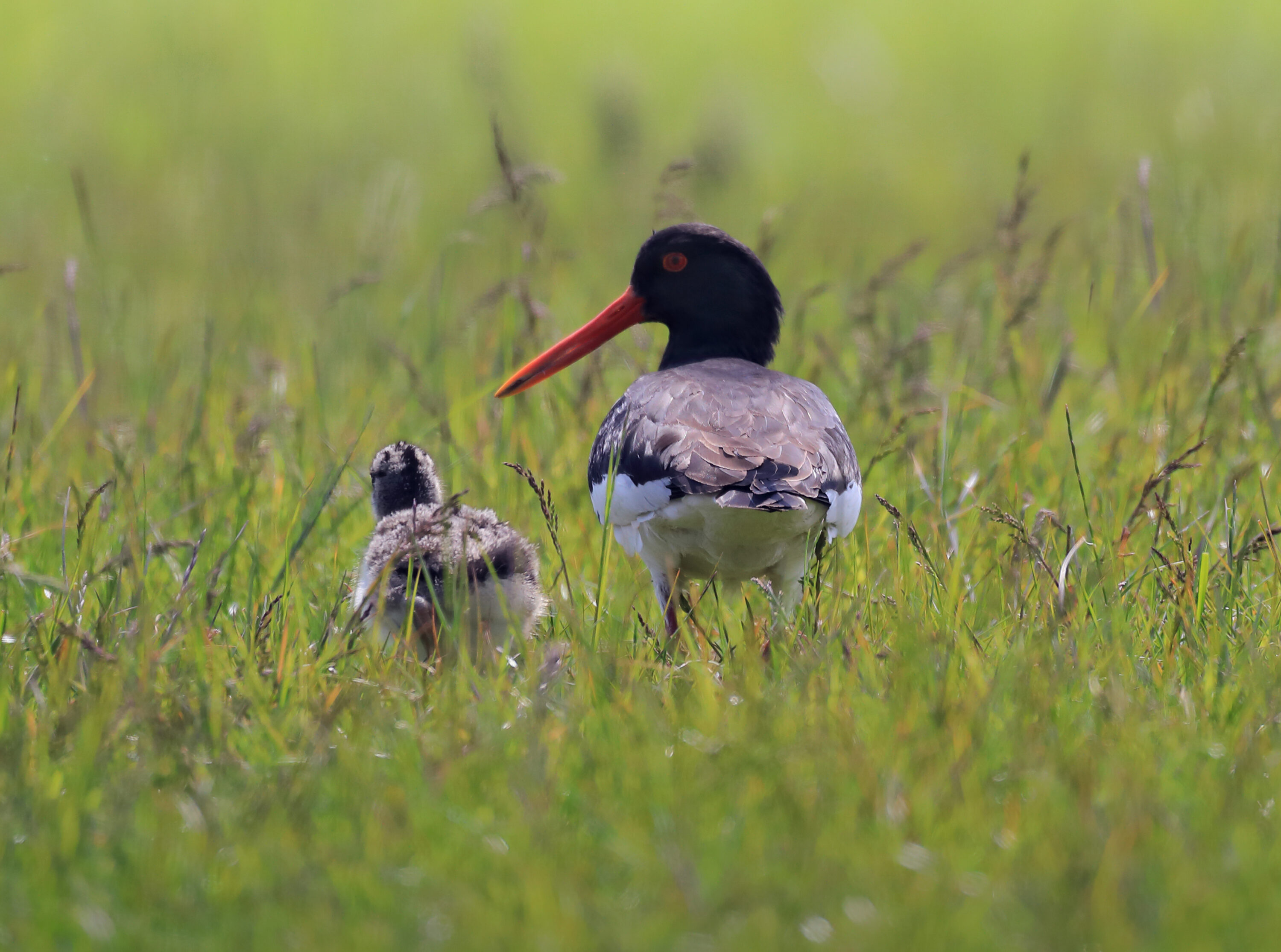
Cairngorms Survey Found Oystercatchers Down 15% Since 2021
The 2025 Cairngorms Wader Survey found Eurasian oystercatchers down 15% since 2021, while all five monitored breeding waders…
Read story →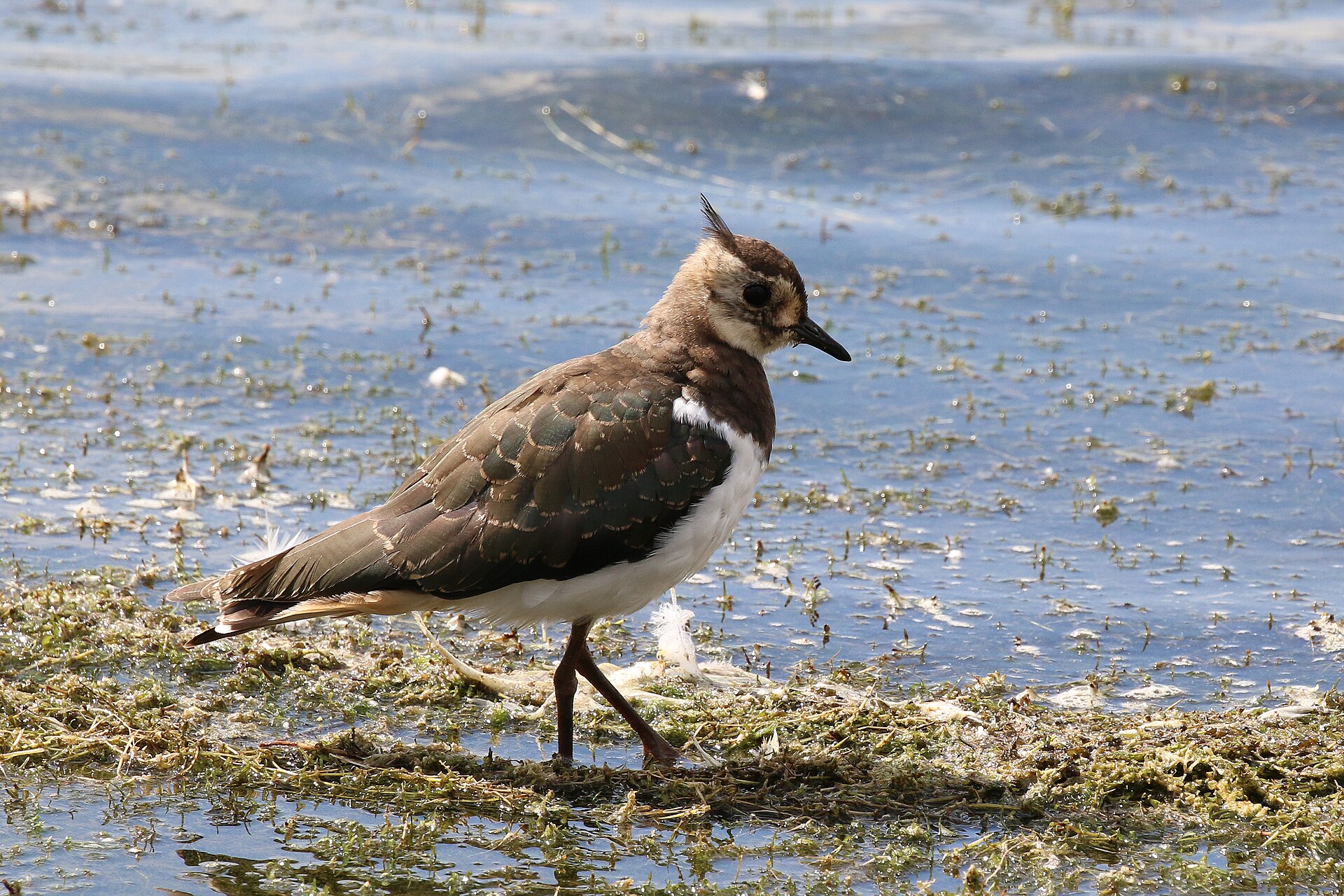
Lapwings Nest Later Further North in Britain, but Oystercatchers Start Earlier
Lapwings and oystercatchers follow different breeding calendars. British nest records show that fixed grazing and mowing dates can…
Read story →SPECIES IN THIS STORY
Species in this story
Independent research and conservation news archive
Did you find this information useful?
Wildlife Vagabond is independently built and maintained. Voluntary support helps cover source verification, hosting and continued work on research and conservation news.
Support Wildlife VagabondThe news archive will remain freely available.