
Only 4.5% of Latvian Starlings Were Assigned to Long-Distance Moult Migration
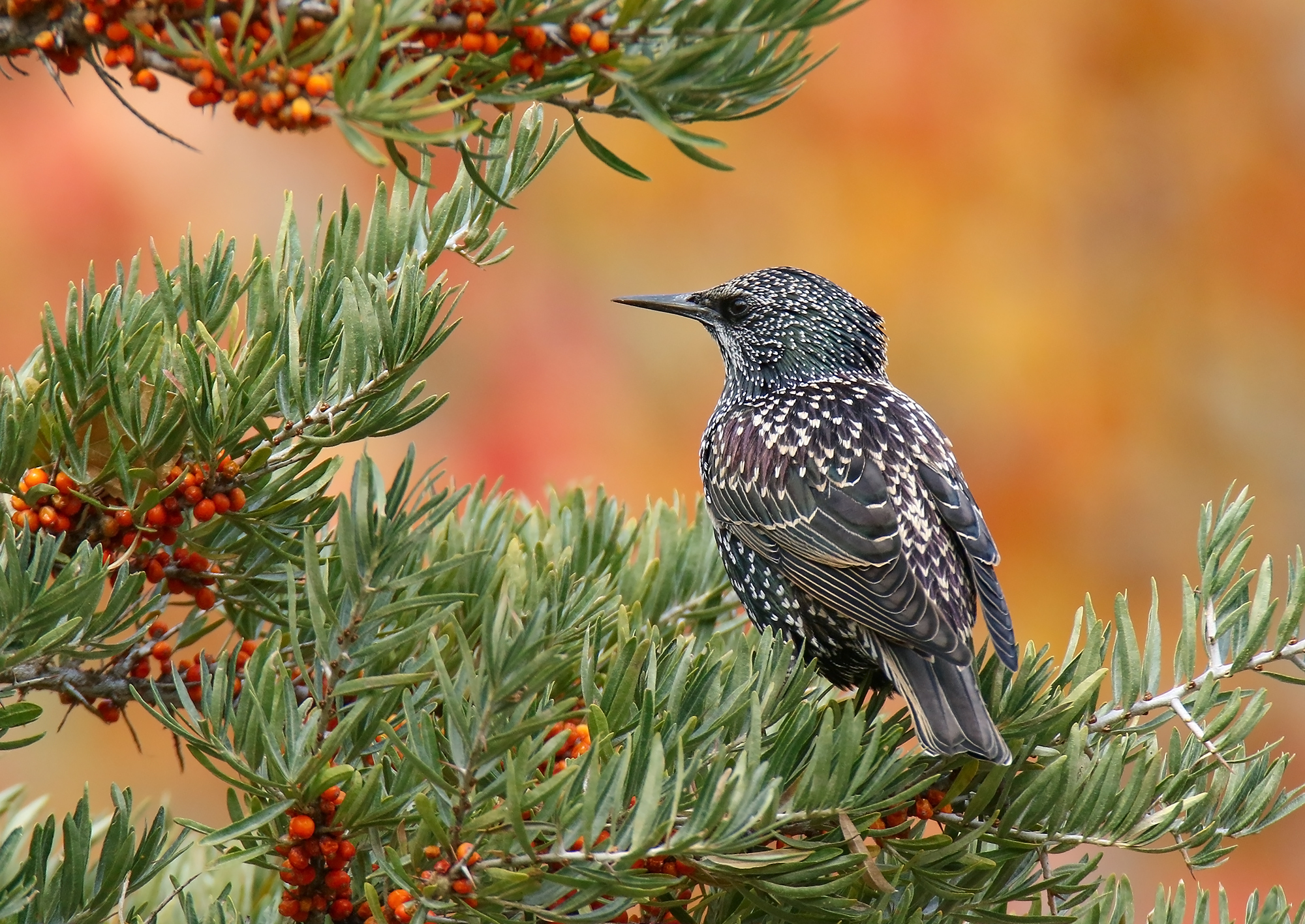
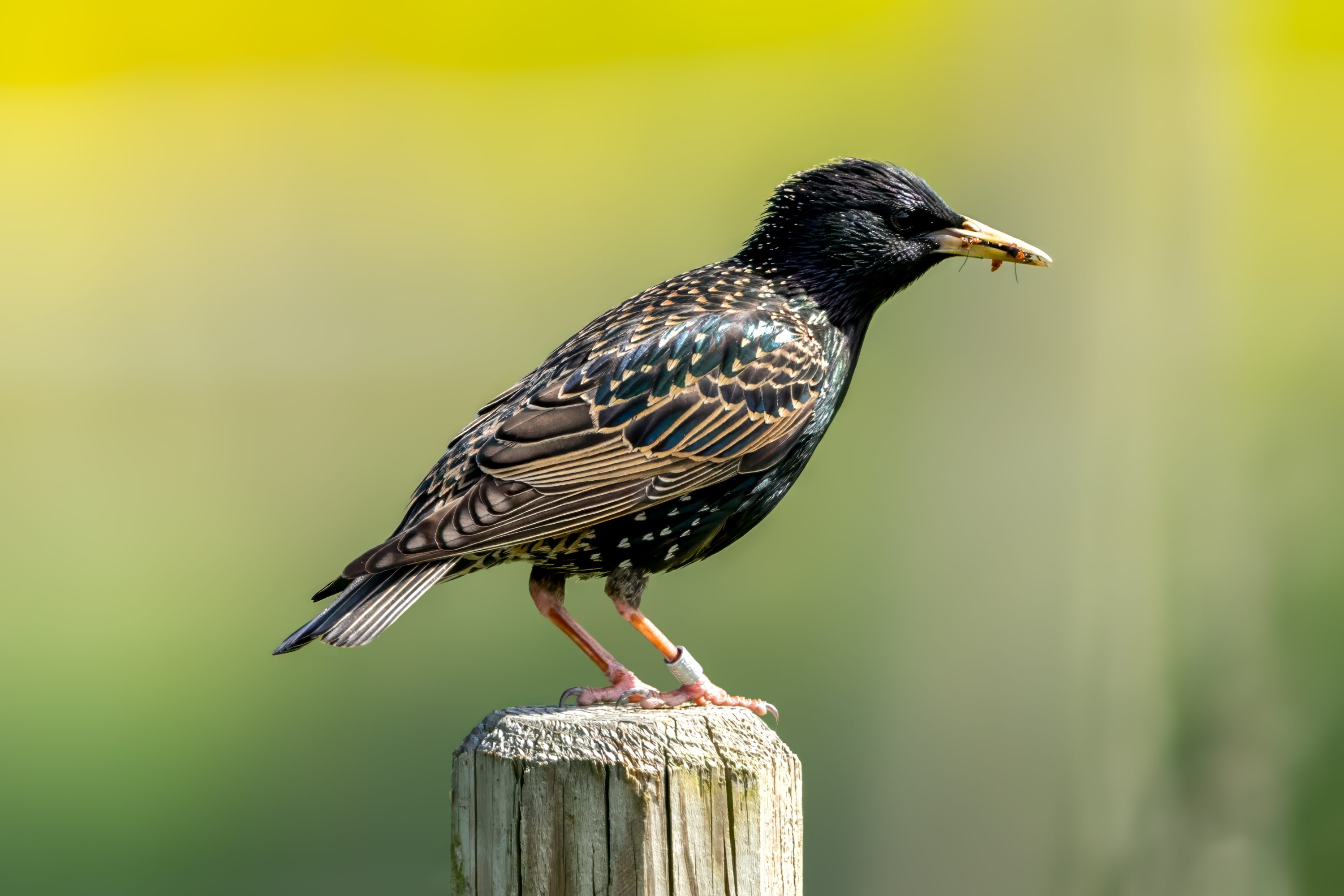
Common starlings (Sturnus vulgaris) breeding in Latvia mostly replaced their feathers close to their breeding region rather than making a separate journey to distant moulting grounds. A study published on 22 February 2026 used stable isotopes in feathers from 291 Latvian-breeding birds and assigned only 4.5% to a long post-breeding moult migration towards north-central Europe.
Moult migration is a strategy in which birds leave the breeding area and travel to a separate location to replace their feathers before continuing towards wintering grounds. Earlier tracking of Latvian starlings had shown that some individuals use moulting areas in Germany or Denmark, while others remain near the Baltic breeding region until their autumn migration.
Most birds moulted within the Baltic region
The researchers measured stable hydrogen and sulphur isotope ratios in feathers. Because feathers retain the chemical signature of the environment in which they grow, these values can help distinguish between birds that moulted in different geographical regions. Reference samples came from starlings with known moulting locations in Latvia and northern Germany.
Of the 291 Latvian birds classified with the combined isotope model, 251 — 86.2% — were assigned to the Baltic region. Thirteen birds, or 4.5%, were assigned to north-central Europe and therefore matched the long-distance moult-migration strategy. The remaining 27 birds, 9.3%, could not be confidently assigned to either region.
The method was also compared with independent tracking data. Seven geolocator-equipped starlings with known moulting locations were included as a validation group. Five were correctly classified by the combined isotope approach, while two remained unassigned; none was placed in the wrong region.
Age did not explain the different strategies
The researchers found no clear difference between first-year birds and adults in the proportion using the two moult strategies. Birds from eastern and western Latvian study sites also showed similar patterns, despite earlier tracking work suggesting that moult migration could be more common among birds from eastern Latvia.
Repeated feather samples from the same individuals further indicated that moult strategy was generally consistent between years. The study found no evidence of birds switching from moulting near the breeding region in one year to making a long moult migration in another, or vice versa.
Two isotopes improved regional assignment
Hydrogen isotopes provided the strongest geographical signal, but combining hydrogen with sulphur allowed more birds to be assigned confidently than either isotope alone. The authors highlight sulphur as a useful additional tracer because its values vary geographically with factors such as distance from the sea, geology and soil conditions.
The researchers also note that isotope-based locations represent broad regions rather than exact moulting sites. Local diet and environmental variation can affect feather isotope values, and some birds may moult in areas between the two reference regions. Even with these limitations, the study shows that most Latvian starlings in this sample did not undertake the long moult migration previously documented in some tracked individuals, and that alternative moult strategies can be studied across much larger samples than is usually possible with tracking devices alone.
Behaviour
Related news
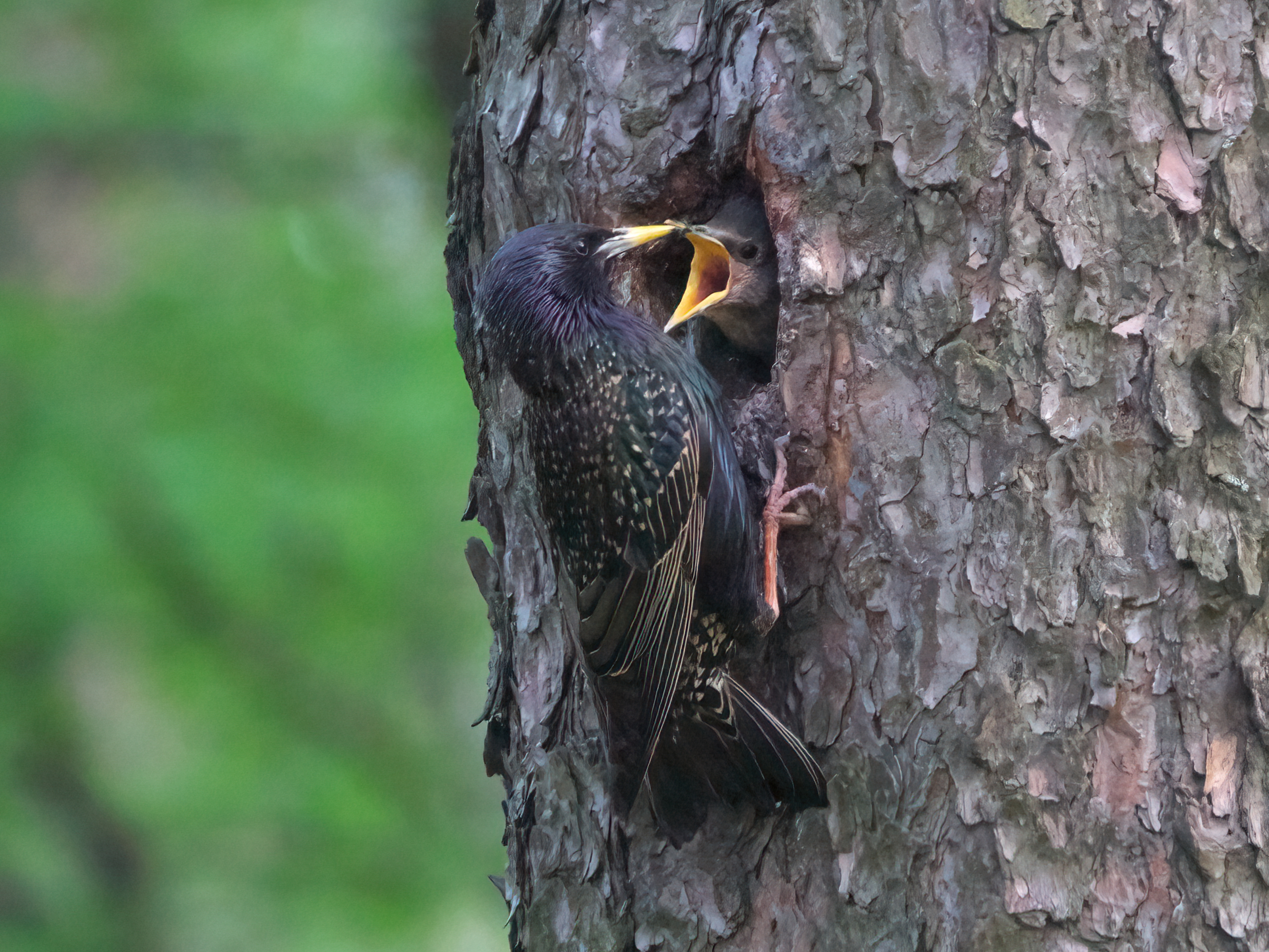
Common Starling Parents Called Less Often as Their Nestlings Grew Older
Common starling parents called on 62% of feeding visits when chicks were two days old but only 4%…
Read story →
Recent Starlings in Western Australia Differed Genetically from the 2000s Population
Starlings detected in Western Australia in 2017–2024 were genetically distinct from birds sampled there in the 2000s, a…
Read story →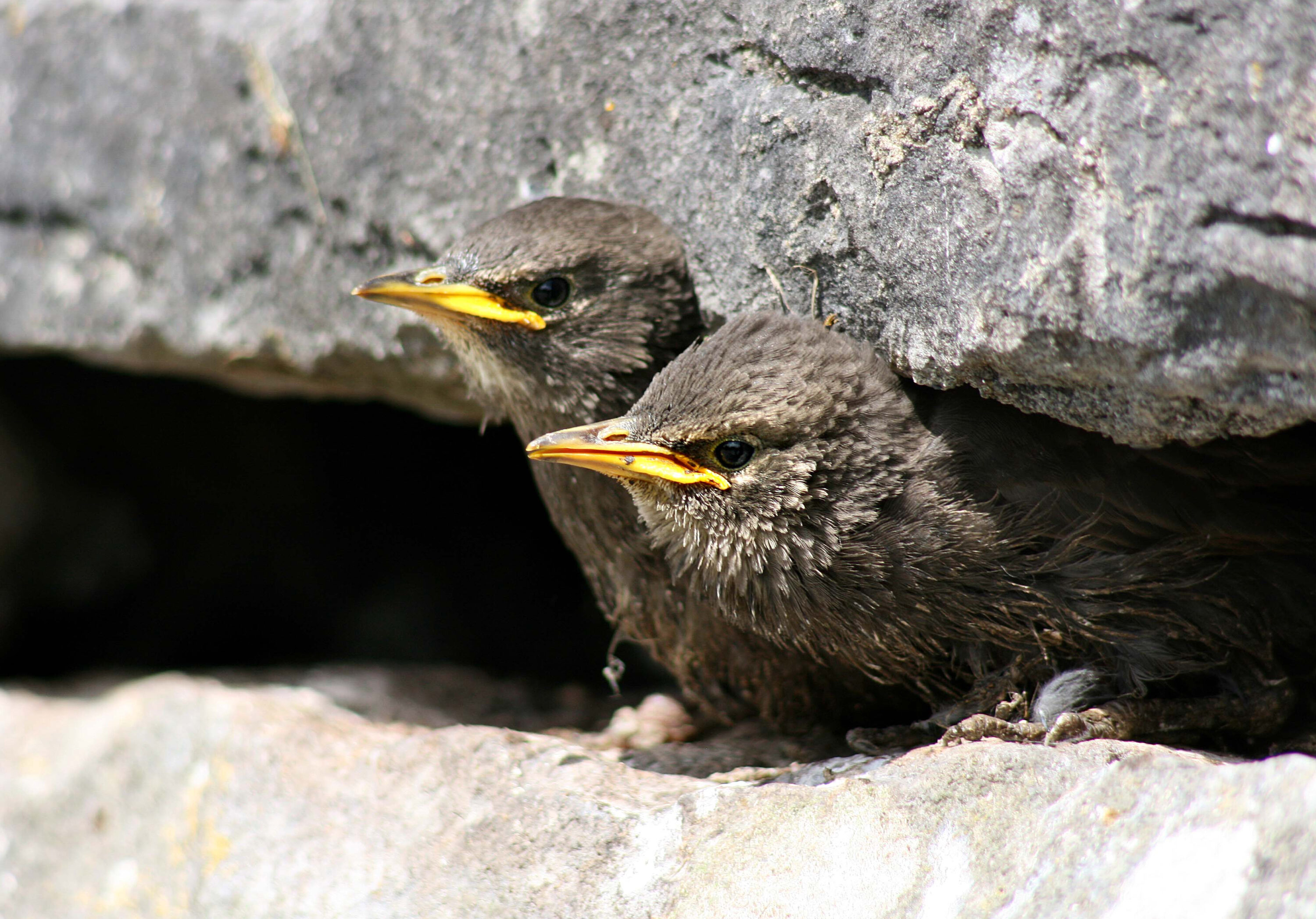
PFAS Exposure Was Linked to Oxidative Stress in Starling Chicks, but Not to Similar Changes in Great Tits
Eggs near an Italian fluoropolymer plant contained up to ten times more PFAS. Starling nestlings showed signs of…
Read story →SPECIES IN THIS STORY
Species in this story
Independent research and conservation news archive
Did you find this information useful?
Wildlife Vagabond is independently built and maintained. Voluntary support helps cover source verification, hosting and continued work on research and conservation news.
Support Wildlife VagabondThe news archive will remain freely available.