
Leprosy Left Characteristic Skeletal Lesions in British Red Squirrels
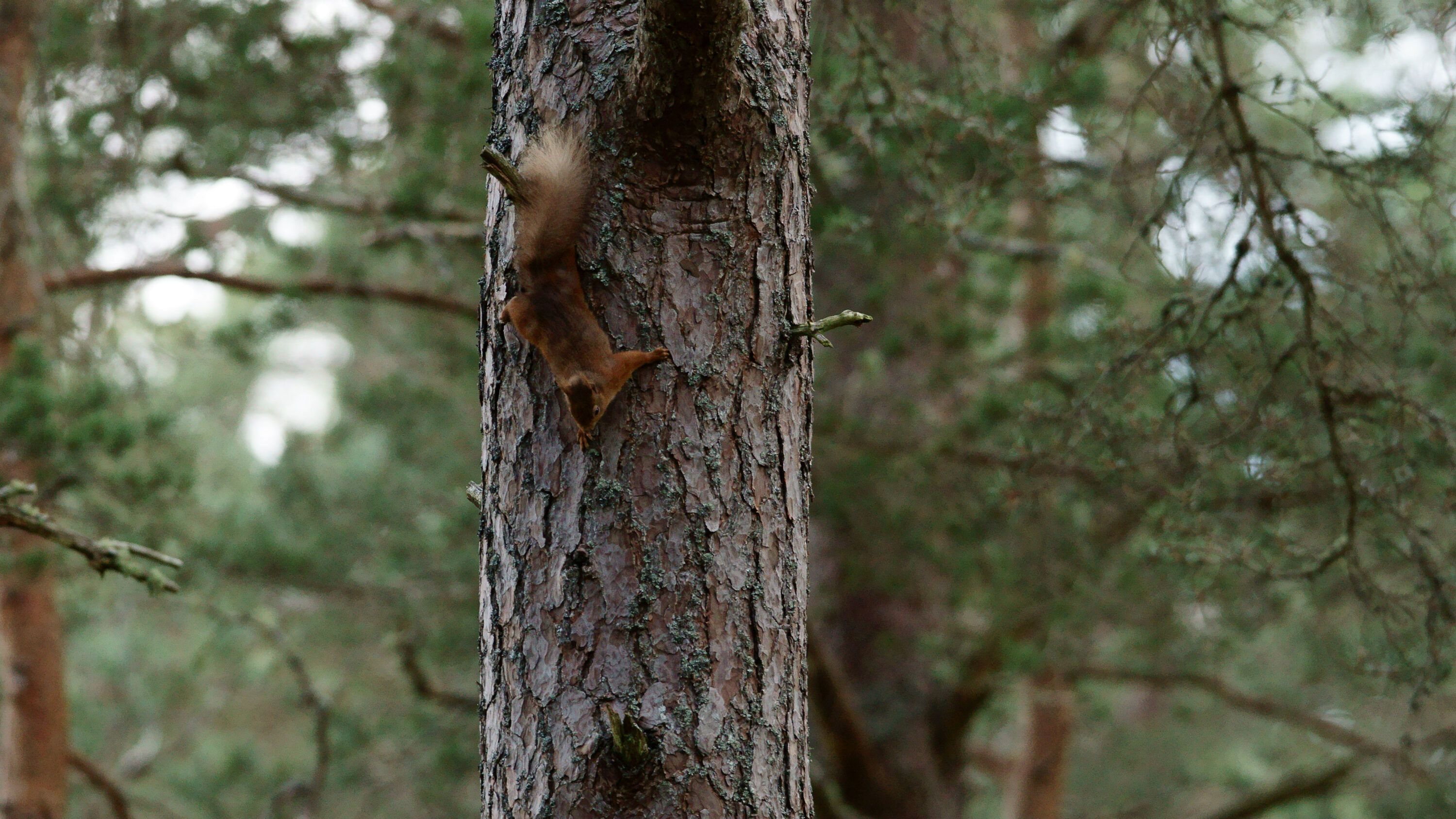
Leprosy left characteristic skeletal lesions in three British Eurasian red squirrels (Sciurus vulgaris) infected with Mycobacterium lepromatosis. The study, first published on 10 March 2026, is the first to define a range of skeletal features associated with leprosy in red squirrels.
The researchers examined three adult squirrel skeletons from Scotland that had previously tested positive for M. lepromatosis and had soft-tissue lesions consistent with the disease. Macro- and microscopic examination showed bone destruction, new bone formation, remodelling and increased vascular openings in several parts of the skeleton.
Lesions concentrated in the skull and extremities
The most characteristic changes occurred in the skull, distal limbs and bones of the paws. Two preserved skulls showed destructive lesions and new bone formation in the nasal region. The researchers also found changes in the wrist and ankle bones, metapodials, distal forelimbs and hindlimbs, as well as porous lesions in tail vertebrae.
Many lesions were bilateral, although their severity was not always symmetrical. The authors found that the overall distribution and development of the lesions resembled patterns seen in human leprosy, particularly changes associated with the nose and the ends of the limbs. Leprosy bacteria affect the nervous system; damage to sensory nerves can reduce sensation, promote repeated injury and ulceration, and lead to secondary inflammation of nearby bone. Nerves in cooler distal parts of the body are especially vulnerable, helping explain why the paws and ends of the limbs are characteristic sites of skeletal damage.
The skeletal pattern resembled human leprosy
The authors conclude that the same broad spectrum and anatomical distribution of skeletal lesions known from human leprosy can also develop in red squirrels infected with M. lepromatosis. The resemblance is notable despite the squirrel’s much shorter lifespan and different metabolism.
The study was based on only three infected animals because suitable confirmed specimens are rare. The authors therefore call for additional work on both M. lepromatosis– and M. leprae-infected squirrels to test how consistently the lesion pattern occurs.
Leprosy has been documented in red squirrels in Britain, but its effects had previously been described mainly from soft tissues. The newly identified skeletal pattern gives researchers another way to recognise disease progression in infected animals and may also help identify leprosy in archaeological squirrel remains and other non-human mammals.
Disease, parasites & microbiology
Related news
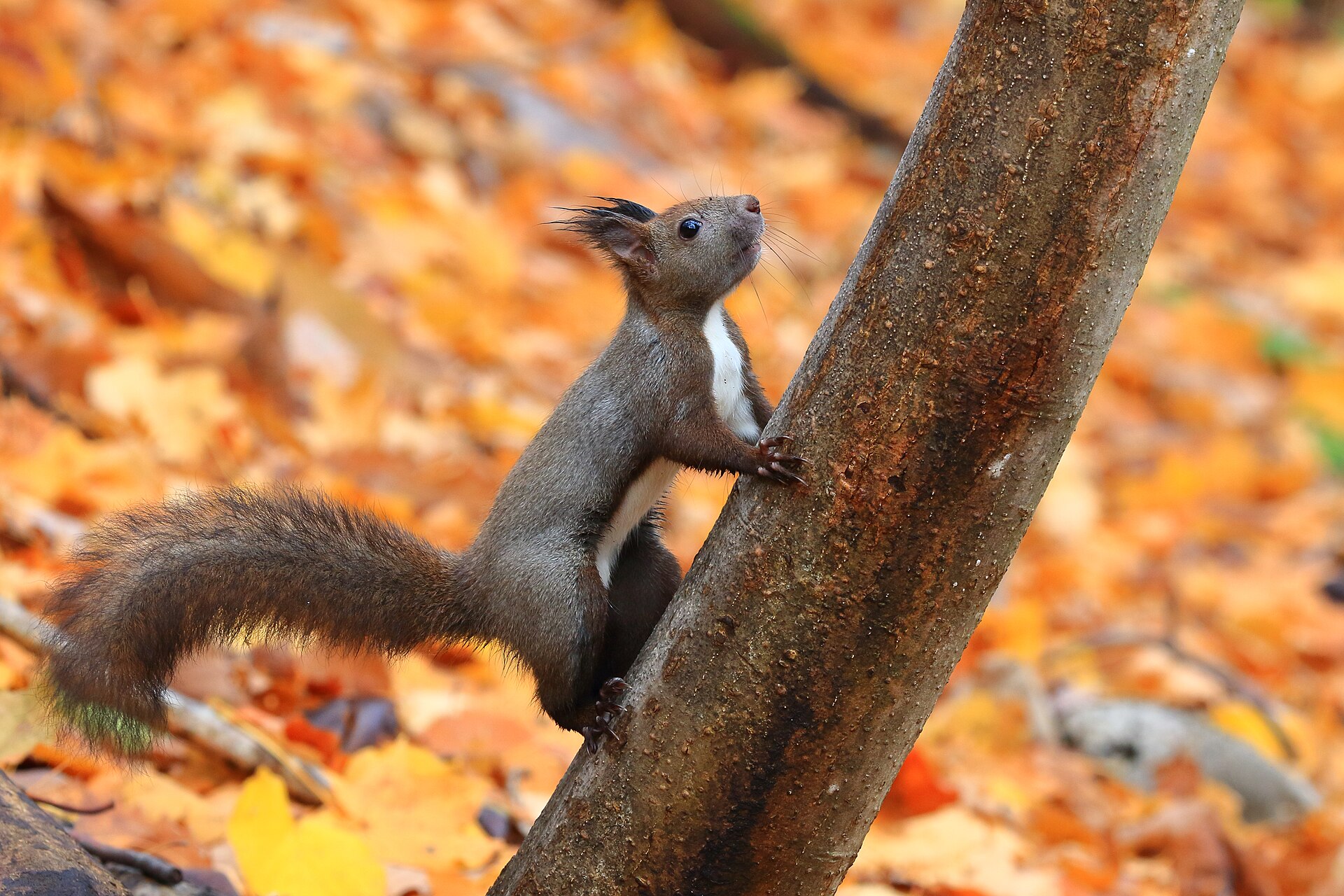
Red Squirrels Stayed at Urban and Rural Sites at Similar Rates on Hokkaido
Across nine sites on Hokkaido, red squirrels had nearly identical four-month probabilities of remaining in urban and rural…
Read story →
Squirrelpox in Dollar Became Scotland’s Northernmost Confirmed Case
A red squirrel from Dollar, Clackmannanshire, had squirrelpox confirmed by pathology and qPCR, making it the northernmost reported…
Read story →
Portugal’s Eurasian Red Squirrels Showed Markedly Low Mitochondrial Diversity
The most comprehensive genetic sampling of Eurasian Red Squirrels in Portugal to date found markedly low mitochondrial diversity,…
Read story →SPECIES IN THIS STORY
Species in this story

Independent research and conservation news archive
Did you find this information useful?
Wildlife Vagabond is independently built and maintained. Voluntary support helps cover source verification, hosting and continued work on research and conservation news.
Support Wildlife VagabondThe news archive will remain freely available.