
Lesser Whitethroat and Wren Captures Increased While Icterine Warbler Captures Declined at a Hungarian Ringing Site
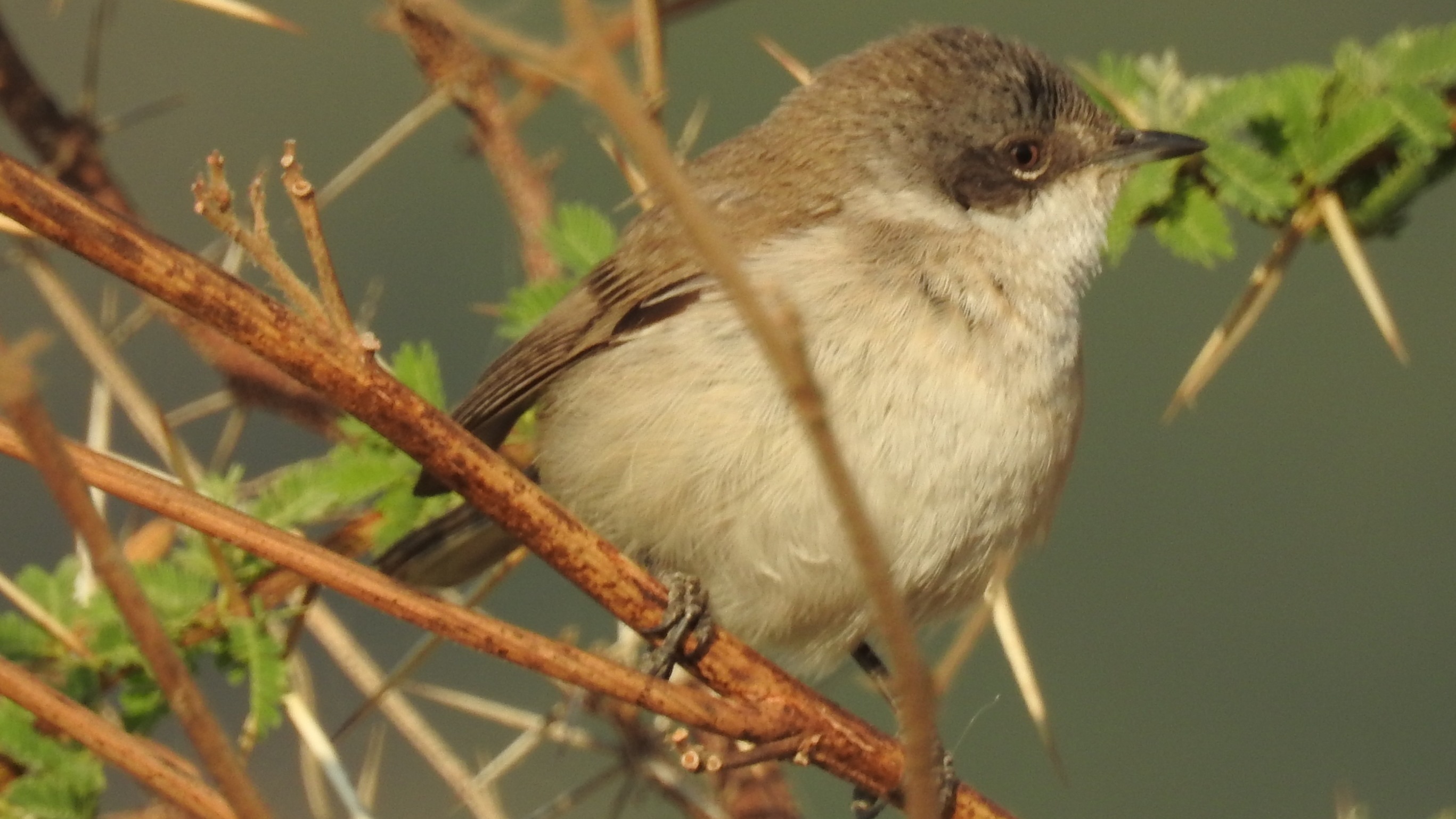
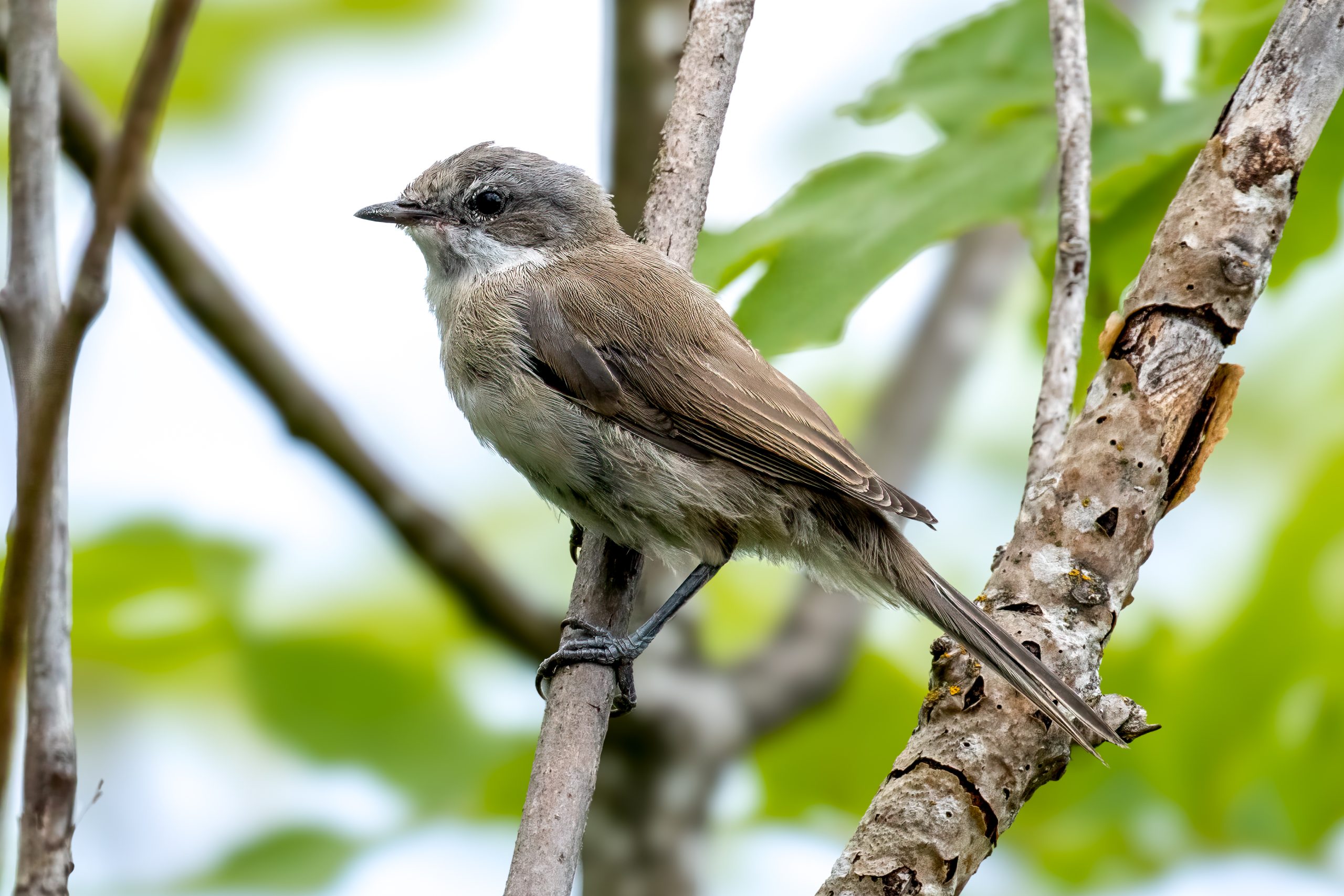
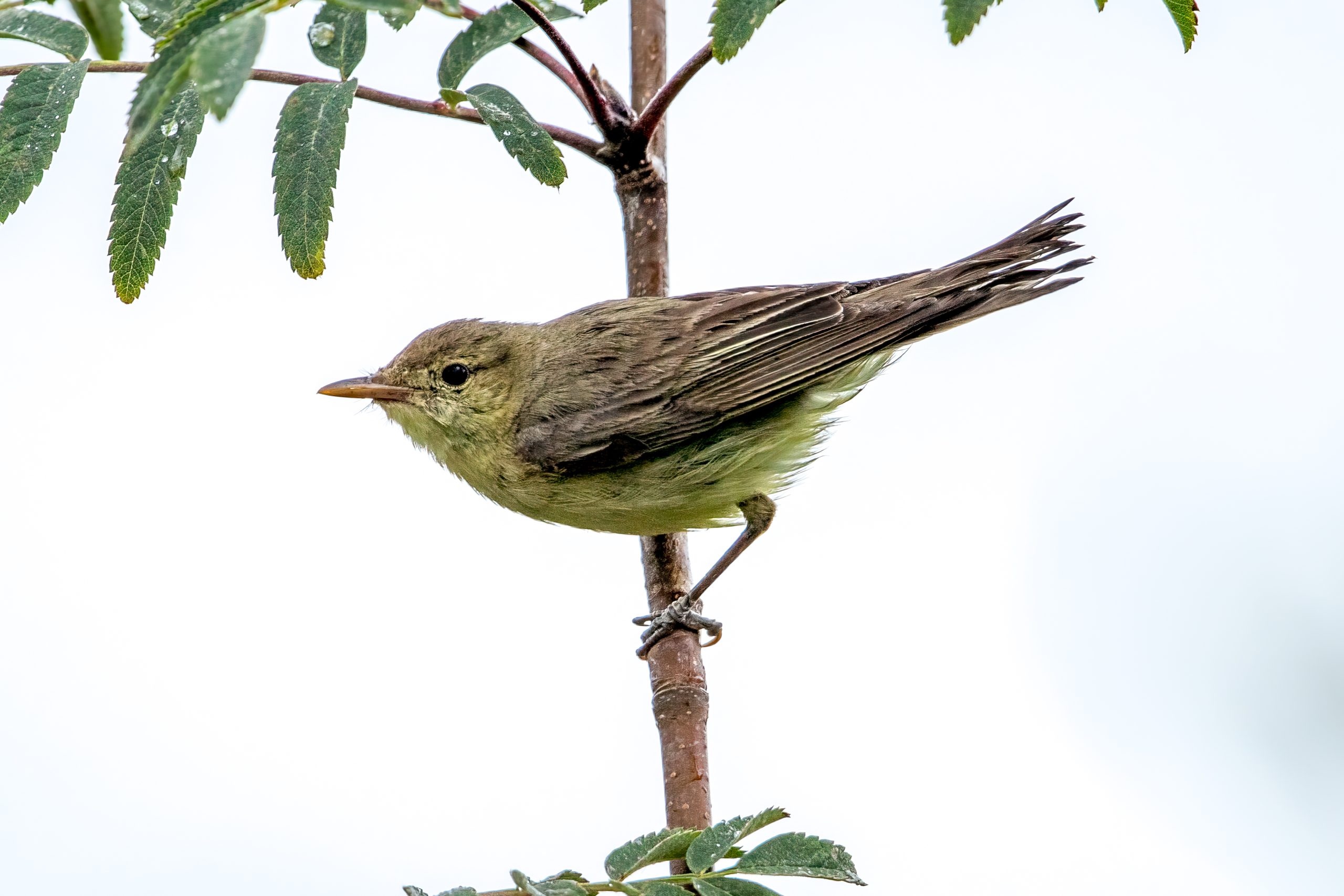
A nine-year standardized ringing study in southeastern Hungary found increases in autumn capture rates of lesser whitethroat (Curruca curruca) and Eurasian wren (Troglodytes troglodytes), while capture rates of icterine warbler (Hippolais icterina) declined. The study analysed changes in 25 passerine species at the same ringing site from 2016 to 2024.
Mist nets are fine mesh nets stretched between supports to temporarily capture flying birds so they can be handled, measured or sampled.
Fieldwork took place near Kevermes in a former pheasant-farm woodland and along an adjacent dried drainage canal. Thirteen mist nets were kept in the same positions and operated on the same schedule each autumn from 1 August to 31 October, making captures comparable across years.
Most species showed no clear trend
A total of 14,229 birds of 74 species were captured during the study. The trend analysis focused on 25 species recorded every year, giving 11,917 ringing encounters in the analysed dataset.
Lesser whitethroat and Eurasian wren were among the species whose standardized capture indices increased across the nine years. The icterine warbler capture index showed the opposite pattern and declined. Wood warbler and common nightingale also showed strong upward tendencies, but these changes were too uncertain to distinguish clearly from no change.
Year-to-year variation remained large
For most species, the study did not detect a clear long-term change. The author notes that annual capture totals can fluctuate strongly because of differences in breeding success and adult survival, and that trends measured at a single local site do not necessarily match national population trends.
The site itself is an anthropogenic woodland dominated by planted Russian olive, with a dried drainage canal containing shrubs and reed vegetation. The long-running use of fixed net positions and a repeated seasonal schedule allowed changes in capture rates to be compared under a consistent sampling design.
Population & status
Related news
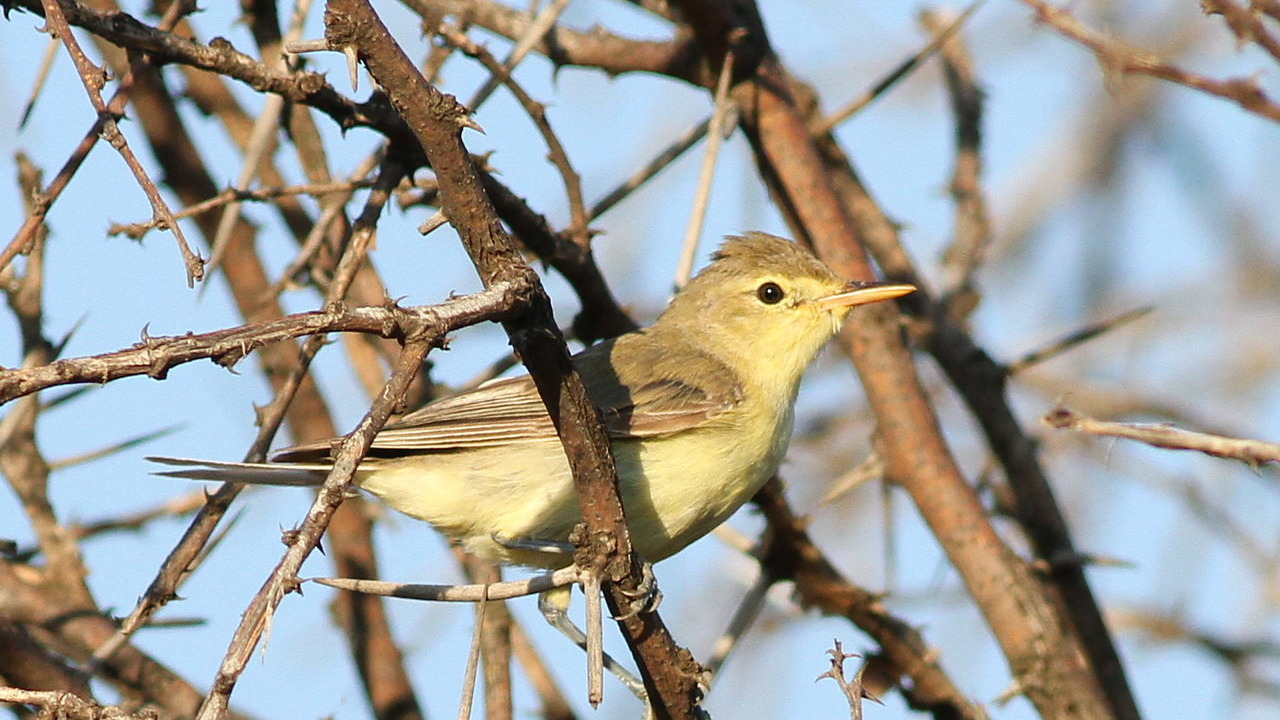
Ten Migrants Followed Early-slow and Late-fast Passage Strategies Through Nigeria
Twenty-four years of ringing data from Jos showed striking species differences in migration timing: Icterine Warblers were among…
Read story →
More Urbanised Streams Had Fewer Insectivorous Bird Species Across Five European Cities
Across 102 urban streams in five cities in Portugal, France, Italy, Belgium and Norway, insectivorous bird richness was…
Read story →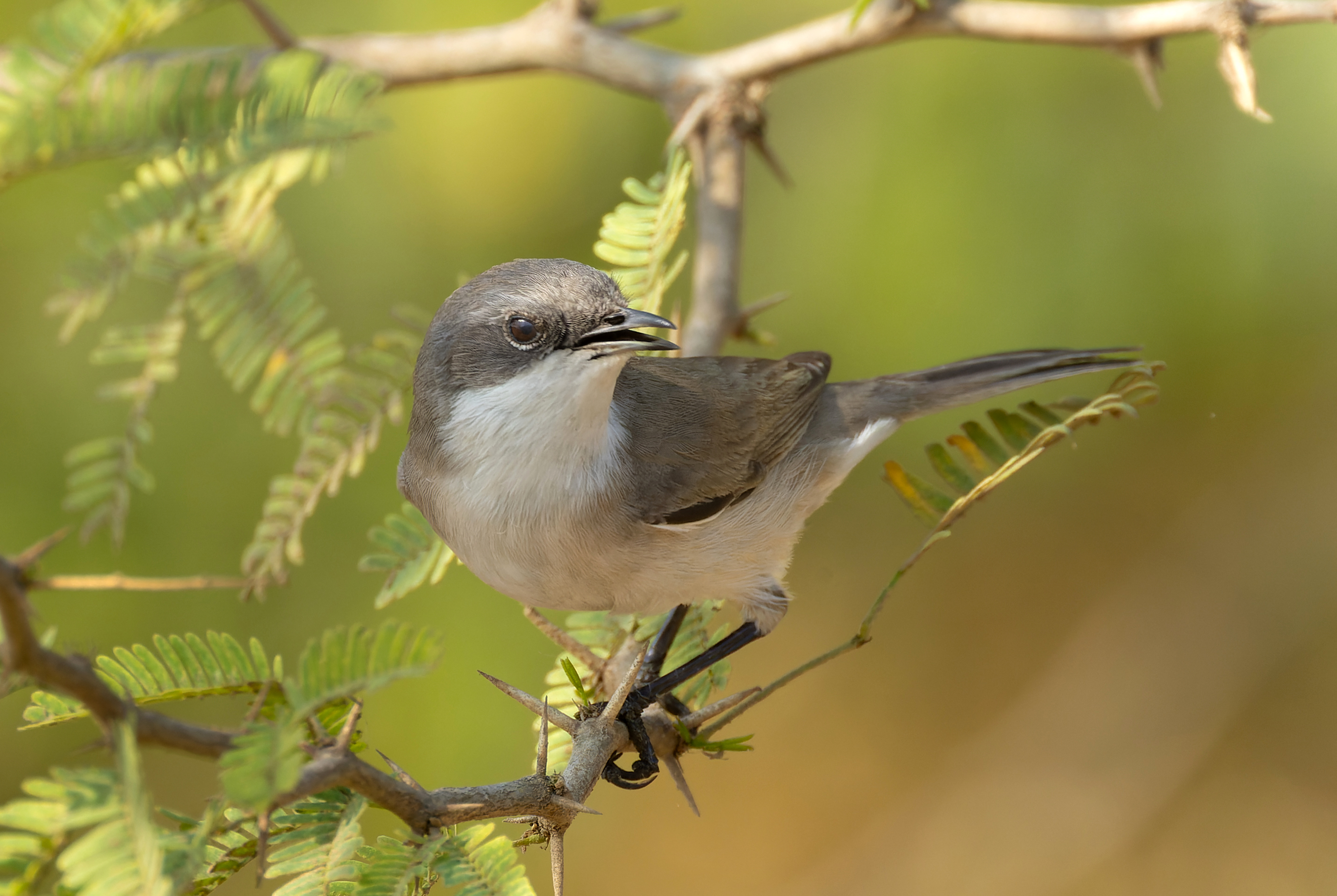
Two Lesser Whitethroats Held Territory in Planted Scrub at Brownside Braes
Two singing Lesser Whitethroats held territories in May 2026 within deliberately planted thorn scrub at Brownside Braes. The…
Read story →SPECIES IN THIS STORY
Species in this story

Independent research and conservation news archive
Did you find this information useful?
Wildlife Vagabond is independently built and maintained. Voluntary support helps cover source verification, hosting and continued work on research and conservation news.
Support Wildlife VagabondThe news archive will remain freely available.