
Lions climbed trees more often in wet-season afternoons, while leopards showed a different pattern
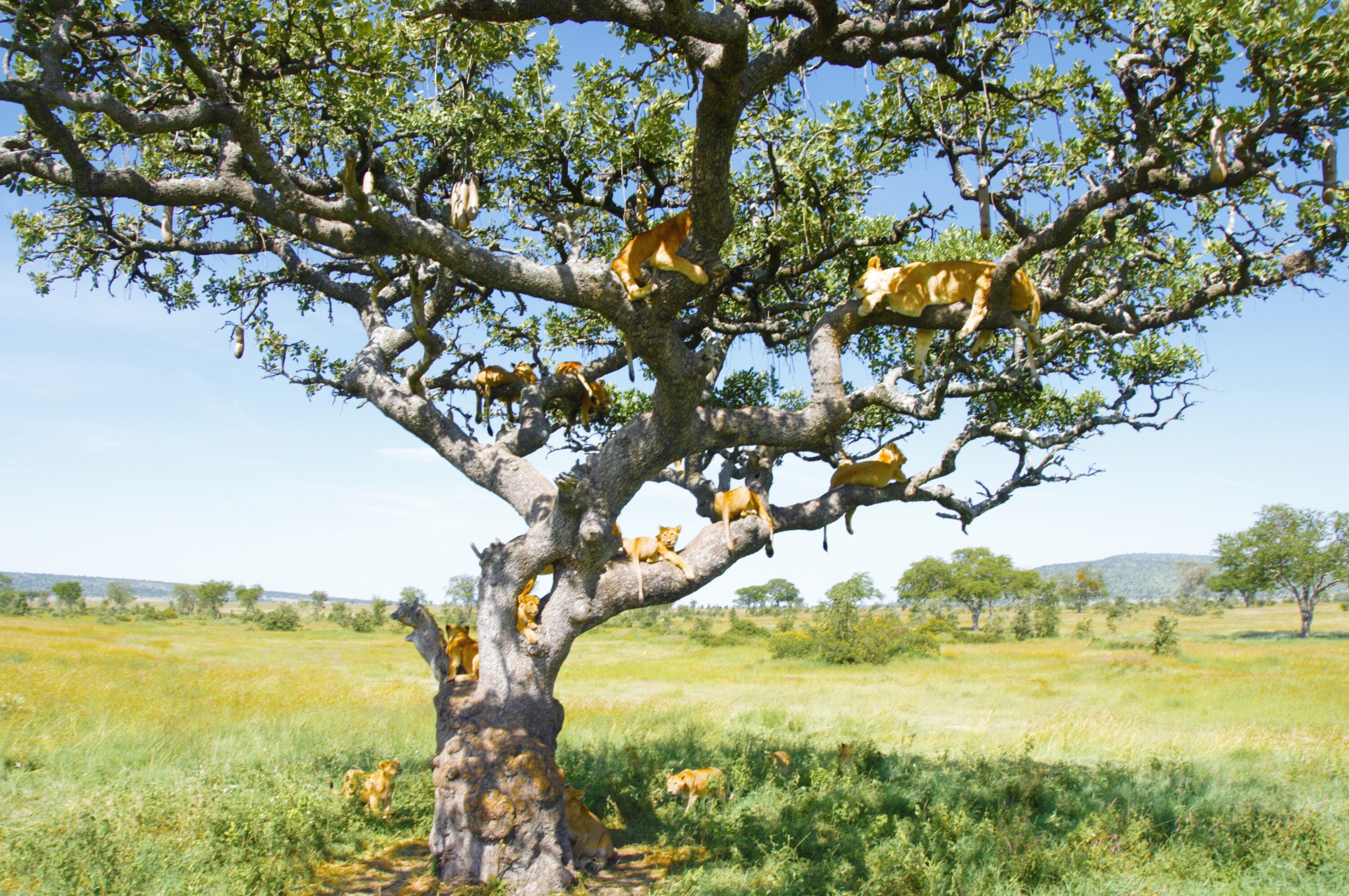
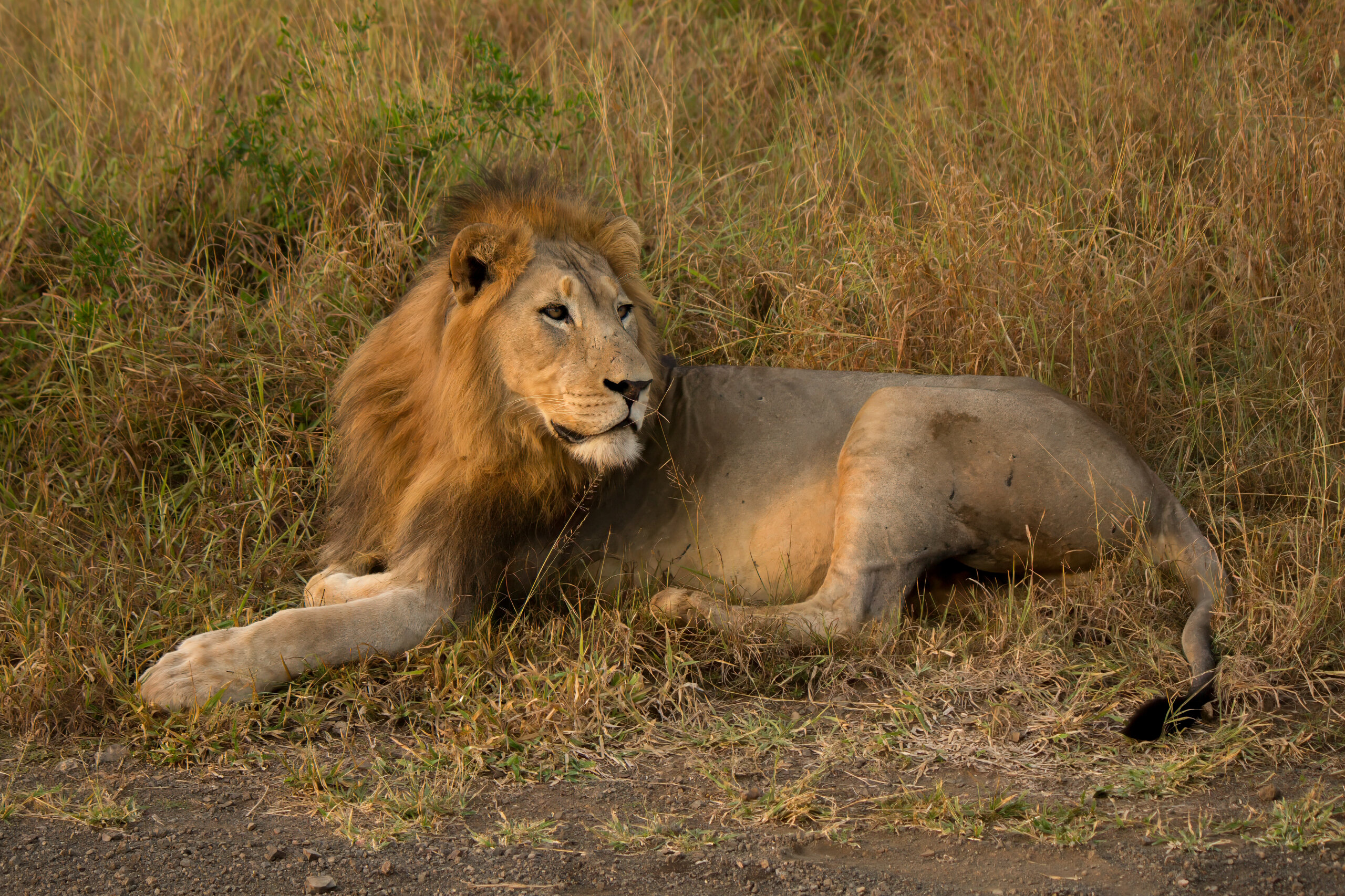
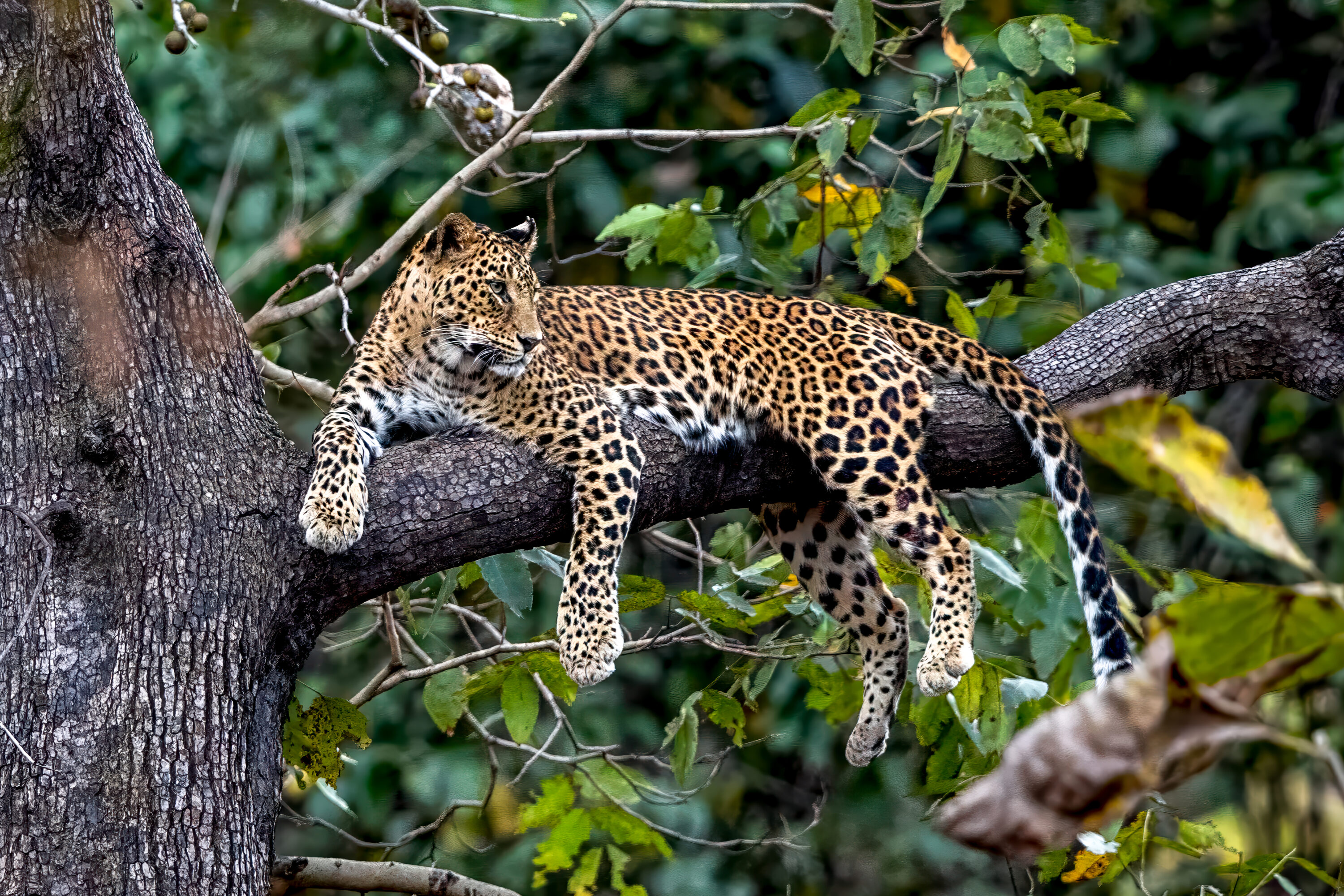
Field observations from northern Tanzania show that tree climbing plays very different roles in African lions (Panthera leo) and leopards (Panthera pardus). A study published in 2026 found that lions were more likely to be seen in trees during the wet season and later in the day, while leopard tree use was frequent throughout the year and strongly associated with prey carcasses.
The study used opportunistic observations collected between 2013 and 2020 in several areas, including Tarangire, Lake Manyara, Ngorongoro and Serengeti. The researcher recorded 570 lion sightings and 127 leopard sightings. Across all encounters, arboreal behaviour occurred in 7.9% of lion sightings and 71.7% of leopard sightings. When only encounters with a climbable tree nearby were considered, the figures rose to 13.8% for lions and 75.2% for leopards.
Lions climbed more in wet-season afternoons
For lions, the probability of tree climbing was clearly higher in the wet season and increased through the daytime towards the afternoon, although the time-of-day effect was less precisely estimated than the seasonal effect. Females and subadults were also observed in trees proportionally more often than adult males. The presence of a prey carcass showed little association with whether lions climbed.
Leopard tree use was strongly associated with carcasses
Leopards showed a different pattern. Their arboreal behaviour was not clearly linked to season, but it was substantially more likely when a prey carcass was present and peaked around the middle of the day. This fits the established role of trees in leopard foraging ecology, where carcasses can be cached above ground away from dominant competitors.
The author interprets lion tree climbing as a flexible, context-dependent behaviour rather than a specialised part of their ecology. The wet-season and afternoon patterns are compatible with ideas involving heat, visibility over taller grass or other changing conditions, but the study did not directly measure body temperature, vegetation structure, prey abundance or biting insects and therefore does not identify a single cause.
The author also notes that observations were opportunistic, individuals were not consistently identified and some animals may have been recorded more than once. The encounter frequencies should therefore not be read as precise estimates of how common tree climbing is in the wider populations. Arboreal behaviour occurred across several lion populations, but its ecological context differed sharply from that of sympatric leopards.
Behaviour
Related news
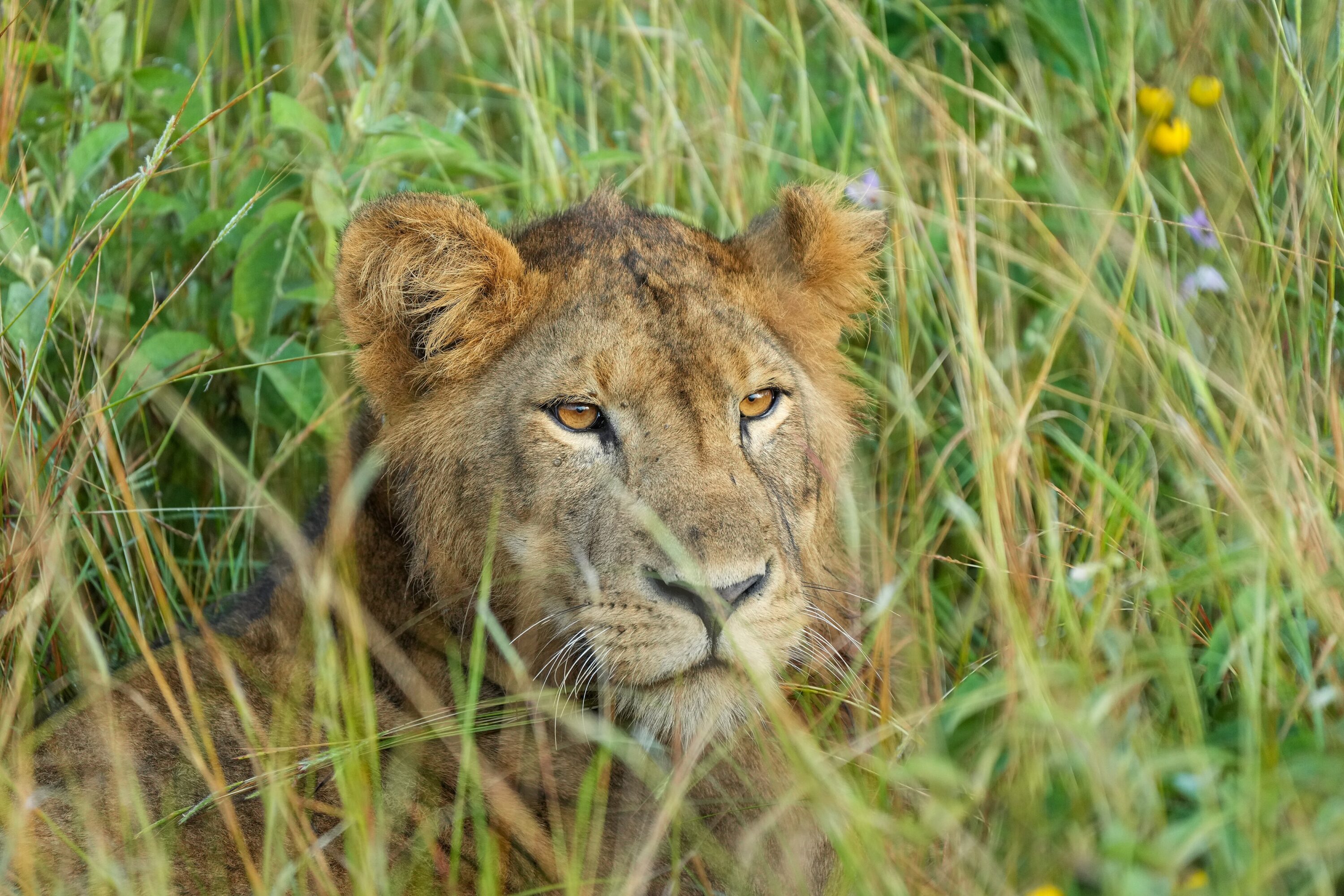
Livestock conflict with large carnivores is widespread across Queen Elizabeth National Park
Researchers documented 139 confirmed livestock-depredation events involving lions, leopards and spotted hyenas across 11 communities in Queen Elizabeth…
Read story →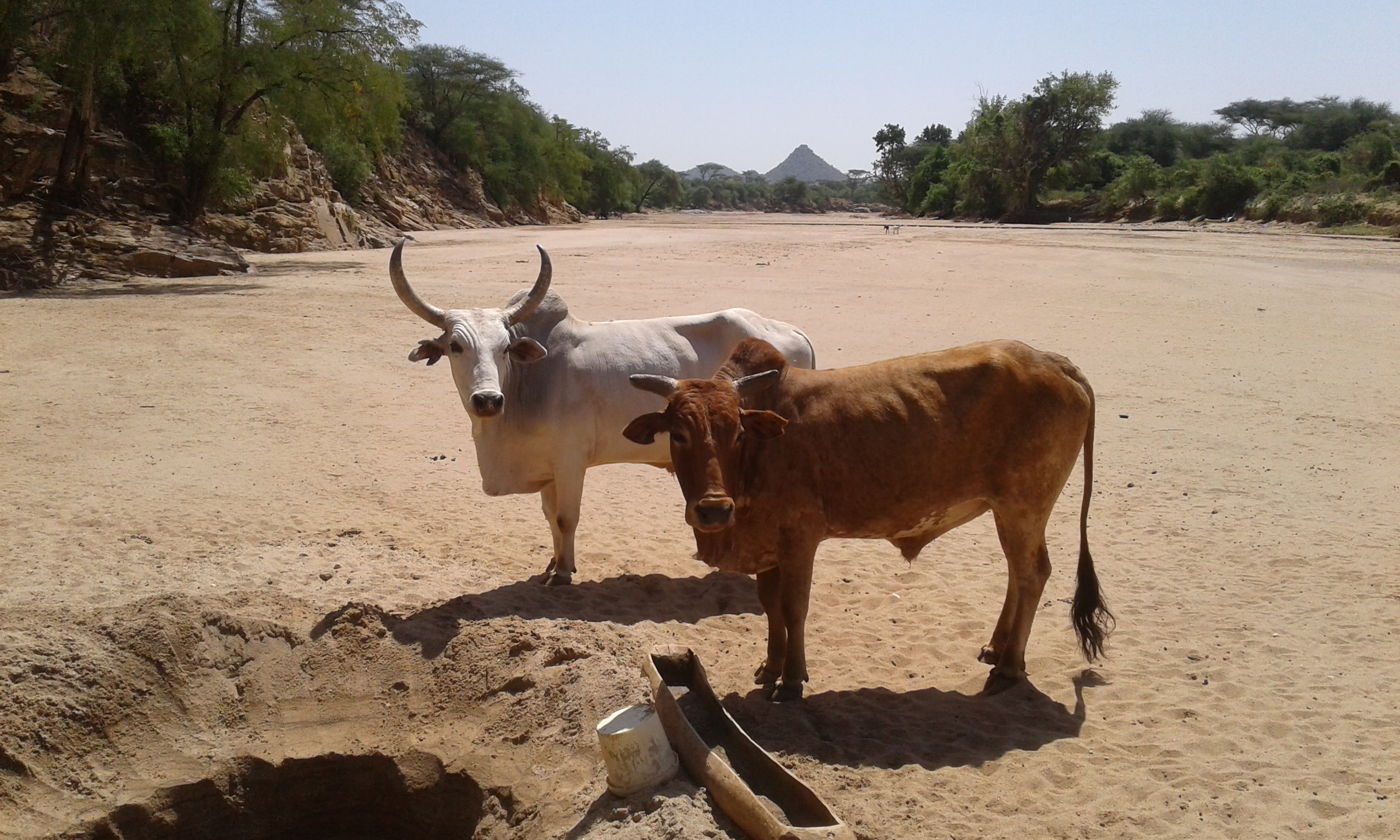
Livestock Losses Varied Strongly Among Households and Carnivores in Ethiopia’s Omo Valley
In a survey of 147 households near Omo National Park, 36.1% reported losing livestock to carnivores during the…
Read story →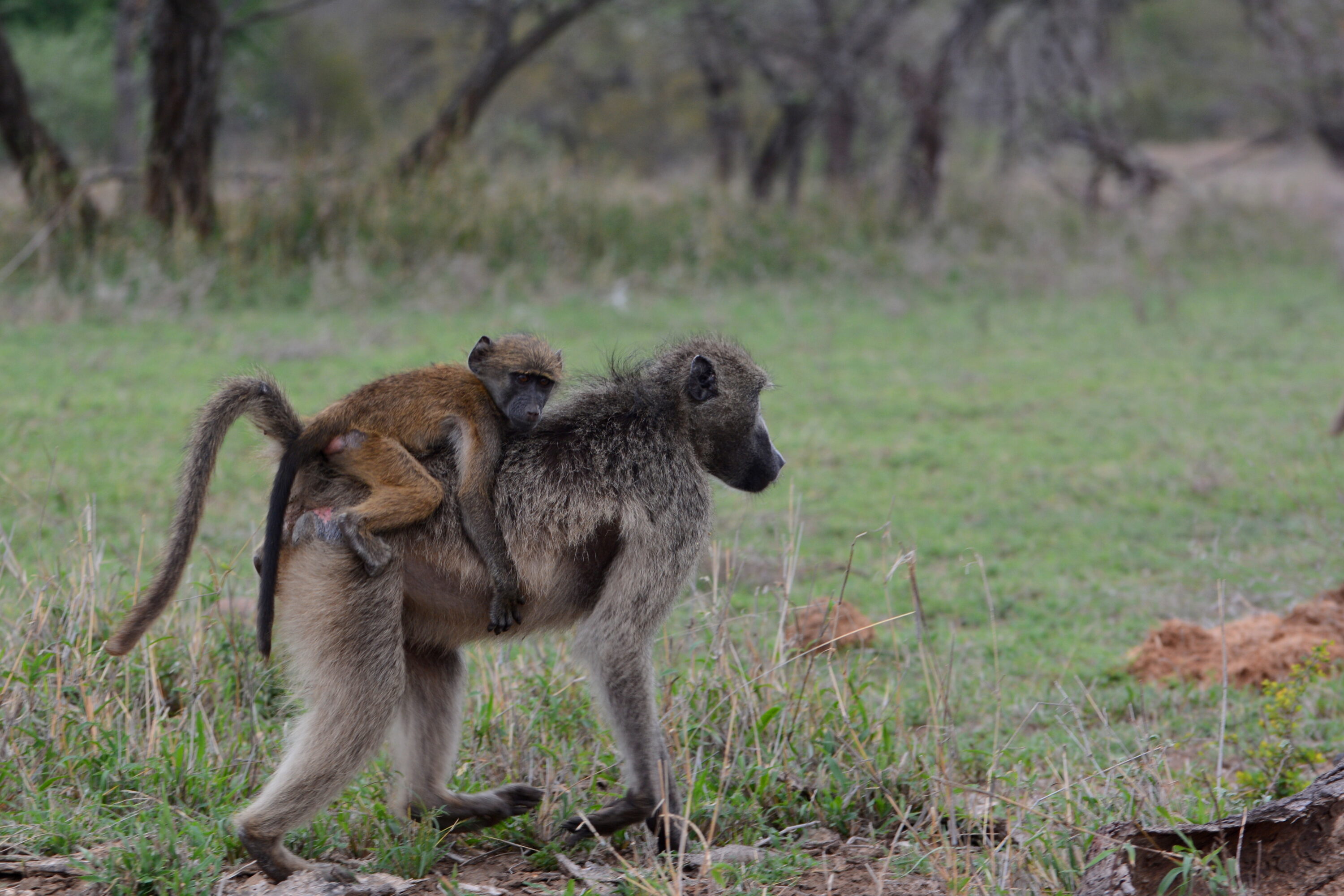
Camera traps found no evidence that baboons avoided sites for days after predators passed
Across four savanna sites, camera traps showed no clear decrease in baboon detections during the 72 hours after…
Read story →SPECIES IN THIS STORY
Species in this story
Independent research and conservation news archive
Did you find this information useful?
Wildlife Vagabond is independently built and maintained. Voluntary support helps cover source verification, hosting and continued work on research and conservation news.
Support Wildlife VagabondThe news archive will remain freely available.