
Camera traps found no evidence that baboons avoided sites for days after predators passed
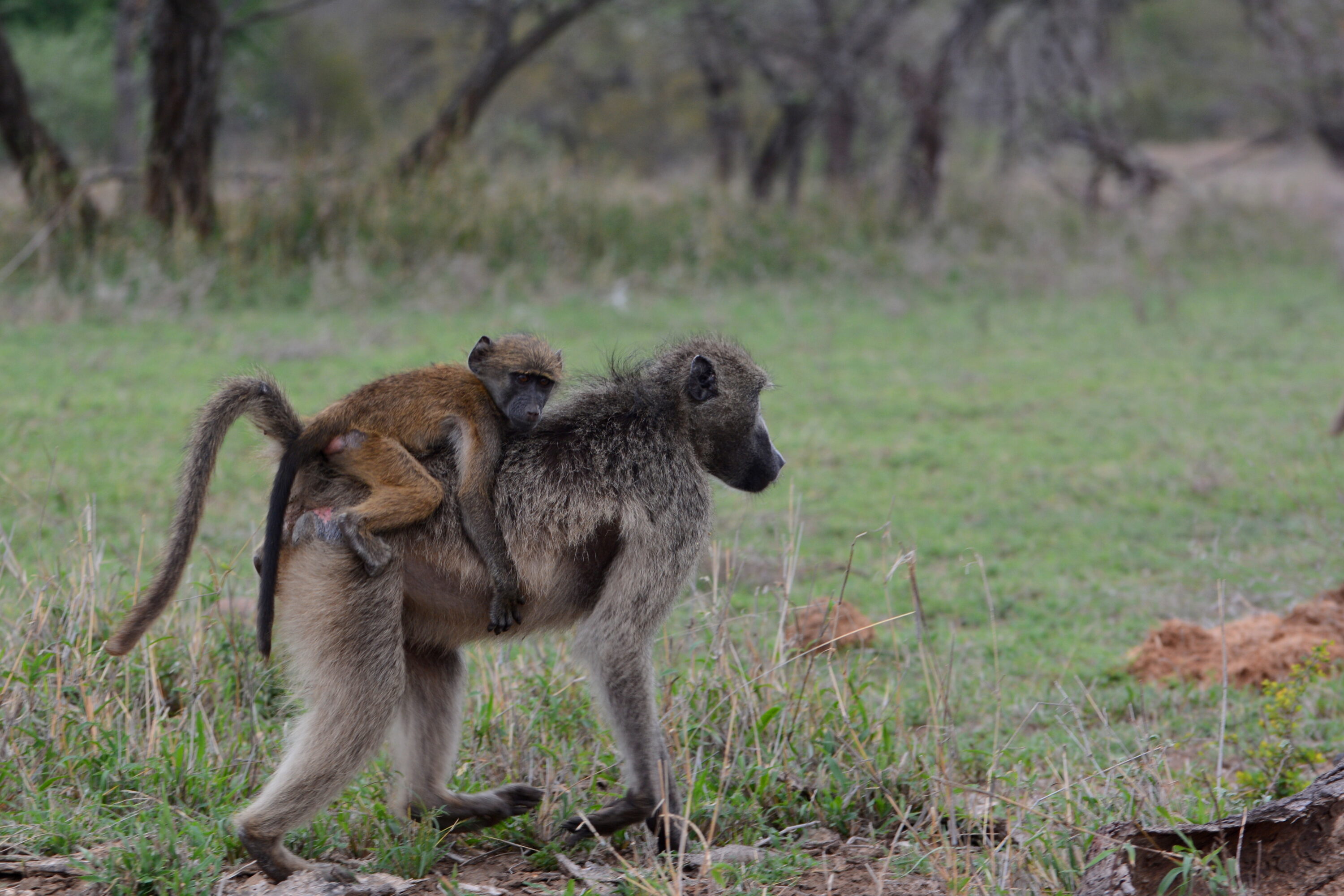
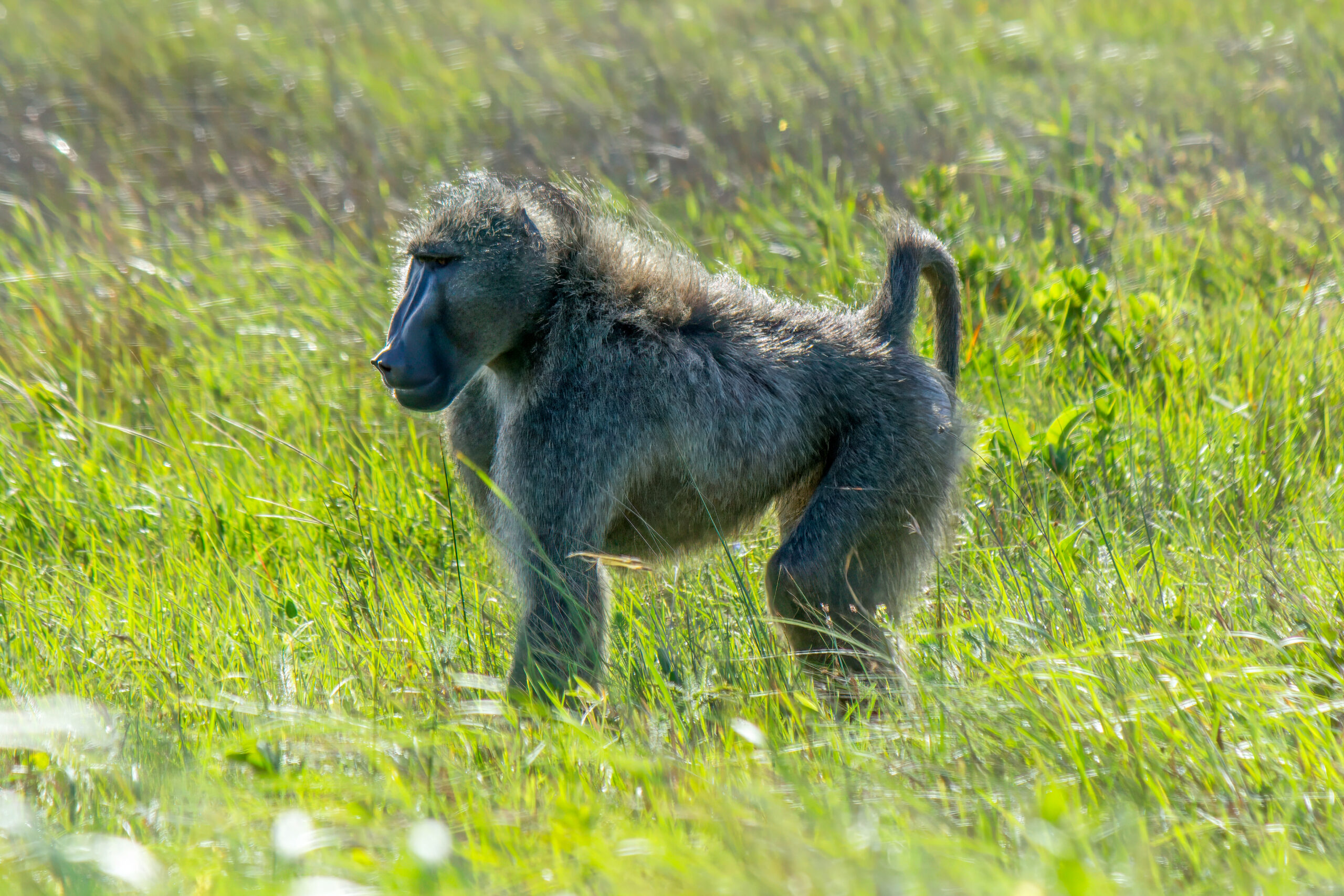
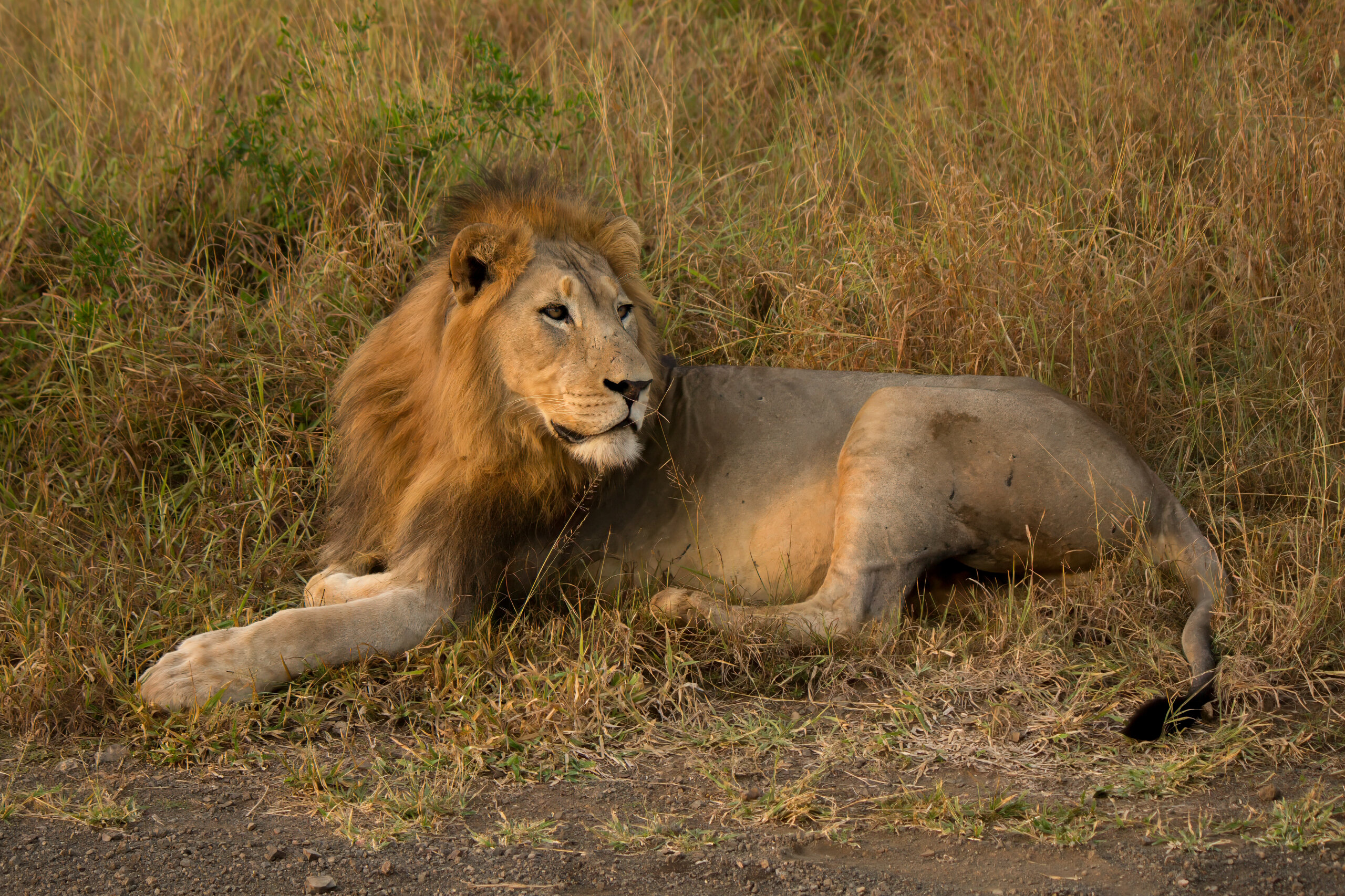
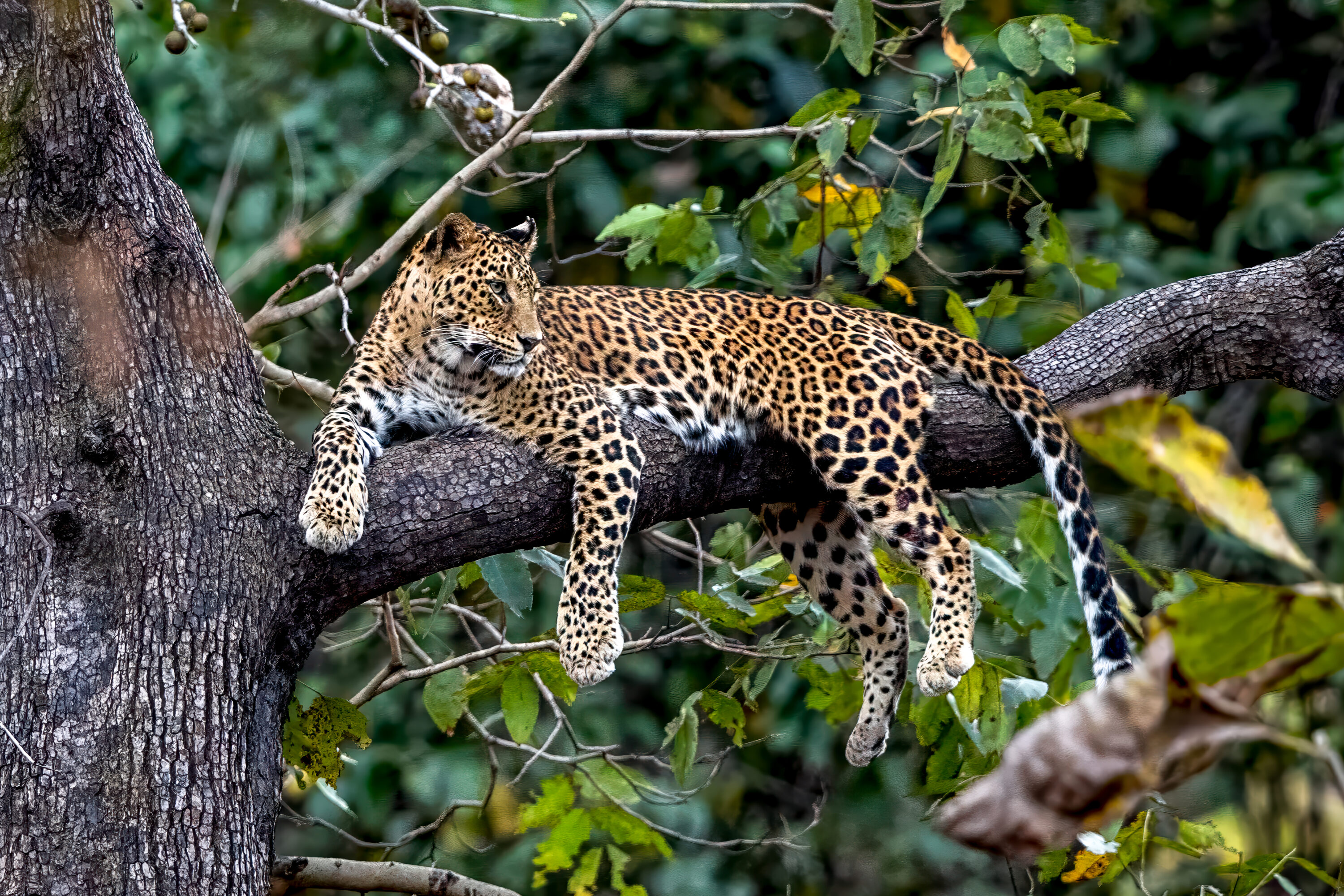
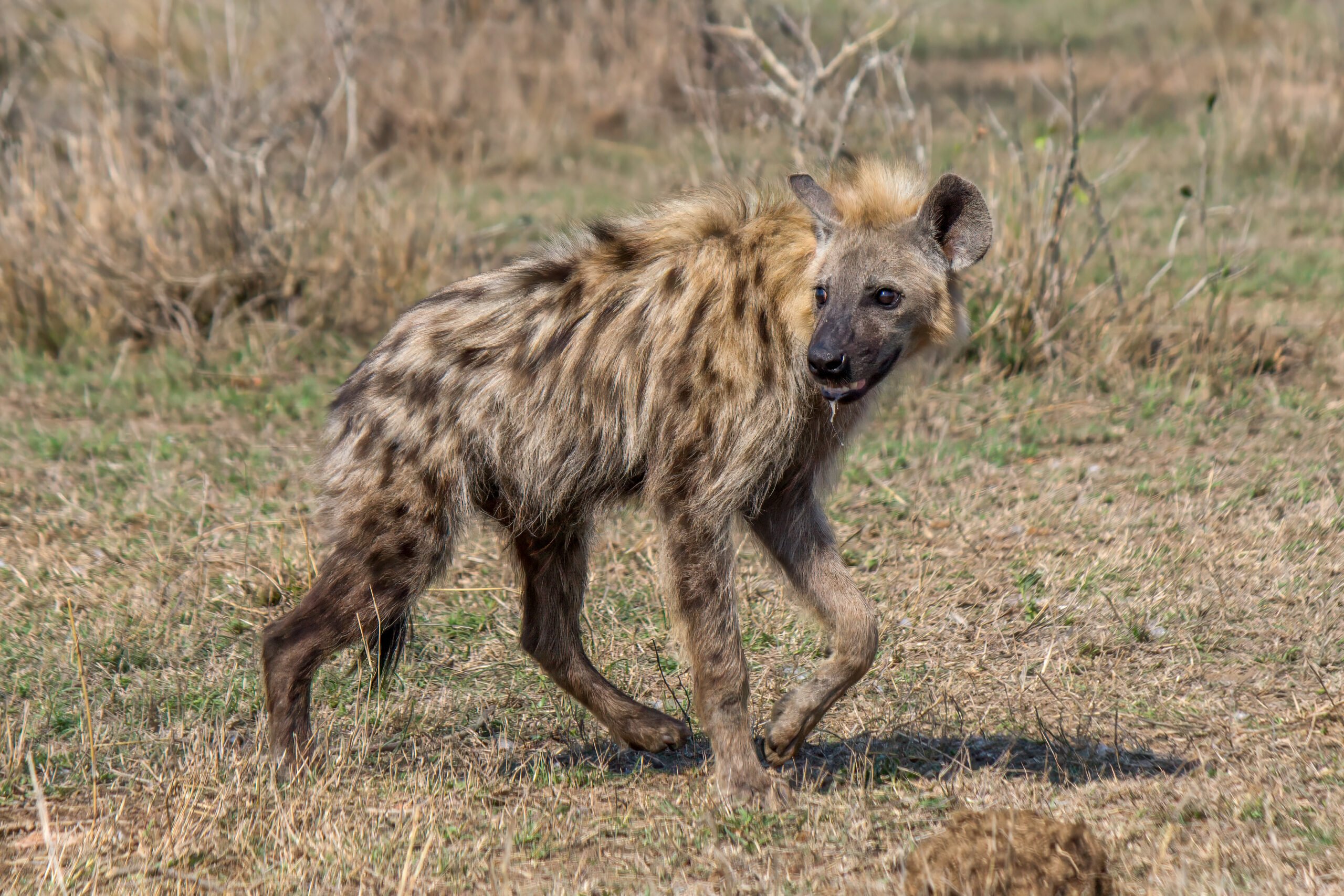
A 2026 camera-trap study found no evidence that chacma baboons (Papio ursinus) and olive baboons (Papio anubis) avoided locations for up to three days after lions, leopards or spotted hyenas had been recorded there.
Researchers analysed data from the Snapshot Safari camera-trap network at four savanna sites: Madikwe Game Reserve, Tswalu Kalahari Private Wildlife Reserve and the Associated Private Nature Reserves in South Africa, and Serengeti National Park in Tanzania. The data included 3,042 baboon detections and 6,958 detections of three major predators: lion (Panthera leo), leopard (Panthera pardus) and spotted hyena (Crocuta crocuta).
The study focused on what the authors call reactive avoidance. Rather than asking whether baboons flee when they directly encounter a predator, the researchers tested whether baboons temporarily reduced their use of a camera location after a predator had passed through it.
For every predator detection, baboon records were examined in three consecutive periods: 0–24 hours, 24–48 hours and 48–72 hours afterwards. Randomisation tests compared the observed number of baboon detections with the numbers expected if the timing of baboon records was unrelated to predator passage.
No multi-day avoidance was detected after predator passage
Across the study sites, the researchers found no clear decrease in baboon detections in any of the three periods after lions, leopards or spotted hyenas had been recorded. Even in Serengeti, where baboon detections were considerably more frequent than at the South African sites, there was no detectable reactive avoidance during the following 72 hours.
No multi-day avoidance does not mean no predator response
The result does not mean that baboons fail to respond to predators. The study distinguishes this multi-day response from immediate reactions such as fleeing, alarm calling or attacking a predator, and from proactive strategies used before an encounter. The authors suggest that baboons may instead rely more strongly on short-term responses, advance avoidance through habitat choice or activity timing, and in some circumstances aggressive retaliation. Tall trees can provide rapid refuge from terrestrial predators, while group sentinels and alarm calls can help baboons detect danger early and retreat without abandoning a resource-rich area for several days.
The authors also note that some site-and-predator combinations had relatively few detections, so a weak avoidance response may have been difficult to detect. As a check on the method, Burchell’s zebras clearly avoided sites during the first 24 hours after lion detections, but that pattern could no longer be distinguished when the zebra data were reduced to roughly the same number of detections as the baboon data. Their conclusion is therefore specifically that the camera-trap data provided no evidence for the tested form of reactive avoidance lasting from one to three days.
Behaviour
Related news
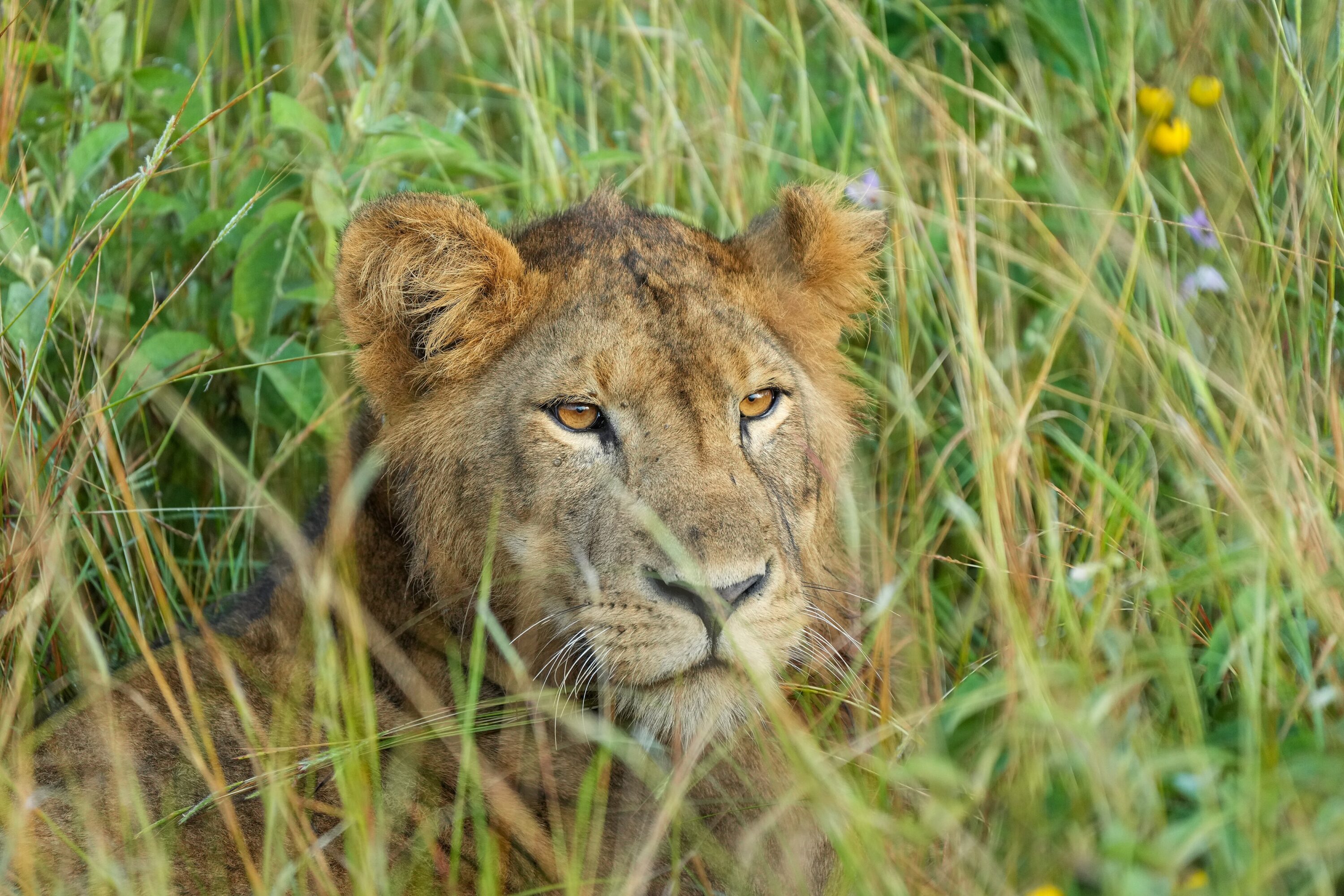
Livestock conflict with large carnivores is widespread across Queen Elizabeth National Park
Researchers documented 139 confirmed livestock-depredation events involving lions, leopards and spotted hyenas across 11 communities in Queen Elizabeth…
Read story →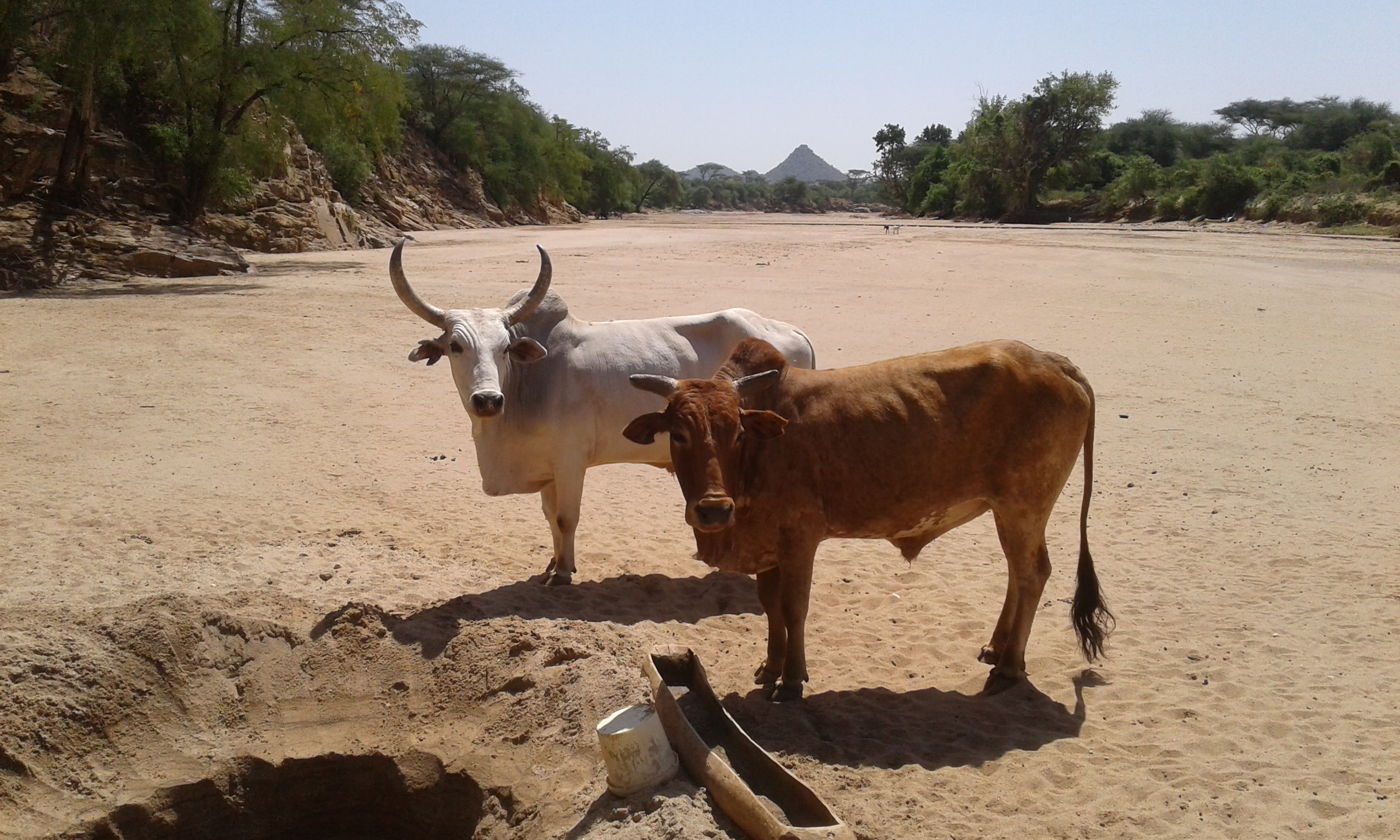
Livestock Losses Varied Strongly Among Households and Carnivores in Ethiopia’s Omo Valley
In a survey of 147 households near Omo National Park, 36.1% reported losing livestock to carnivores during the…
Read story →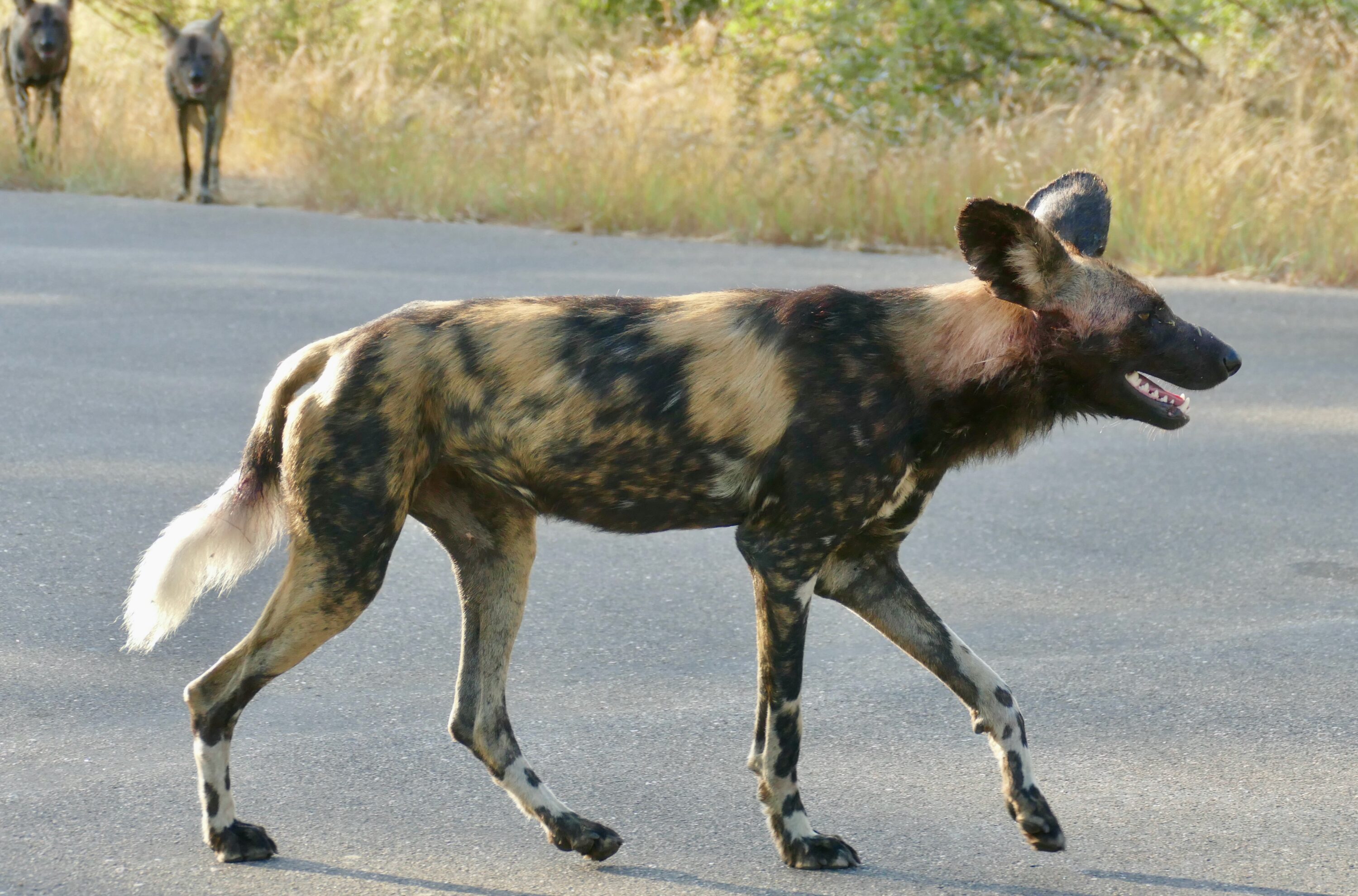
Food Leaves Its Mark on the Gut Bacteria of Kruger’s Wildlife
Gut bacteria in nine mammal species from Kruger National Park followed clear patterns linked to food and digestion.…
Read story →SPECIES IN THIS STORY
Species in this story
Independent research and conservation news archive
Did you find this information useful?
Wildlife Vagabond is independently built and maintained. Voluntary support helps cover source verification, hosting and continued work on research and conservation news.
Support Wildlife VagabondThe news archive will remain freely available.