
Logging and Wildfire Were Projected to Leave More Moose and Bear Forage but Less Caribou Forage for Decades
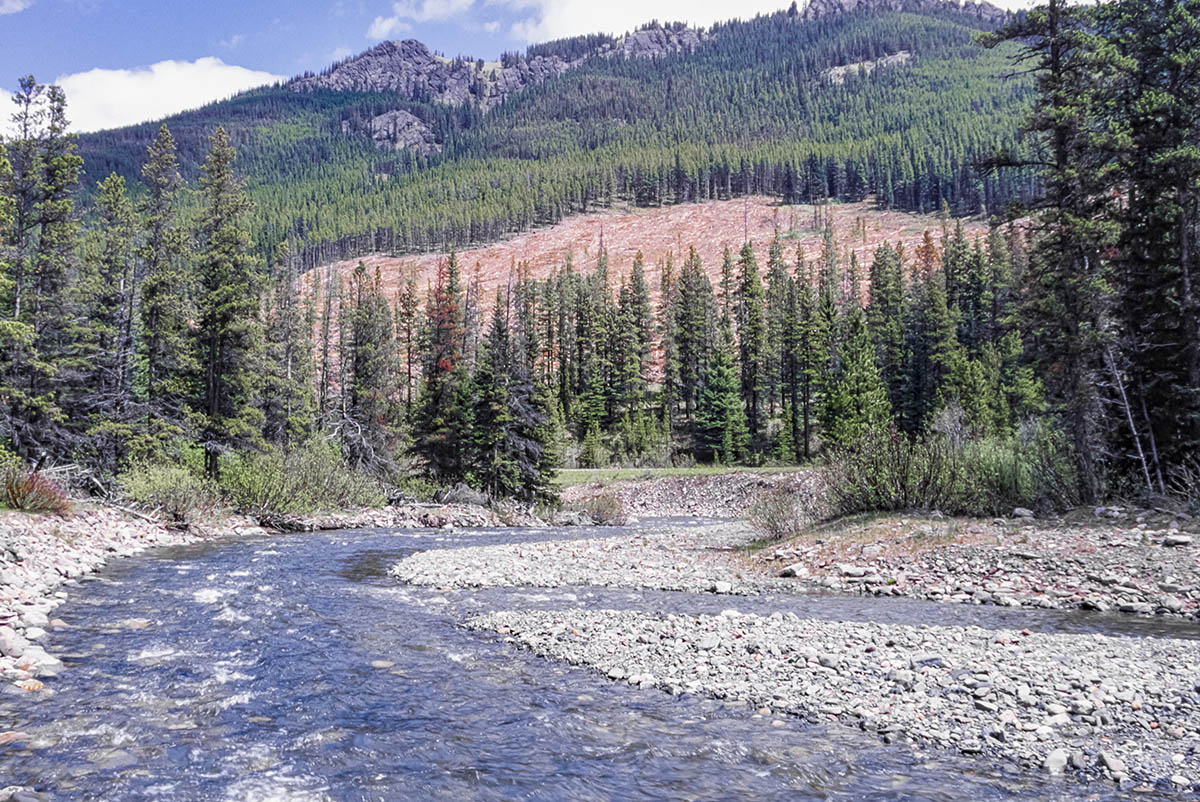
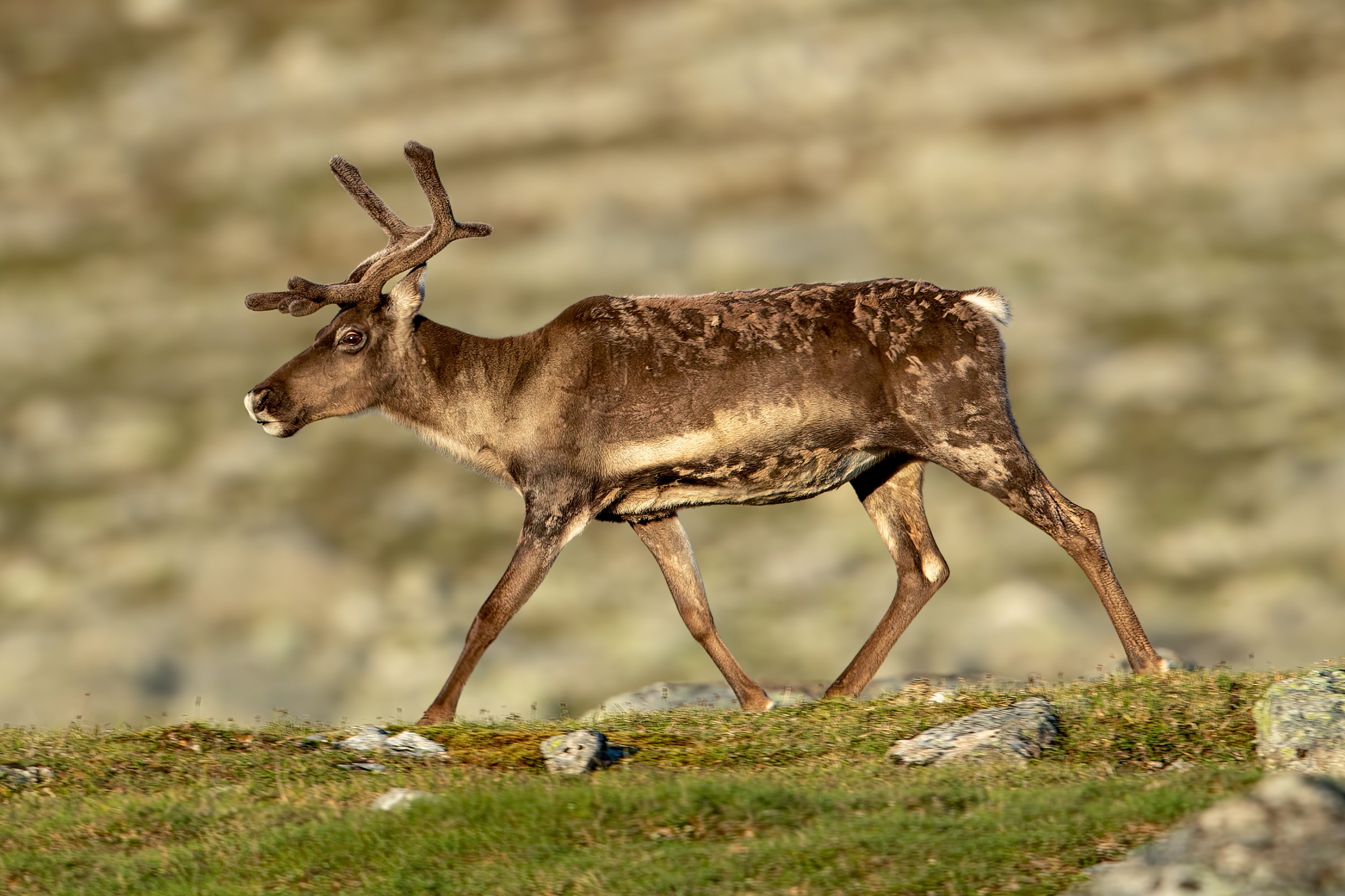
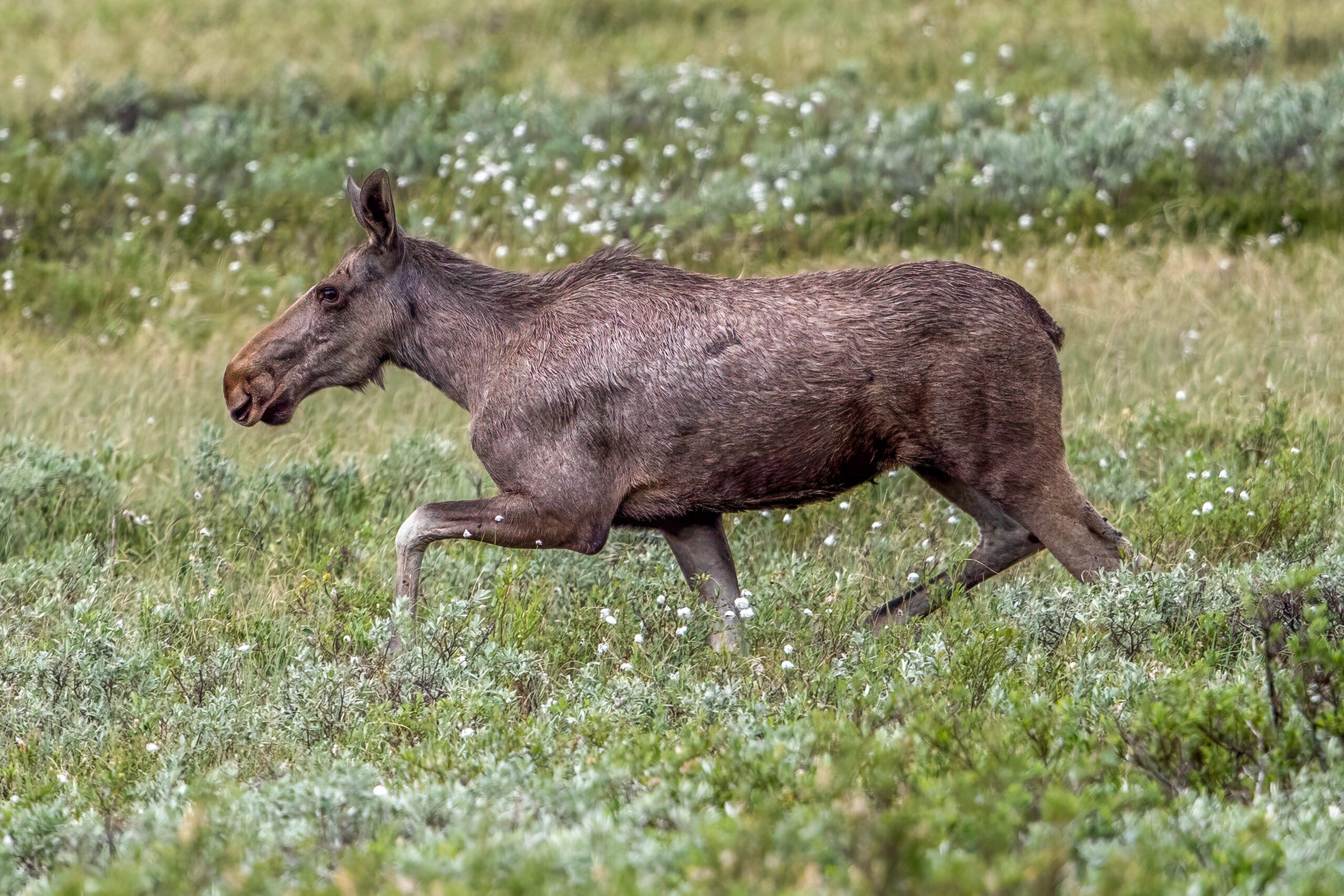
Timber harvest and wildfire were projected to shift forage availability in opposite directions for woodland caribou (Rangifer tarandus caribou) and for moose (Alces americanus) and bears in Alberta, Canada. A study published in April 2026 used forest-growth models to follow post-disturbance vegetation for up to 100 years.
The models were initialized with field data from 250 harvested stands and 259 burned stands that were up to 40 years old. Projected forage was compared with measurements from 256 older stands, more than 40 years since disturbance, that had documented caribou use. The bear forage models covered both black bear (Ursus americanus) and grizzly bear (Ursus arctos).
Forage changes were strongest for five to six decades
The greatest projected changes in forage occurred during roughly the first 50–60 years after disturbance. The trajectories were not identical everywhere: they differed between harvest and wildfire and among Alberta’s ecosystem subtypes. In some ecosystem subtypes, terrestrial lichens used by caribou in winter returned to levels similar to older caribou-use stands about 40 years after harvest or wildfire. Large deciduous shrubs used by moose and bears, however, were projected to reach greater abundance than in the older caribou-use stands at most harvested and burned sites.
Moose and bears gained forage while caribou lost it
The authors therefore conclude that the first few decades after timber harvest or wildfire are likely to provide more forage for moose and bears and less for caribou. One mechanism they highlight is apparent competition: more early-successional forage can support alternative prey such as moose, which can in turn support higher numbers or wider use by predators such as wolves that also kill caribou. Bears are themselves omnivorous predators of caribou, so increased bear forage may also alter how they use disturbed landscapes. The study did not model moose or bear abundance, predator numbers or predation directly; these are ecological consequences suggested by the projected vegetation changes, not outcomes measured in the study.
Ecology
Related news
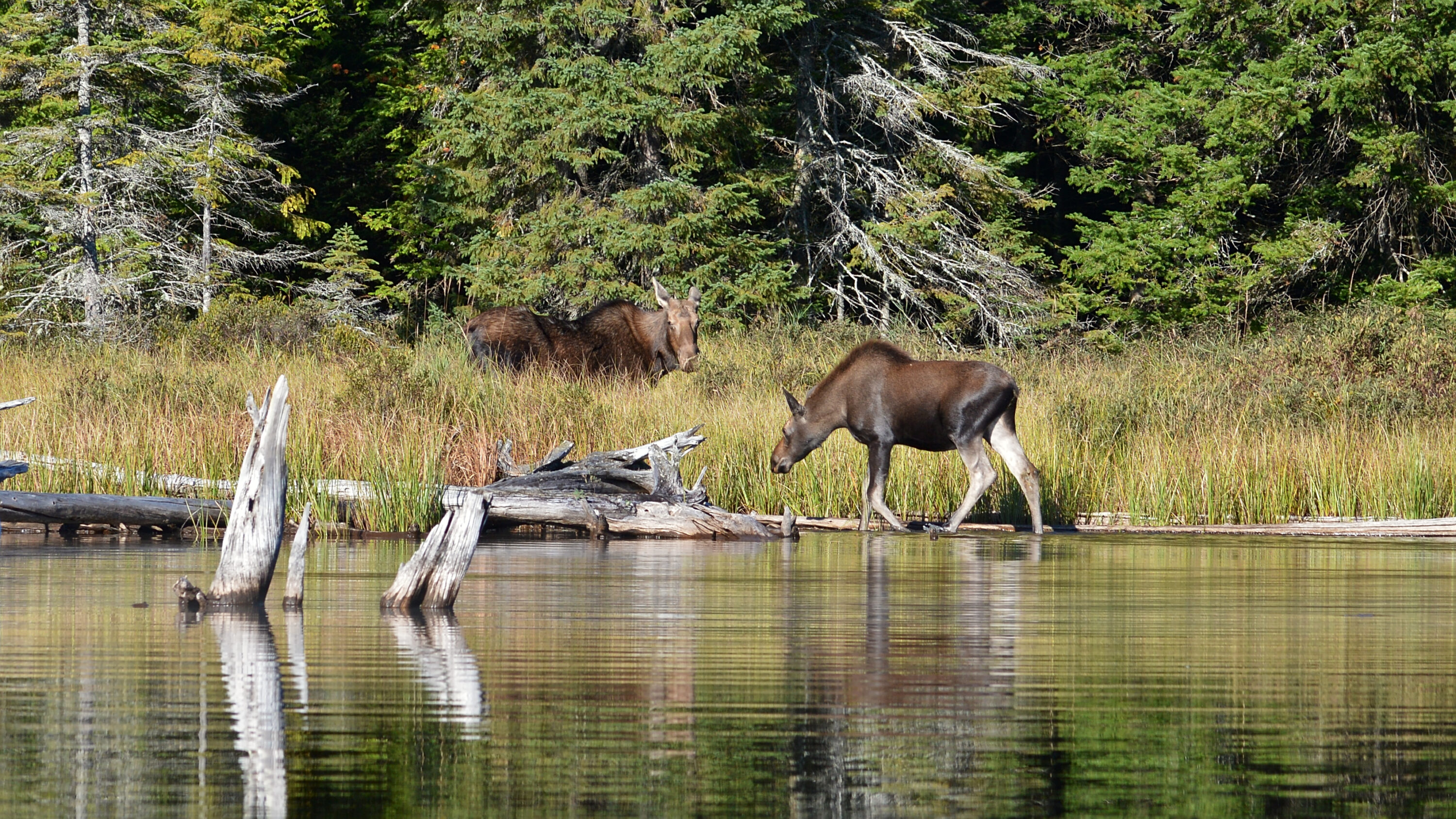
Model Exposes Hard Trade-offs in Managing Moose, Wolves and Caribou
A 50-year Ontario simulation found that combined, moderate interventions balanced the three species better than any single measure,…
Read story →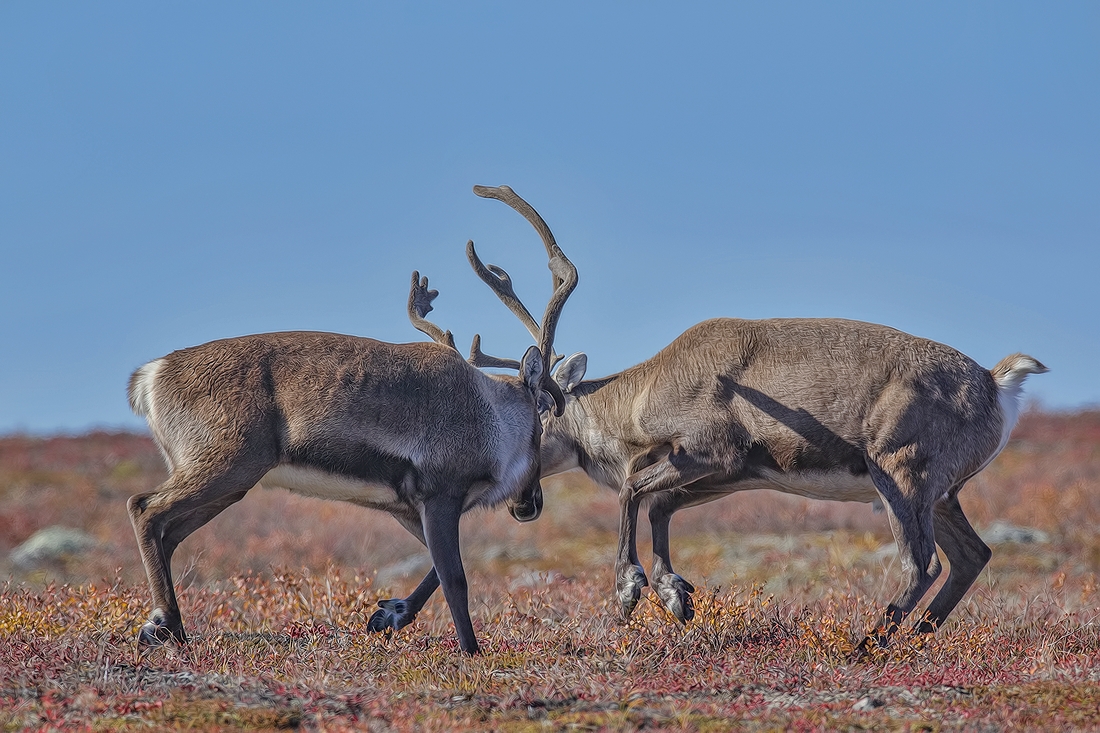
Inuit harvesters help detect an emerging parasitic disease in Arctic caribou
Near Kugluktuk in Nunavut, Inuit harvesters reported unusual tissue changes in caribou. Tests found DNA from two parasitic…
Read story →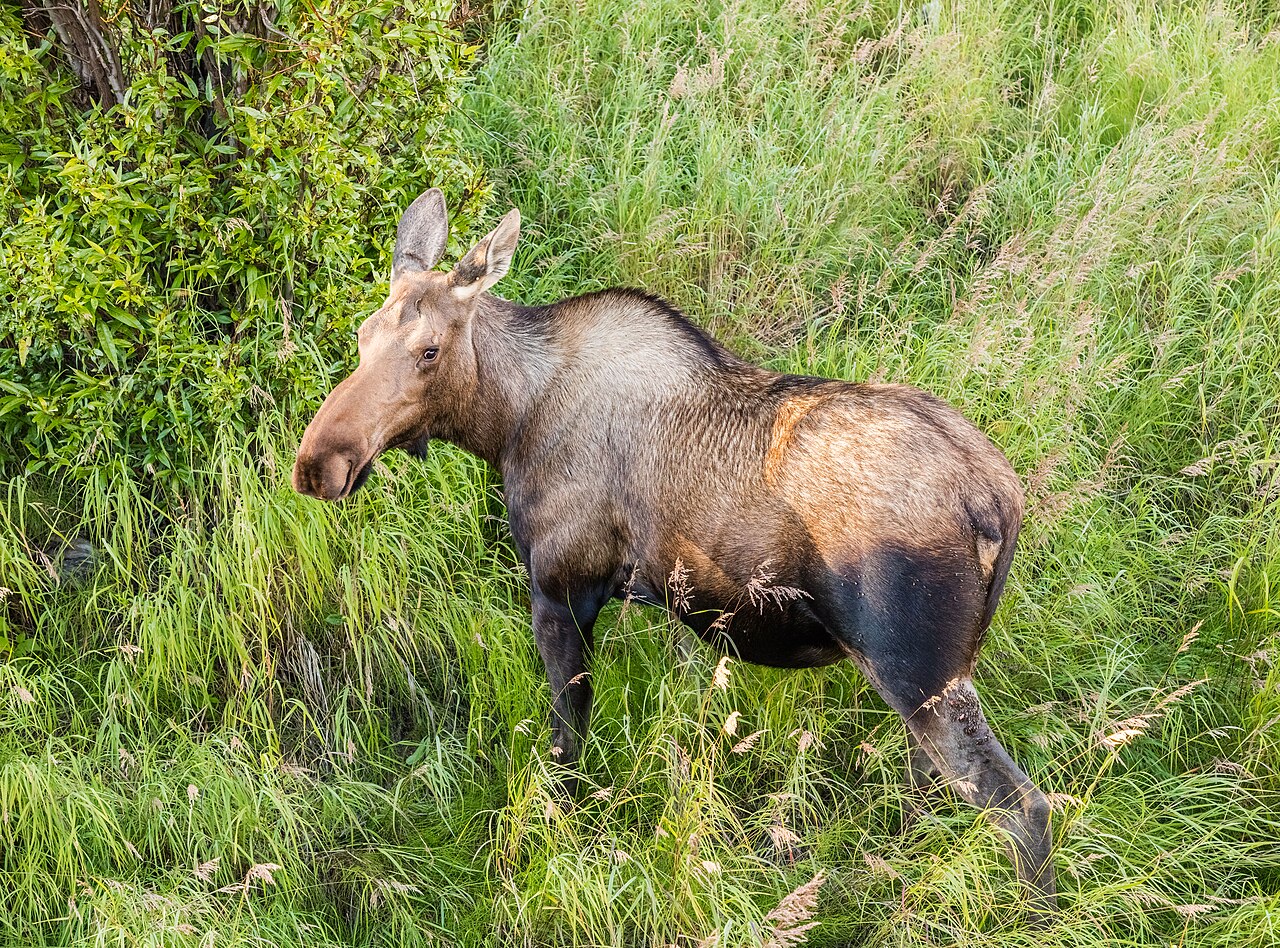
Arctic Moose Follow the River Valleys
GPS tracking in Alaska showed that half of 24 female moose migrated between summer and winter ranges. Migrants…
Read story →SPECIES IN THIS STORY
Species in this story
Independent research and conservation news archive
Did you find this information useful?
Wildlife Vagabond is independently built and maintained. Voluntary support helps cover source verification, hosting and continued work on research and conservation news.
Support Wildlife VagabondThe news archive will remain freely available.